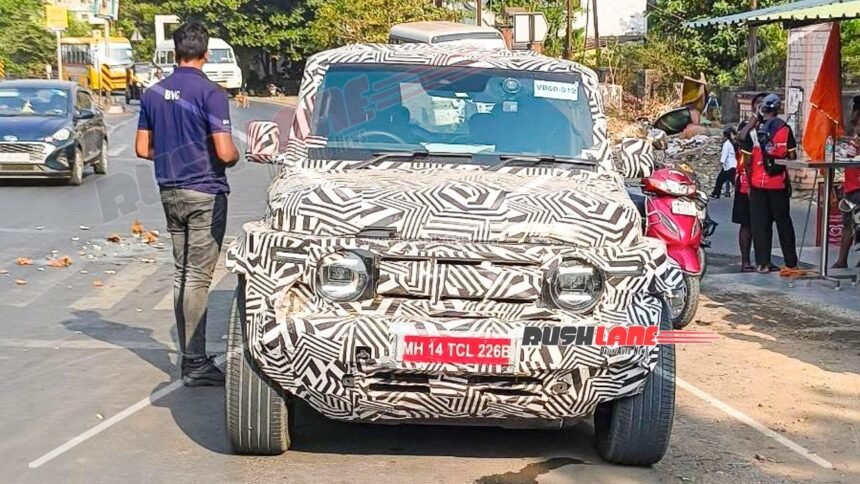
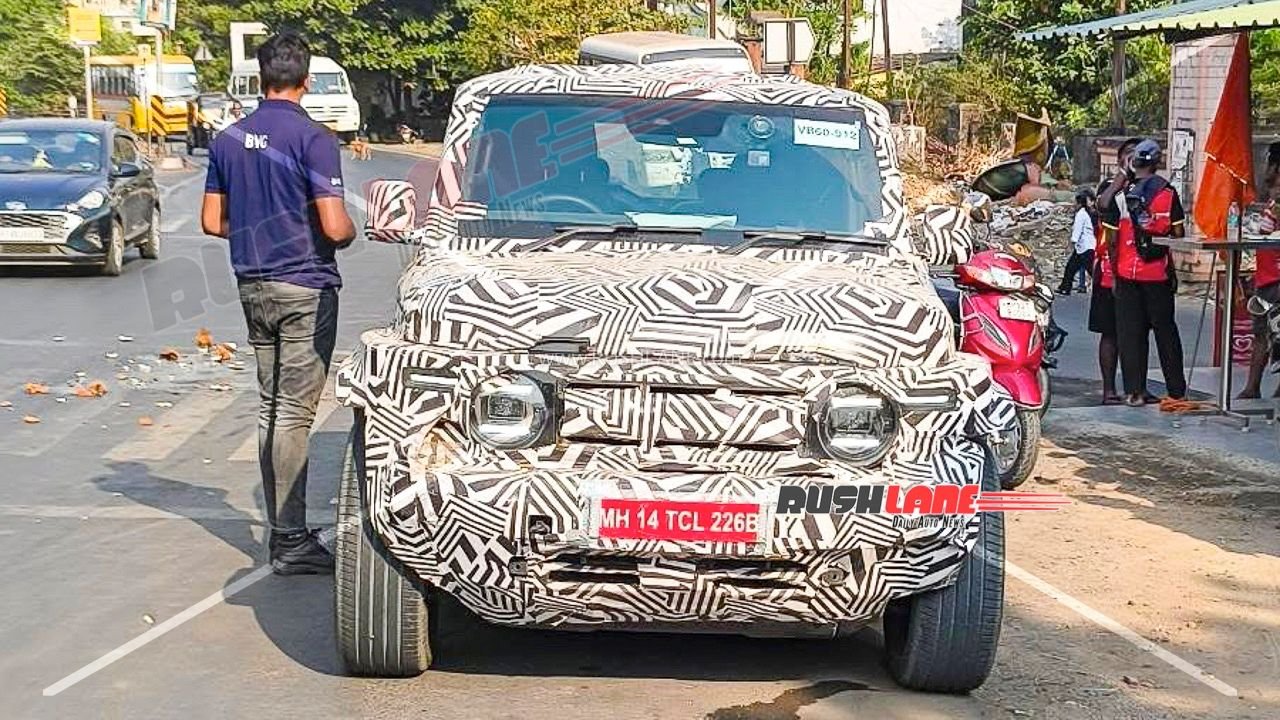
Expected to be imported as CKD units, the profile of the iCar V23 will be largely similar to the model sold overseas.
With Chery Automobiles as its technology partner, JSW Motors will launch multiple models in India. It is part of the JSW Group’s mission to create an entirely new automobile brand, separate from the existing JSW MG Motor India joint venture. One of the upcoming models is the iCar V23, which is also known as iCar V23 and Chery V23 in select markets. A test mule has been spotted again, revealing the road presence and exterior highlights of the off-road ready electric SUV. .
iCar V23 – Design and Features
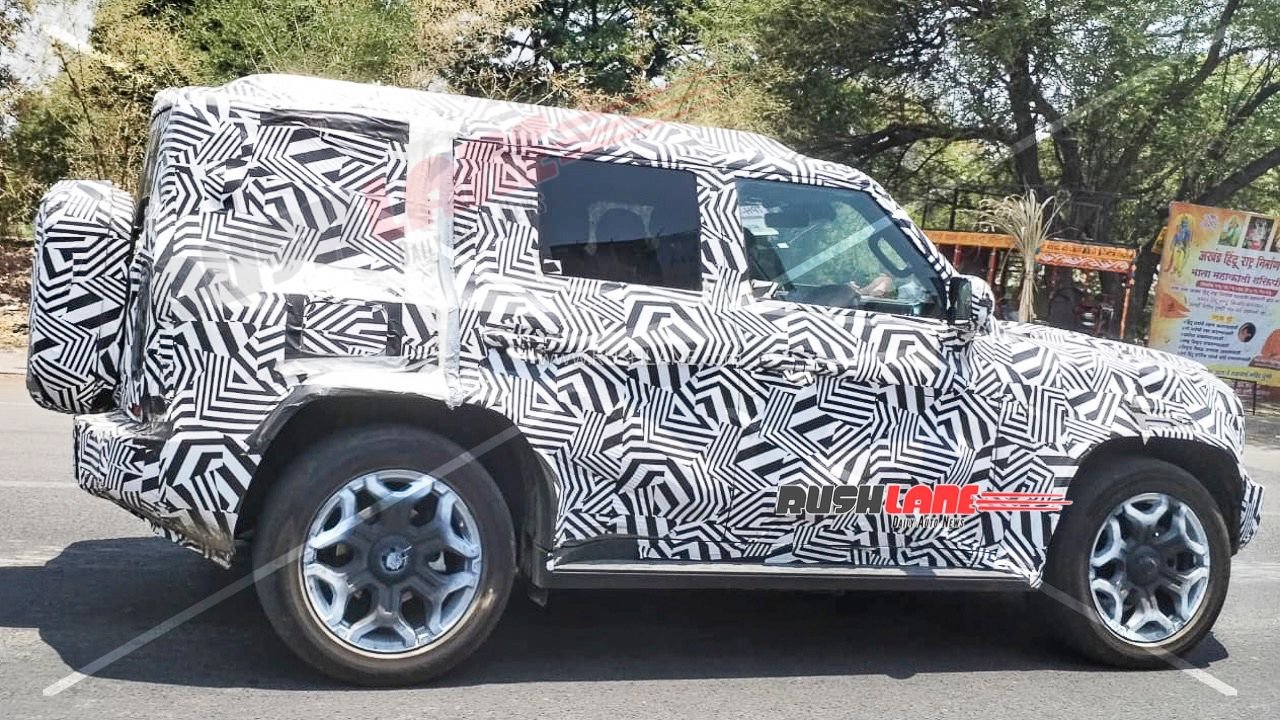
In India, the iCar V23 is expected to be launched under a new name as part of the JSW Motors umbrella brand. As is evident in the spy shots, the SUV has a strong, boxy presence, which is likely to appeal to Indian buyers. In terms of dimensions, the iCar V23 measures 4,220 mm long, 1,915 mm wide and 1,845 mm tall. Its wheelbase is 2,735 mm.
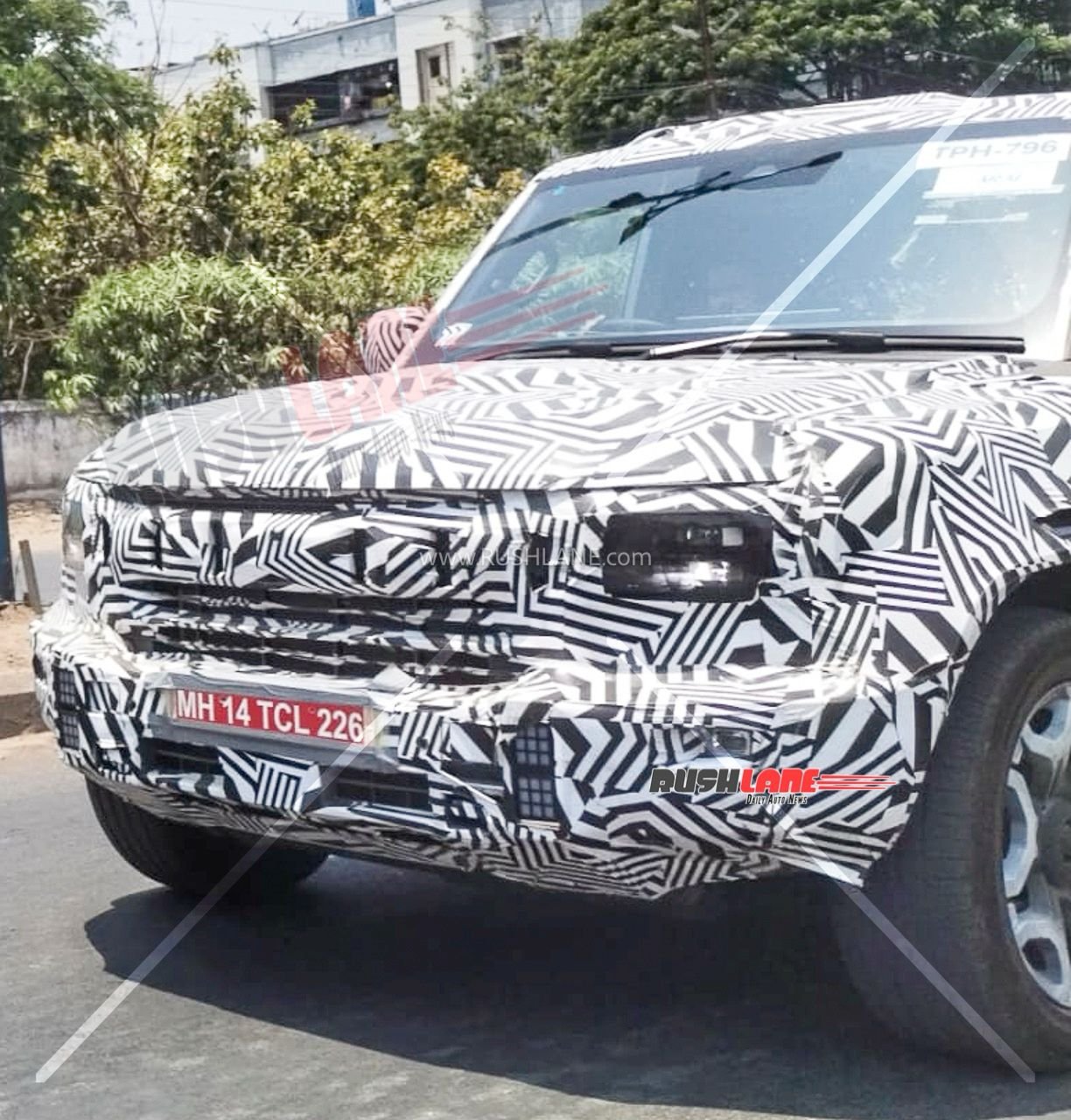
Due to the heavy cover of the test vehicle, it is difficult to see fine details. The SUV has a straight front fascia, a thick bumper, slatted grille elements and a prominent bonnet. Only a small portion of the light unit is visible, which appears to be similar to models sold in China and other Asian markets.
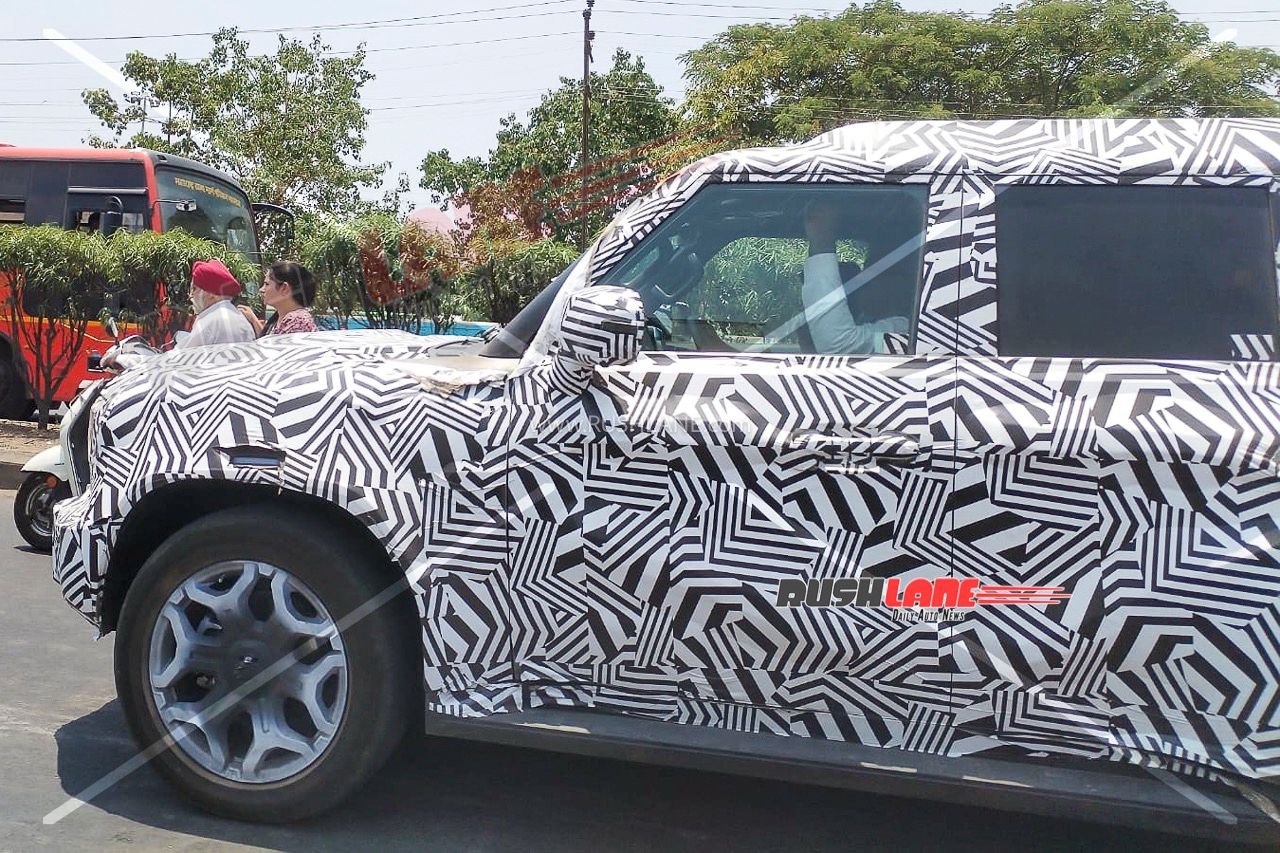
The side profile is also largely similar to the international-spec model. However, the test mule can be seen with a different design thanks to alloy wheels. The wheels are quite large, which enhances the road presence of the SUV. Other key features include square wheel arches, pull-type door handles and roof rails. Features such as running boards may be optional or offered with higher-spec variants.
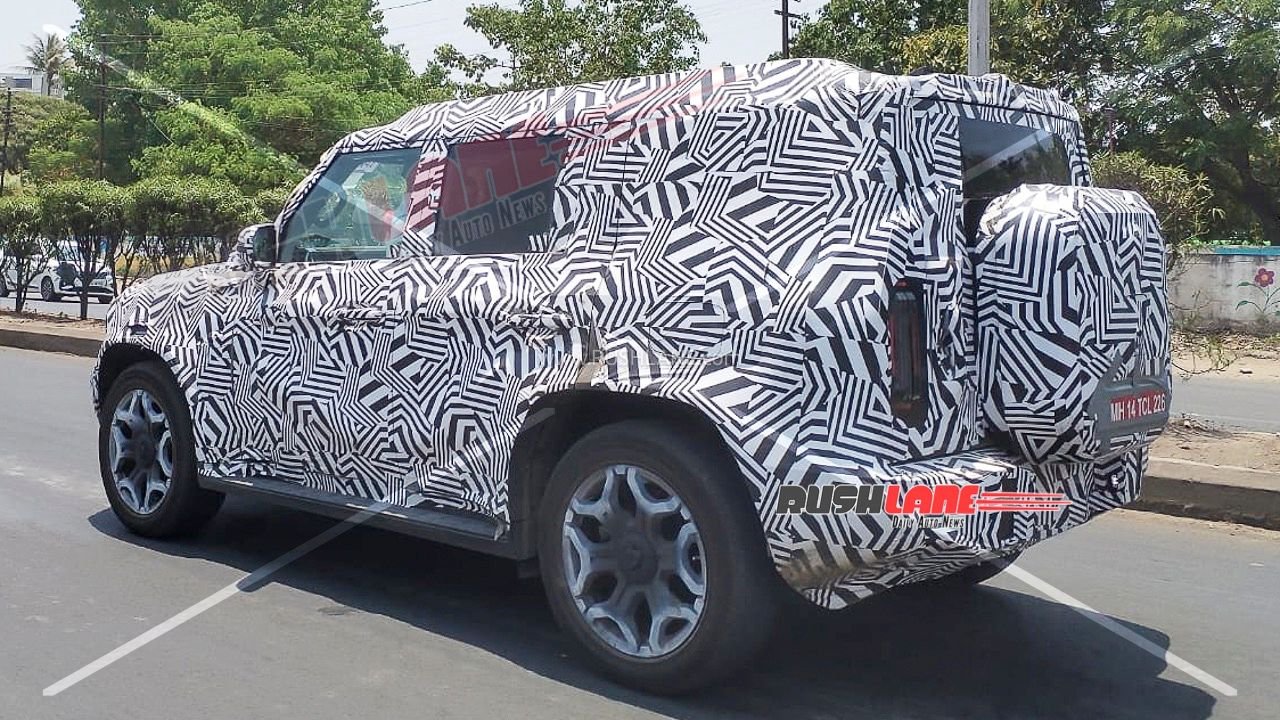
At the rear, the iCar V23 features a large windshield, lower-mounted tail lamps and a simple bumper design. For a sturdy feel, a squarish spare tire style external storage compartment has been installed on the tailgate. It can be used to store various items like charging cables, tools, etc. Interestingly, the spare tire compartment on the test mule appears to be quite large. Is JSW considering a functional spare tire for the iCar V23 in India?
iCar V23 – Performance, Range
In global markets, the iCar V23 is offered in RWD single motor and AWD dual motor configurations. Battery pack options for the RWD variant include 47.28 kWh LFP, 59.93 kWh LFP and 69.8 kWh LFP. Depending on the variant, their range ranges from 301 km to 550 km. The iCar V23 AWD variant with dual motors uses an 81.76 kWh NMC battery. Its NEDC driving range is 430 km.
Supports DC fast charging up to 104 kW. With the AWD variant, 0 to 100 km/h can be achieved in 7.5 seconds. The maximum speed of the SUV is 140 km/h. The iCar V23 has quite good off-roading capabilities with an approach angle of 42 degrees and a departure angle of 41 degrees. It has unladen ground clearance of 210 mm and water wading capacity of 600 mm. Maximum gradeability is at 40%. The iCar V23 is expected to be introduced in India later this year. In the electric segment, it will face competition from upcoming models like Thar EV.
JSW Motors is preparing the ecosystem before launch
Ahead of launching its new range of vehicles including the iCar V23, JSW Motors has started strengthening its technology and software ecosystem in India. The company recently announced a strategic partnership with Tata Elxsi to develop next-generation connected and software-defined vehicle platforms.
As part of this collaboration, both the companies will set up a new engineering hub called JNEXT – JSW NextGen Technology Center in Pune. The facility will support the development of connected features, vehicle software and digital platforms for upcoming models. Tata Elxsi will work on areas such as connected vehicle systems, over-the-air (OTA) updates, user experience, cyber security and AI-based solutions.
The move indicates that JSW Motors is not only focusing on bringing products to India but also building a locally developed technology ecosystem. These efforts are expected to play a significant role in upcoming EVs like the iCar V23, especially in terms of connected features, software integration and overall user experience.