
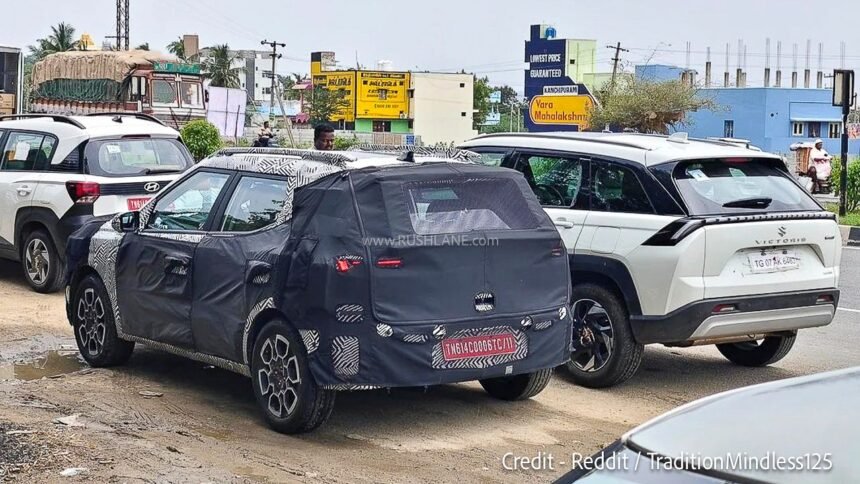
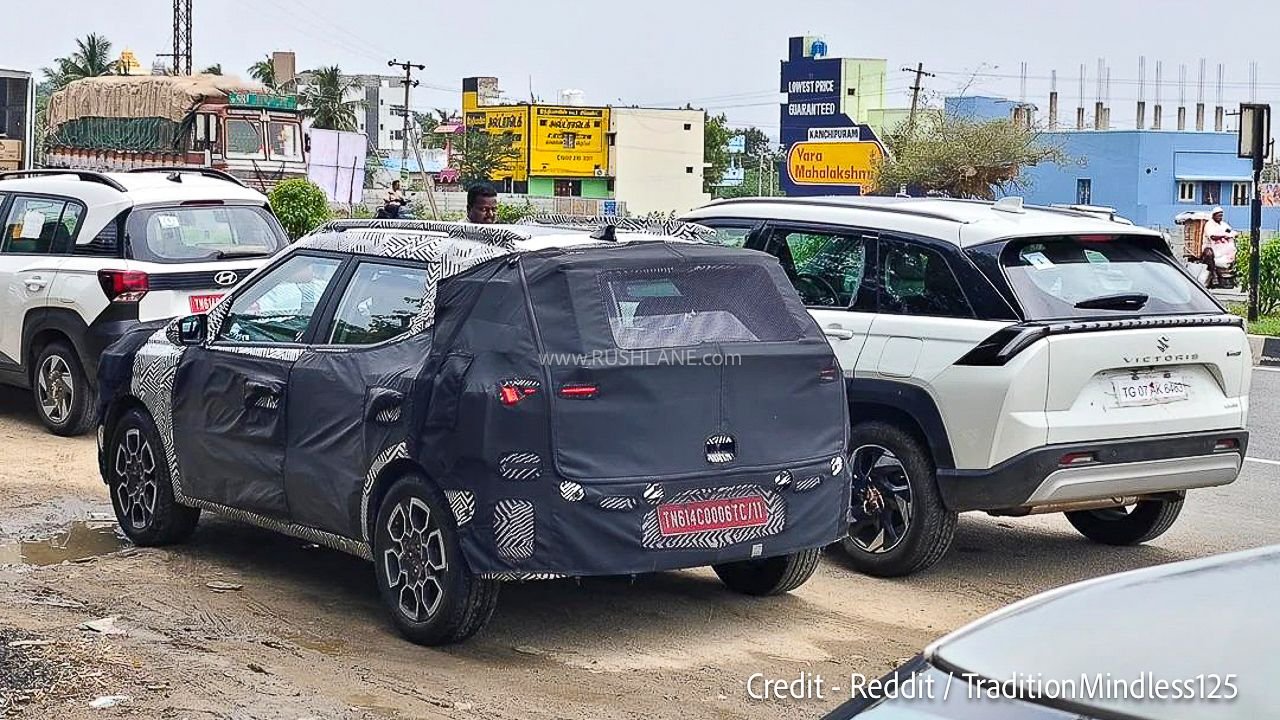
Hyundai is preparing to further strengthen its SUV portfolio in India with the upcoming Bayon-based crossover, internally codenamed BC4i. The test mule has now been spotted once again, offering a fresh look at its proportions and stance. Interestingly, the prototype was parked right next to the Maruti Victoris, giving a clear indication of which segment Hyundai is targeting.
Situated between Venue and Creta
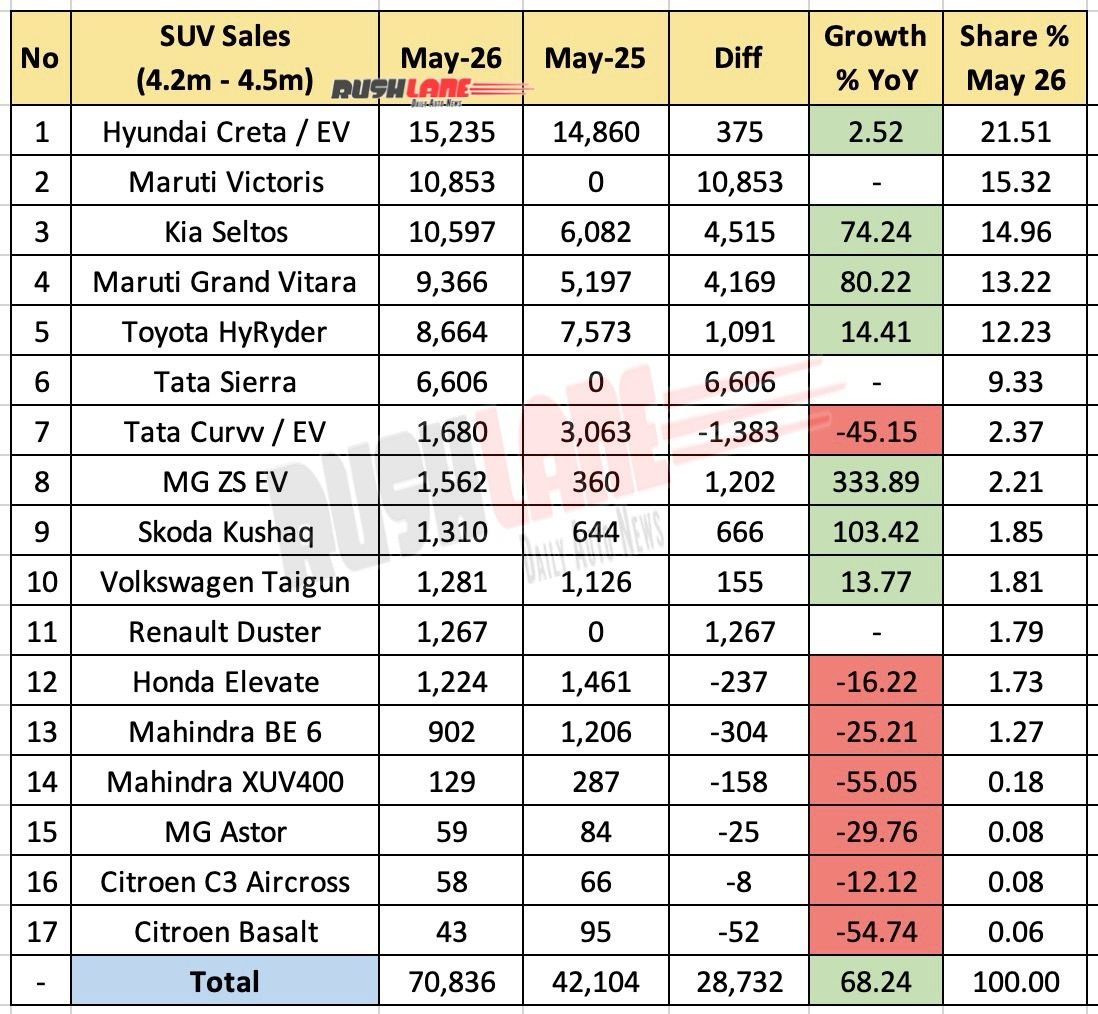
Launched just a few months ago, Victoris has already emerged as the second best selling SUV in the midsize segment. However, Hyundai Creta continues to dominate the charts and remains the benchmark. With the Bayon, Hyundai is preparing to provide a direct response to the Victoris, while also adding another layer of security to the Creta’s leadership position.
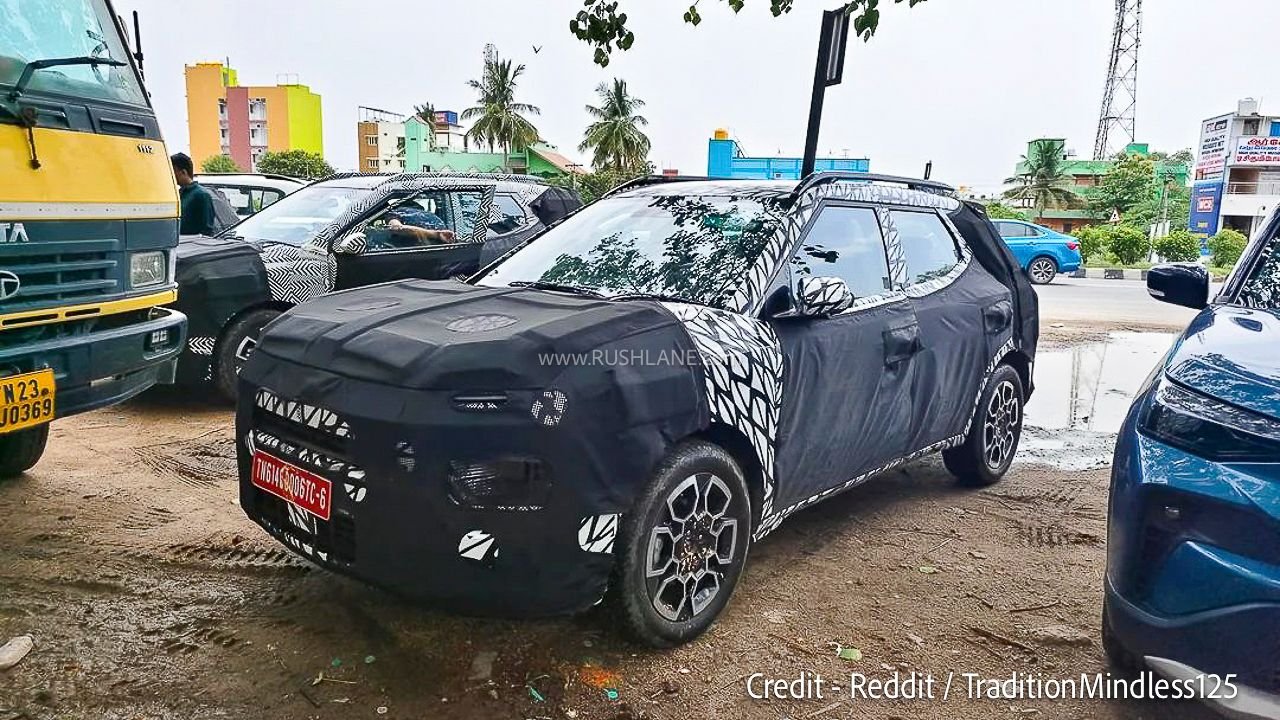
As seen in the latest spy shots, the SUV has a typical crossover-like profile with an upright stance, roof rails and ample body cladding. Compared to the Venue, it appears significantly larger and more spacious, while remaining smaller than the Creta.
The scene with Victoris is particularly interesting. Both the SUVs appear to have a comparable footprint, raising hopes that Hyundai intends to position the Bayon in the 4.2-metre to 4.4-metre SUV space. This segment has gained significant traction in recent months as buyers want something larger and more premium than a compact SUV, without stepping into the higher price bracket.
The Victoris has received strong acceptance since its launch and currently lags behind the Creta in terms of sales in the segment. Hyundai’s strategy may be to take advantage of the Bayonne to attract buyers who might otherwise consider Victoris, Grand Vitara, Hyder or other mid-size SUVs.
new generation design
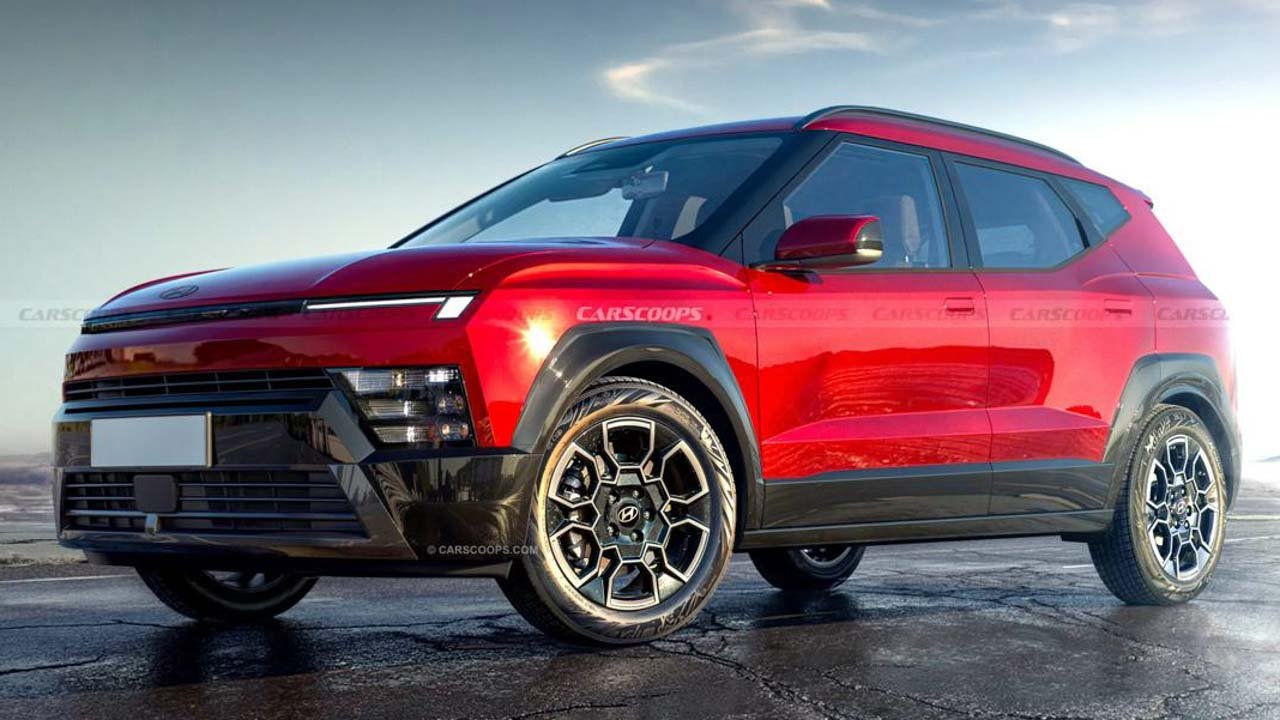
Despite the heavy camouflage, many design cues remain visible. The test mule featured chunky wheel arches, a long roofline and a broad-looking rear end. The front fascia is expected to feature Hyundai’s latest lighting signature with split headlamp elements and a wide grille treatment. The rear continues to showcase the angular tail lamp elements, as seen on the international Bayonne models. The new alloy wheel design, pronounced body cladding and roof rails further add to the SUV’s strong presence.

Possibility of getting petrol and CNG options
Hyundai has already hinted that its upcoming SUV will focus on mass market appeal. Industry sources suggest that the Bayonne-based SUV may be offered with a naturally aspirated petrol powertrain along with a factory-fitted CNG option.
If it is launched with CNG, it could become Hyundai’s first SUV above four meters in length to offer the fuel option. A dual-cylinder CNG setup similar to the solutions adopted by rivals is also a possibility as it helps conserve boot space while improving practicality. The focus is expected to be on efficiency, low operating costs and mass market appeal rather than outright performance.
Amenity-rich cabin expected
Although the interior has not been revealed yet, Hyundai will not make any compromise in terms of features. The SUV is expected to offer a large touchscreen infotainment system, digital instrument cluster, connected car technology, panoramic sunroof, ventilated seats and a comprehensive safety package. Higher variants may also get ADAS features, which will help Hyundai maintain its reputation for offering technology-packed products. The price is likely to be lower than the Creta.