
With the availability of surplus ethanol, higher blends such as E22, E25, E27 and E30 are being considered along with the existing E20.
Ethanol blending has become a raging debate in the country. Although oil supplies from the Middle East have reportedly resumed, prospects for lasting peace in the region remain uncertain. In such a situation, many countries are looking for new ways to meet their energy needs. In India, the existing E20 fuel has already helped in reducing the oil import bill to a great extent.
However, this may not be enough, and the government is eyeing higher blends to further reduce dependence on imported fuel. While the long-term goal is flex-fuel E85/E100, short to medium term solutions include blends such as E22, E25, E27 and E30. However, existing vehicles, E20 and below, are unlikely to support higher blends.
E30 compatibility for existing cars
In a recent interview with car and bikeWhen asked if existing cars can be upgraded to support higher E30 blends, BMW Group India President and CEO Hardeep Singh Brar said. ruled out possibility. Explaining the crux of the matter, he said there is a need to study the impact of the new fuel on existing vehicles. This is especially relevant, as millions of vehicles on Indian roads are more than a decade old and do not even support E20.
Mandatory production of E20 compliant vehicles has already started from April 2023. Higher blends may be OK for vehicles that are designed for it. But there’s a big question mark over it What happens to existing vehicles?. In the case of Mini, Hardeep also hinted at some of the issues reported by its customers. MINI has big plans for the Indian market and fuel mixture issues could create unnecessary challenges.
Hardeep said government agencies should ensure that the introduction of the new fuel does not impact existing vehicles. This may indeed be the government’s plan, as reports have indicated the possibility of making multiple fuel blends available at fuel stations. This will be done after completion of testing on higher ethanol blends.
Hardeep further said that the government Must provide advance deadlines When new fuel is to arrive. This will allow car manufacturers to make necessary adjustments to their vehicles to comply with the new orders. Hardeep also stressed the need for clarity in such scenarios.
Mini is targeting big growth in India
Apart from the topic of ethanol blending, Hardeep also talked about Mini’s plans for the Indian market. The brand will focus on Tier II and Tier III cities, where demand is growing. The cities where MINI will expand its presence this year include Jaipur, Jodhpur, Patna, Ranchi, Calicut, Vijayawada and Mangalore. Demand for mini cars has increased in all these cities.
speaking on India-UK FTA dealHardeep clarified that this is unlikely to have any impact on the prices of mini cars in India. This is because the production of mini cars is not technically entirely linked to the UK. However, Hardeep said that if there is any change in the next 6 months, a refund can be issued.
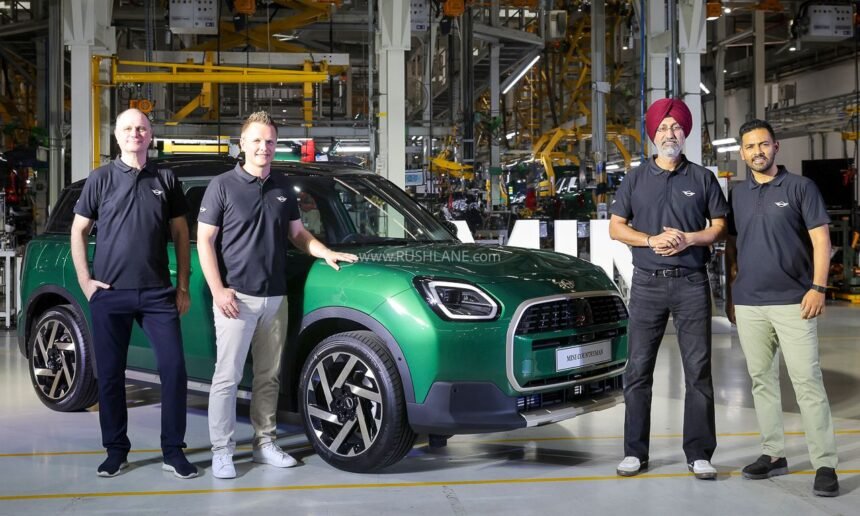
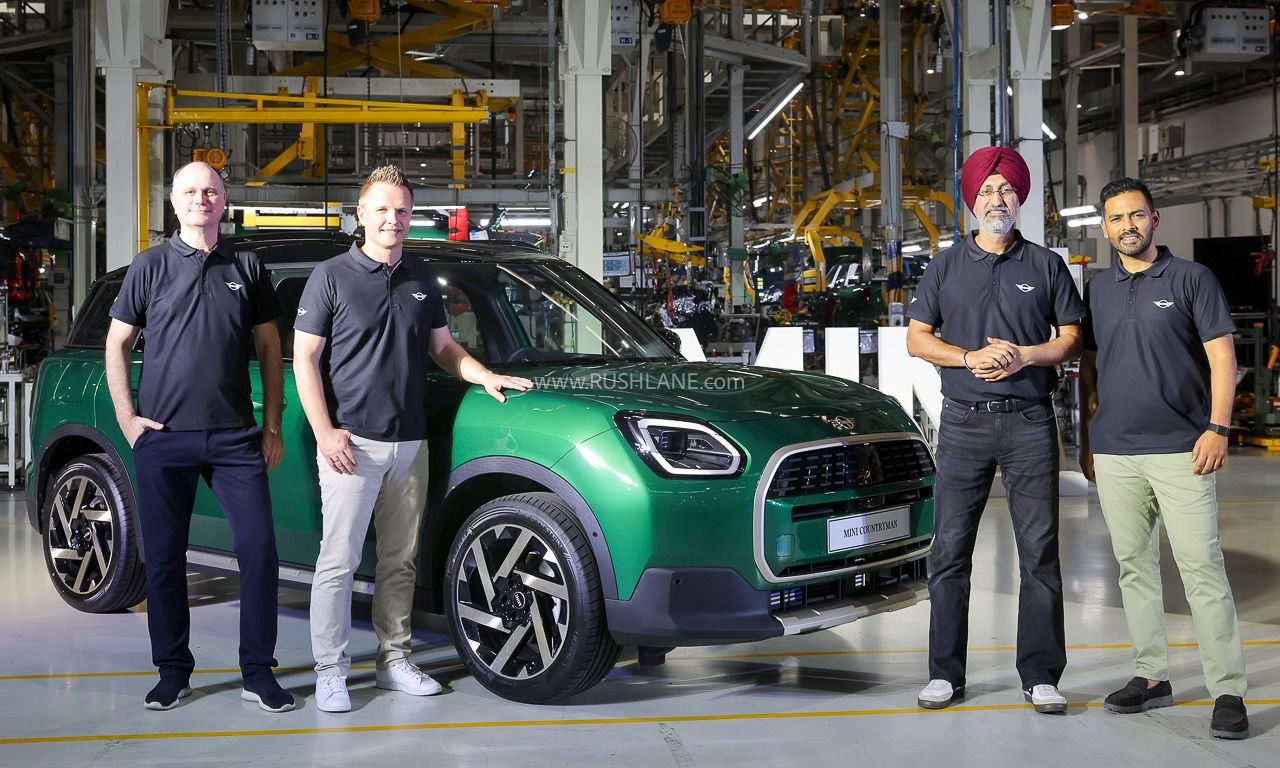
Hardeep also talked about the recently launched Countryman C, which has about 50% localization. With local assembly, the Countryman C is being offered at a competitive price of Rs 47.5 lakh. Mini aims to sell 1,000 units this year, which will be its highest annual sales in the country.