
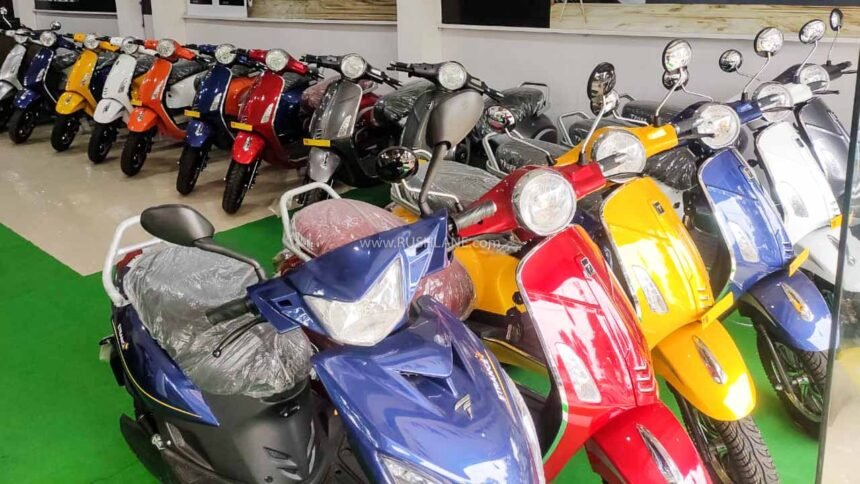
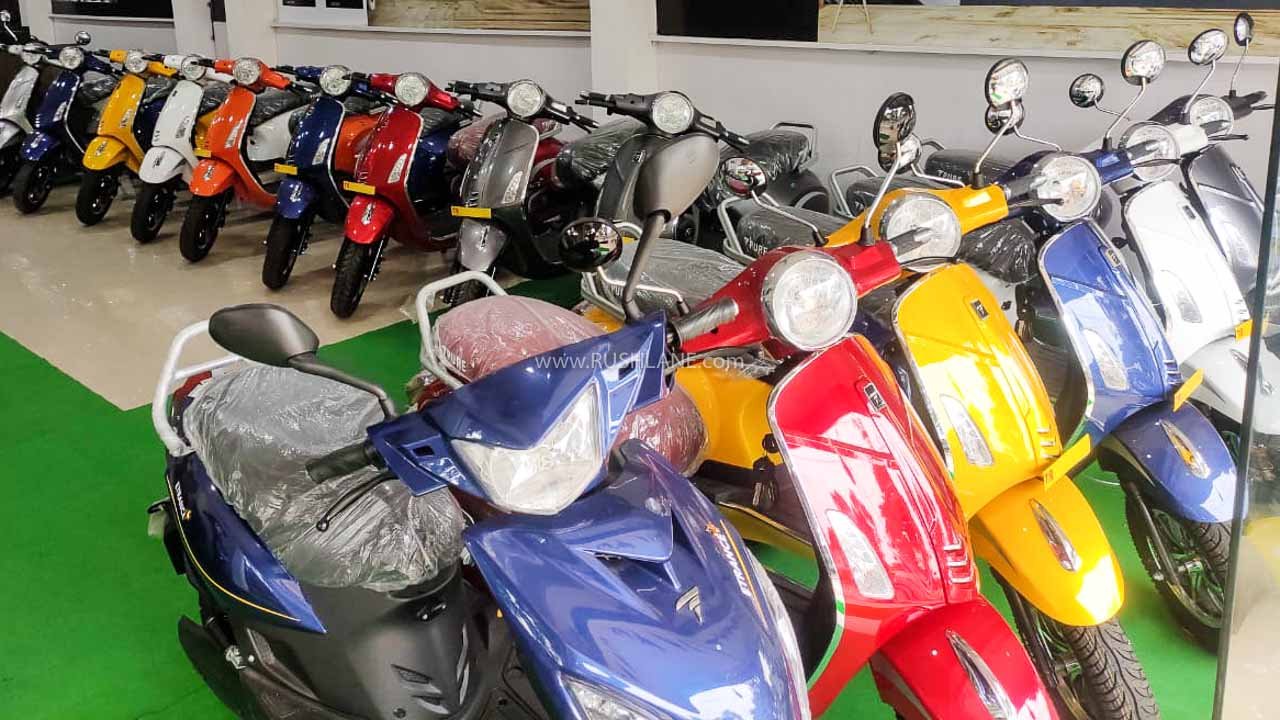
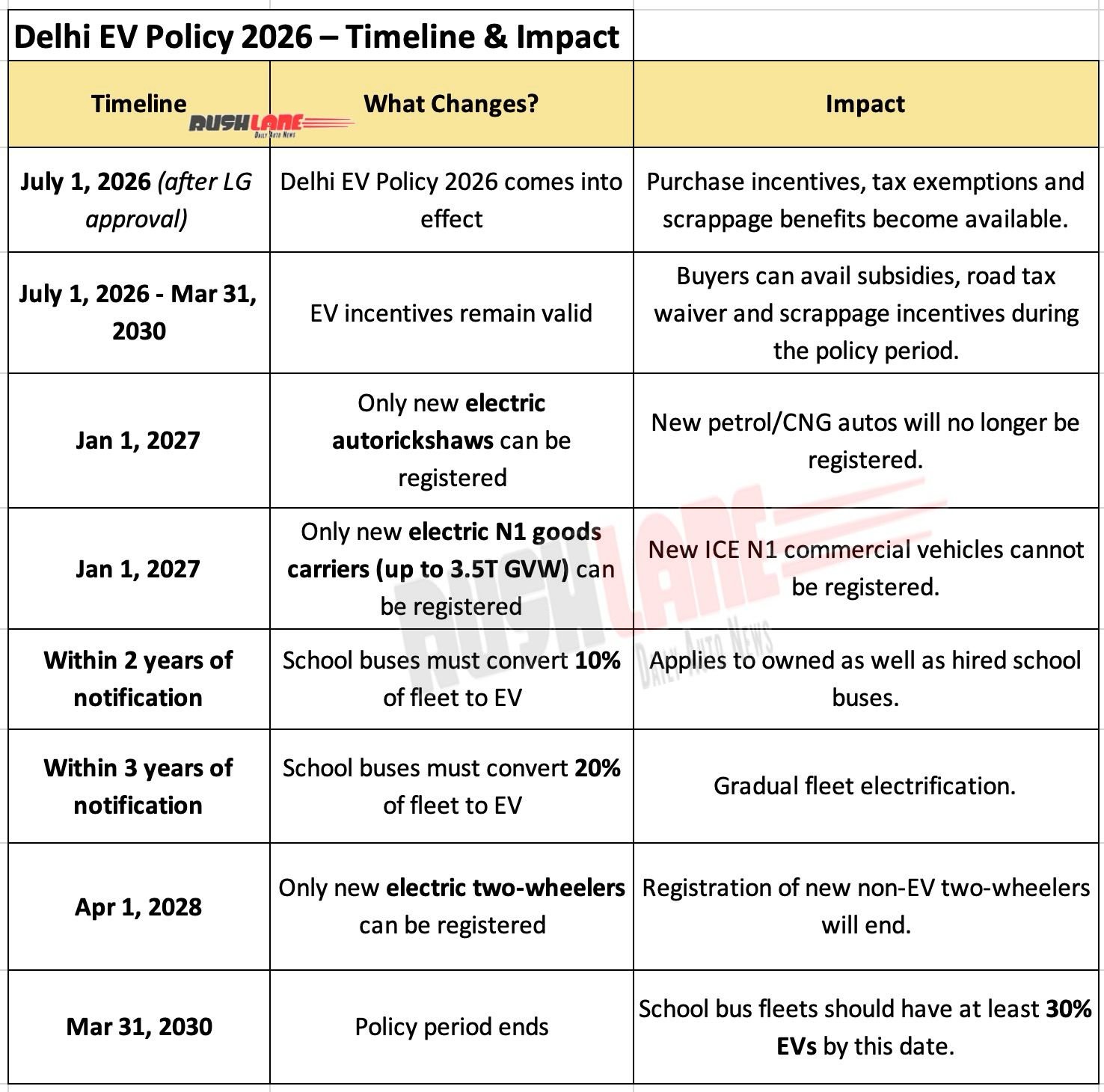
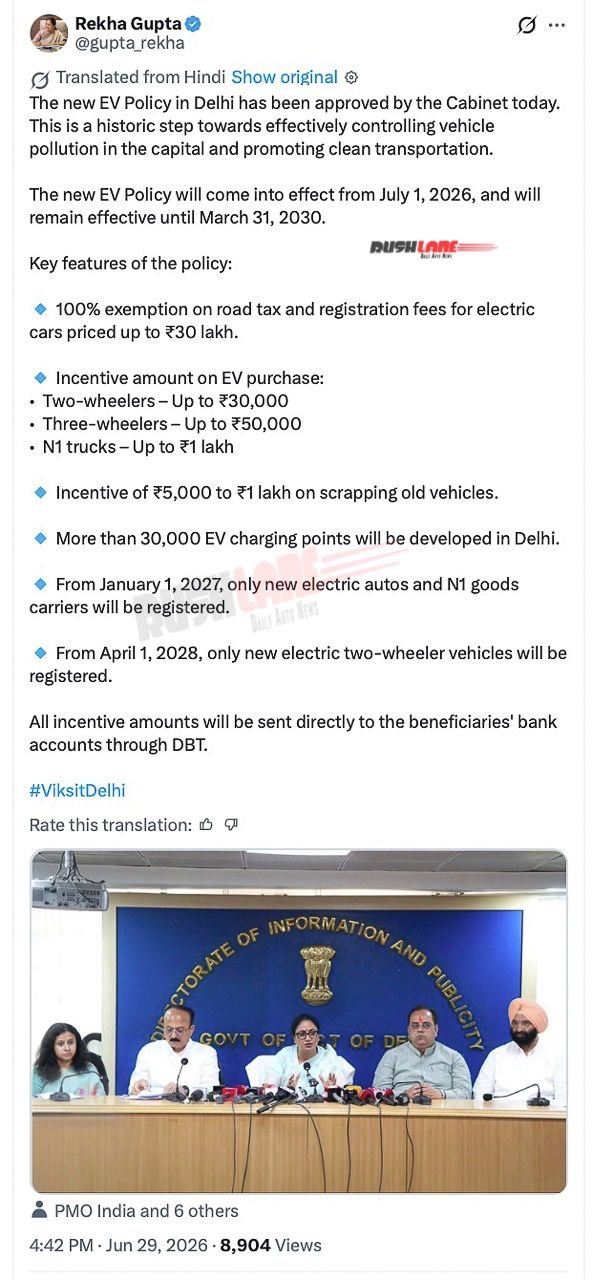
The Delhi Cabinet has approved the Delhi EV Policy 2026, launching a series of incentives and mandates aimed at accelerating electric vehicle adoption while reducing vehicular pollution in the national capital. Announcing the decision, Chief Minister Rekha Gupta said that the new policy will be implemented. With effect from July 1, 2026, And will remain valid till 31 March 2030.
The policy provides tax incentives, purchase incentives, scrappage benefits and a roadmap to gradually transition key vehicle segments to electric mobility. According to Delhi government, Around Rs 15,000 crore will be invested Over the next four years to support EV adoption and charging infrastructure.
100% exemption in road tax and registration fees for EV cars
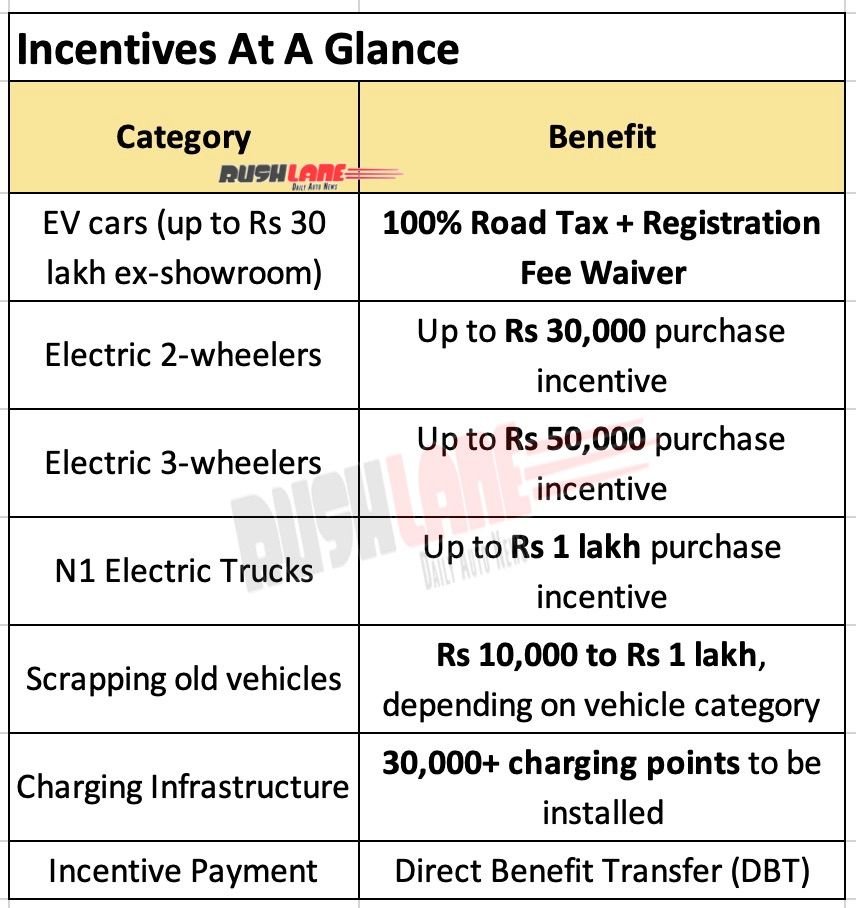
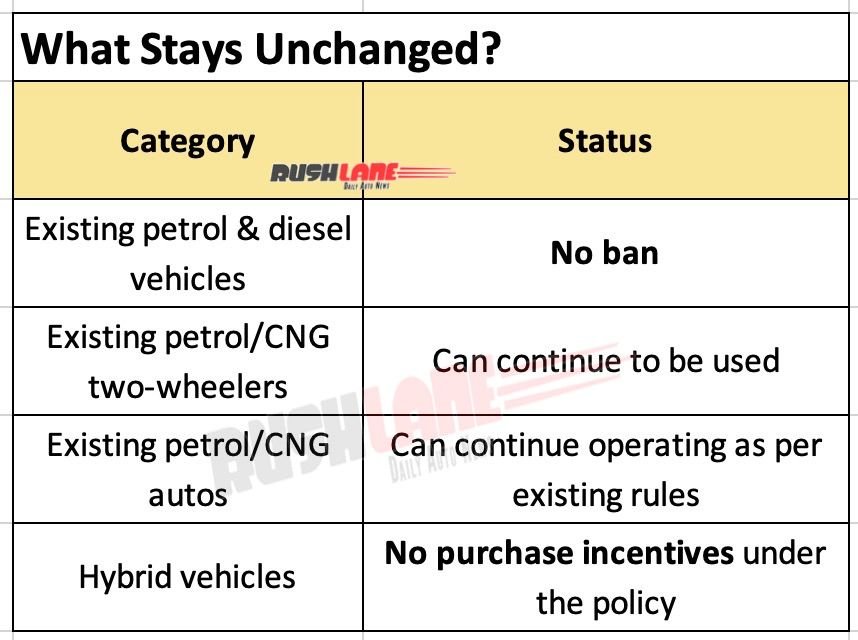
The biggest highlight of the new policy is the 100% exemption on road tax and registration fees for electric passenger cars with ex-showroom price up to Rs 30 lakh. The government has clarified that these benefits are available only for pure battery electric vehicles Hybrid vehicles are not eligible for subsidies or incentives.
Purchase incentives announced
The Delhi EV policy offers purchase incentives across multiple vehicle categories. Electric two-wheelers will get incentives up to:
– Rs 30,000 in the first year
– Rs 20,000 in the second year
-Rs 10,000 in the third year
Electric three-wheelers (passenger autos) will get:
– Rs 50,000 in the first year
– Rs 40,000 in the second year
-Rs 30,000 in the third year
Buyers of N1 category electric commercial trucks (up to 3.5 tonne GVW) will get a purchase incentive of up to Rs 1 lakh during the first year. all incentive amount will be transferred directly to beneficiaries Through Direct Benefit Transfer (DBT) system.
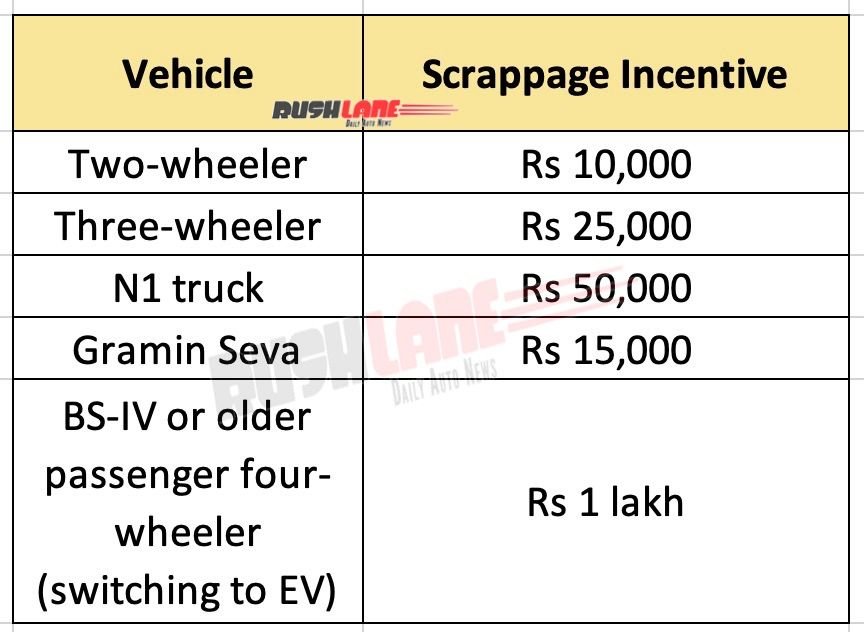
scrappage incentive
To accelerate replacement of old vehicles, the government has also announced scrappage incentives ranging from Rs 5,000 to Rs 1 lakh, depending on the vehicle category. (While the Chief Minister’s social media post mentioned scrappage incentives ranging from Rs 5,000 to Rs 1 lakh, the detailed press briefing announced category-wise incentives starting at Rs 10,000 for two-wheelers.) These include:
– Rs 10,000 for two-wheelers
– Rs 25,000 for three-wheelers
– Rs 50,000 for N1 trucks
– Rs 15,000 for rural service vehicles
– Rs 1 lakh for owners removing BS-IV or older four-wheelers and purchasing an EV.
Registration of petrol two-wheelers will end in 2028
The policy also sets timelines for future vehicle registration in Delhi. Only new electric autorickshaws and N1 goods carriers will be registered from January 1, 2027. Registration of new petrol and CNG powered two-wheelers will be stopped from April 1, 2028. Only electric two-wheelers are eligible for registration. Existing ICE vehicles are not affected by these provisions.
School operators will also be required to electrify their fleets, with at least 10% of buses converted to EVs within two years of the notification, 20% within three years and 30% by March 31, 2030.
More than 30,000 charging points planned
Supporting the change, Delhi government plans to Develop over 30,000 EV charging points Across the city during the policy period. These will be funded from the PM e-Drive scheme and Delhi government’s own budget. Charging stations will be installed at high-footfall public places like markets and workplaces, while the government is also working on provisions for dedicated charging meters for residential charging.
Focus on reducing pollution
According to Delhi Transport Commissioner Niharika Rai, the policy primarily targets vehicle categories that contribute the most to vehicle pollution. Government data shows that commercial goods vehicles account for about 33% of vehicle pollution in Delhi, while two-wheelers and three-wheelers contribute 46%.
With generous incentives, tax exemptions, expansion of charging infrastructure and phased restrictions on new ICE vehicle registrations, the Delhi EV Policy 2026 represents one of the most comprehensive state-level EV programs in the country, with the government’s primary objective to accelerate the adoption of clean air and electric mobility.