
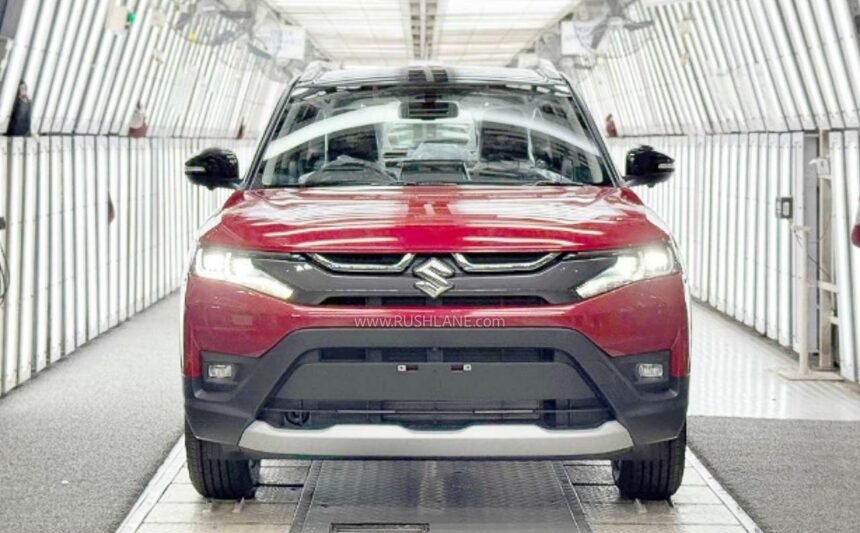
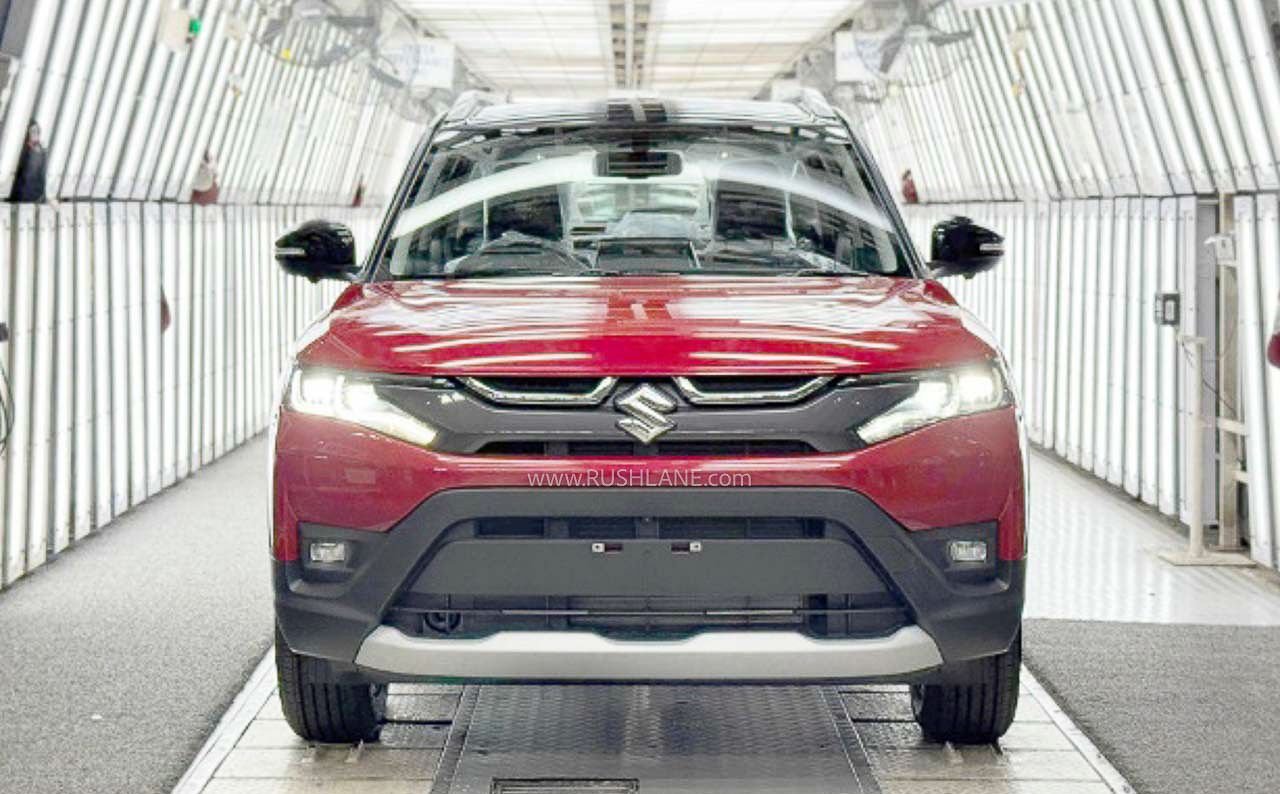
Maruti Suzuki starts production at second Kharkhoda plant – total capacity reaches 26.5 lakh units
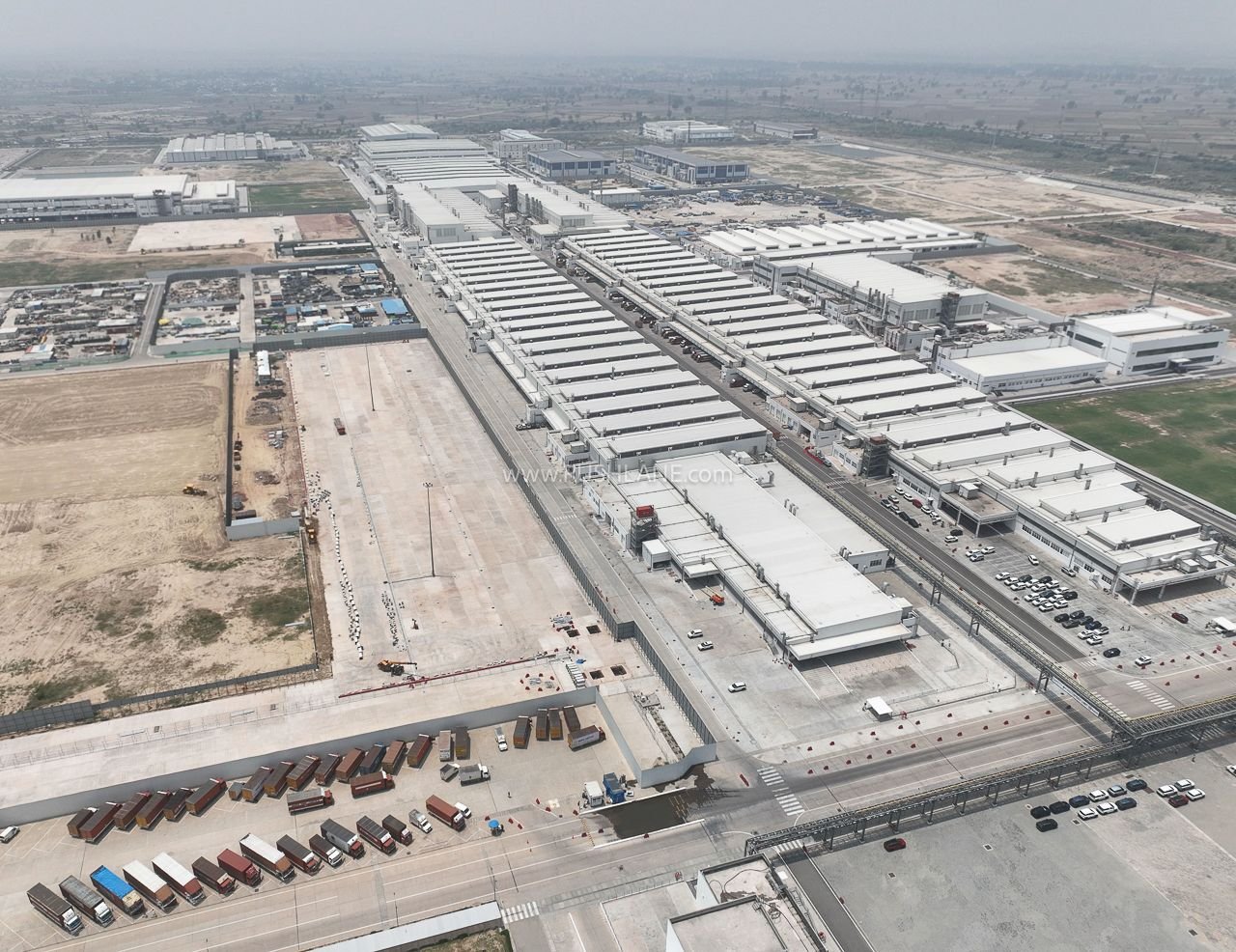
Maruti Suzuki India Limited has officially started commercial production at its second manufacturing plant at its Kharkhoda facility in Haryana. With this expansion, the company has significantly increased its production capacity as it prepares for future growth in both domestic and export markets.
The newly commissioned second plant at Kharkhoda comes with a Annual production capacity 2.5 lakh units. Together with the first plant, the total production capacity at the Kharkhoda facility has now reached 5 lakh units per annum.
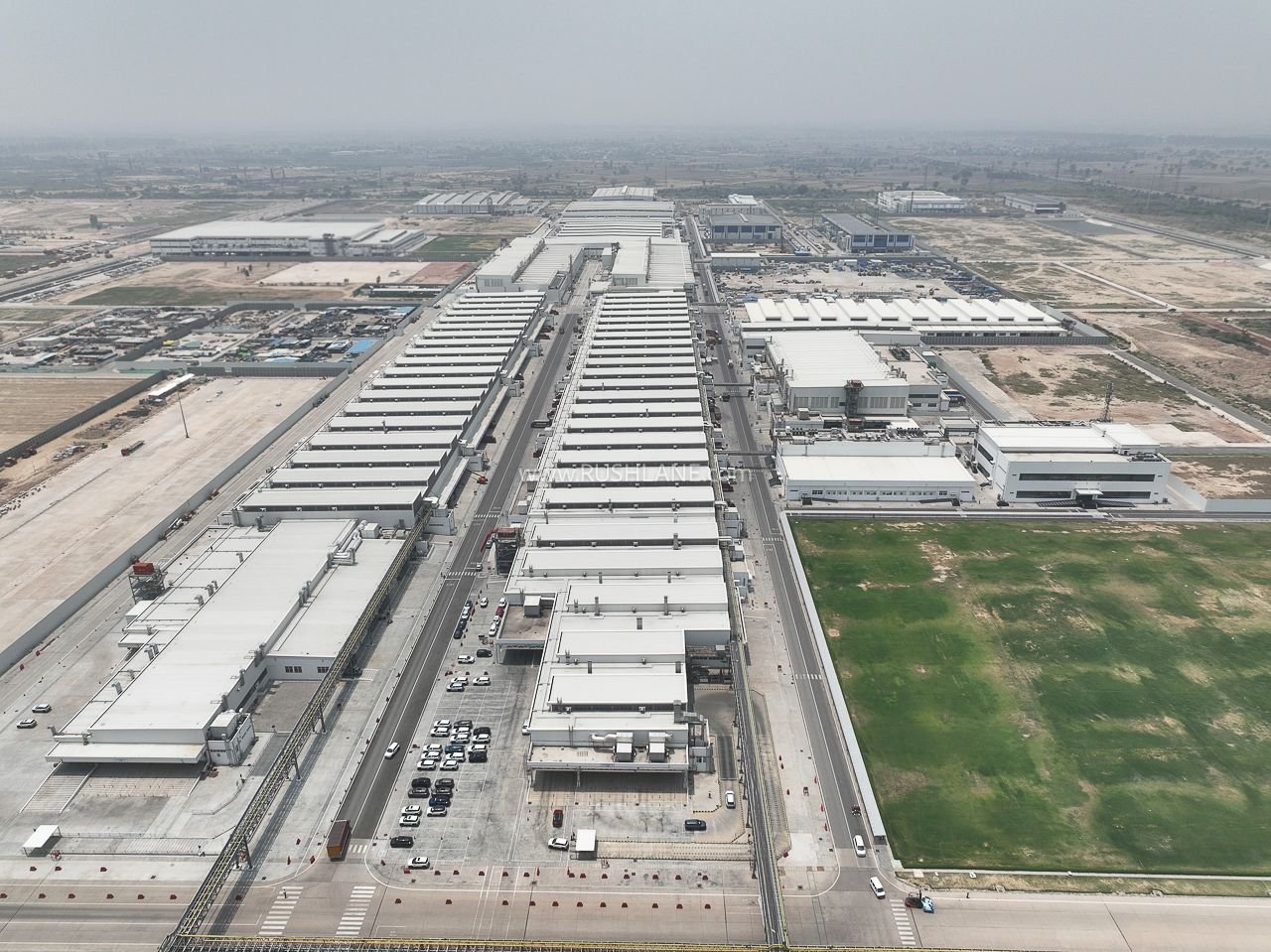
Following this expansion, Maruti Suzuki’s total annual vehicle production capacity across all its manufacturing facilities in India has increased Now there are 26.5 lakh units. These facilities include Gurugram, Manesar and Kharkhoda plants in Haryana as well as the Hansalpur plant in Gujarat.
Kharkhoda will become one of Suzuki’s largest plants
Maruti Suzuki had earlier outlined plans to add 5 lakh units of production capacity during fiscal 2026-27 and the second Kharkhoda plant is an important part of that strategy. Once all the planned phases are completed, Kharkhoda is expected to become one of Suzuki’s largest four-wheeler manufacturing hubs globally with a planned capacity of 10 lakh vehicles annually.
company The Kharkhoda plant currently manufactures the Brezza and Victoris SUVs.. Both SUVs continue to be in strong demand in the Indian market, especially in the fast-growing SUV segment. The expansion comes at a time when Maruti Suzuki is strengthening its SUV portfolio and also preparing for the upcoming electric vehicle launch. The increased production capacity will also help the company improve supply timelines and support exports from India.
Focus on SUVs and future development
Even though Maruti Suzuki has been registering consistent volume growth, its dominance in the Indian passenger vehicle market is gradually weakening. The company sold 18.23 lakh cars in FY2026, registering an annual growth of 3.5% compared to FY2025. However, its market share stood at 38.93%, one of the lowest levels for the brand in the last 13 years. Maruti once comfortably controlled over 50% of the market, but the rapid growth of rivals like Mahindra, Tata Motors, Toyota and Hyundai in the SUV sector has steadily eroded its share.
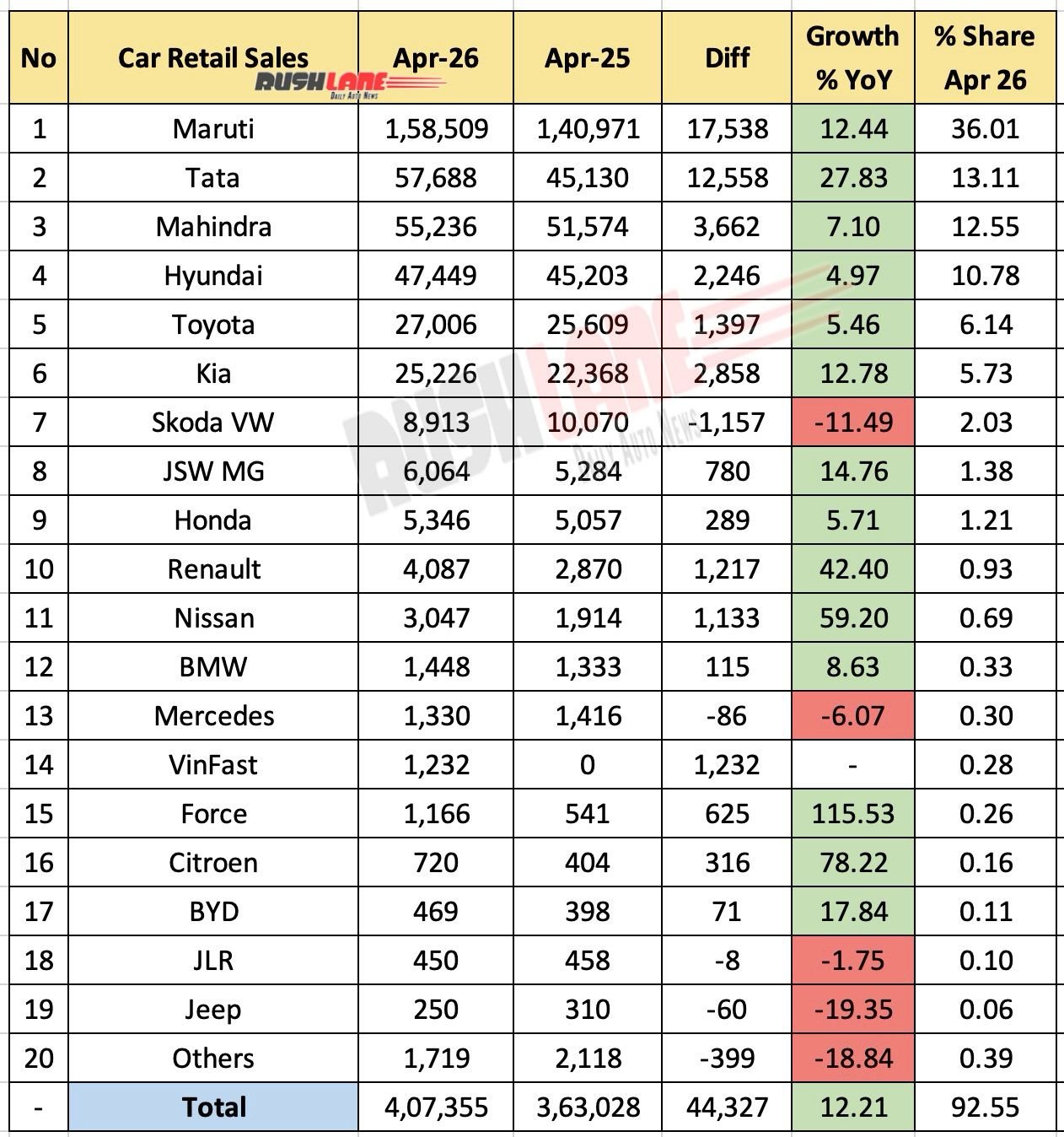
A major reason behind this shift is the changing preference of customers towards larger SUVs and premium vehicles, segments where rivals have expanded aggressively. While Maruti has had success with the Brezza, Frontex, Grand Vitara and Victoris, competitors are leading the way with broader SUV portfolios and a stronger presence in higher-margin segments.
Maruti is now Responding with offensive capability expansion And several upcoming launches including new SUVs, hybrids and EVs. The company has already started production at its second Kharkhoda plant and plans to add 5 lakh units annual capacity during FY2027. However, regaining the lost market share will not be easy as competition has intensified in every major segment over the last few years.