
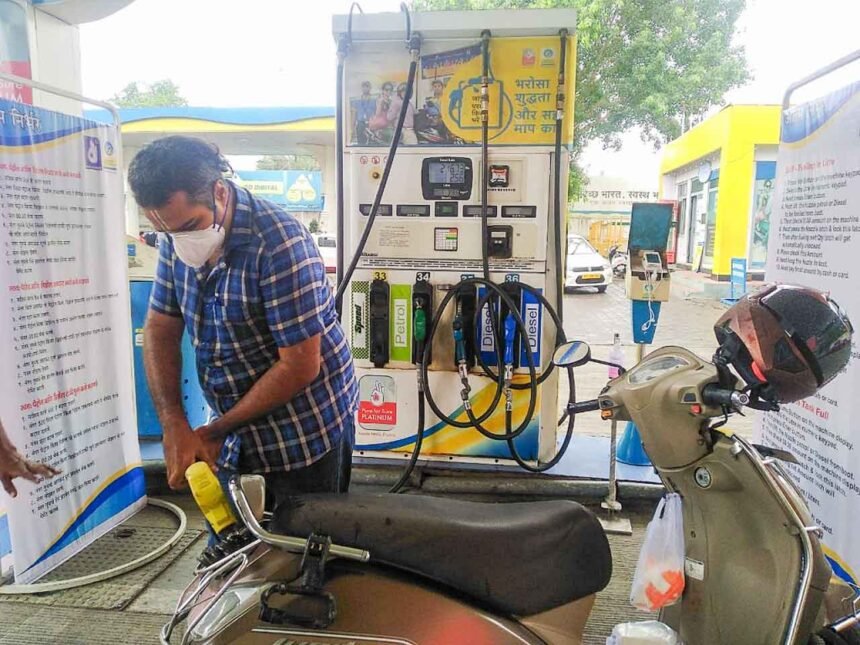
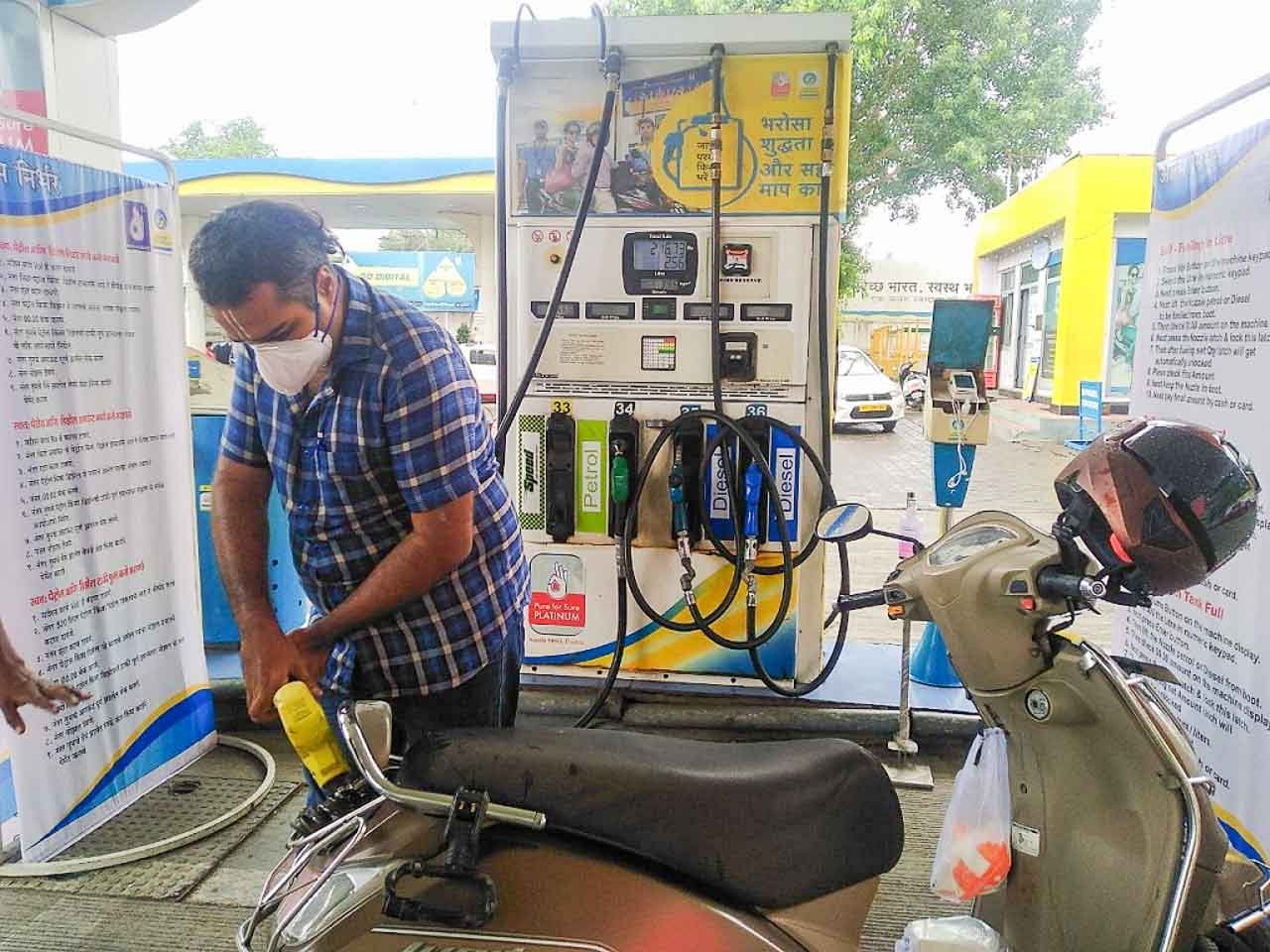
The Indian government has issued a detailed clarification defending the country’s ethanol blending program. Saying that E20 fuel is scientifically validConstantly monitored and is not responsible for various claims circulating on social media.
PIB clarifies safety concerns regarding E20 fuel
The statement issued by the Ministry of Petroleum and Natural Gas through the Press Information Bureau (PIB) addresses concerns related to engine reliability, insurance validity, water pollution and even viral claims that ethanol-blended fuel attracts ants and insects.
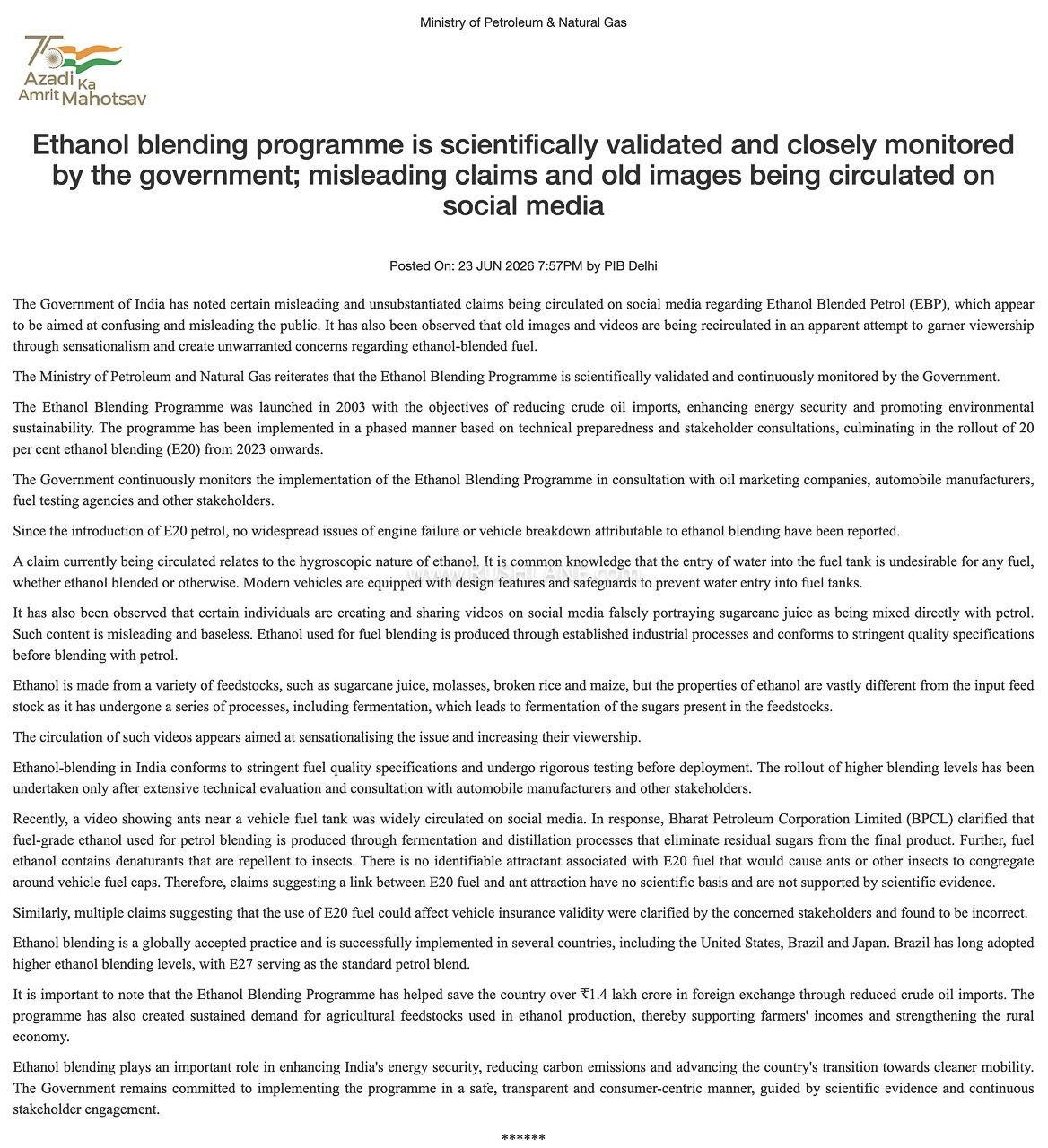
According to the government, There has been no comprehensive report Engine failures caused by E20 fuel have occurred since its introduction. The statement also clarifies that the ethanol used in the fuel blend undergoes industrial processing and does not contain residual sugars that may attract insects.
The Government further reiterated that the ethanol blending program has been implemented in consultation with oil marketing companies, automobile manufacturers, fuel testing agencies and other stakeholders. It highlighted that the initiative has helped in reducing crude oil imports, improving energy security and supporting the agriculture sector.
Mileage and running costs not discussed
However, while the PIB statement addresses several safety and misinformation-related concerns, it does not discuss several issues that directly impact vehicle owners. Notably absent from the explanation are questions related to fuel efficiency, operating costs and the financial impact of higher ethanol blending on consumers.
Ethanol is known to have a lower energy density than gasoline, typically resulting in lower fuel efficiency as ethanol content increases. While the government has stressed the safety and environmental benefits of ethanol blending, the PIB note does not mention Could consumers experience lower mileage with E20? Or high ethanol blends like E85.
Financial impact on vehicle owners not covered
Similarly, There is no discussion regarding actual cost per kilometer Operation of vehicles on high ethanol blends. This has become a subject of debate after several independent mileage comparisons suggested that the lower retail price of ethanol-blended fuels does not always translate into lower operating costs.
PIB’s statement also does not investigate Do consumers get any direct monetary benefits from ethanol blending, especially in cases where vehicles designed for higher ethanol content may carry a price premium while still providing lower fuel efficiency.
Another aspect that was not taken into account is the impact of the lower energy content of ethanol compared to petrol. Industry experts have long acknowledged that ethanol contains less energy per liter than traditional gasoline, which can impact vehicle range and fuel economy.
The government’s latest clarification therefore primarily focuses on defending the scientific validity, safety and implementation of the ethanol blending programme. Questions related to consumer economics, fuel efficiency and long-term ownership costs are beyond the scope of the statement.