
Although many efforts have been made on self-balancing technology, the mass-produced model has still not become a reality.
Throughout its history, BMW Motorrad has made many innovations in the world of two-wheelers. The latest patent images show that BMW Motorrad may be looking at self-balancing technology in a new way, one that seems practical and could actually be mass-produced. Let’s see the details.
BMW Self-Balancing Bike – How does it work?
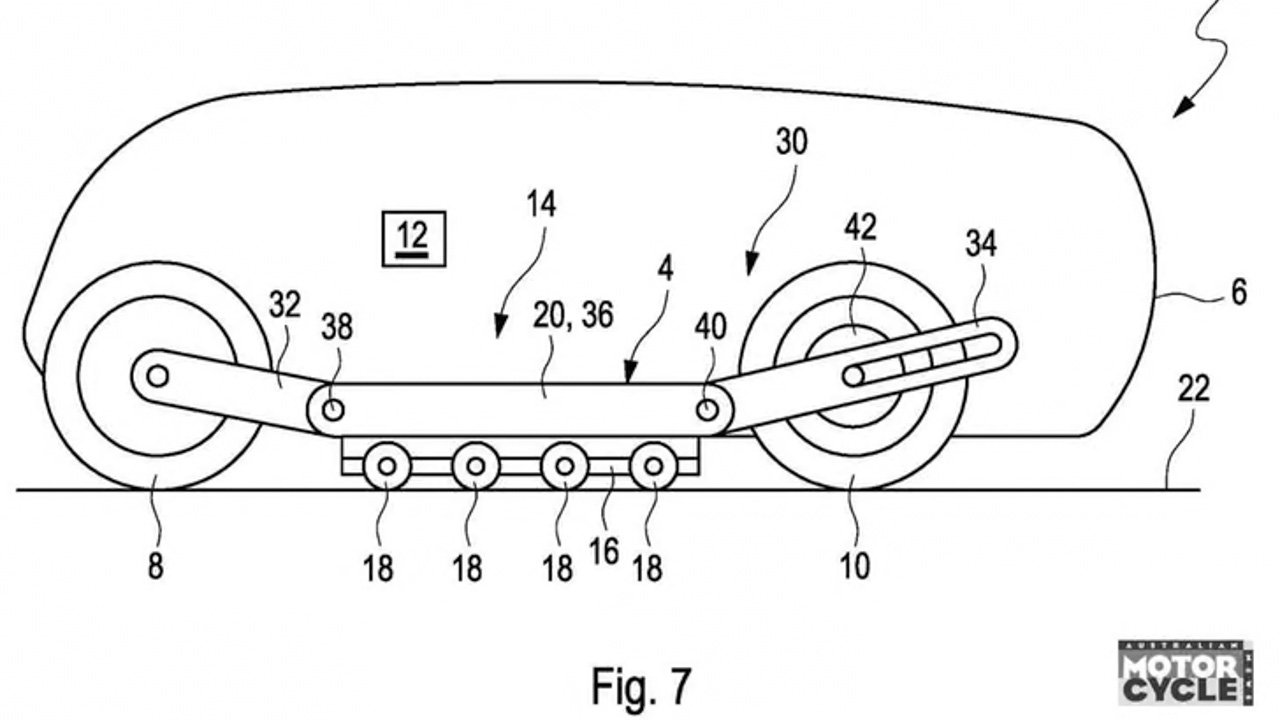
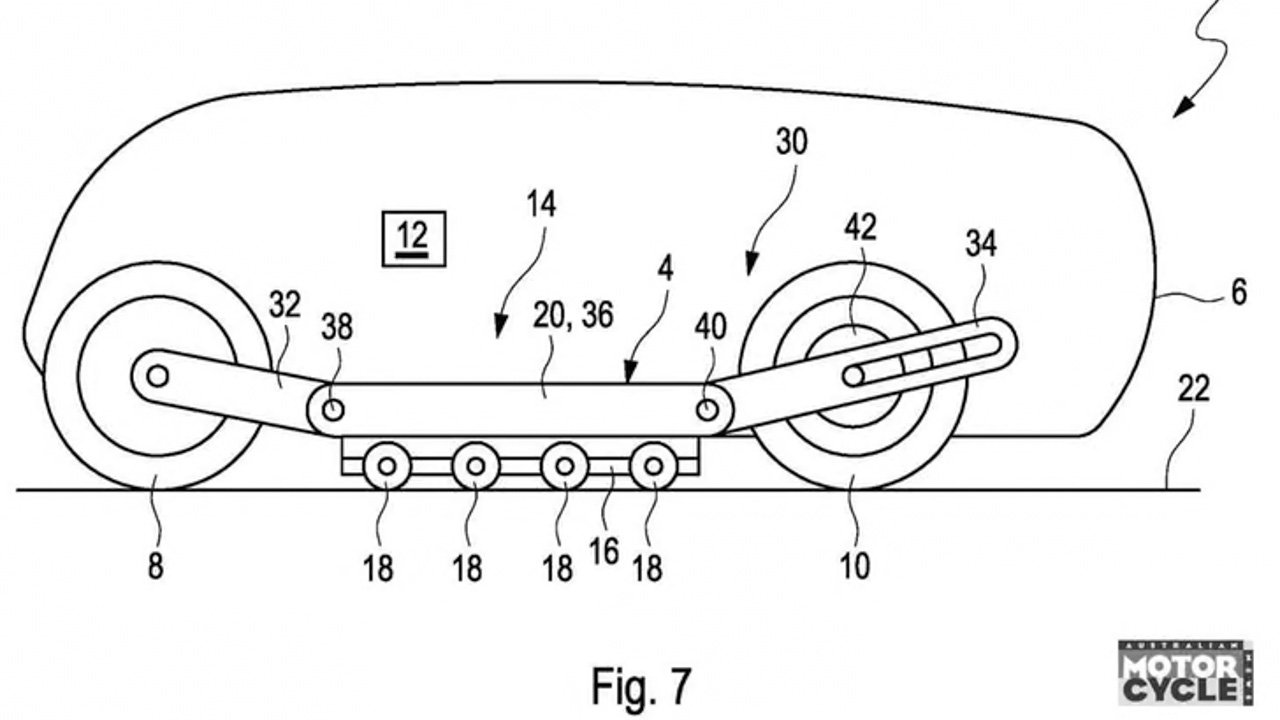
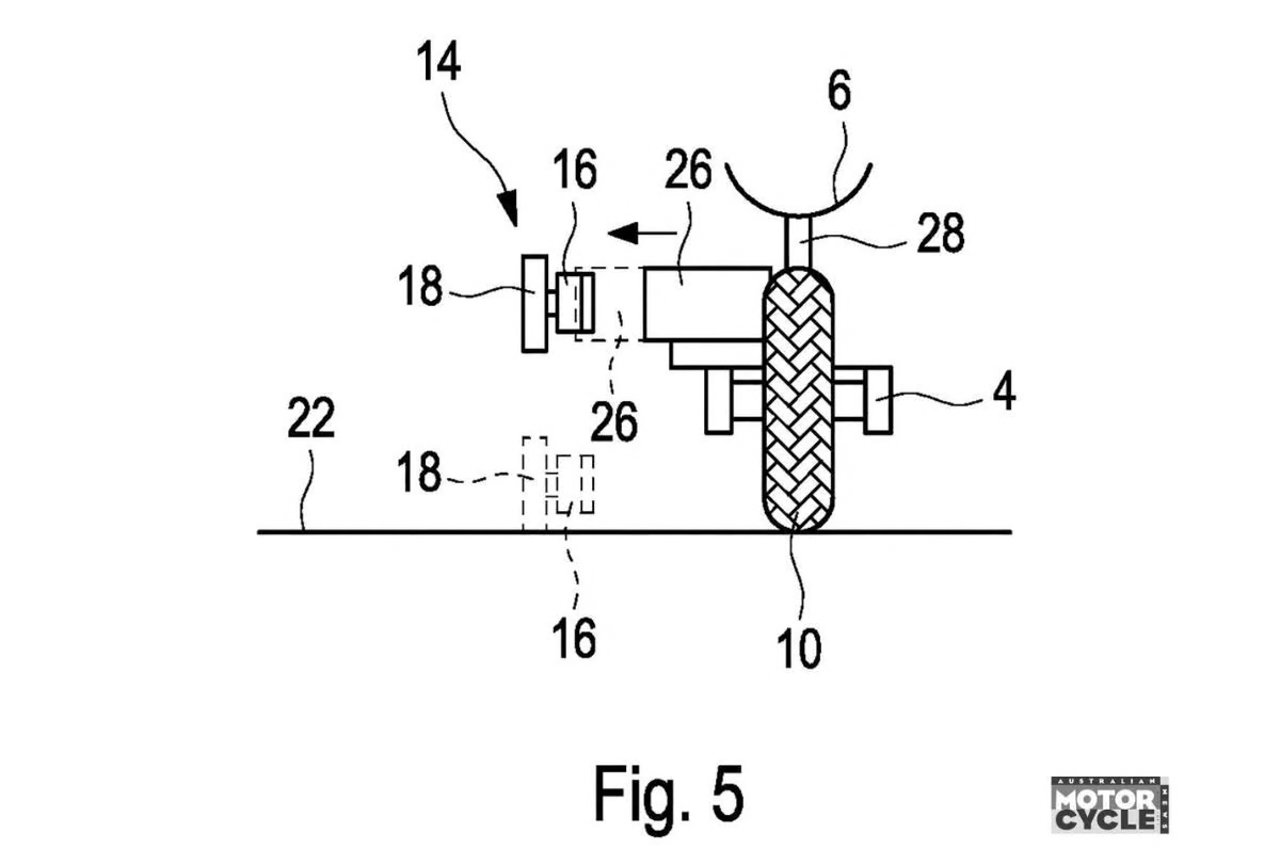
Although technical details are not available, the patent images provide some clues as to how BMW’s self-balancing motorcycle might work. The basic idea appears to be similar to that of the Perevus monoracer. Stabilizer side wheels are used that activate automatically when the vehicle slows down. At high speeds, the side wheels retract. This setup can be used for standard two-wheelers as well as vehicles with completely closed structure.
BMW’s enclosed self-balancing two-wheeler has a more compact design. Instead of using one large stabilizer wheel on each side, BMW’s self-balancing bike has four smaller wheels on each side. These stabilizer wheels are mounted inside the enclosed structure of the bike, making it a more practical option in real-life situations. These will work as part of an internal mechanism and will not create any surprises for other road users.
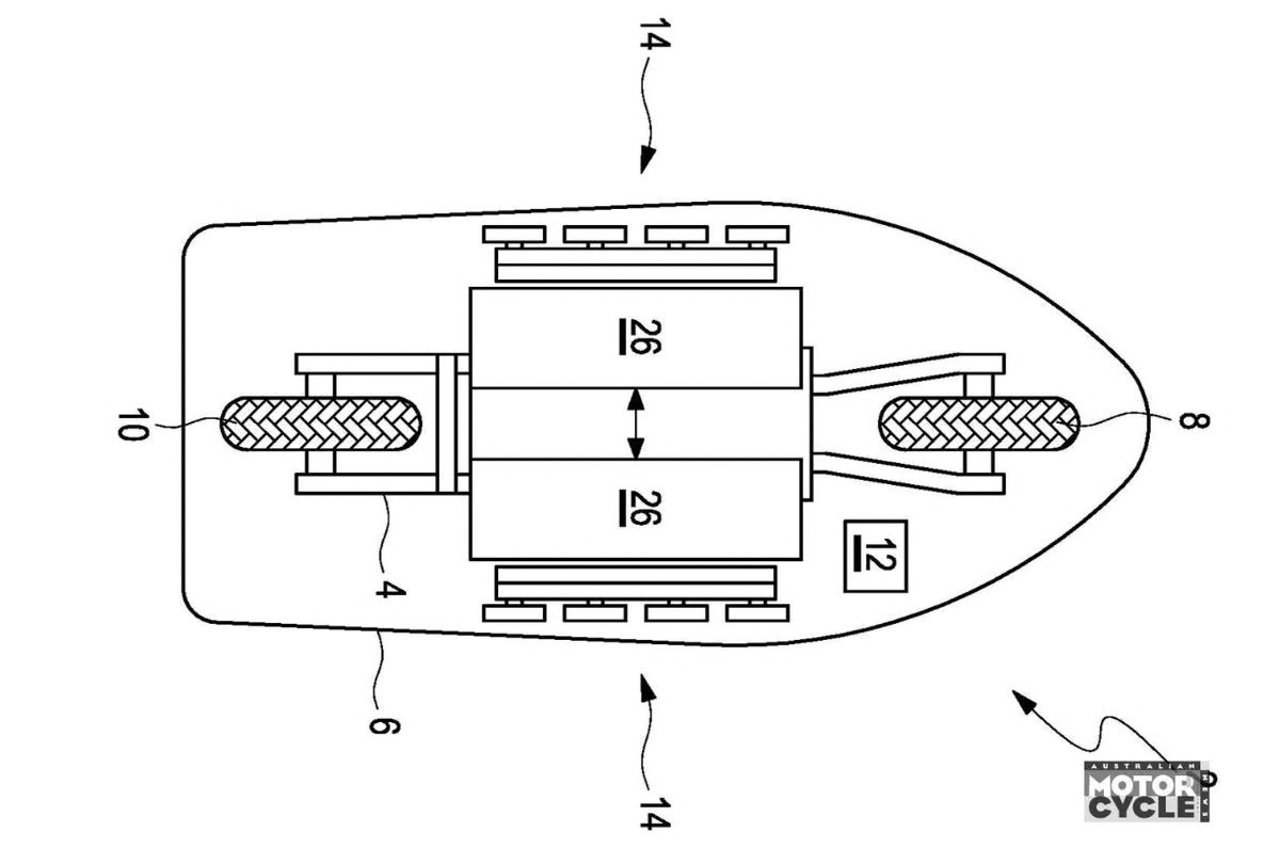
The patent images also show smaller wheel assemblies attached to the main wheels via metal arms. It offers possibilities such as a system that is actively adjusting height and angle. Small wheel assemblies can be designed to respond to factors such as speed, tilt angle, and inputs from balance sensors. The smaller wheel assembly is likely to have different speeds for deployment and retraction.
To make everything work, BMW’s self-balancing bike can use advanced devices like IMU sensors, speed sensors, and semi-active suspension logic. The small wheel assembly can be activated in specific situations such as when starting the bike from a stop, coming to a stop or when the system detects a potential fall risk. Using four stabilizer wheels on either side, the bike is also better equipped to tackle uneven surfaces.
Challenges for mass production
While self-balancing technology in two-wheelers may seem like magic, its commercial feasibility may be limited by factors such as high cost, limited practicality and availability of alternatives. Although BMW’s self-balancing technology seems to be more practical, it is not certain whether it will reach the production stage. Similar options like the Lit Motors C-1 are already available.
However, with an expected starting price of $32,000 (Rs 30.36 lakh), the Lit Motors C-1 has limited capacity to generate high volumes. BMW’s self-balancing technology may be more affordable, but it will still cost a premium. Simple solutions such as trike vehicles already exist and can be easily converted into fully enclosed units without the need for any self-balancing technology.