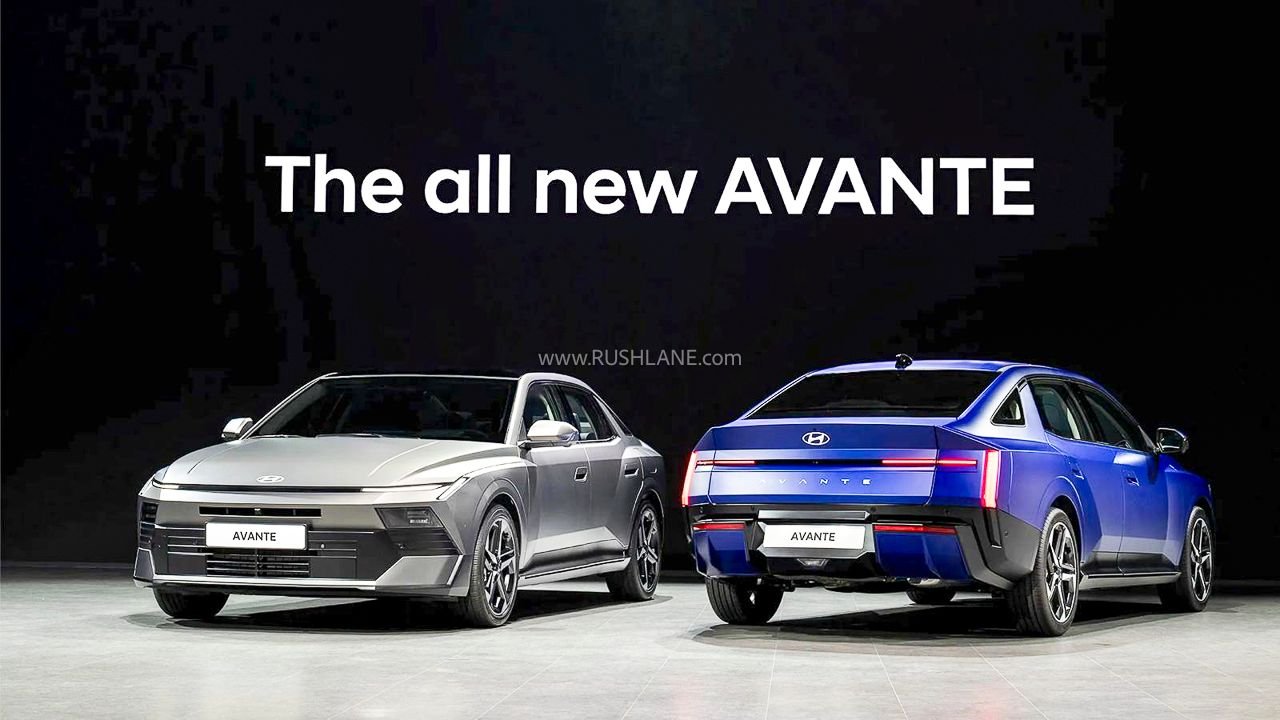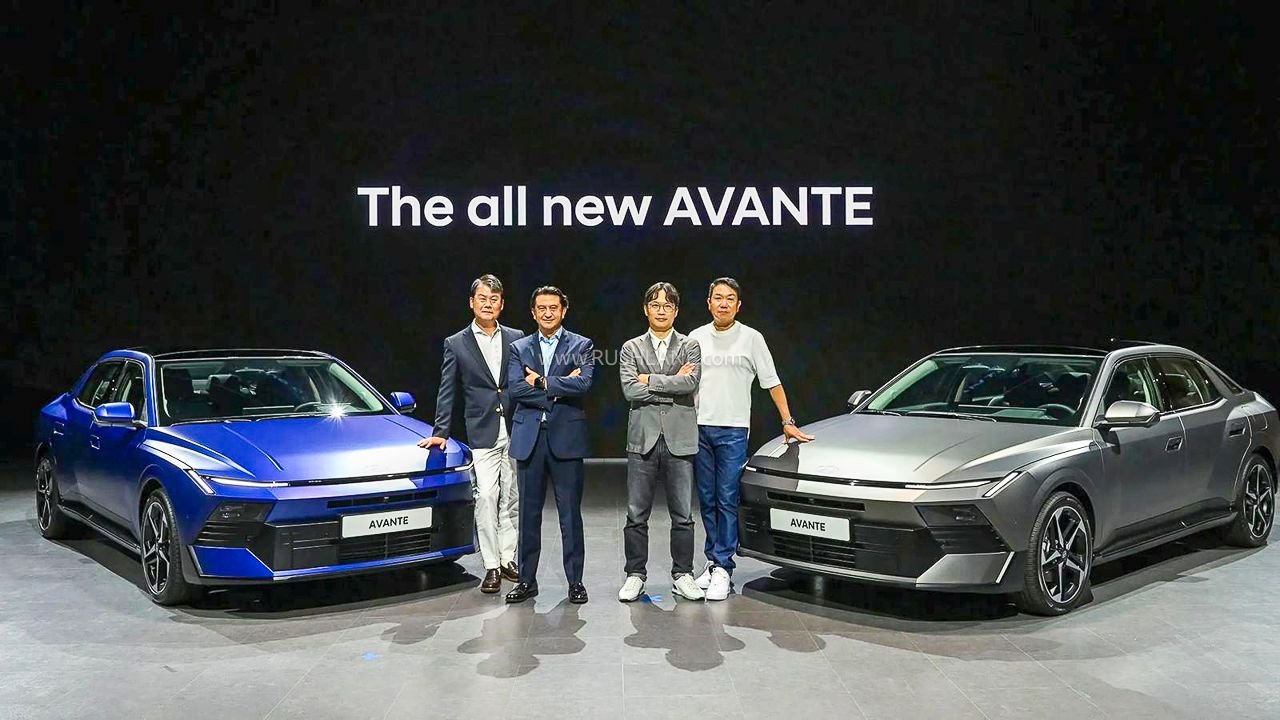
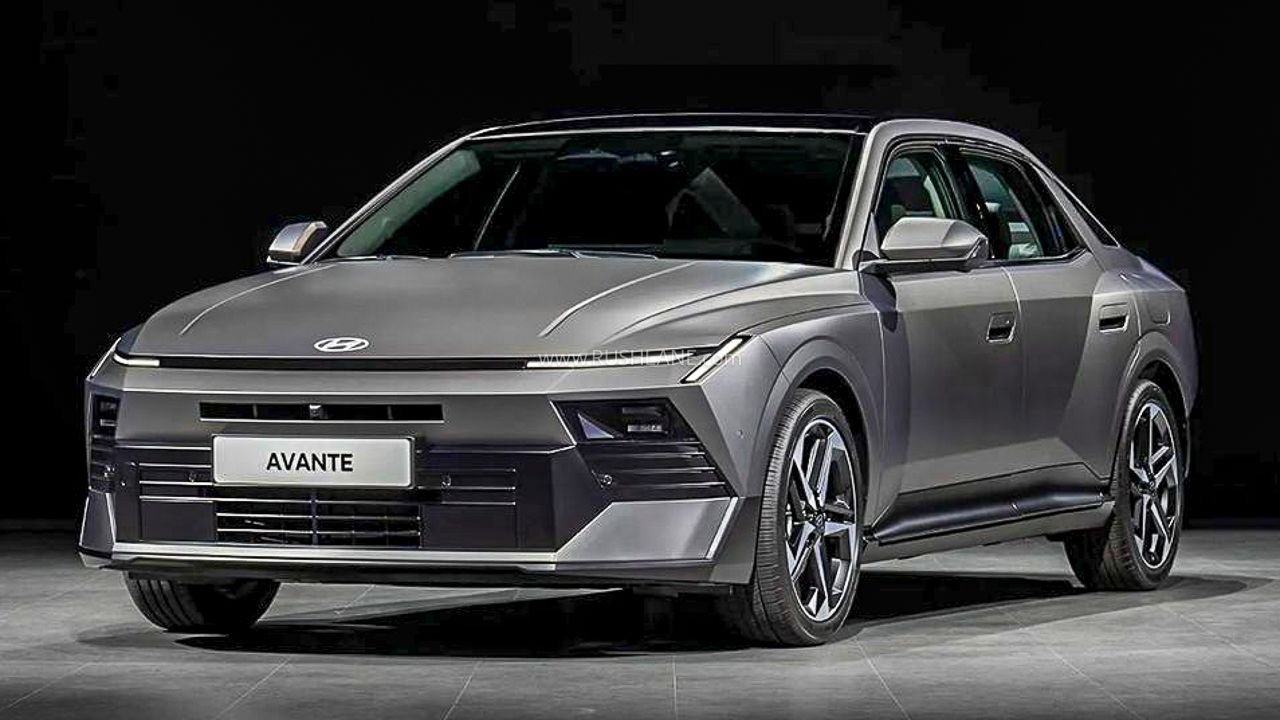
Hyundai has unveiled the all-new eighth generation Elantra, which is sold as the Avante in its home market of South Korea, at the 2026 Busan Mobility Show. The latest version of Hyundai’s compact sedan comes with an all-new design, larger dimensions, an upgraded cabin full of AI-powered technology and revised petrol and hybrid powertrains. The new Avante will go on sale in South Korea during the third quarter of 2026, with global markets expected to receive the Elantra in 2027.
Sharper design inspired by the ‘Art of Steel’
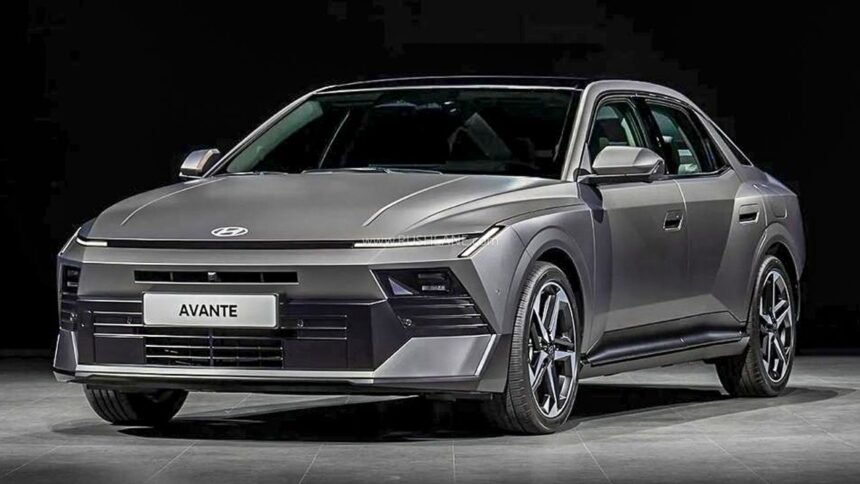
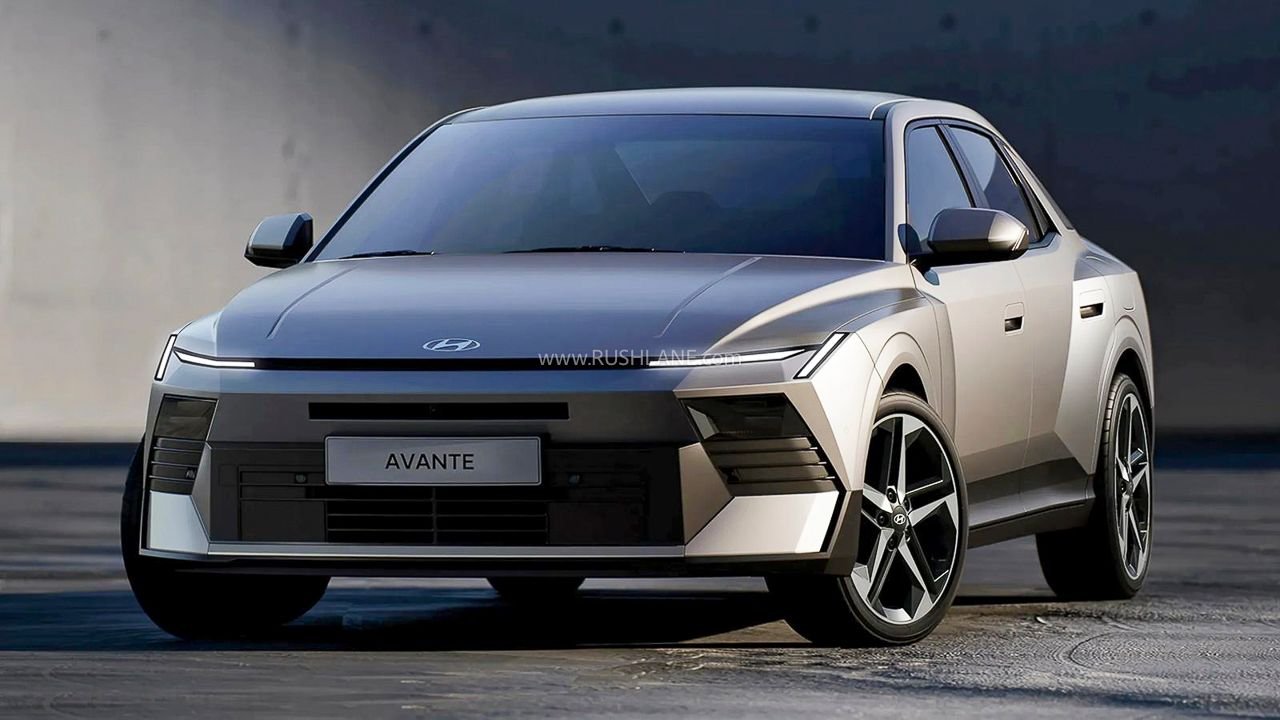
The new Elantra adopts Hyundai’s latest ‘Art of Steel’ design philosophy, giving the sedan a more robust and futuristic appearance than its predecessor. The front end features ultra-slim LED daytime running lamps, with the main headlamp units located lower in the bumper, forming a split-headlamp layout.
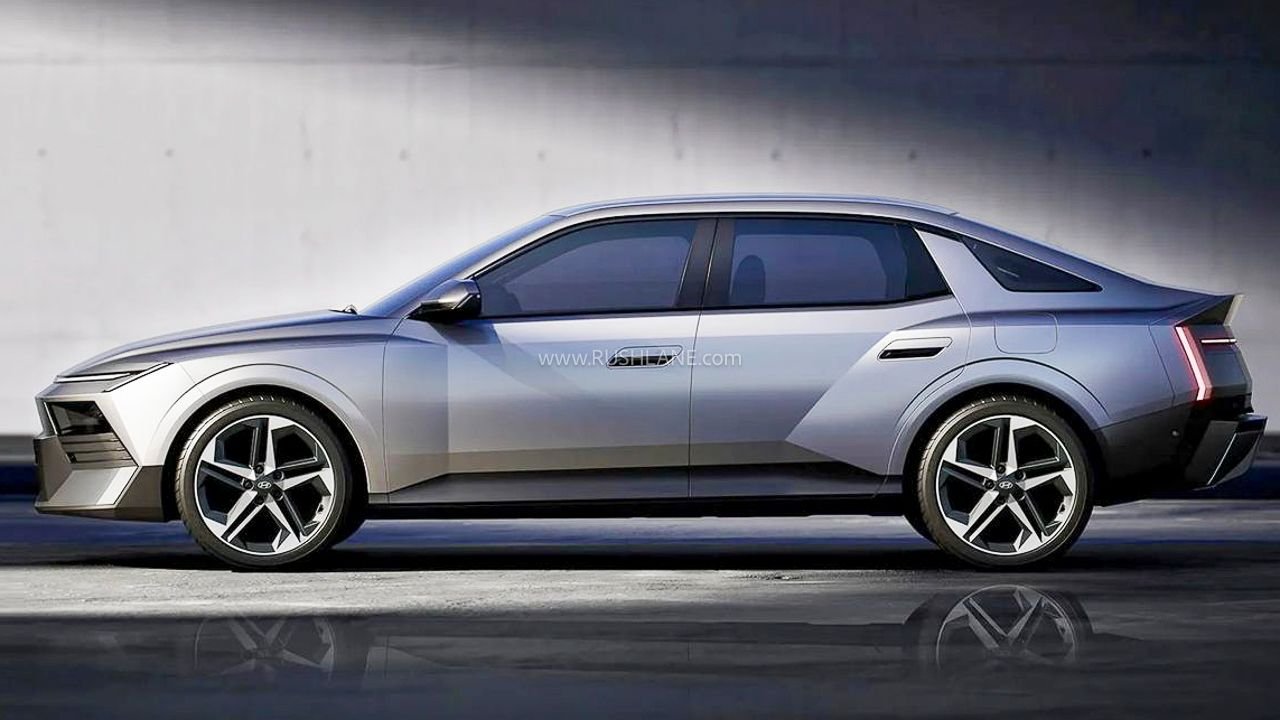
The profile is characterized by sharply sculpted wheel arches, flush-fitting door handles and an additional quarter glass behind the rear doors, giving the sedan a more premium and elongated silhouette. Hyundai has also redesigned the 18-inch alloy wheels with a new five-spoke pattern that complements the angular styling of the car.
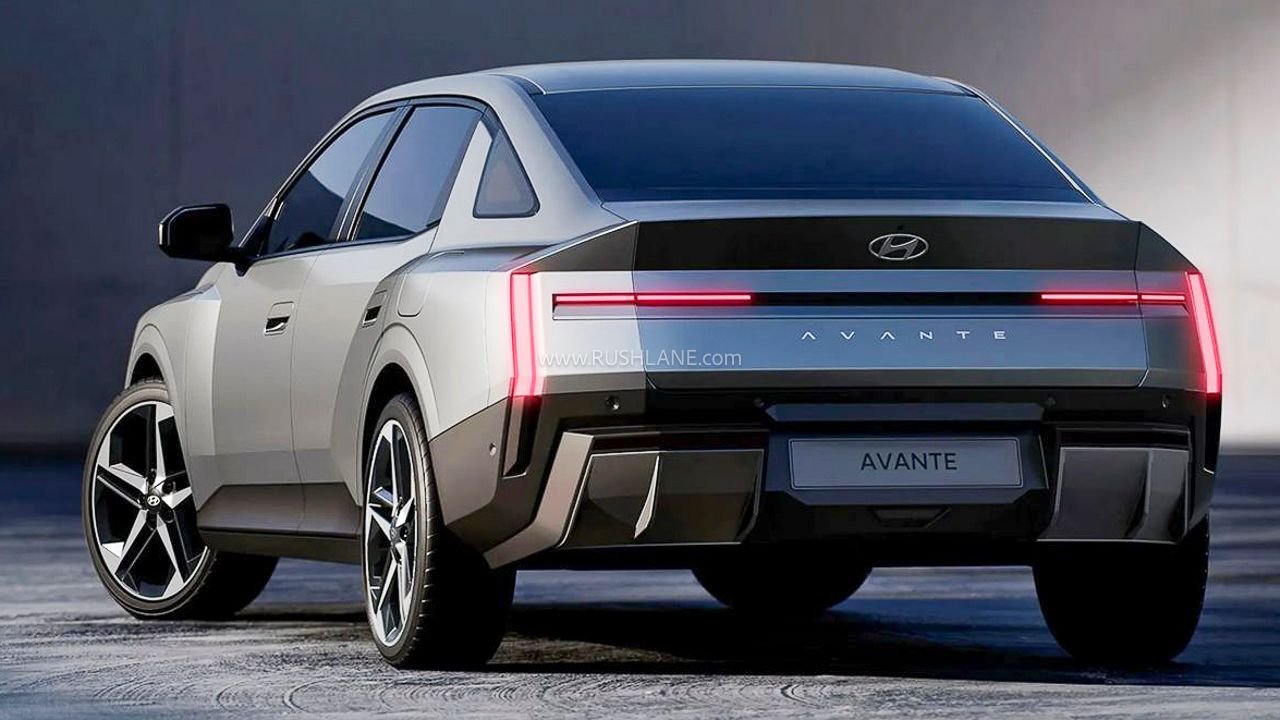
At the rear, the sedan gets a sporty lower bumper with H-shaped LED lighting signature, a wide ducktail-style integrated spoiler and diffuser-inspired styling. Hyundai will introduce new Elantra Six exterior color options and three interior themes.
bigger than before
The eighth generation Elantra is developed in almost every dimension. Overall length now stands at 4,765 mm, an increase of 55 mm, while the wheelbase has been extended by 30 mm to 2,750 mm. Width has also increased by 30 mm to 1,855 mm, while height stands at 1,425 mm. Hyundai says these changes provide interior space on par with a mid-size sedan like the Sonata, which especially benefits rear-seat passengers.
Premium cabin gets AI-powered Plios Connect
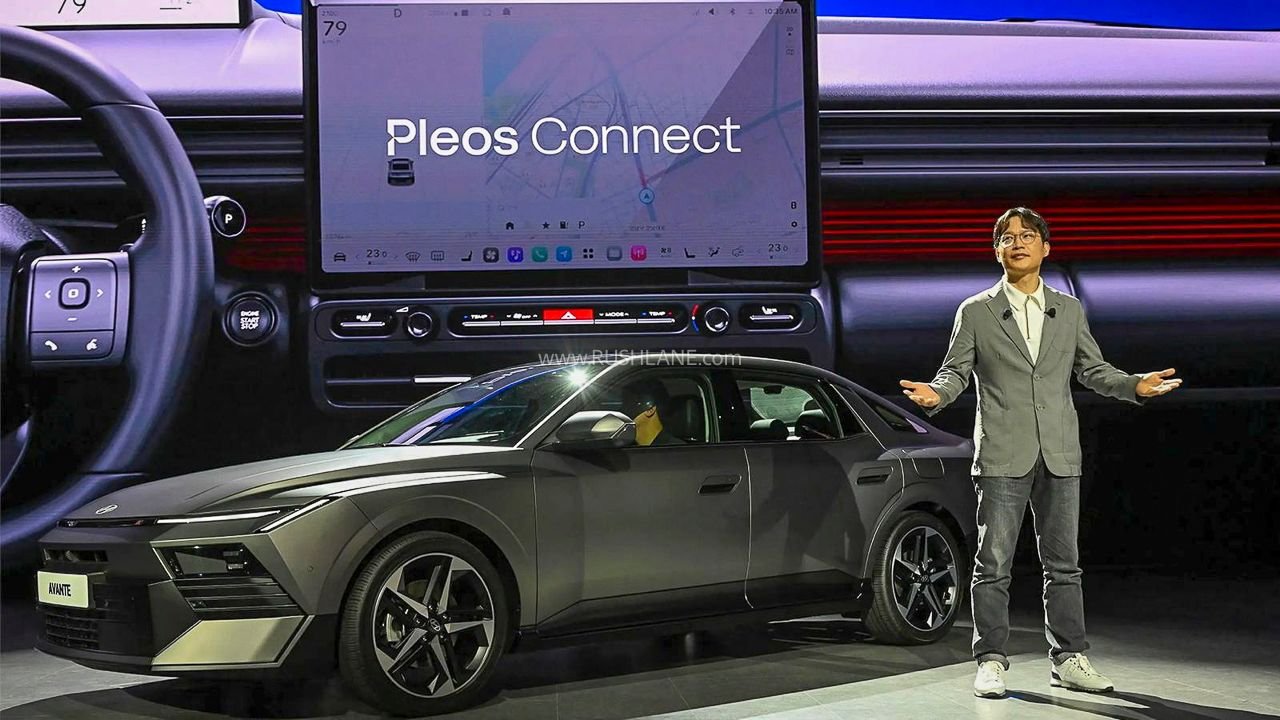
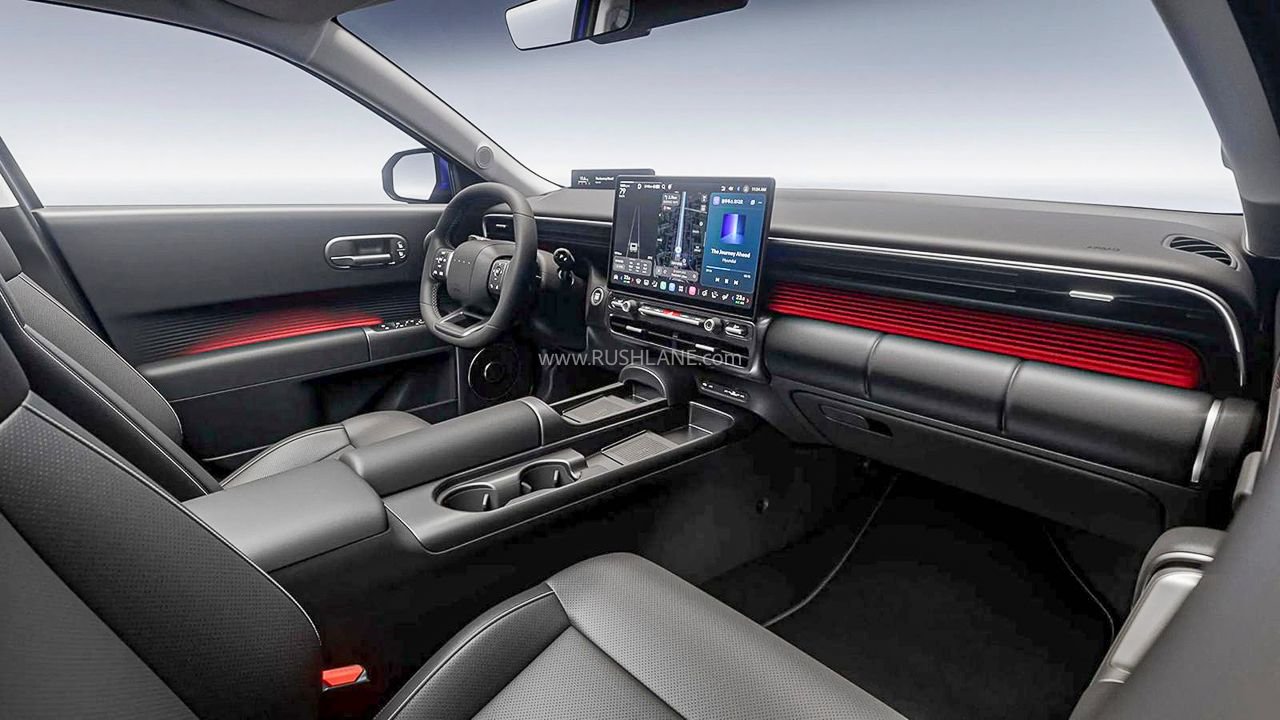
The cabin has been completely redesigned with a cleaner dashboard inspired by modern furniture and soft-touch materials. Hyundai’s new Plios Connect infotainment system running on an Android-based platform takes center stage.
Depending on the variant, buyers can choose between a 12.9-inch or 14.6 inch touchscreen. The system also features Glio AI, Hyundai’s new generative AI voice assistant that is capable of carrying on natural language conversations. The same AI system debuted on the recently facelifted Grandeur. Unlike many modern interiors, Hyundai has retained a row of physical buttons and rotary controls below the touchscreen for frequently used functions.
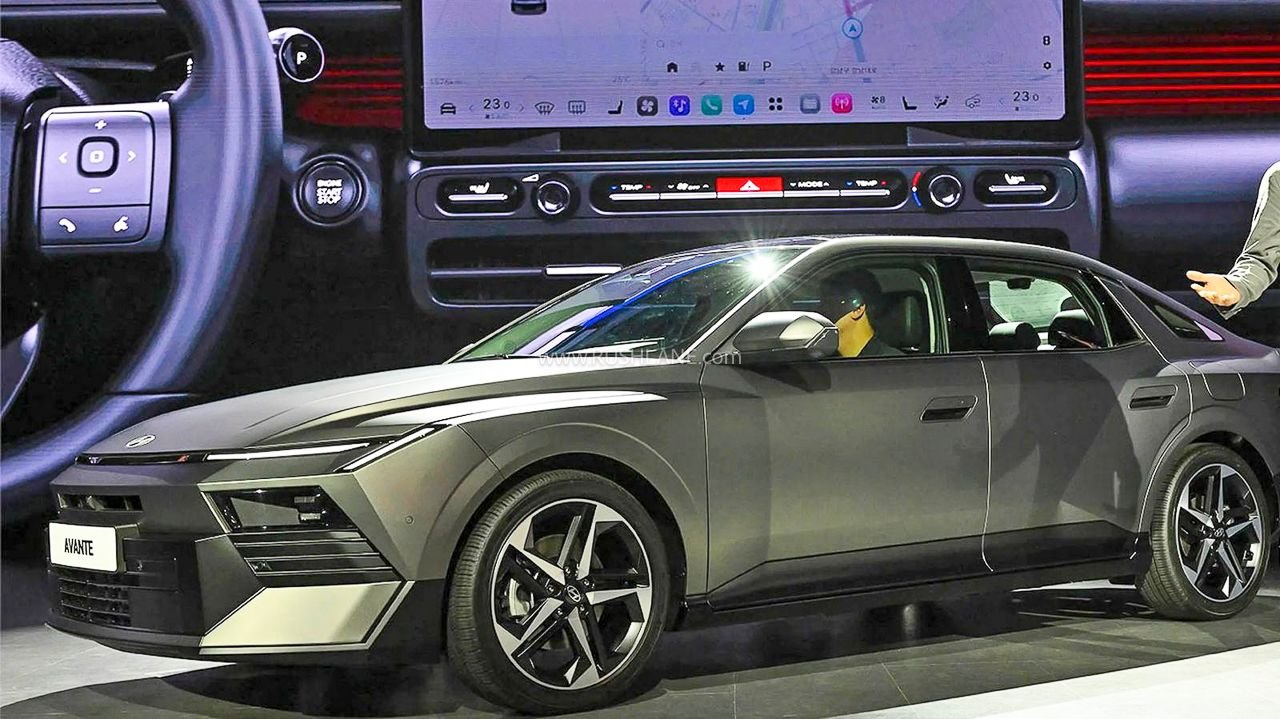
A slim digital instrument display sits close to the windshield, while the steering wheel now features Hyundai’s four-dot Morse code-inspired emblem instead of a traditional logo (like the Venue). The gear selector has moved to a steering-column-mounted stalk, freeing up the center console for additional storage and dual wireless smartphone charging pads. Other highlights include a Bang & Olufsen Premium Audio SystemBuilt-in dashcam, 100W USB-C fast charging port, ambient lighting and better storage solutions.
More security than ever
Hyundai has also upgraded the safety package significantly. The new Elantra offers 10 airbags along with an expanded ADAS suite that includes navigation-based Smart Cruise Control 2, Remote Smart Parking Assist, Memory Reversing Assist, Shift-by-Wire P-Mode Emergency Braking and Pedal Misuse Safety Assist, among other driver assistance technologies.
Updated petrol and hybrid powertrains
For the South Korean market, Hyundai will initially offer two powertrain options. The naturally aspirated 2.0-litre petrol engine now develops 147 hp, which represents an increase of approximately 26 hp compared to the previous model. Customers can also opt for a 1.6-litre self-charging hybrid, which combines a more efficient petrol engine, a larger battery pack and a more powerful electric motor to produce 155 hp.
The hybrid also benefits from Hyundai’s latest Smart Regenerative Braking 3.0 and a new hybrid hierarchical predictive control system, which uses navigation data to optimize battery usage and maximize fuel efficiency based on the planned route. one more The interesting addition is the stay modeThe petrol allows passengers to use air conditioning and infotainment systems while stationary using battery power alone, without the need to keep the engine running, similar to an electric vehicle.
The new Hyundai Avante will go on sale in South Korea during the third quarter of 2026, while global markets are expected to get the eighth-generation Elantra in 2027. Launch in India is unlikely.