
BYD (Build Your Dreams), the world’s leading electric car manufacturer, files about 30 to 45 patents every single working day. These patents vary in many styles of technology and design. One of BYD’s latest patents reveals an unusual engineering direction and perspective on vehicle ownership.
The latest patent focuses on detection to alert drivers about living organisms present under the car during the vehicle start process. These may include dogs, cats, monkeys or any other animal or bird. This introduces a certain ethical compass towards nature in vehicle ownership.
BYD gets patent for animal, bird detection under car
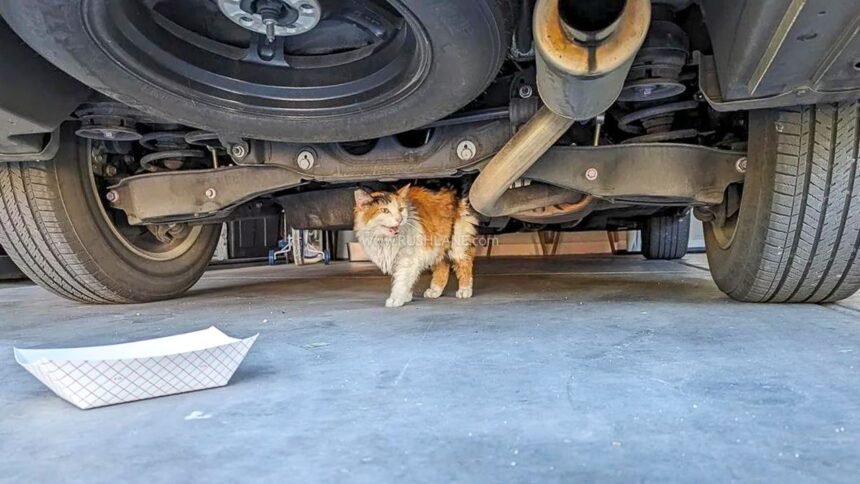
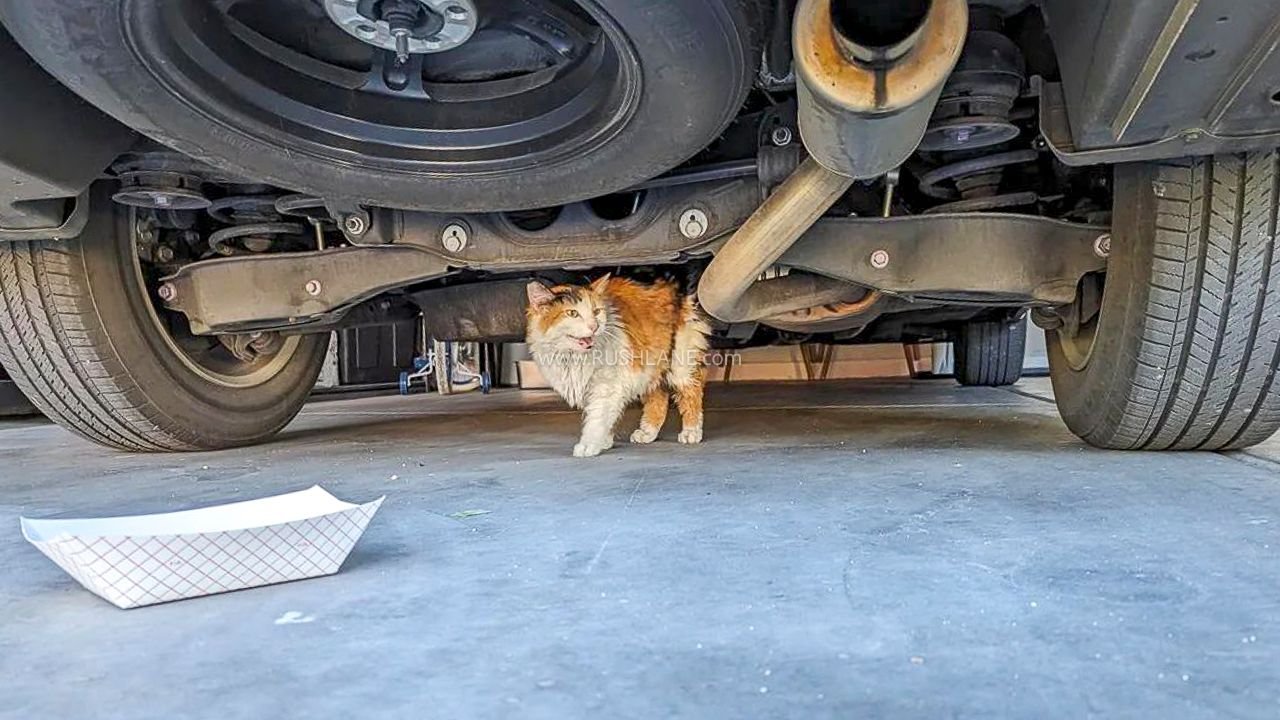
Many times animals like dogs and cats rest under a vehicle to protect themselves from heat and humidity or rain or snowfall. However, many times they are ignored by car users, who start the car and drive away without even noticing the animals or birds under their car.
This can cause great harm to those organisms and even cause casualties to people. To avoid these situations, BYD is working on an imaging system that will try to detect living organisms under the car’s body. BYD is using computer vision technologies to capture images of the car’s underside every time it stops after a drive.
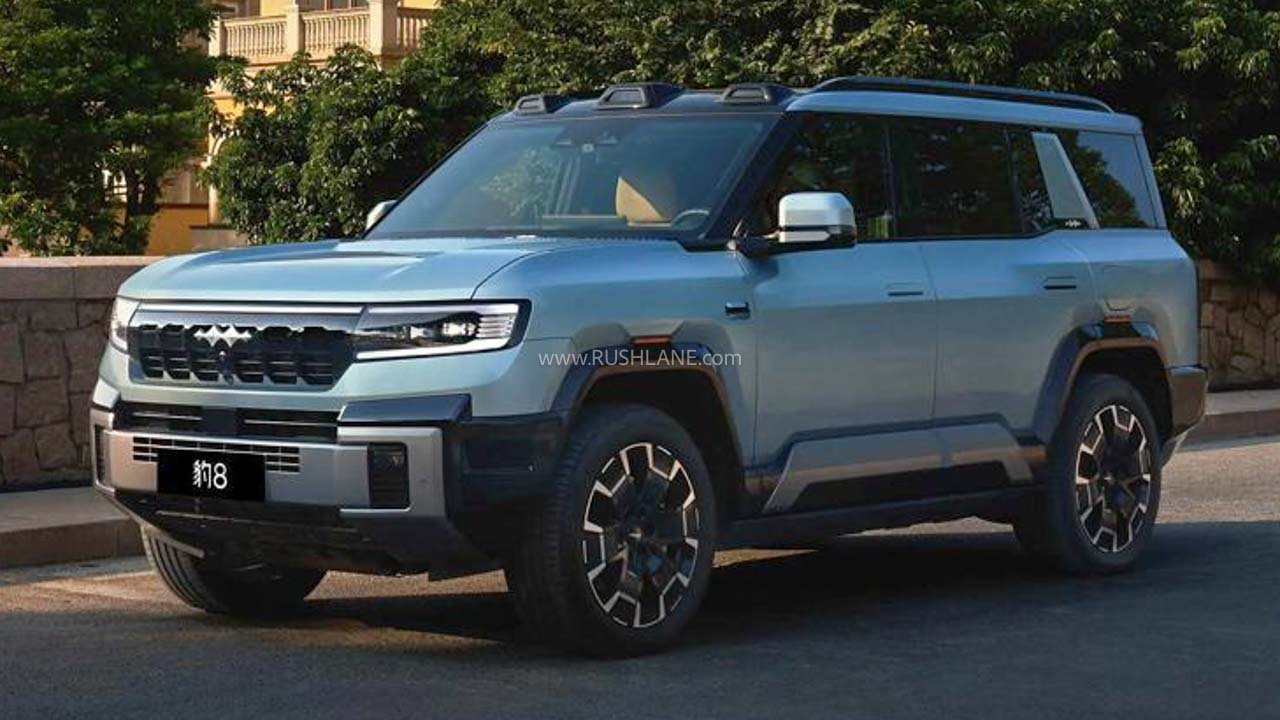
These images are stored onboard as reference points and the real-time images are compared to these reference images every time the car is operated. During the comparison, advanced calculations kick in and these images are analyzed in depth to identify newly discovered objects or any movement beneath the car.
When any activity or animal is detected, car users are told the situation and will be alerted accordingly. It is said that this imaging system is able to remove static components and detect only newly found objects, animals or birds compared to reference images.
How does this work?
Mapping and imaging the underside of a car can be challenging due to poor lighting, confusing shadows, varying road debris and dirt accumulation, and even varying road surfaces. Harmless environmental changes such as road debris and dirt have to be distinguished from the actual presence of animals or birds (or living organisms).
BYD appears to be using a two-step detection system, where it first identifies harmless environmental changes and then applies those findings and recognition algorithms to detect said targets (animals, birds, living beings, etc.).