
Chinese electric vehicle giant BYD has come under fresh scrutiny after being included in an updated list published by the United States Department of Defense in which the companies have been identified Alleged ties to China’s military-industrial ecosystem. This development has once again drawn attention to BYD’s global expansion plans, which also include its ambitions in India.
The updated Section 1260H list now includes 188 companies, up from 134 previously. Along with BYD, the list includes several major Chinese companies like Nio, Alibaba and Baidu. However inclusion on the list does not automatically impose restrictions Serves as a warning to US businesses and government agencies Regarding the potential risks associated with these companies.
What is America alleging?
According to the US Department of Defense, the list identifies entities believed to have ties to China’s military-civilian fusion strategy. The companies in the list are No allegations of direct military activitiesNor does inclusion imply detection of wrongdoing.
However, US law prohibits the Department of Defense By entering into direct contracts with the companies included in the list. The move is seen as part of Washington’s broader effort to reduce strategic dependence on Chinese technology and manufacturing firms. China has criticized the decision, with officials calling it discriminatory and infringing on national security concerns.
BYD rejected the allegations
BYD has expressed strong protest over its inclusion in the US Defense Department list. The company said in a statement that “Not a military enterprise” And this determination “seriously contradicts the facts.” BYD further said it will “actively protect its legitimate rights and interests through all possible administrative and legal means.” The company says its business operations focus on civil technologies including electric vehicles, batteries and renewable energy solutions.
Renewed focus on BYD’s India plans
The development is likely to draw attention from India, where BYD’s expansion plans have already faced regulatory hurdles. In 2023, Indian government rejected A proposed US$1 billion investment plan involving BYD and Hyderabad-based Megha Engineering & Infrastructure Limited (MEIL). The proposal aims to set up a local manufacturing facility and battery production operations in India.
Government officials at the time cited security concerns and the country’s revised foreign direct investment rules for neighboring countries. Commerce Minister Piyush Goyal had also indicated that investments from countries sharing land borders with India will continue to face tough scrutiny. While BYD continues to sell vehicles in India through its existing operations, the company has not received approval for large-scale manufacturing investments similar to those previously proposed.
BYD continues operations in India
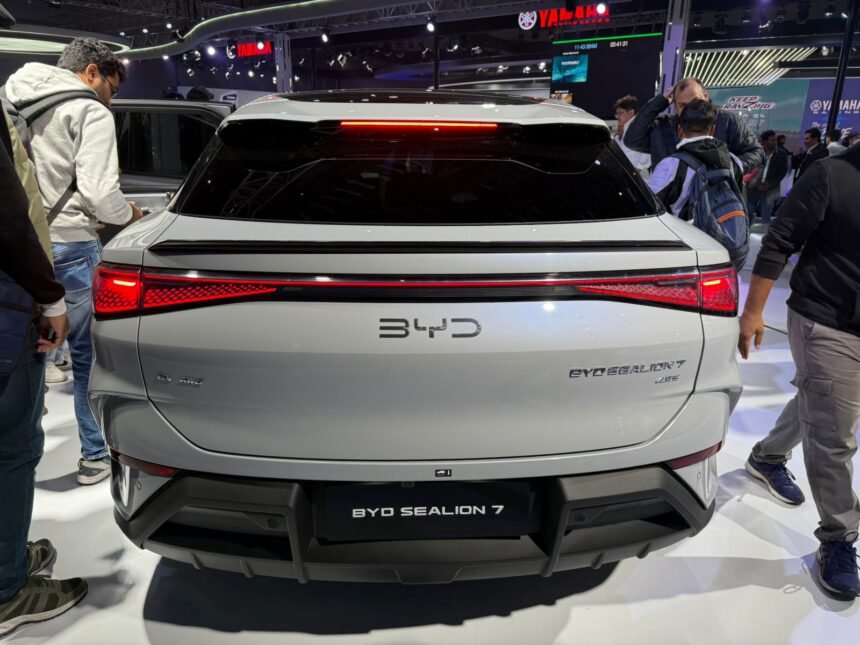
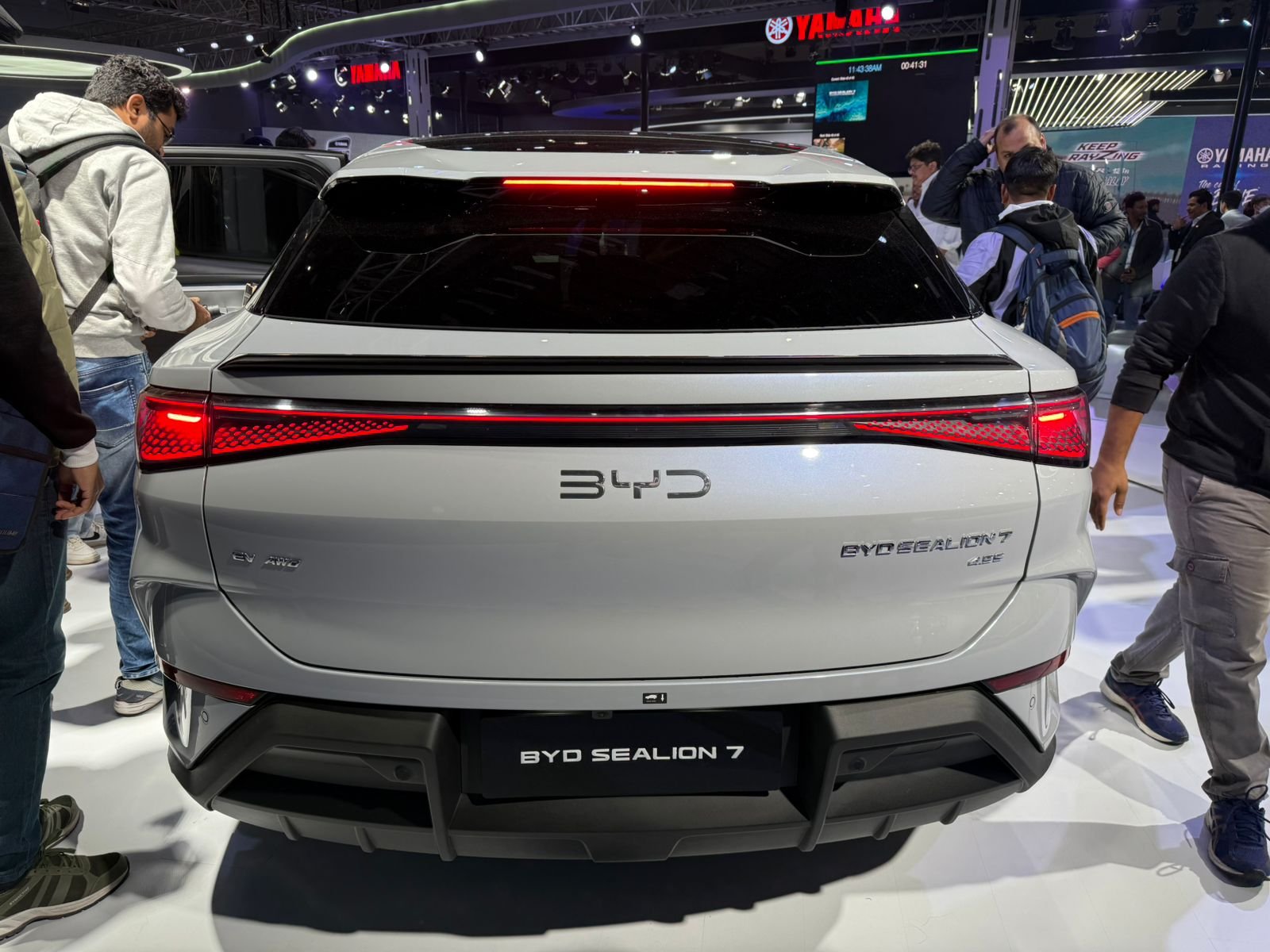
Despite the investment setback, BYD remains active in the Indian market. The company currently assembles vehicles locally and sells models such as the Sealed, Sealed 7, Atto 3 and eMax 7. Recently, BYD introduced its DM-i plug-in hybrid technology in India, signaling its intention to expand its technology footprint in the country. However, the lack of approval for a dedicated manufacturing facility means BYD’s growth strategy in India is more limited than many global rivals that have set up large-scale production operations.
Could this affect BYD’s future in India?
There is no indication that the latest US decision will have a direct impact on BYD’s existing operations in India. However, the timing is noteworthy, as India has already taken a cautious approach towards major Chinese investments in strategic sectors including electric vehicles and battery manufacturing.
BYD’s inclusion in the US Defense Department list is unlikely to lead to an overnight change in Indian policy. Still, it may reinforce existing concerns among policymakers as India continues to balance the need for EV investments with national security considerations. For now, BYD remains one of the World’s largest EV manufacturer And growth continues on a global scale. But its long-term manufacturing ambitions in India may face tougher scrutiny than many of its international competitors.