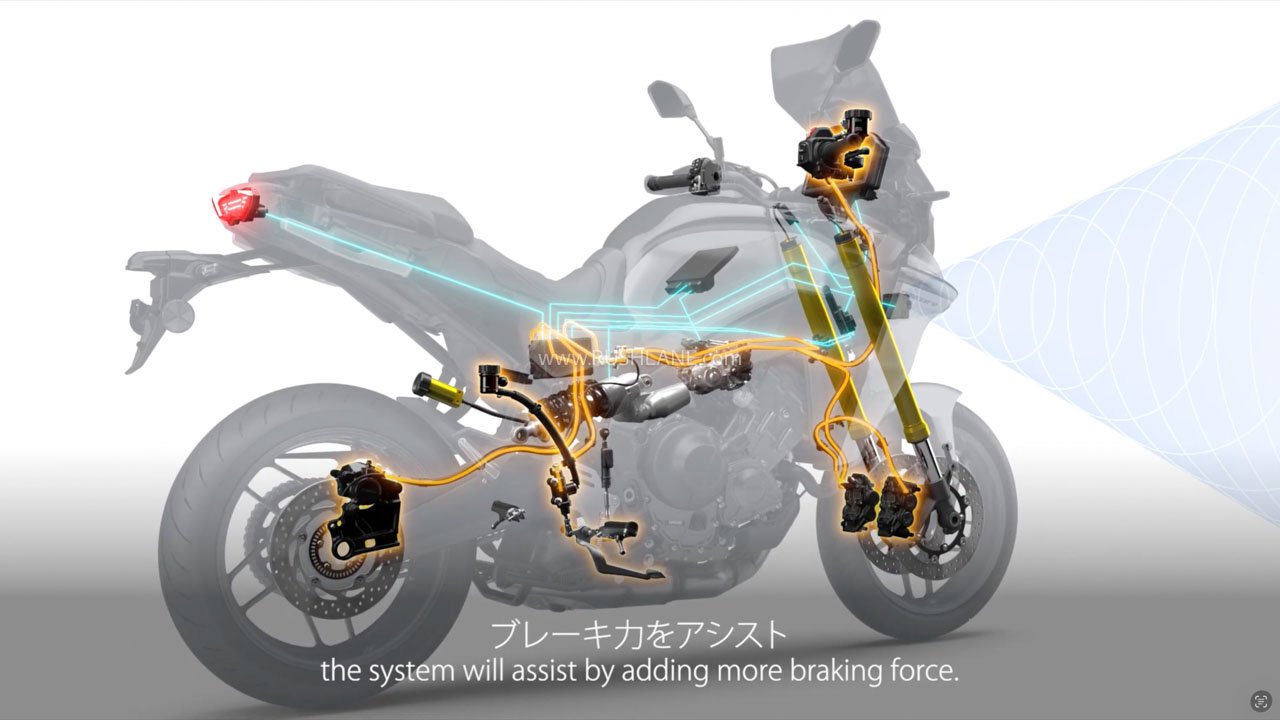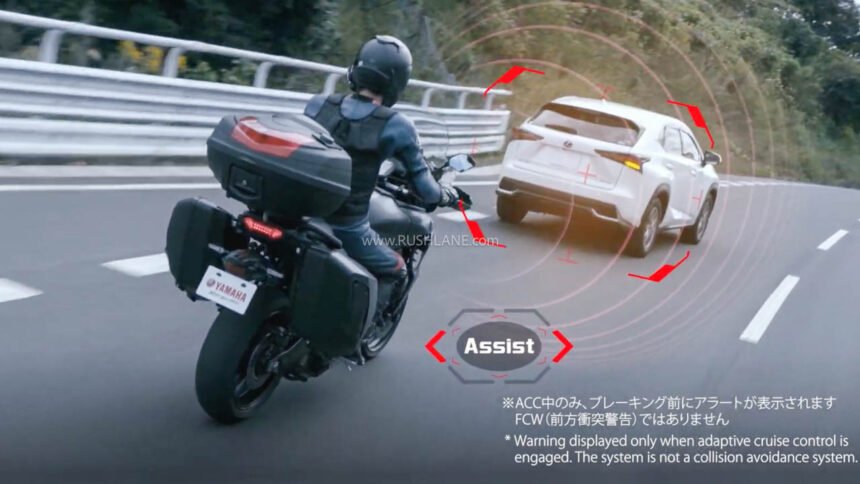
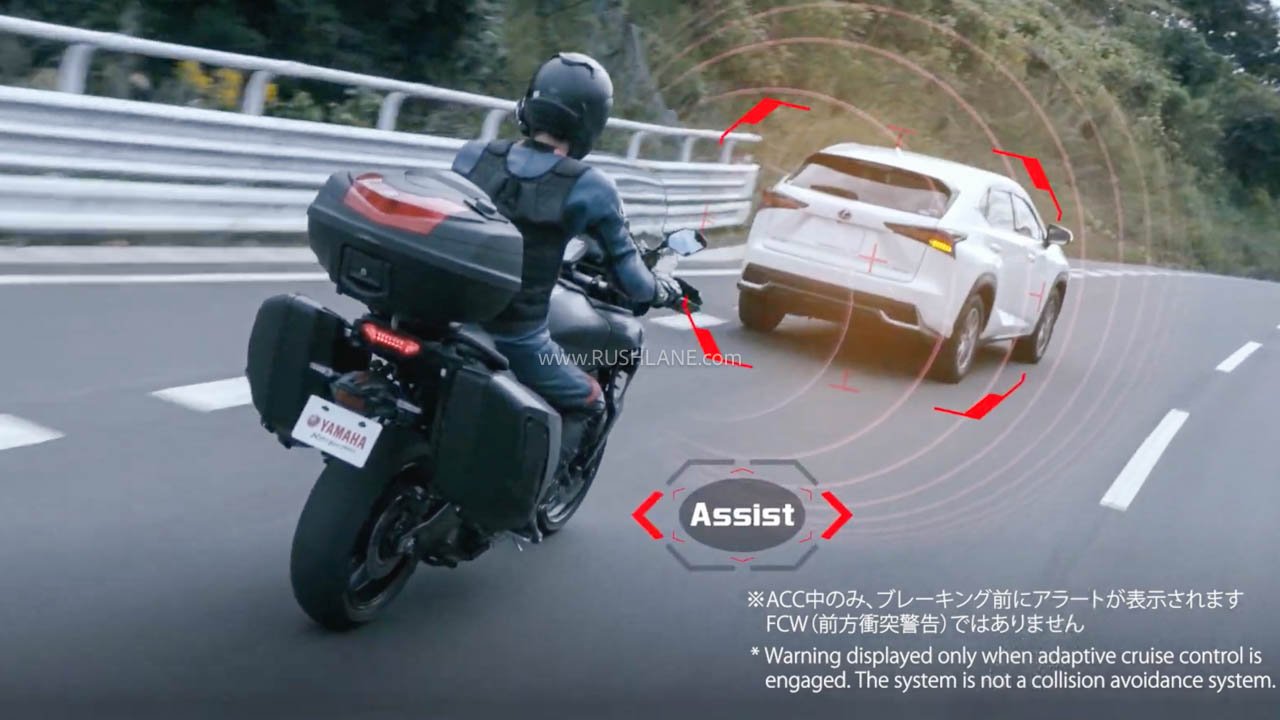
Yamaha’s new Automated Adaptive Cruise Control (ACC) essentially combines its existing manual ACC with its Automated Manual Transmission (AMT).
To power its future growth story, Yamaha is working on various innovations and technologies. This includes AI bikes and hydrogen-powered two-wheelers. Safety is another focus area, evidenced by a recently filed patent for automated adaptive cruise control.
Yamaha Automatic Adaptive Cruise Control – How does it work?
Automatic adaptive cruise control is quite common in today’s modern cars. However, achieving this in a two-wheeler is a bit more complicated. When ACC is activated in a car, the vehicle can slow down smoothly while maintaining stability on all four wheels. The seat belt ensures that passengers do not experience any significant force or discomfort during the process.
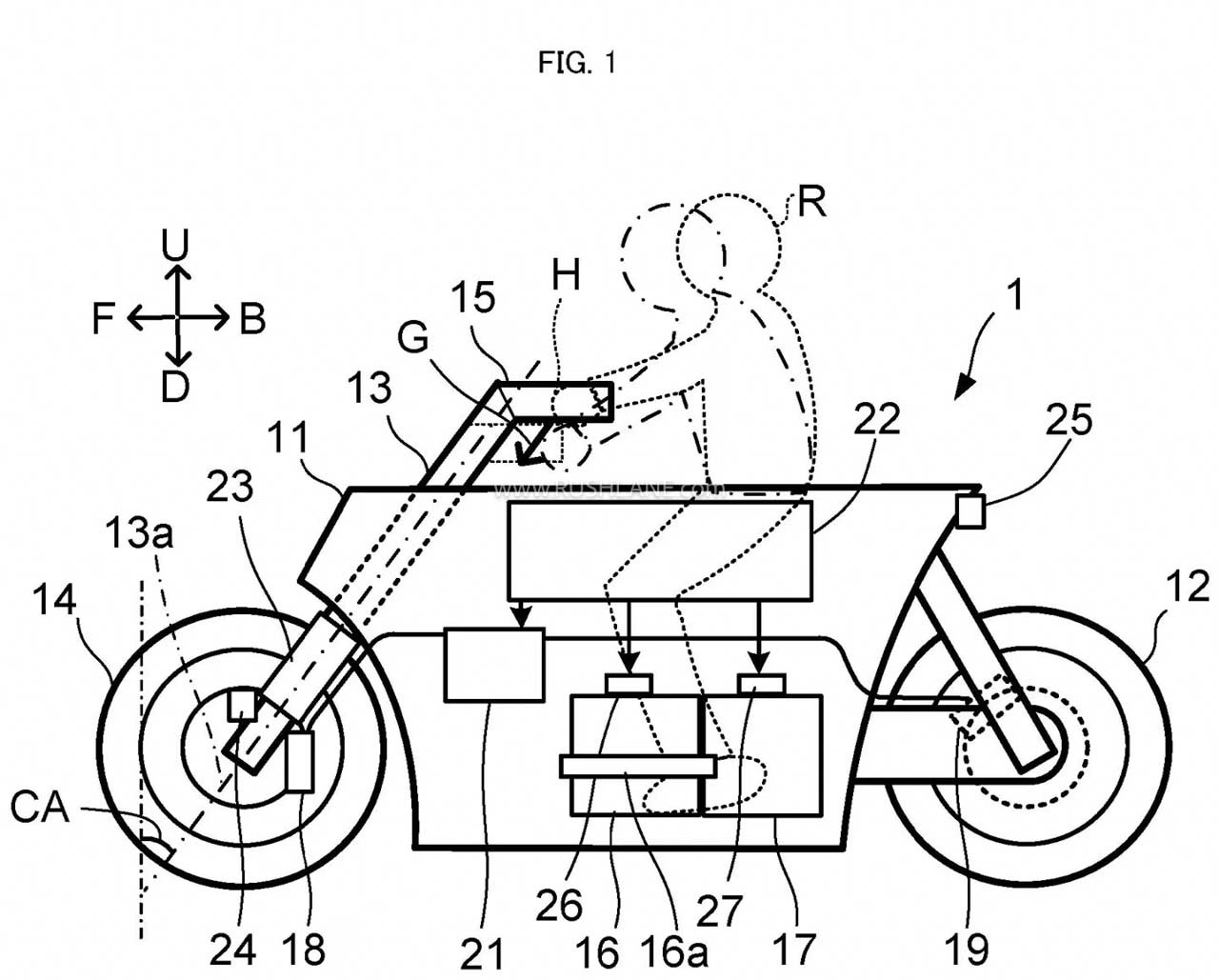
In a two-wheeler, the lack of seat belts and four wheels can make automatic ACC a challenging experience. Yamaha’s automatic ACC is different because it uses a different algorithm that recreates the actions of an experienced rider. The patent reveals that Yamaha’s automated ACC actively controls everything from braking actions to throttle, gear shift and electronic suspension.
To make it work, Yamaha has used a combination of its manual ACC and Y-AMT (Yamaha Automated Manual Transmission). Vehicle control logic flowchart reveals the step-by-step process of how everything works. In the basic scenario when the front radar detects a slow vehicle ahead, the ECU works to smoothly reduce the electronic throttle.
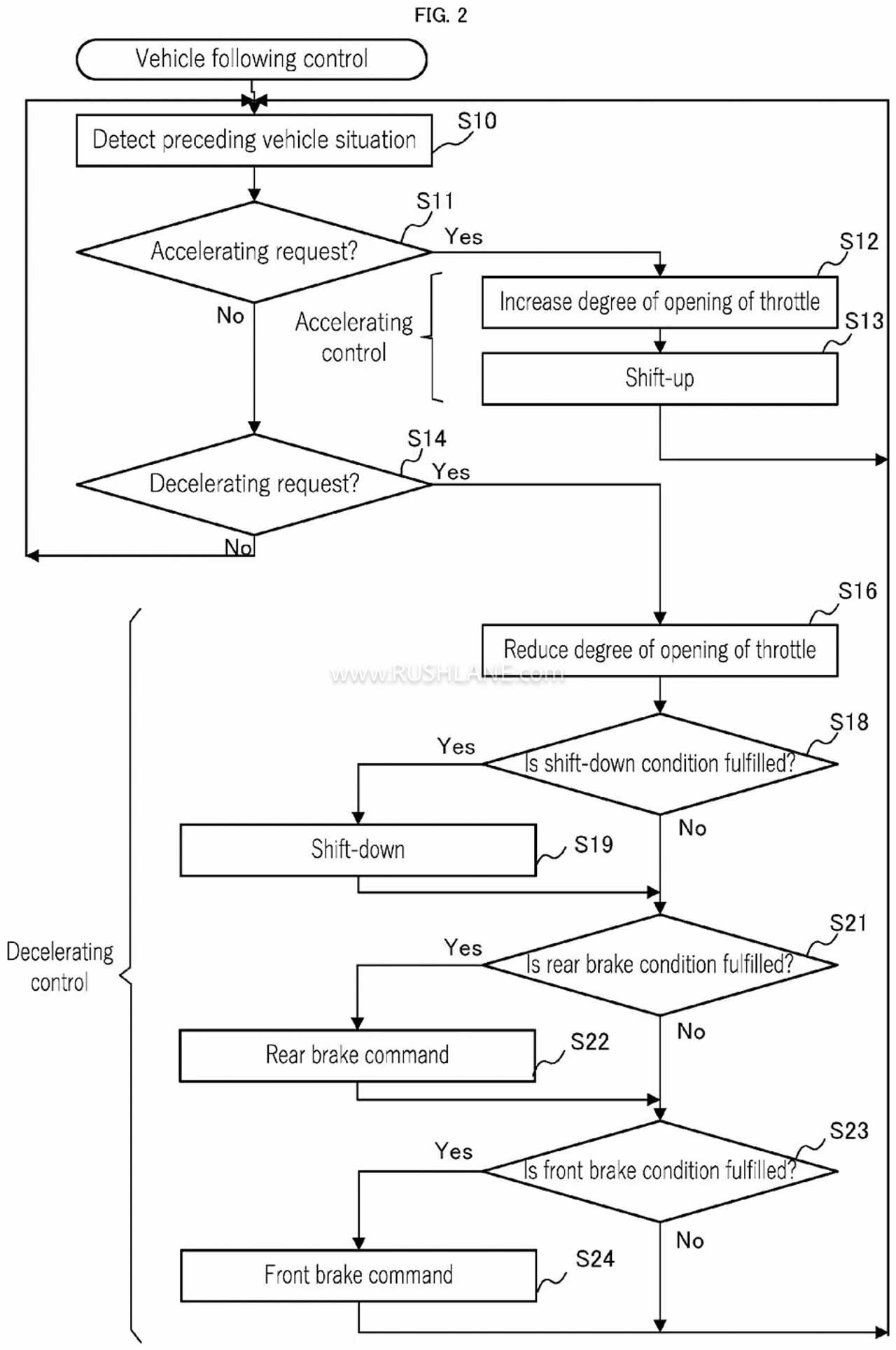
Simultaneously, Y-AMT is activated and starts changing gears and applying clutch action. In such a situation, without AMT the engine of the bike will stop. Engaging gears provides braking action as well as additional stopping power. These systems working together ensure that the bike decelerates smoothly and avoids any sudden acceleration.
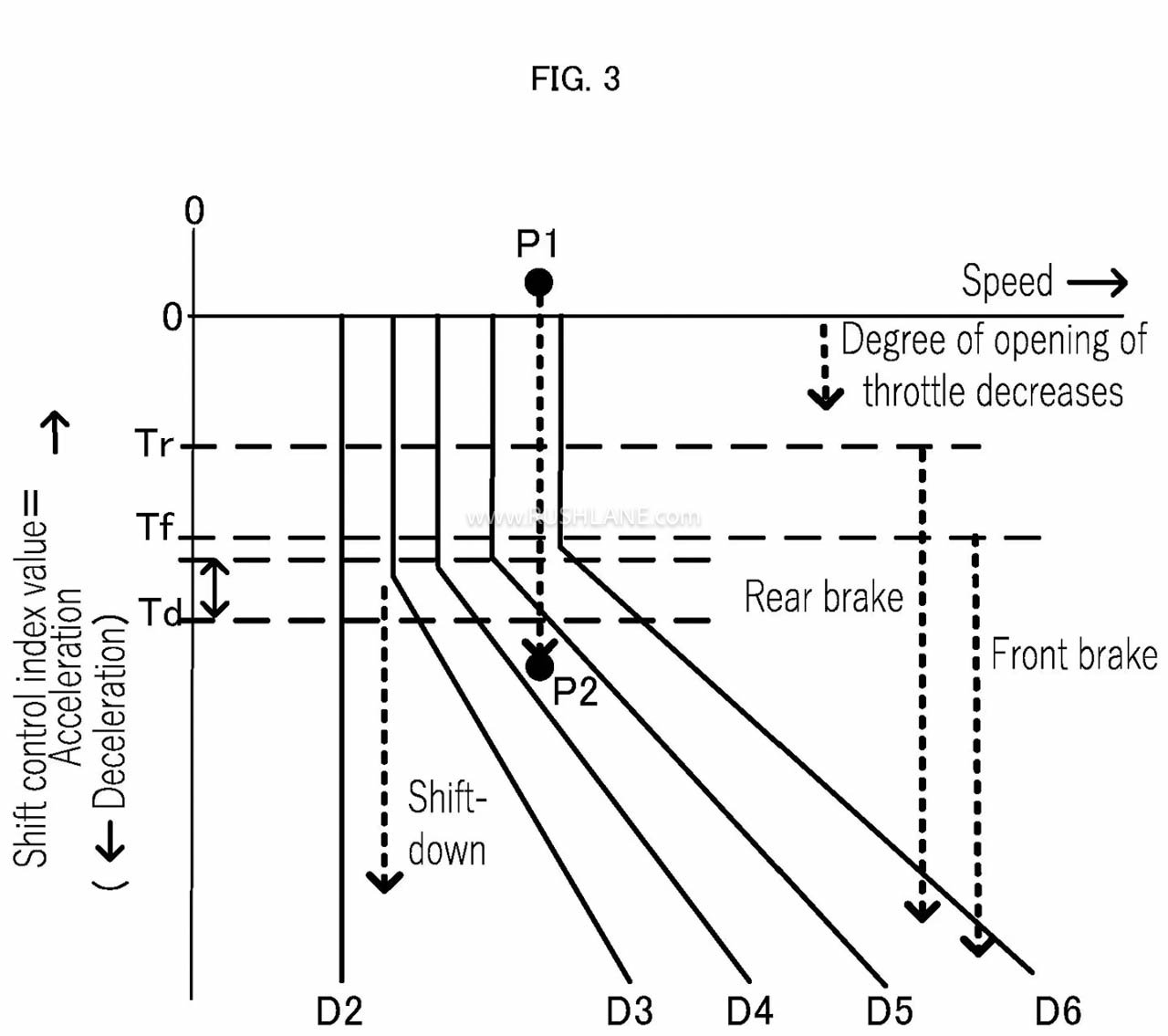
In situations where more stopping power may be required, Yamaha’s Automatic ACC uses a combination of the front and rear brakes. Additionally, the system also stiffens the semi-active front electronic suspension. This helps prevent front-end plunge. With smooth deceleration, the rider is also less likely to panic in a rapidly developing situation.
Useful, but possibly expensive
Yamaha’s automatic ACC for bikes can make a significant contribution to improving rider safety. However, this feature is likely to be an expensive upgrade. This is especially true at a time when the technology is relatively new in the world of two-wheelers. Over time, it is possible that features like automatic ACC may be introduced with Yamaha bikes in the mid-tier and above ranges.
The new security systems will also help achieve compliance with stricter security norms that may be implemented in the future. Similar ACC systems are available with bikes like the Ducati Multistrada V4 and the BMW R 1300 GS. However, these have controlled braking action for specific scenarios. The rider is required to take control of braking in sudden situations or when strong braking is required. With Yamaha’s automatic ACC, the rider will only need to focus on steering and balancing the bike.