
The third generation Creta shifts to the all-new K3 platform, which unlocks better driving dynamics and enhanced safety
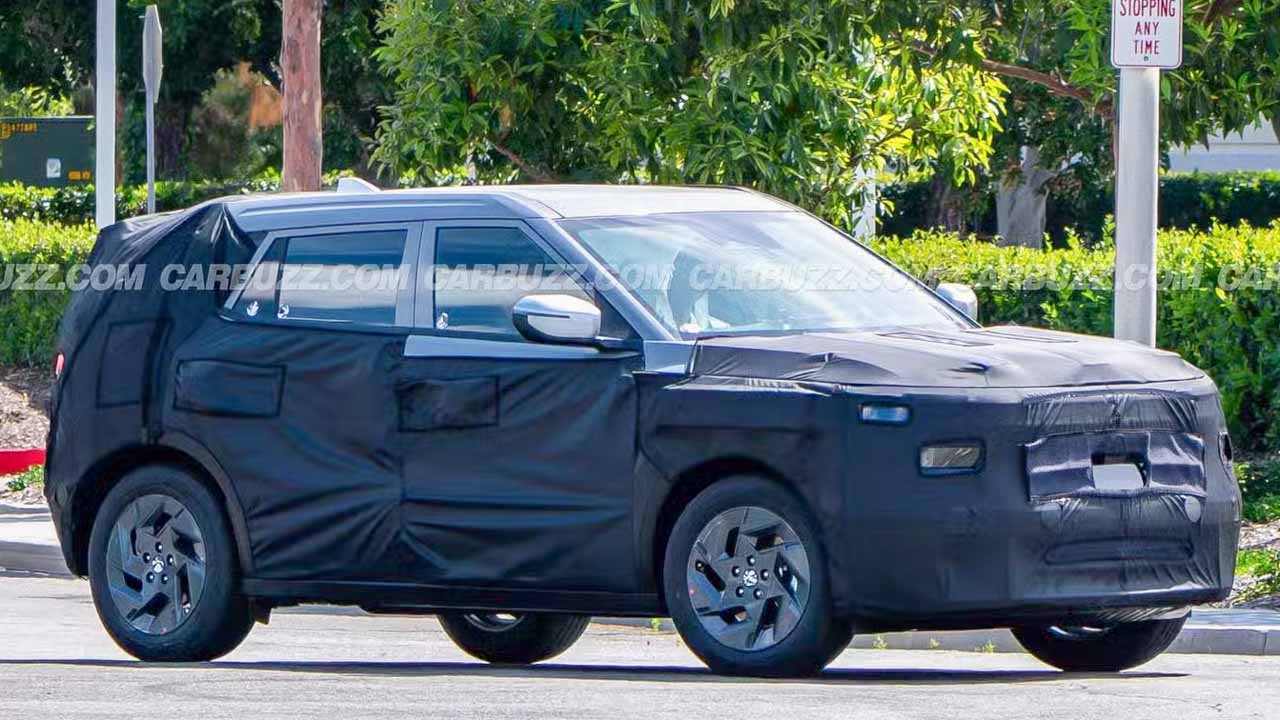
Even with many rivals over the years, Hyundai Creta remains a bestseller in the 4.2m – 4.5m compact SUV segment. Hyundai is working on the new generation Creta, which is expected to further improve the ownership experience in many areas. Ahead of its launch in 2027, test mules have been spotted frequently in recent months. The latest spy shots from USA reveal the road presence and other details of the SUV. let’s take a closer look.
Third generation Hyundai Creta – what’s new?
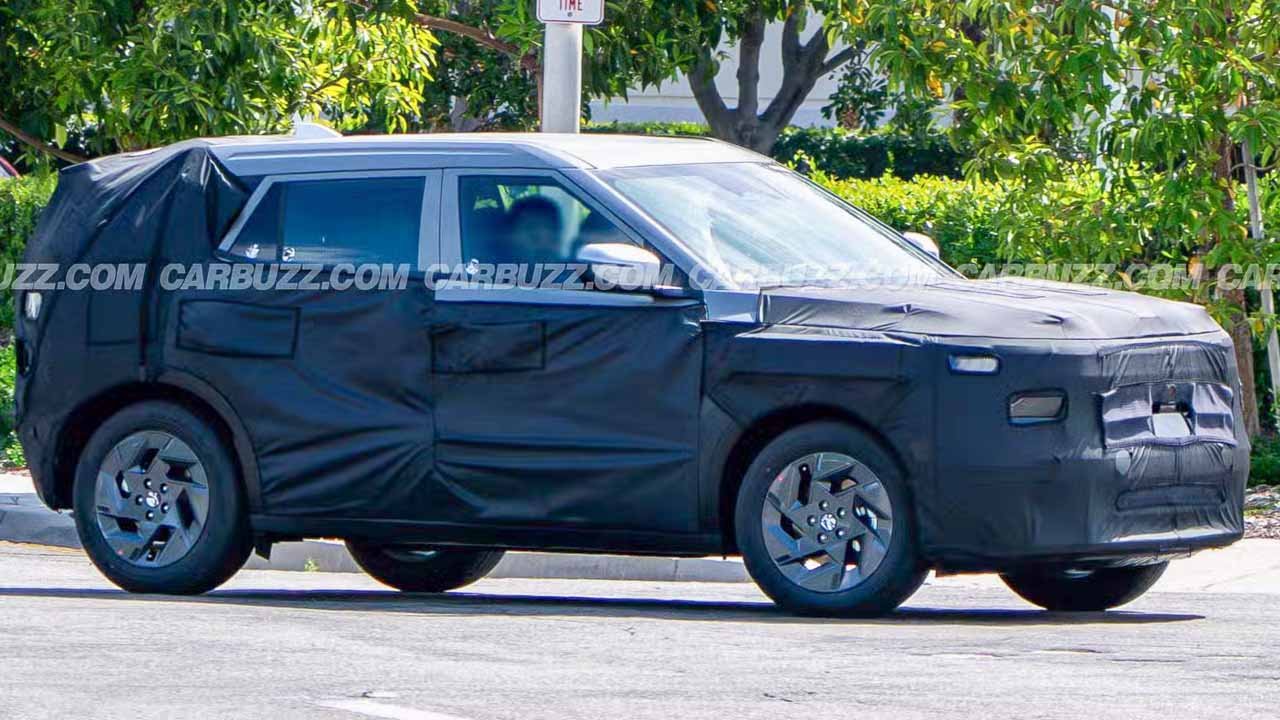
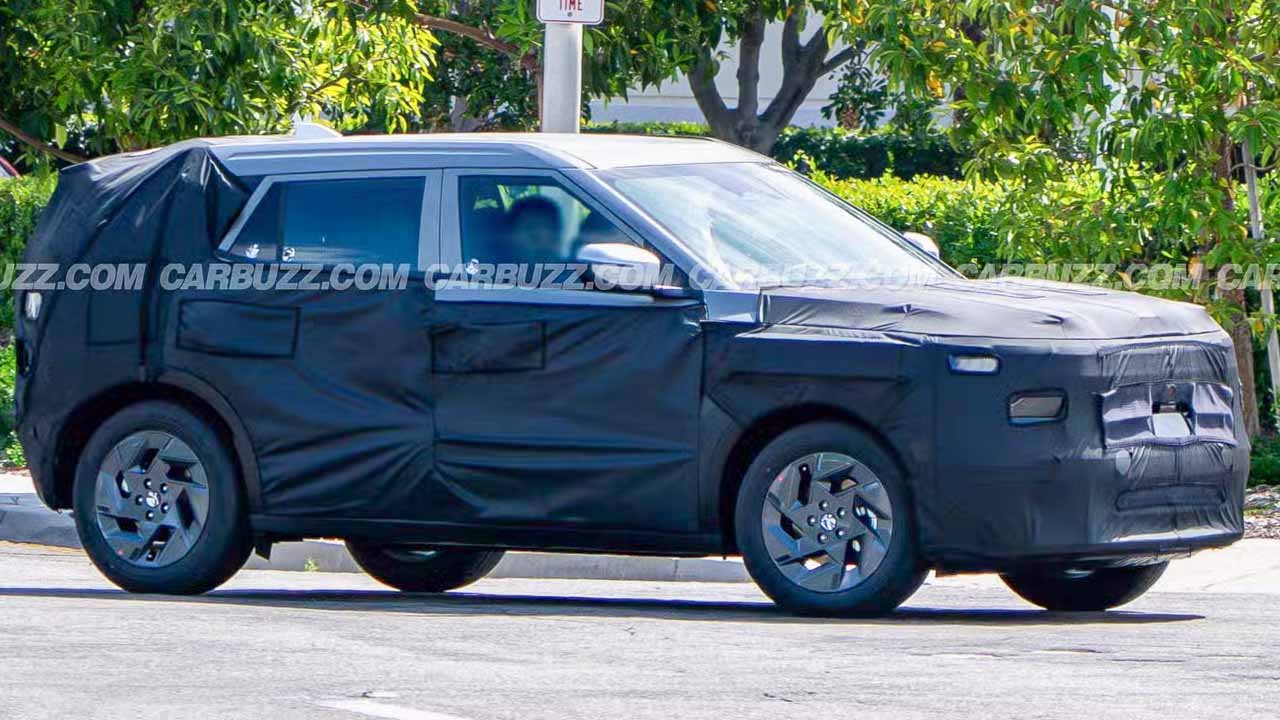
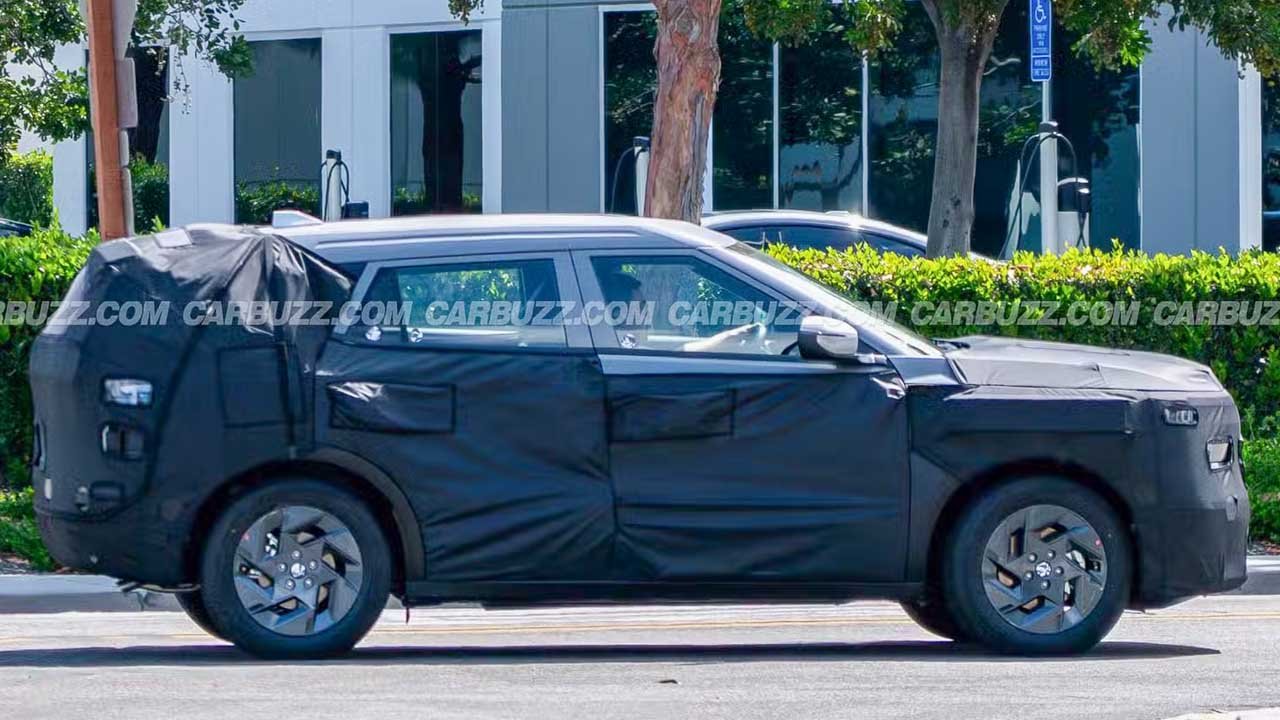
Like the previous test mules, this one also wears heavy camouflage. Visible details include rectangular headlamps, a straight bonnet and a boxy profile. On the side, new alloy wheels, dual-tone ORVMs with integrated turn signals, a shark fin antenna and a slightly thinner roof can be seen. Pixel-style lighting elements were revealed in earlier spy shots. The new Creta is expected to get a refreshed grille and front and rear bumpers.
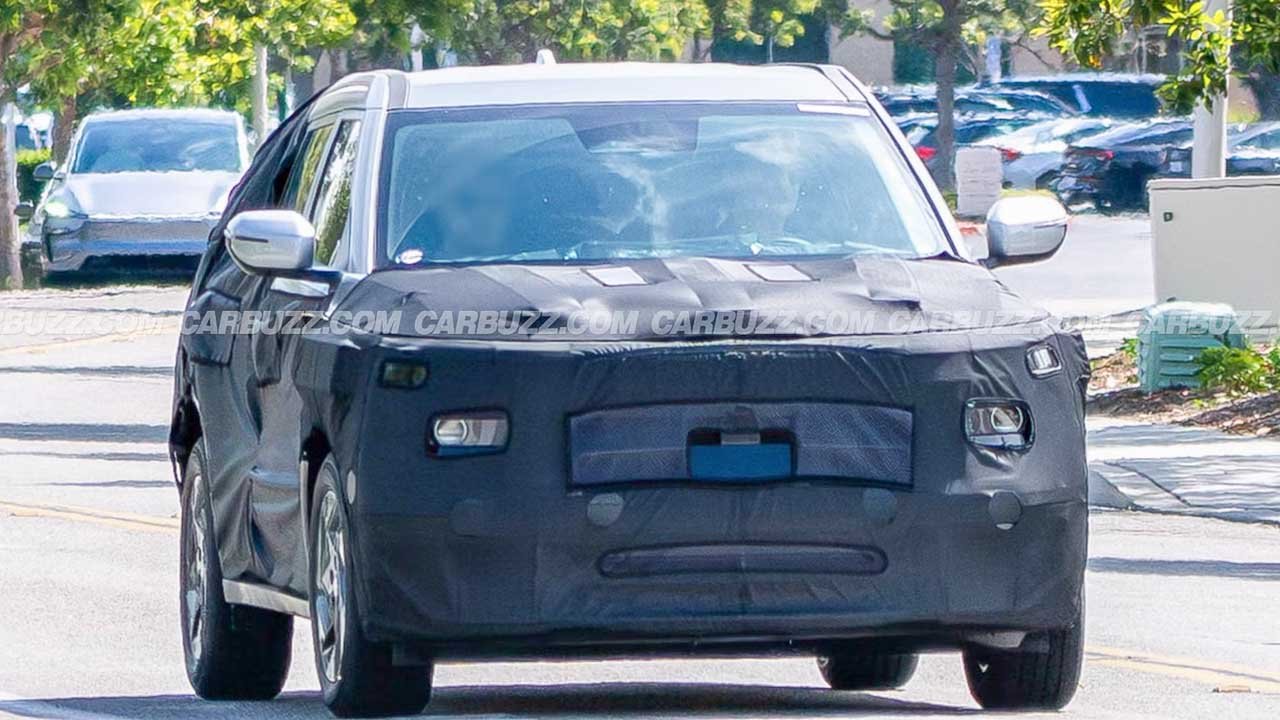
The new-gen Creta is expected to be larger in size than the current model. The latter is 4,330 mm long, while the new Creta may be closer to 4,500 mm in length. Larger dimensions are possible with the new K3 platform. The second generation Seltos uses the same platform and measures 4,460 mm in length. The new K3 platform offers several other benefits such as improved rigidity, lower NVH levels and increased structural strength.
Apart from enhancing road presence, the new Creta’s larger size will ensure a more spacious interior and potentially a larger boot. The compact SUV segment is currently witnessing tough competition in boot space among other areas. For reference, the all-new Sierra offers a 622-litre boot. The new-gen Renault Duster has a boot space of up to 700 litres. Large boot space is preferred by families and frequent long distance travelers.
Equipment upgrades, powertrain options
A wide range of new features are expected to be found inside the new Creta. There is likely to be a new steering wheel, which will feature Hyundai’s classy 4-dot logo. The instrument and infotainment screen sizes are expected to be larger. These may also feature a refreshed UI. Features noted in the first test mules include boss mode and headrests for all second-row passengers. The new Creta is also expected to add new features in ADAS setup and connectivity.
At the time of launch in India, the third generation Creta will likely continue with the existing powertrain options. These include 115 PS 1.5-litre naturally aspirated petrol engine, 160 PS 1.5-litre turbo petrol unit and 116 PS 1.5-litre diesel. Transmission options include 6-speed manual and iVT for NA petrol, 7-speed DCT with turbo petrol and 6-speed manual and 6-speed automatic with diesel.
A strong hybrid option may be introduced with the new Creta later. This new powertrain is still under development. Hyundai may launch the new Creta later this year or in 2027. It will continue to compete with rivals like Tata Sierra, Renault Duster, Toyota Hayrider, Maruti Grand Vitara, Honda Elevate, Skoda Kushaq and Volkswagen Taigun.