
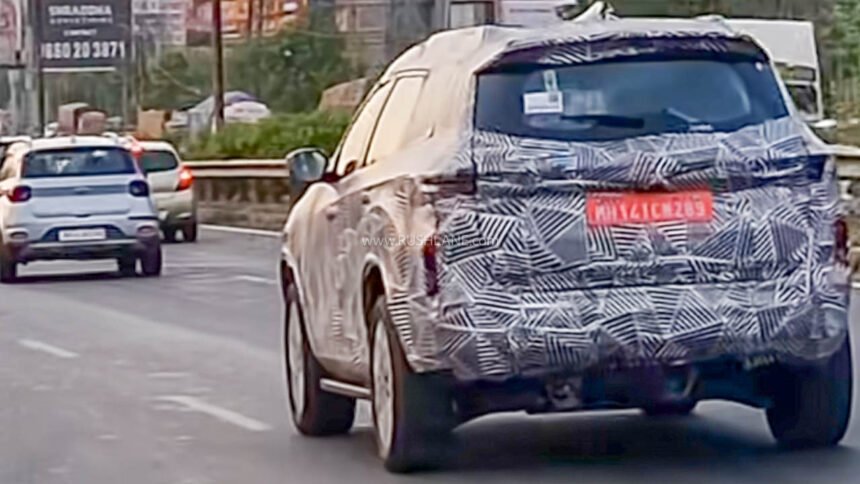
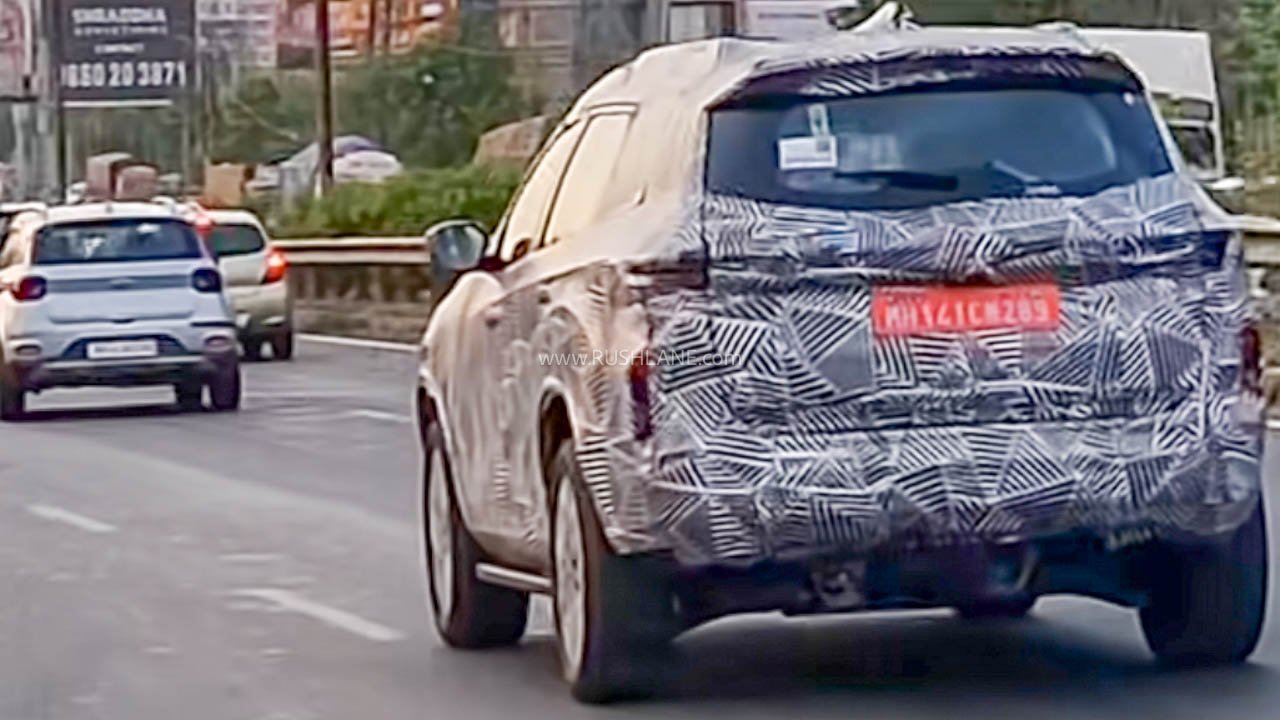
The Tata Safari EV will rival the 7-seater
After the launch of Harrier EV, Tata Motors missed out on launching India’s first 7-seater electric SUV in the form of Safari EV. It was Mahindra that won the title with its XEV 9S, which has now emerged as the company’s best-selling electric SUV against the BE 6 and XEV 9.
Tata remains the leader in the EV segment in India, but will soon expand its EV lineup to include the Sierra EV and Safari EV. After these, only the Altroz will be left to be electrified. In the latest development, the Safari EV has been spotted road testing for the first time. It is expected to be launched around the upcoming festive season.
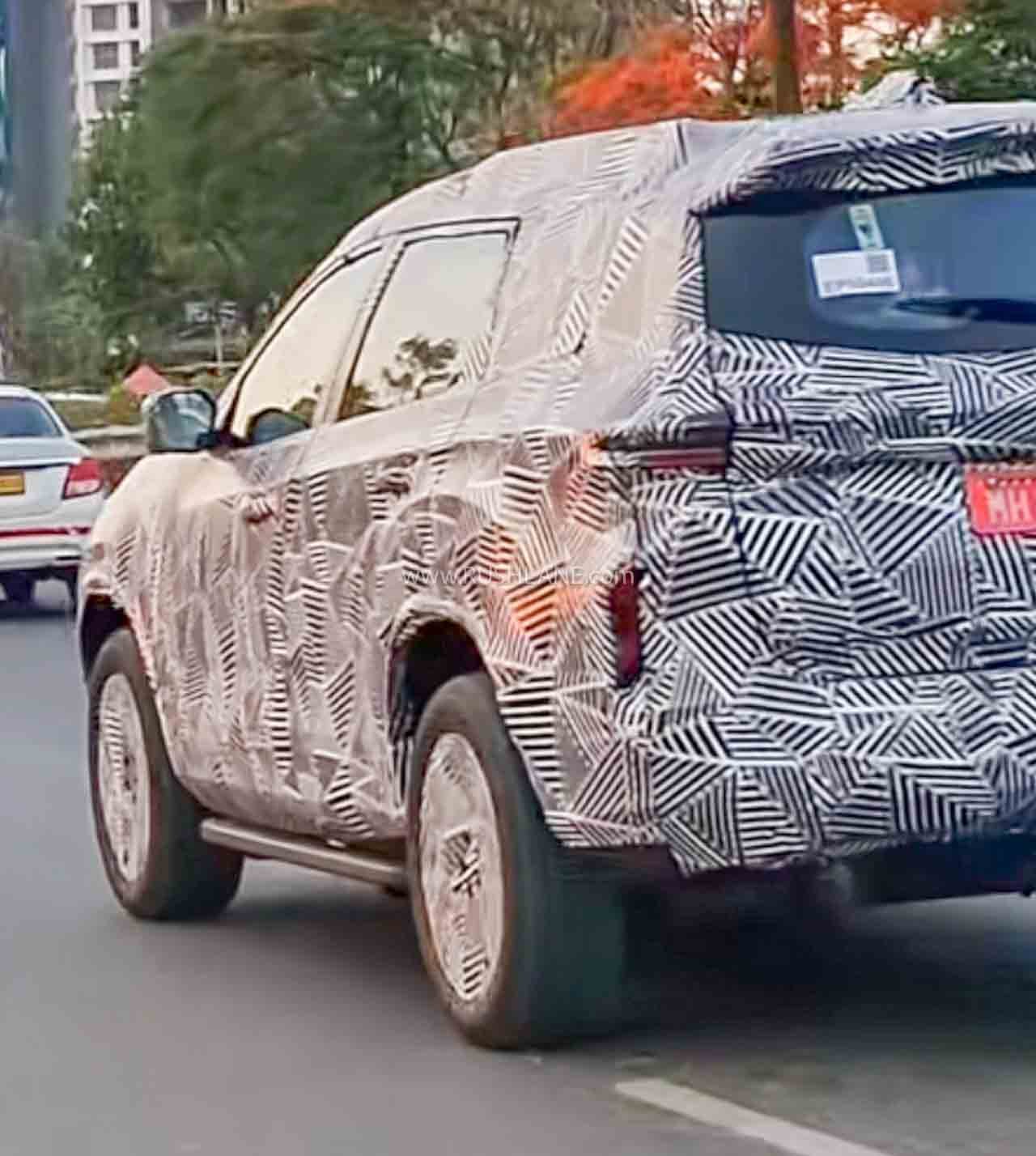
Safari EV spied
The exterior profile of the Safari EV looks largely similar to its ICE counterpart. Common features include squared and flared wheel arches, a familiar design for the roof rails and a prominent roof-mounted spoiler. The SUV features a gently sloping roofline, raked windshield and wraparound taillamps. Fine details are not visible due to heavy camouflage.
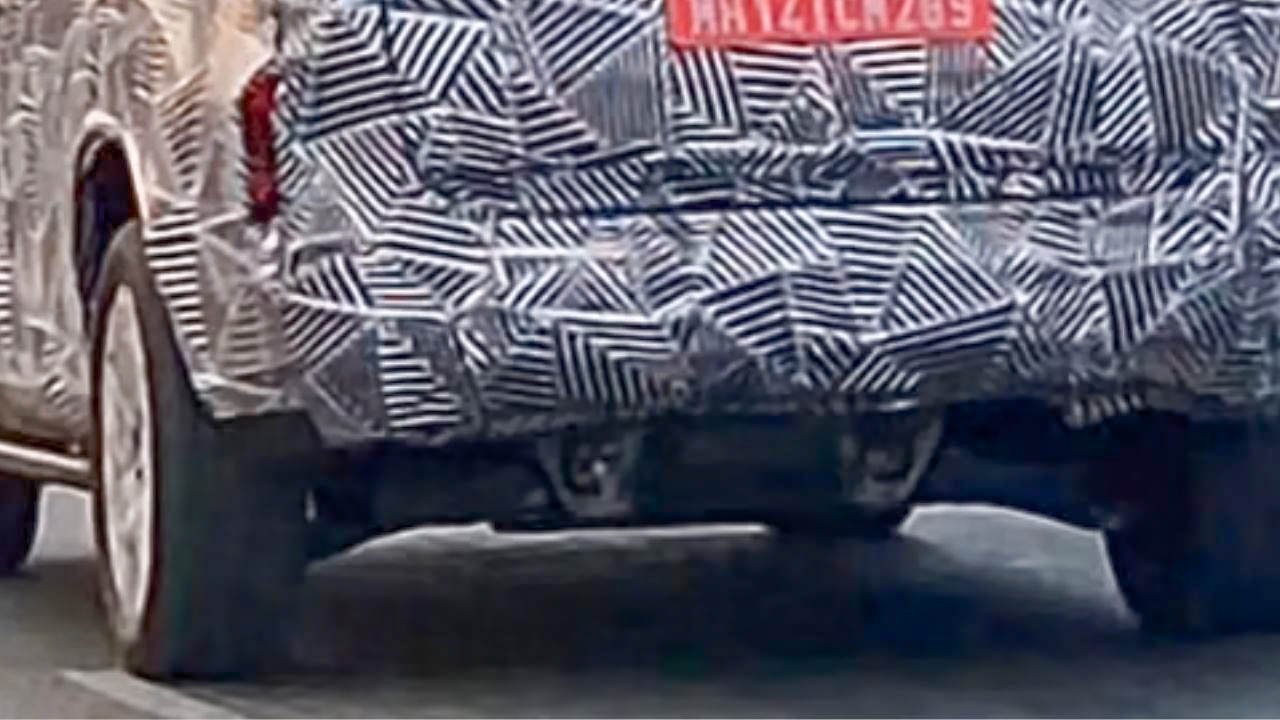
Distinctive features that can be seen with the Safari EV include a side step. This is not available with ICE Safari. Another important reveal is the multi-link rear suspension setup, which looks similar to the Harrier EV. The Safari EV is expected to use the same Acti.ev+ platform as the Harrier EV. Sharing parts with the ICE version will help achieve a competitive price point.
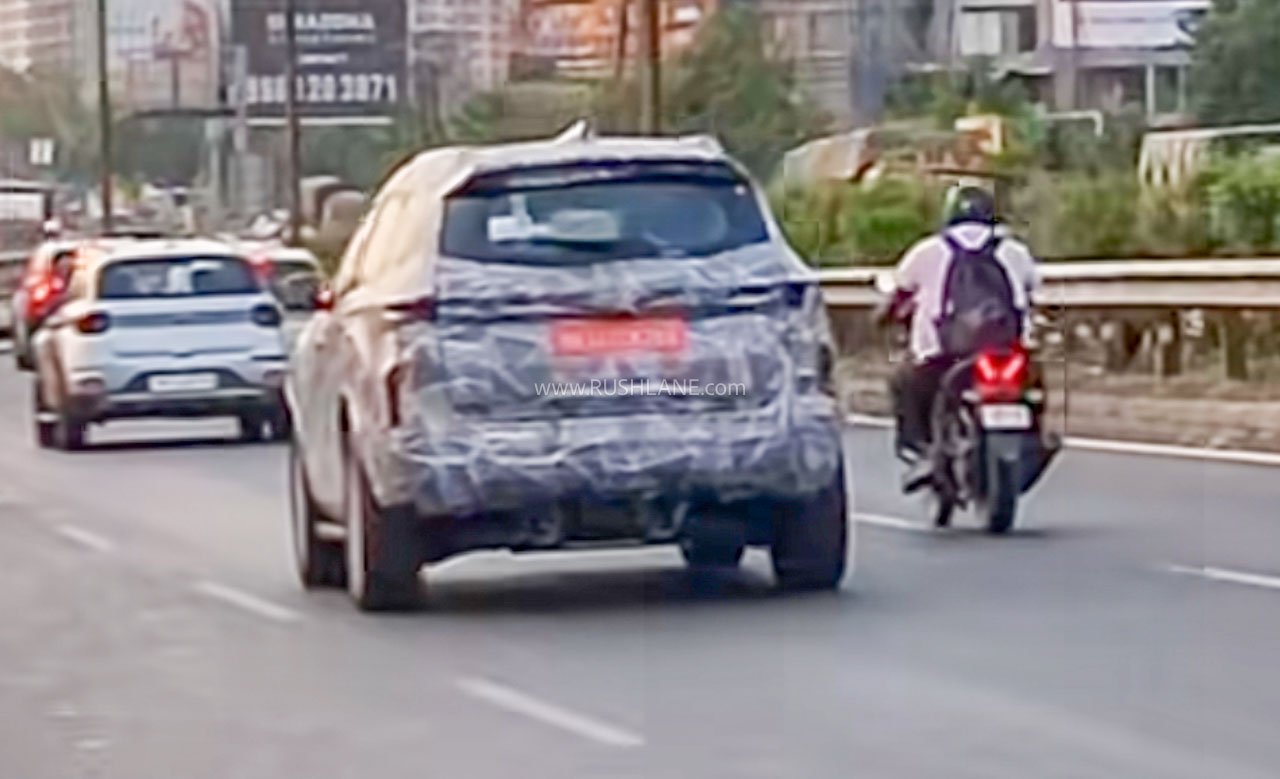
The Safari EV will have some EV-specific features such as a closed-top grille and special badging to differentiate it from its ICE counterpart. The front and rear bumpers are expected to be refreshed for a more contemporary aesthetic. A similar approach may apply to alloy wheels as well. Size-wise, the Safari EV will be largely similar to its ICE counterpart. The latter is 4,668 mm long, 1,922 mm wide, 1,795 mm tall and has a wheelbase of 2,741 mm.
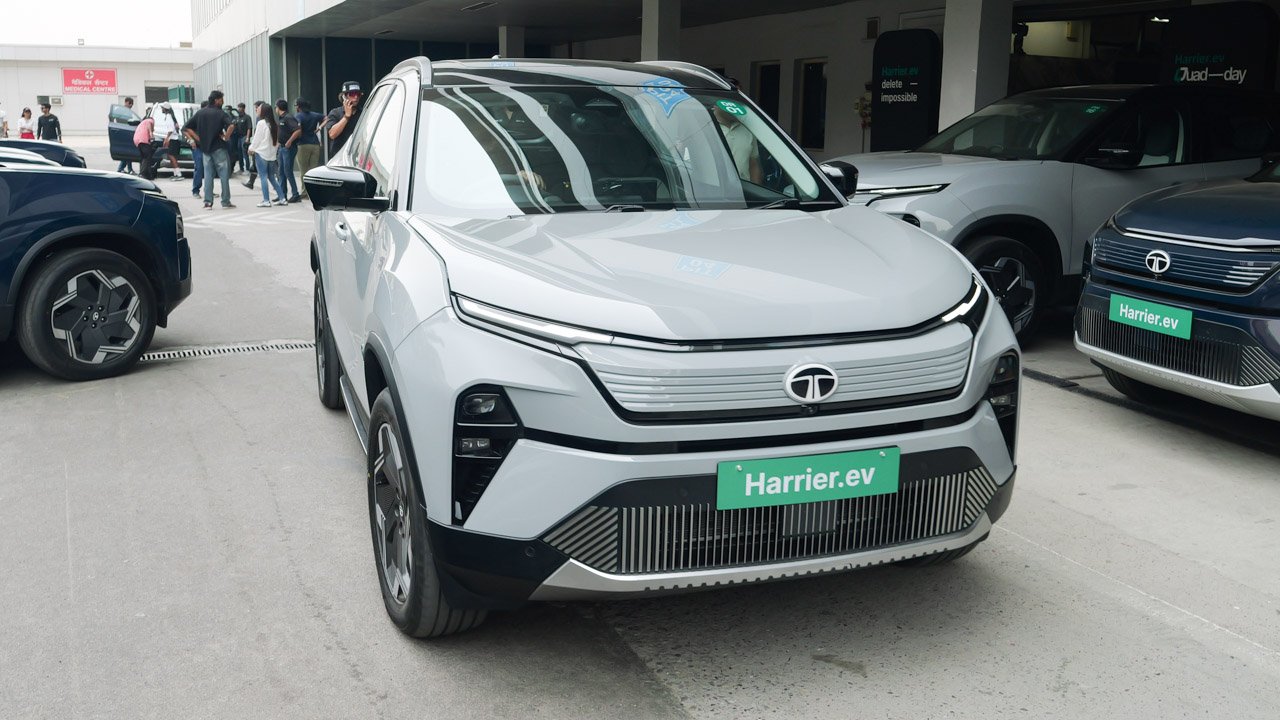
Technology Stack, Powertrain
Inside, the software systems and powertrain for the Safari EV are expected to be borrowed from the Harrier EV. Tata uses the TIDAL (Tata Intelligent Digital Architecture Layer) software system, which is essentially the brand’s foundational architecture for Software-Defined Vehicles (SDVs). Key features include iRA connectivity suite, OTA updates, a large touchscreen and premium JBL sound system with Dolby Atmos.
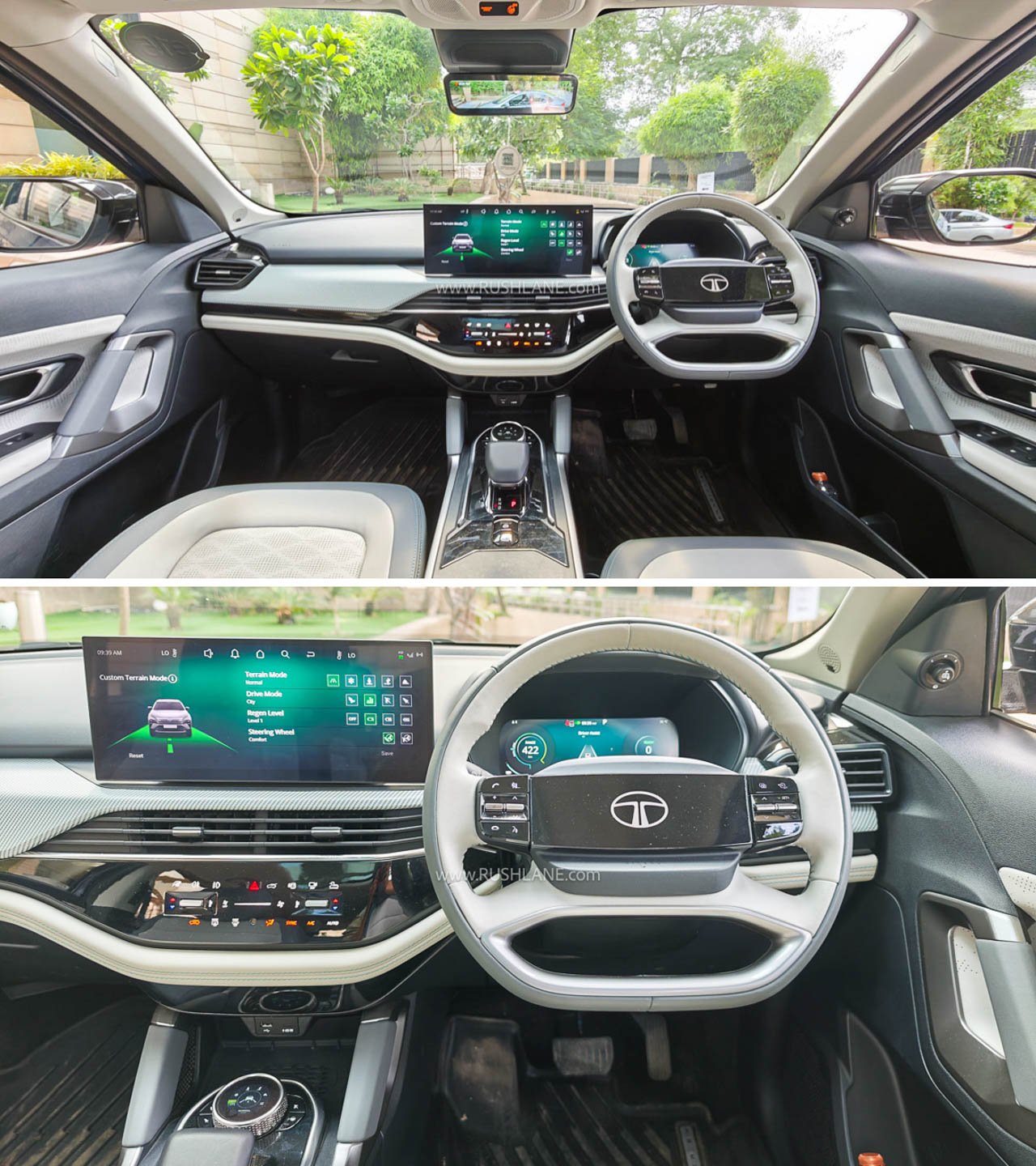
Safari EV is expected to get features like vehicle-to-load (V2L) and vehicle-to-vehicle (V2V) charging. Other capabilities may include summon mode, off-road assist, 540° camera, auto park assist, low speed cruise control, integrated UPI payment system and more advanced ADAS features.
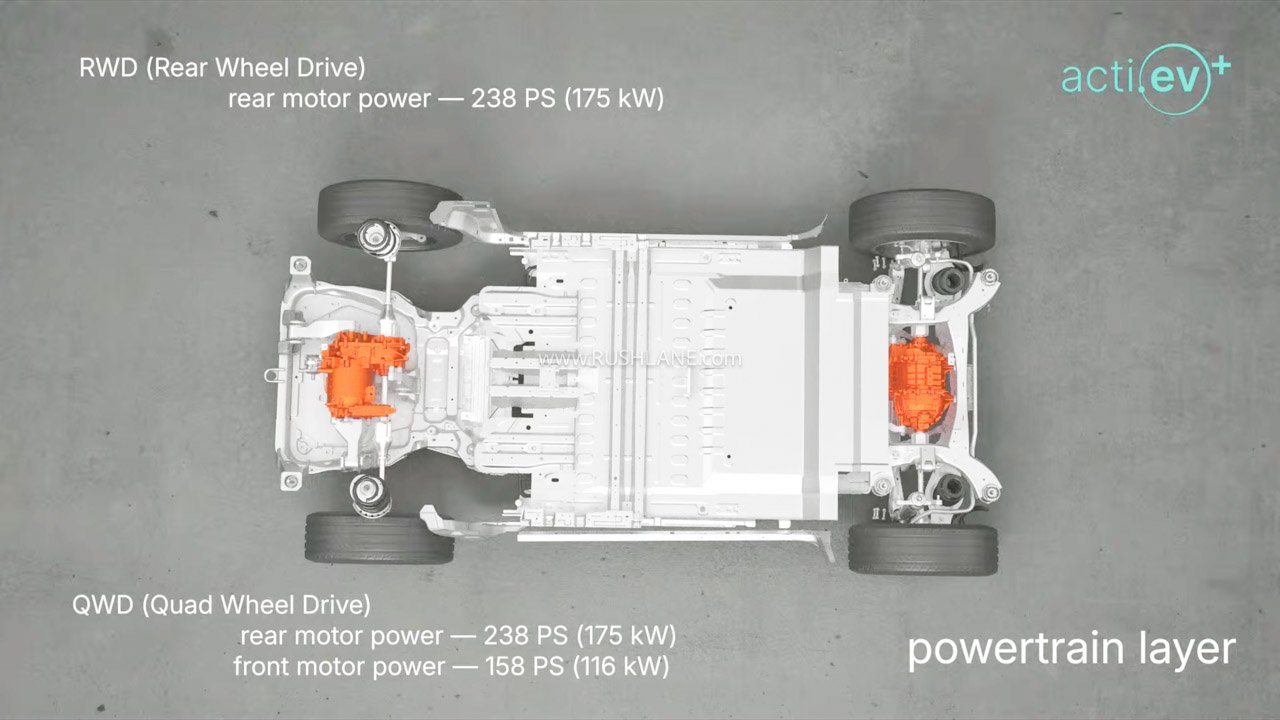
The Safari EV is expected to get 65 kWh and 75 kWh battery pack options, similar to the Harrier EV. Both RWD and AWD options will be available with Safari EV. AWD with dual motors will be offered exclusively with the larger battery pack variant. The range of the Safari EV may be slightly less as it is heavier than the Harrier EV. The highest range of the Harrier EV with the 75 kWh RWD variant is 628 km.
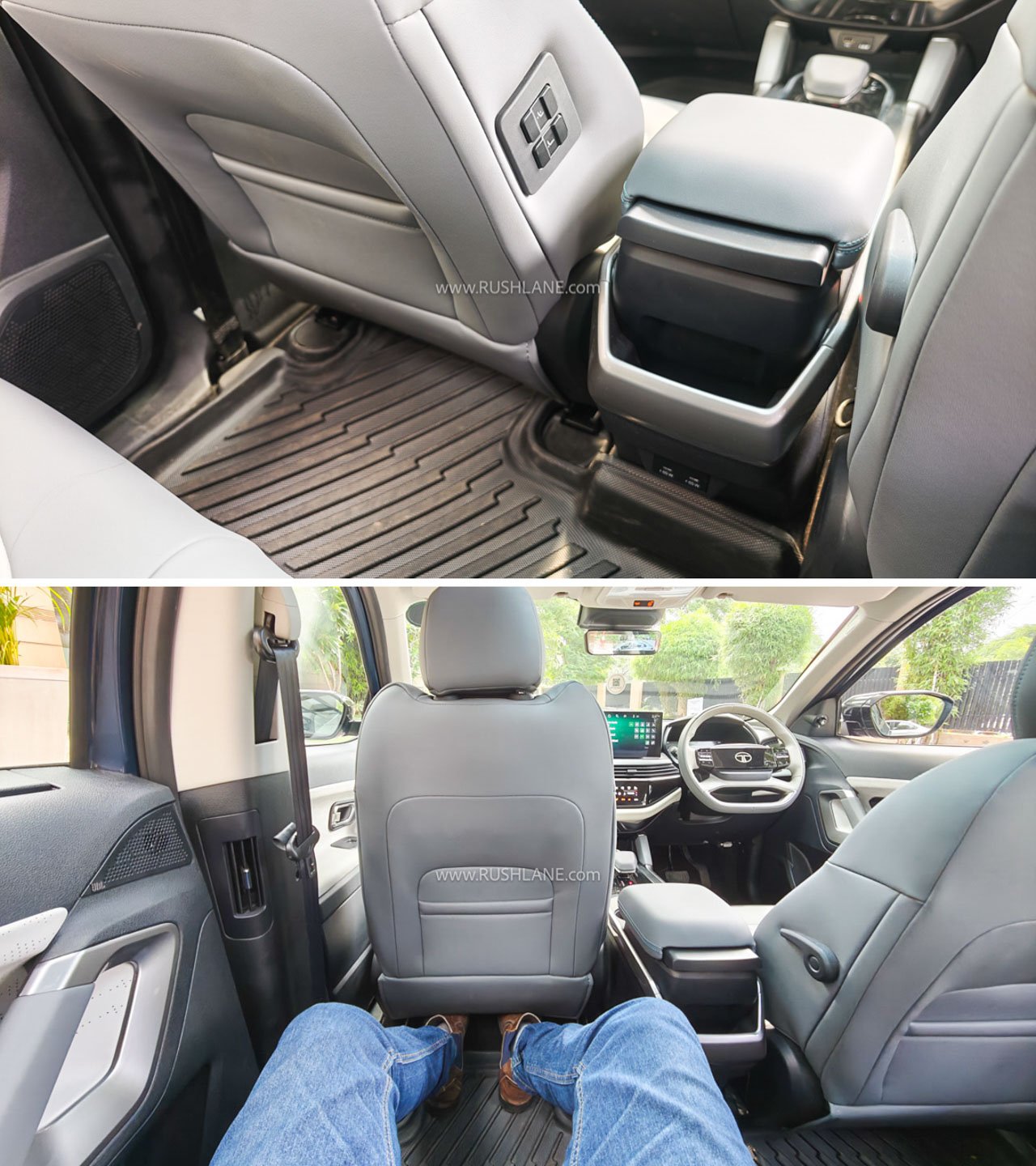
Safari EV will be Tata’s first 7-seater electric SUV. It will compete mainly with Mahindra XEV 9S. Set to be Tata’s flagship electric offering, the Safari EV could be offered at a starting price of around Rs 22 lakh.