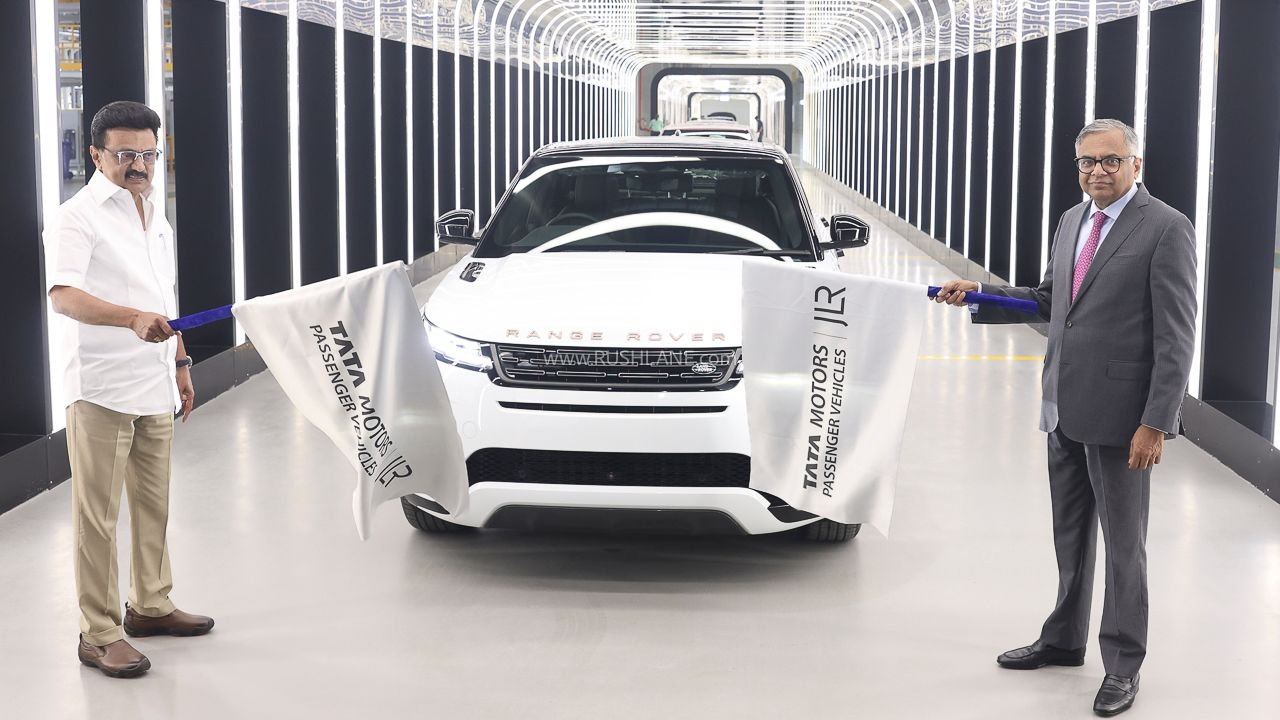
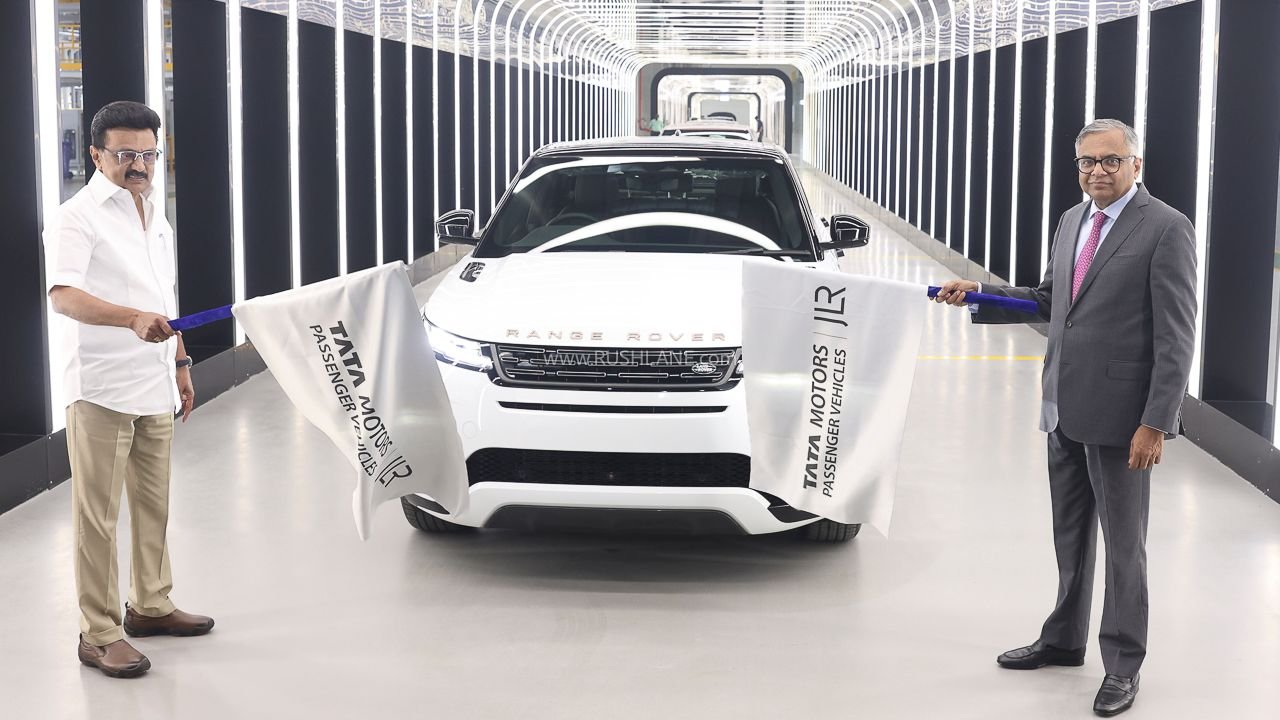
The commencement of operations at Tata Motors Passenger Vehicles’ new Panapakkam plant in Tamil Nadu is more than just the inauguration of another manufacturing facility. With the Range Rover Evoque becoming the first vehicle to be introduced locally, the move signals a clear shift in the joint strategy of Tata Motors and Jaguar Land Rover – placing India at the center of future manufacturing, cost optimization and multi-powertrain scalability.
India’s growing role in JLR’s global manufacturing network
The local assembly of the Range Rover Evoque reinforces India’s growing importance in JLR’s global production ecosystem. While the Evoque was previously assembled in India as a CKD model, the Panapakkam facility marks a new generation manufacturing setup designed from the ground up to support premium vehicles with Tata-branded models.
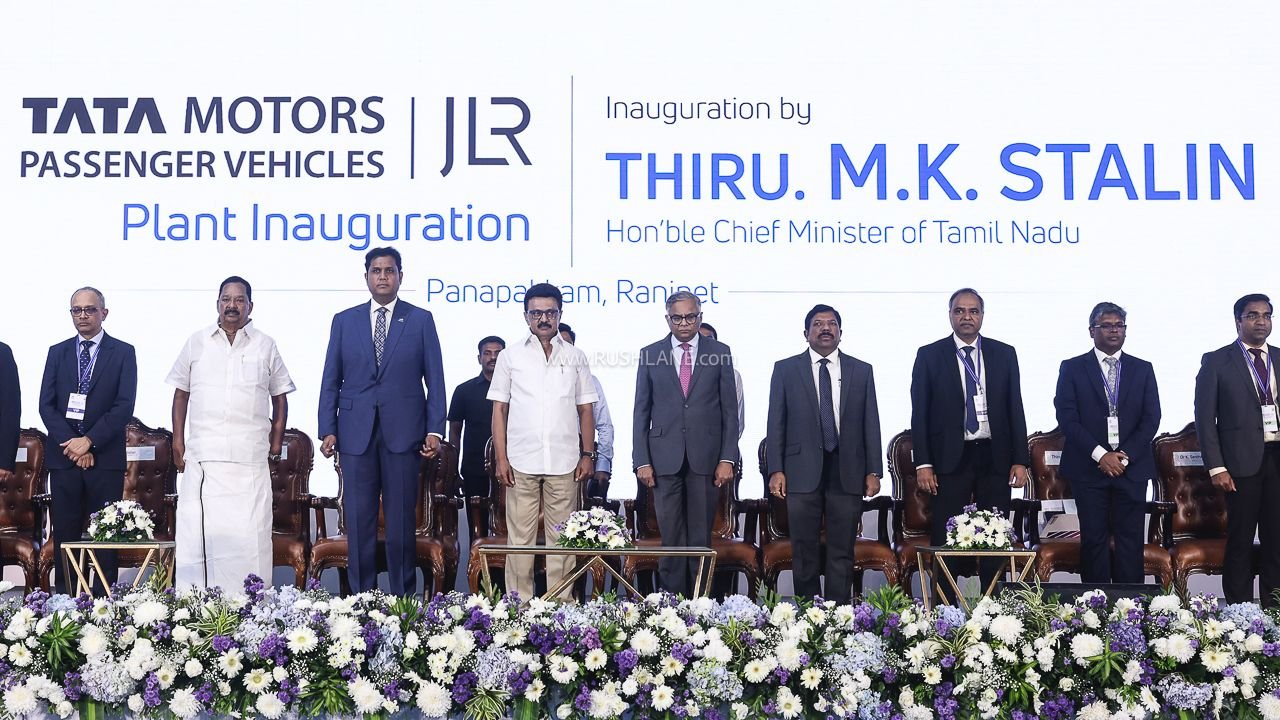
For JLR, this helps address multiple challenges simultaneously: reducing the risk of global supply chain volatility, improving cost competitiveness in emerging markets and building regional production hubs closer to demand. Since luxury vehicle volumes in India remain relatively niche, local manufacturing also enables more flexible pricing strategies without compromising brand positioning.
Shared platform, shared infrastructure, low risk
One of the most significant impacts of the new plant is the ability to manufacture vehicles across multiple powertrains – ICE, EV and future technologies – on next-generation platforms. This aligns closely with Tata Motors’ broader strategy of platform consolidation and modularity, while providing JLR access to scalable infrastructure without the need for standalone greenfield investments.
By sharing manufacturing assets, Tata Motors and JLR can accelerate costs more efficiently, reduce capital risk and accelerate time-to-market for new products. In the medium term, this could open the door for more JLR models—especially compact luxury SUVs and EVs—to be assembled in India for both domestic sales and exports.
Strategic bets on EVs and future technologies
Although the Evoque is the first vehicle, the Panapakkam plant has been designed with electrification in mind. This coincides with Tata Motors Passenger Vehicles’ push towards EV leadership and JLR’s ongoing shift towards electrified luxury vehicles.
As JLR moves towards an EV-heavy portfolio globally, having a flexible, renewable-energy-powered facility in India strengthens its ability to selectively localize future electric models. For Tata Motors, the same plant can support upcoming EVs and hybrids under its own brand, allowing faster scale-up without duplicating investments.
Long-term employment, skills and supplier ecosystem
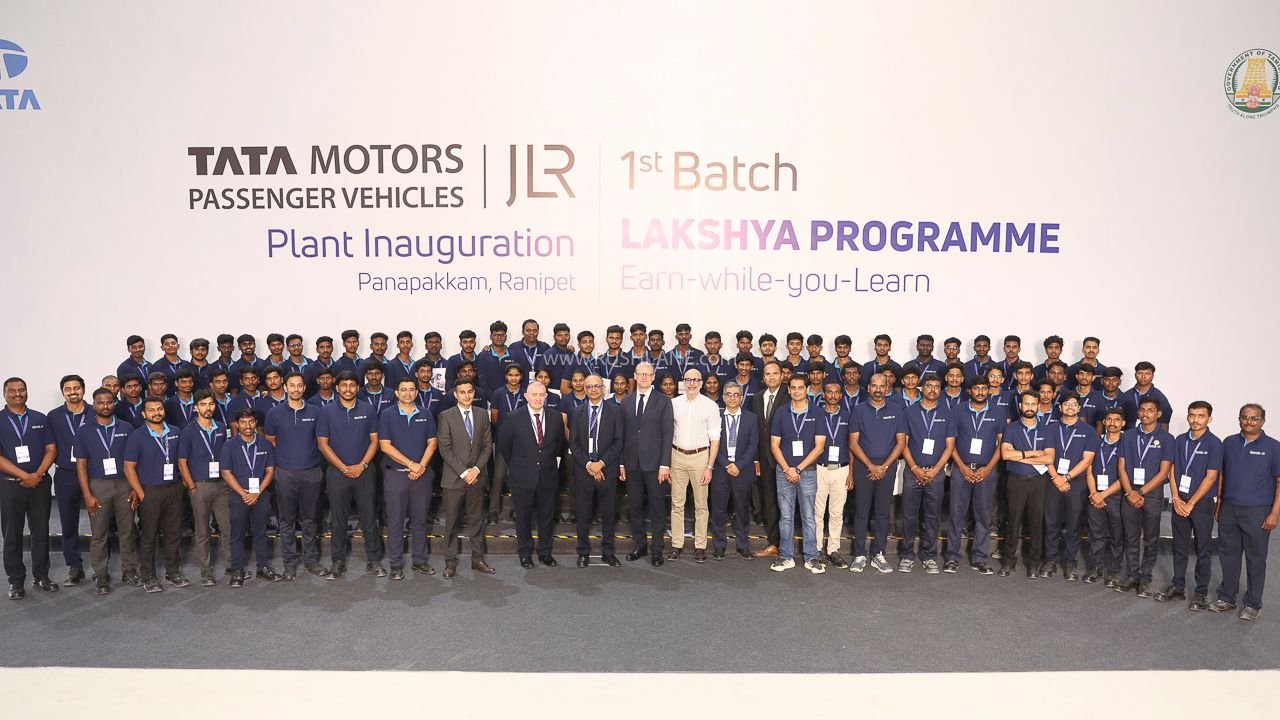
Beyond vehicles, the plant represents a long-term industrial ecosystem. With over 5,000 direct and indirect jobs expected at peak capacity and a strong focus on skill development through Tata’s Lakshya programme, the facility reinforces Tamil Nadu’s position as a major automotive manufacturing hub.
For JLR, utilizing India’s skilled manufacturing workforce at scale helps build future-ready talent, while also supporting localization of components over time – a key lever for cost and supply flexibility.
Big picture: Tata-JLR alignment deepens
At a strategic level, the Panapakkam facility reflects a maturing Tata-JLR relationship, where India is no longer just a sales market or CKD base, but a core manufacturing pillar. As the global automotive markets face slowing growth, rising costs and regulatory pressure, this integration gives greater operational flexibility to both Tata Motors and JLR.
In the coming years, the Panapakkam plant will not only play a key role in manufacturing vehicles, but Tata Motors and JLR will also jointly shape electrification, global exports and cost competitiveness from the Indian base.