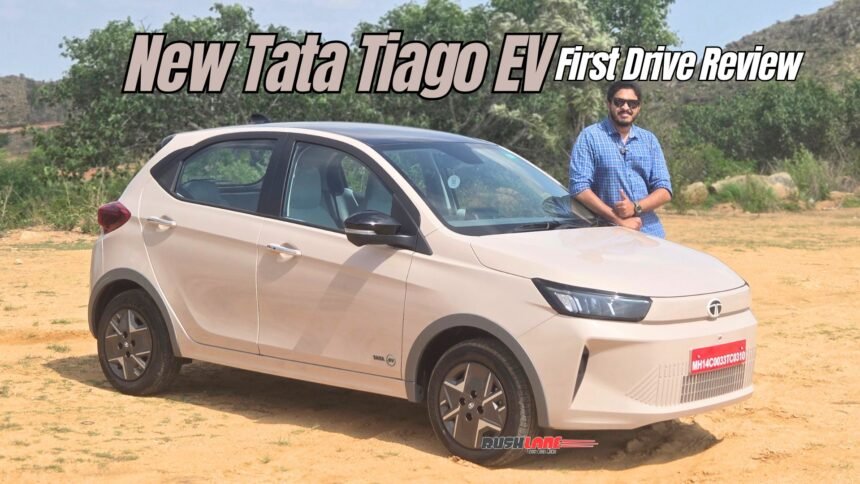
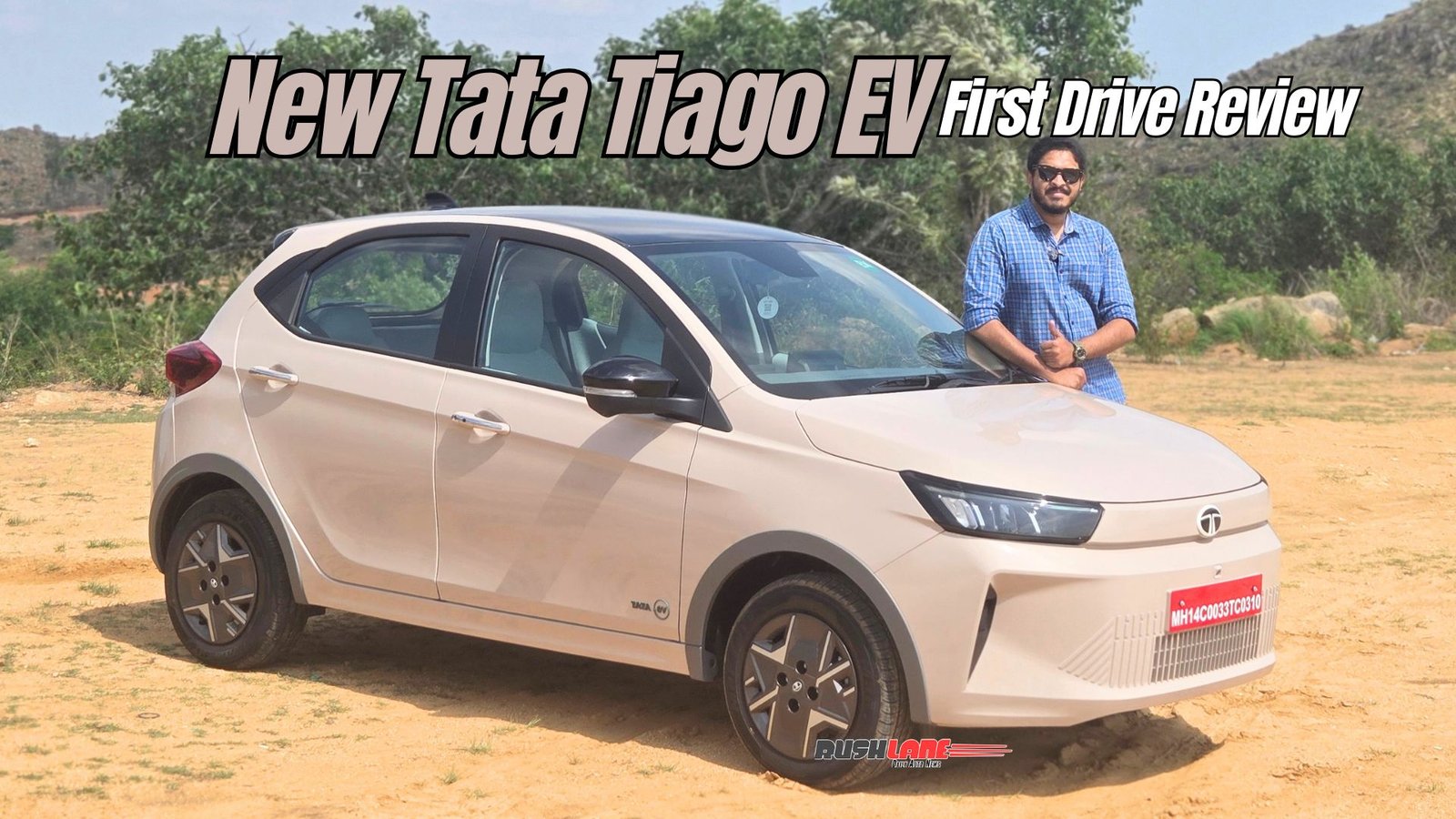
Price is one of the biggest highlights of the Tiago EV facelift. Tata has reduced the price by Rs 1.15 lakh compared to the existing model, significantly improving its value proposition. Additionally, the Tiago EV now gets a stronger equipment list and better value, making it a more attractive option in its segment.
This facelift has significantly improved the value proposition of the Tiago EV, raising an important question – can it handle the occasional weekend getaway as well as serve as the ideal EV for daily city commuting? Here’s what we found.
New Tata Tiago EV Review
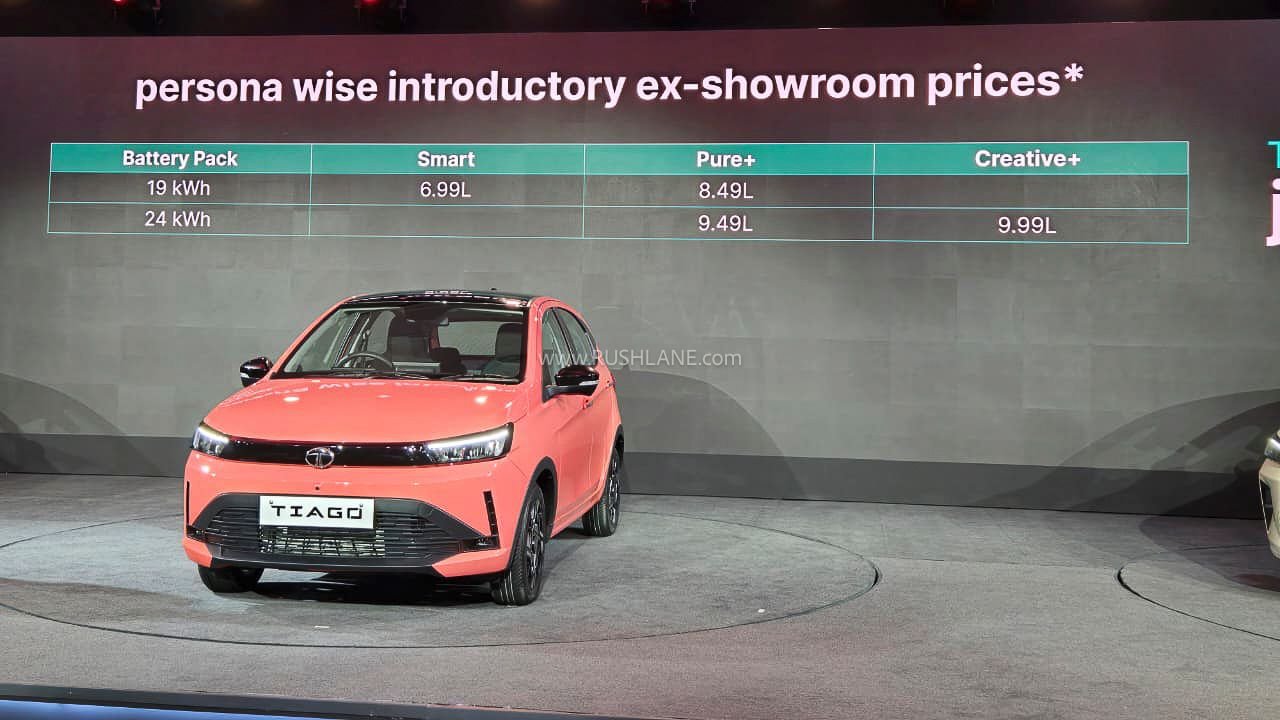
Without the BaaS plan, the new Tiago EV is priced between Rs 6.99 lakh (ex-sh) and Rs 9.99 lakh (ex-sh). These prices are as low as Rs 1 lakh with the base variant and Rs 1.15 lakh with the top variant, making the 2026 Tiago EV facelift a value proposition. The BaaS pricing model makes the Tiago EV even more accessible to buyers with an upfront cost of Rs 4.69 lakh + Rs 2.6 per km (upfront).
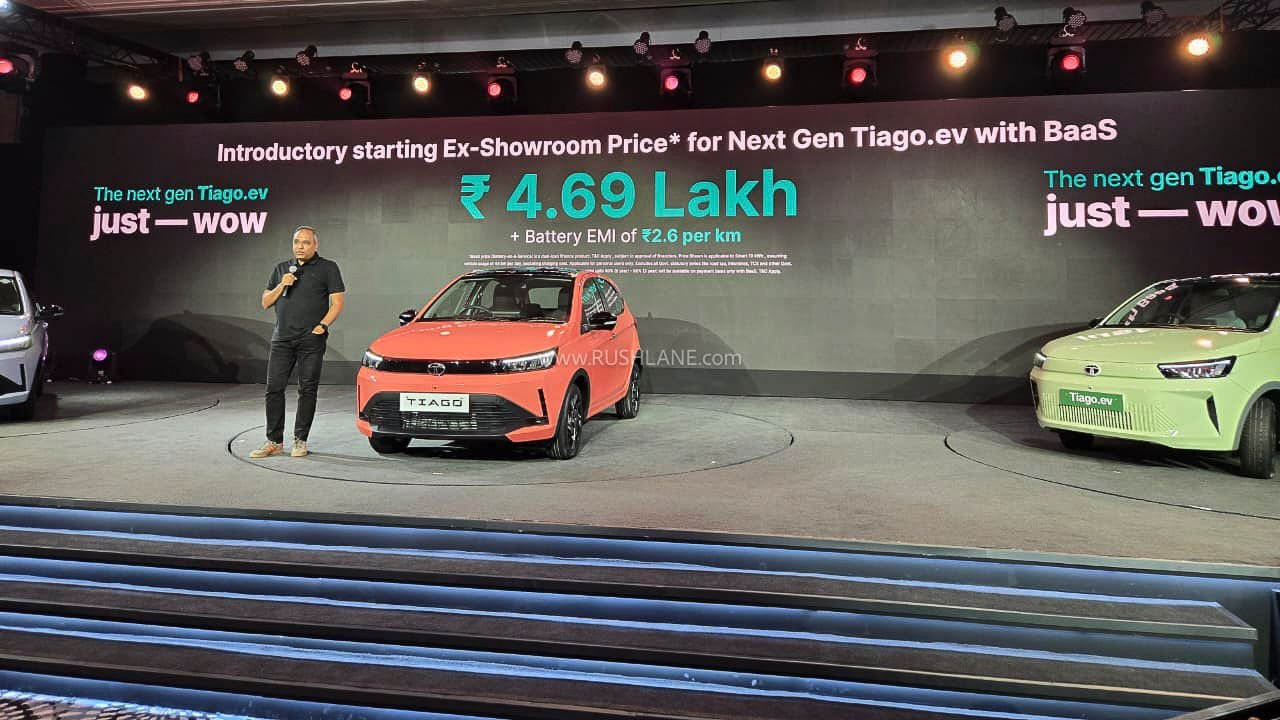
It’s priced the same as the base Tiago petrol MT, but with the Tiago EV BAAS, you’re getting an automatic (not a sluggish AMT) with better performance and the Rs 2.6 per km battery fare is nothing compared to the savings from EV home charging over petrol refueling costs.
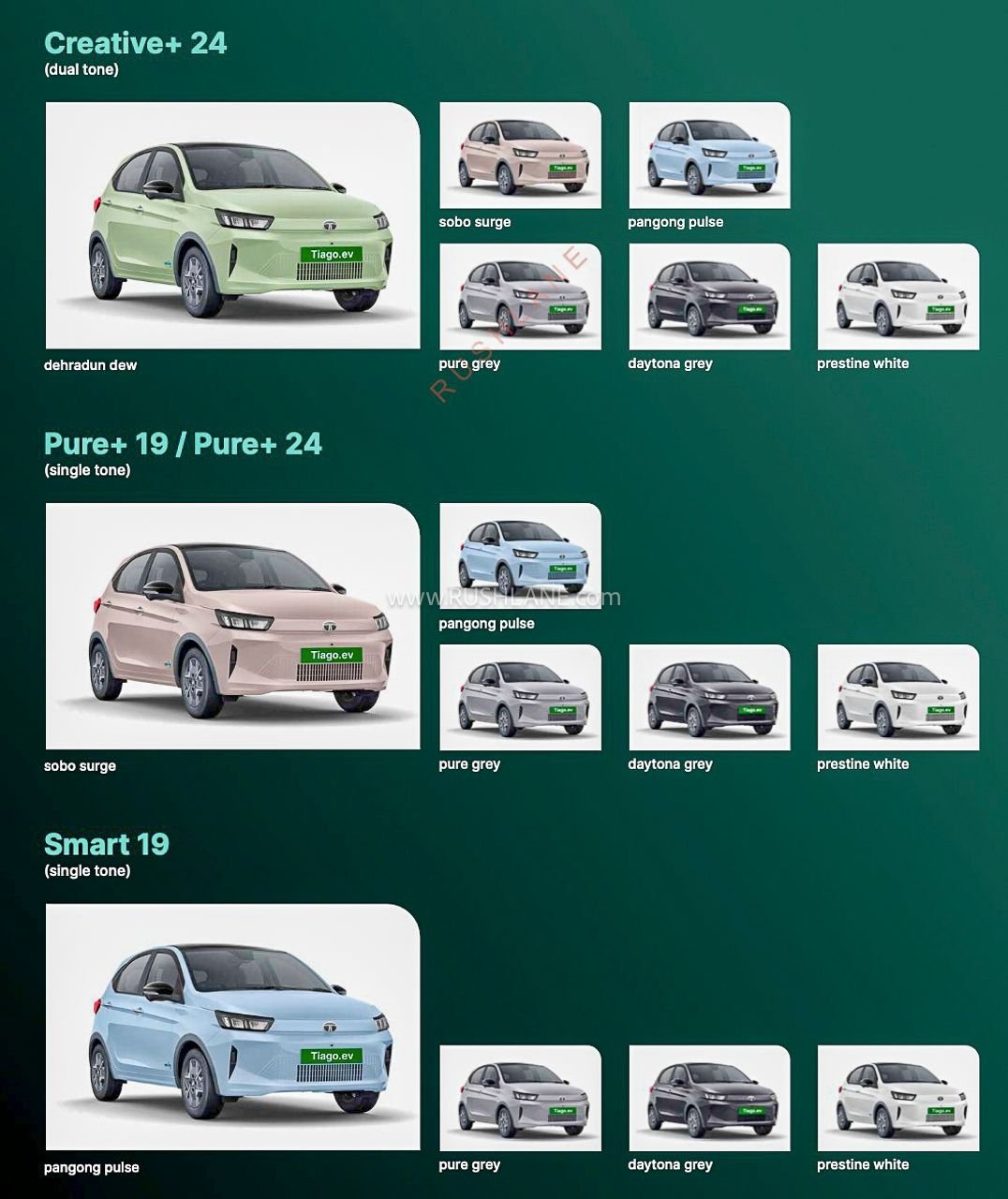
Even though both ICE and EV modes start with the Smart trim and end with the Creative+ trim, the equipment offered between the two models varies (more on this later). Pristine White, Daytona Grey, Sobo Surge, Pangong Pulse and Pure Gray are similar to the Tiago ICE. Like the Varanasi vibrance with the Tiago ICE, the Tiago EV also gets a special color and it is called Dehradun Dew.
Design & Aesthetics
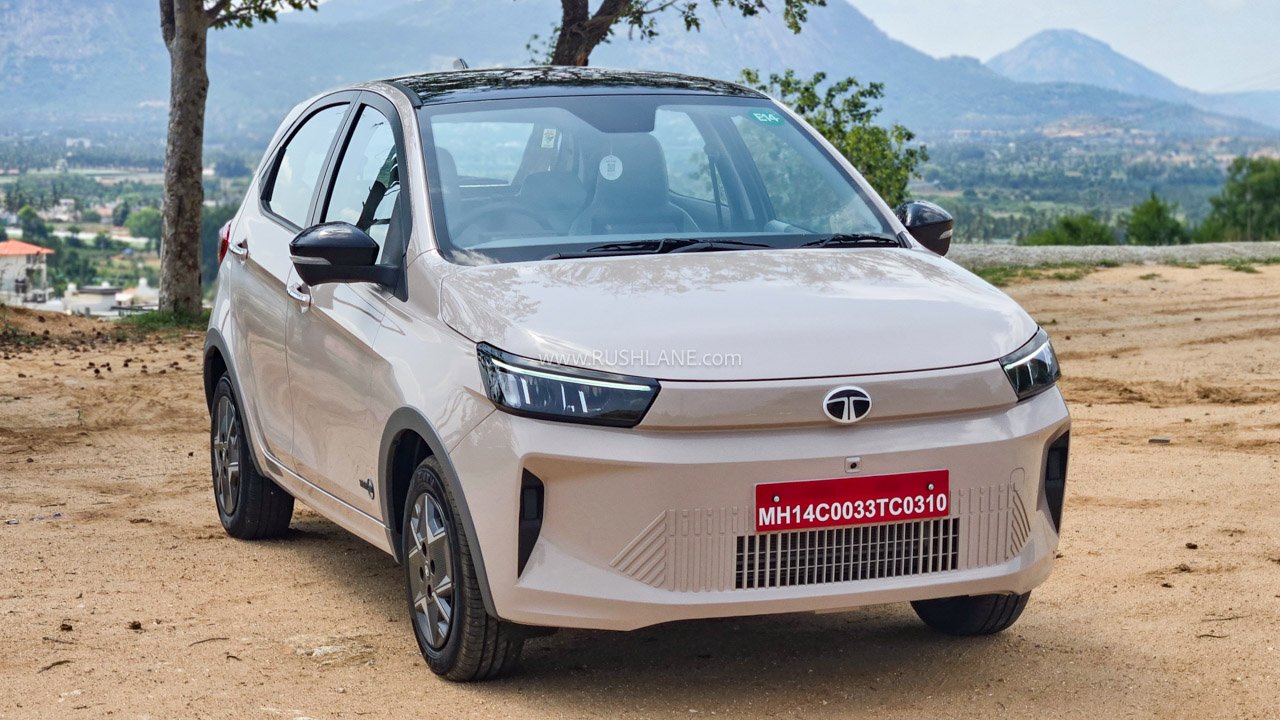
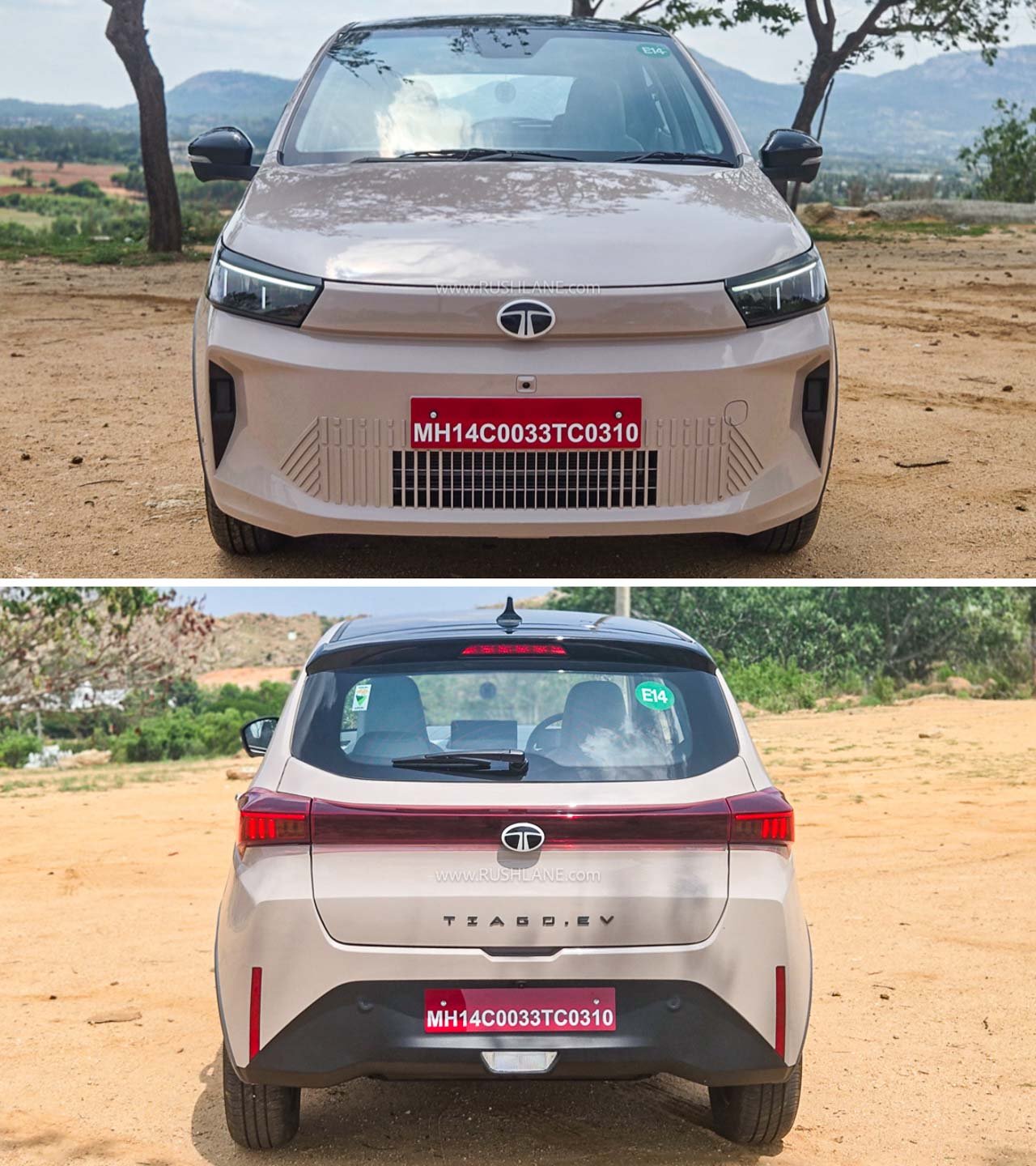
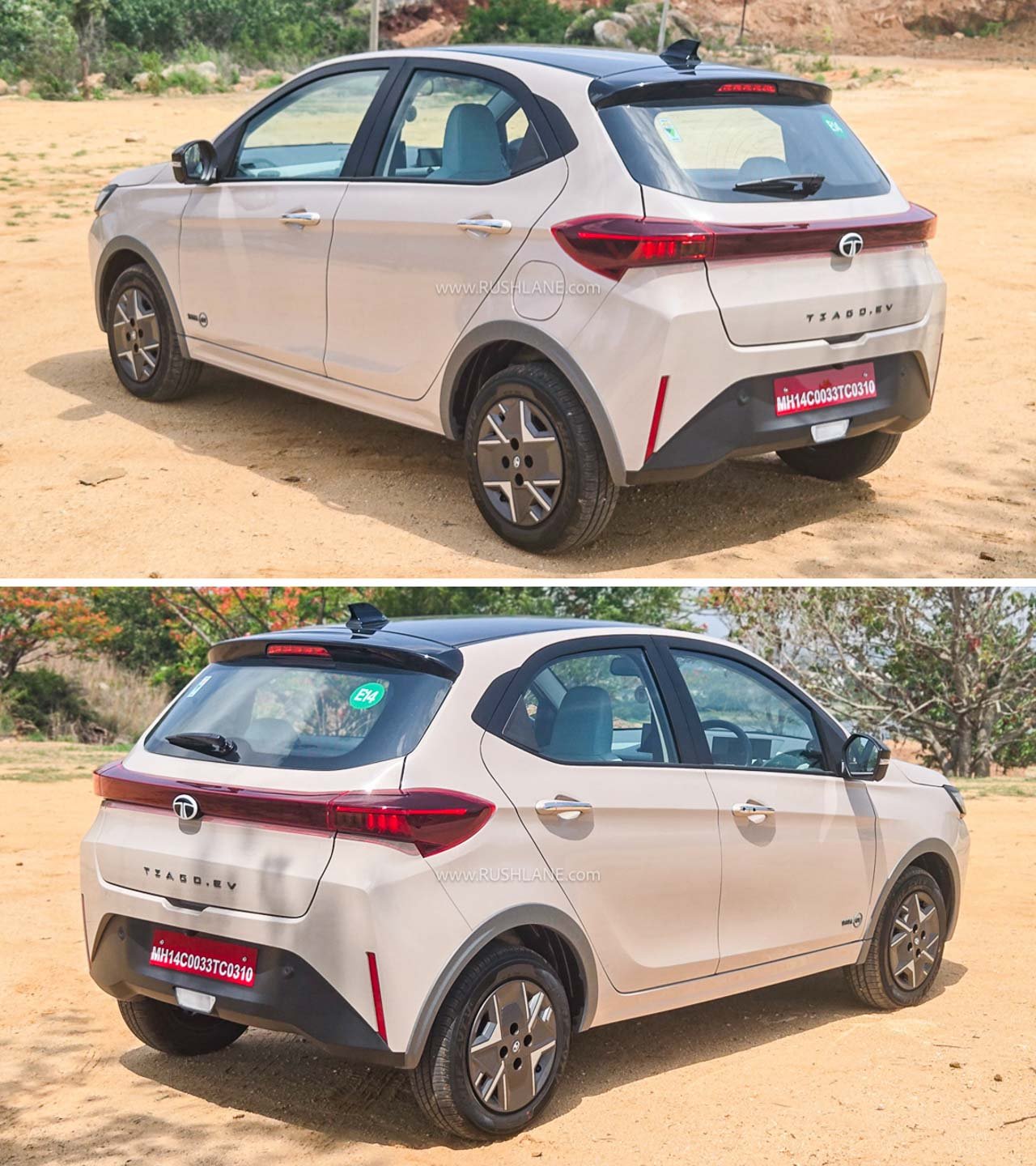
The new Dehradun Dew shade stands out among the available colors and goes well with the refreshed design of the Tiago EV. In terms of design, it looks almost the same as the Tiago ICE facelift, but I appreciate the fact that the Tiago EV facelift does not have elements like the sharp elements on the front and rear bumpers.
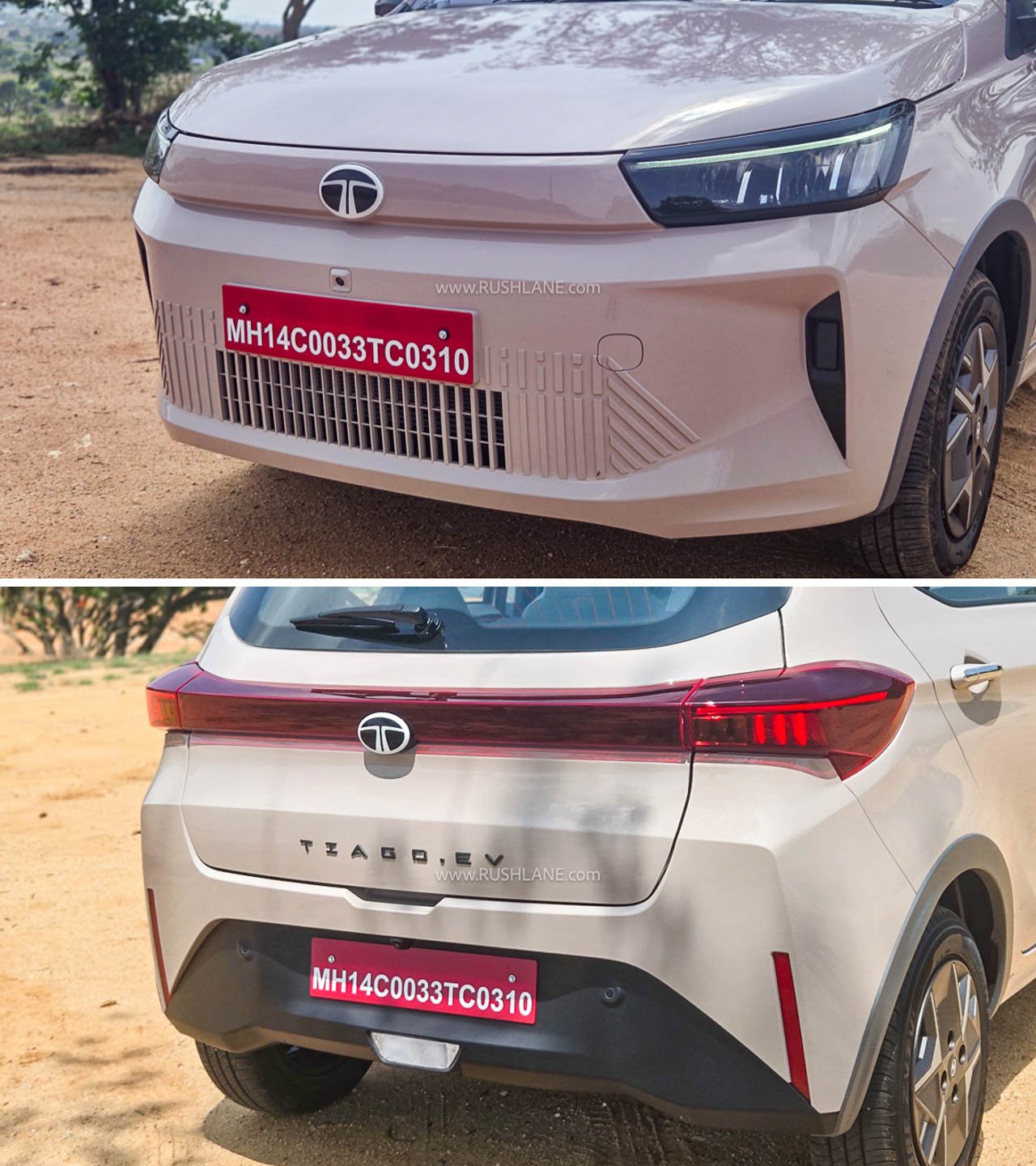
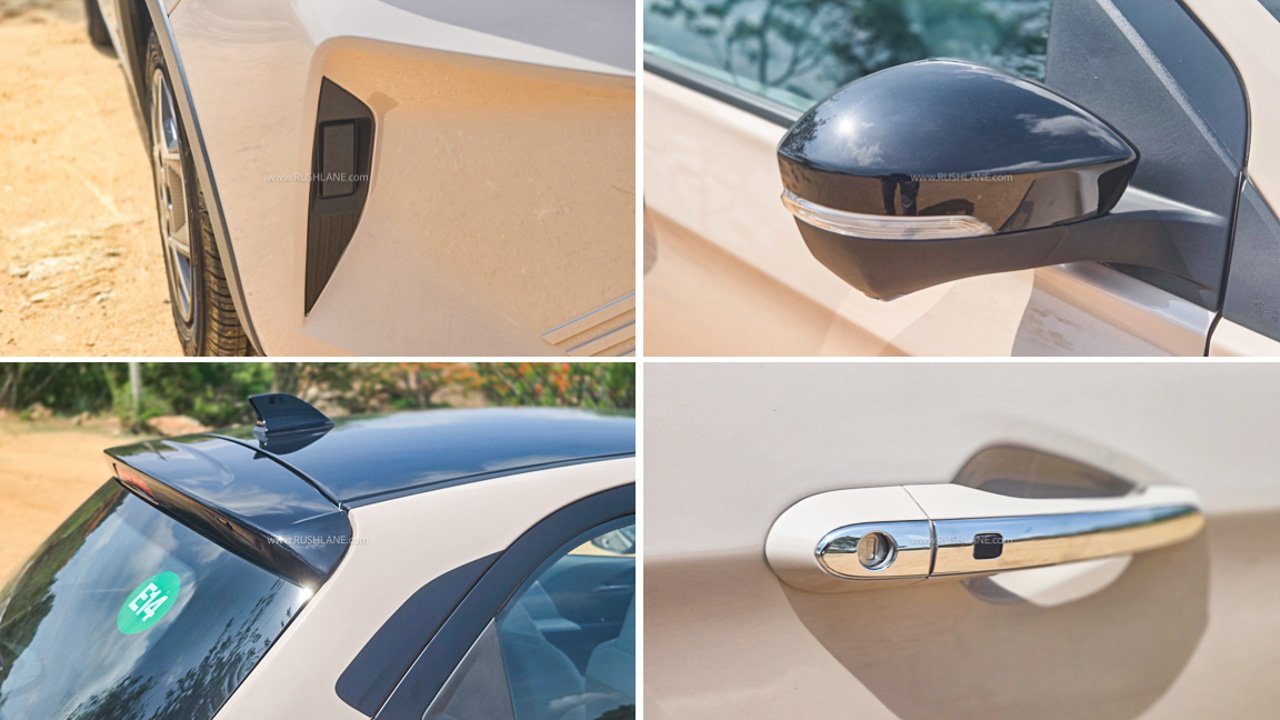
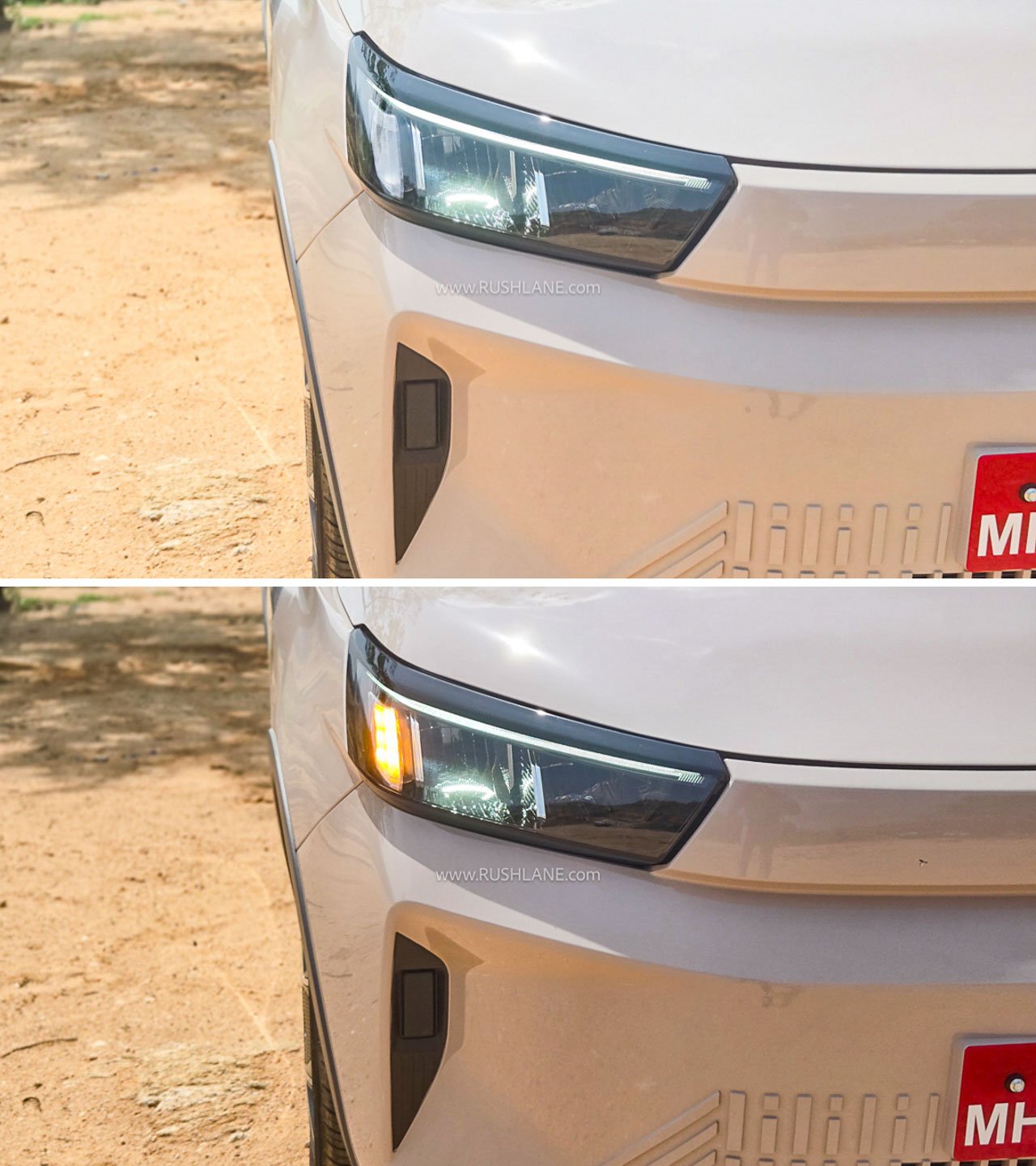
The Tiago EV features a dedicated front bumper with vertical fog lamp housing (fog lights are optional). This bumper and body colored upper grille give the Tiago EV a unique aesthetic. If there’s one thing that we like about the Tiago EV over the Tiago ICE, it’s the black plaque that connects both the headlights. Many people will feel the same way and will darken this color element of the body.
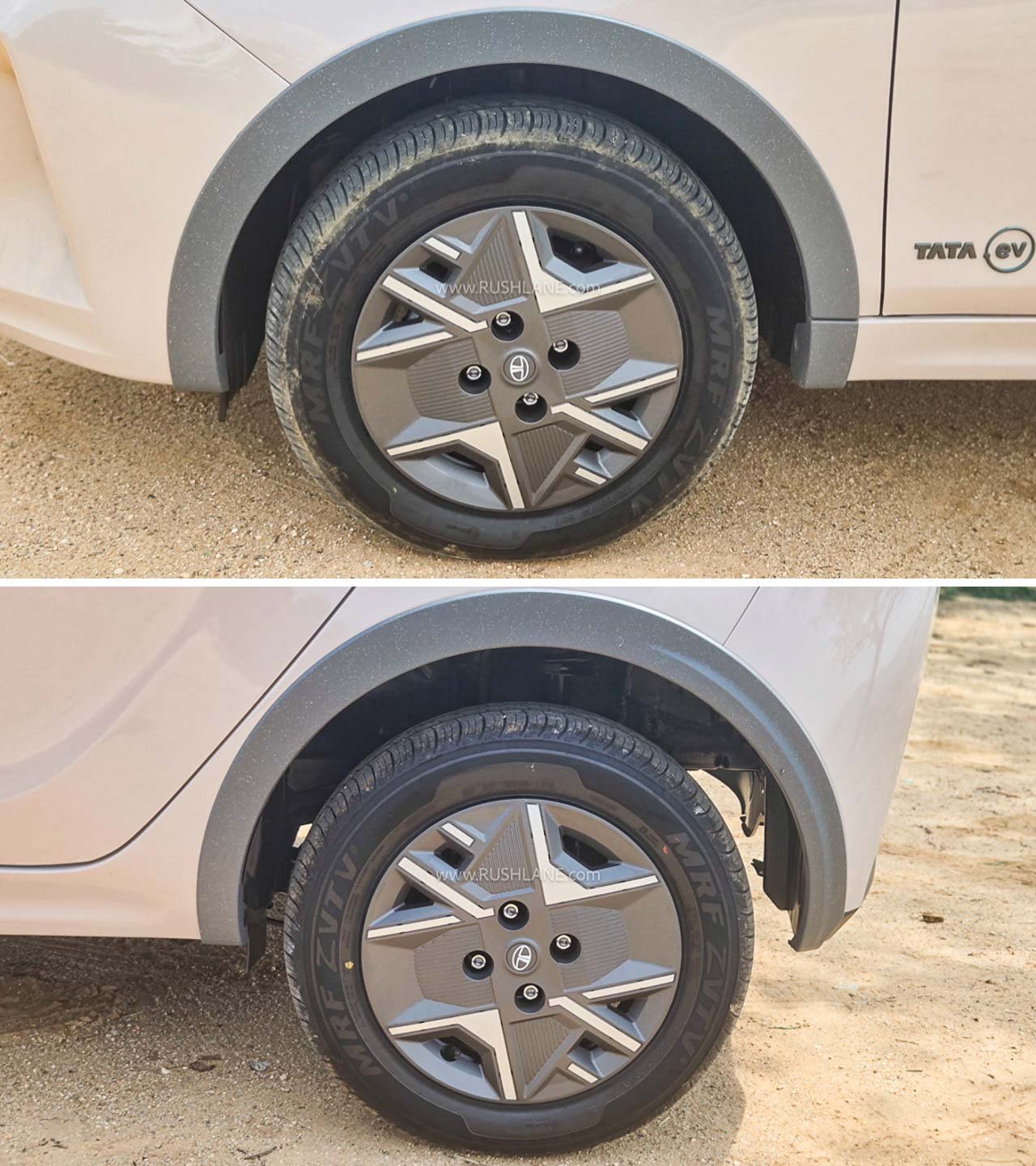
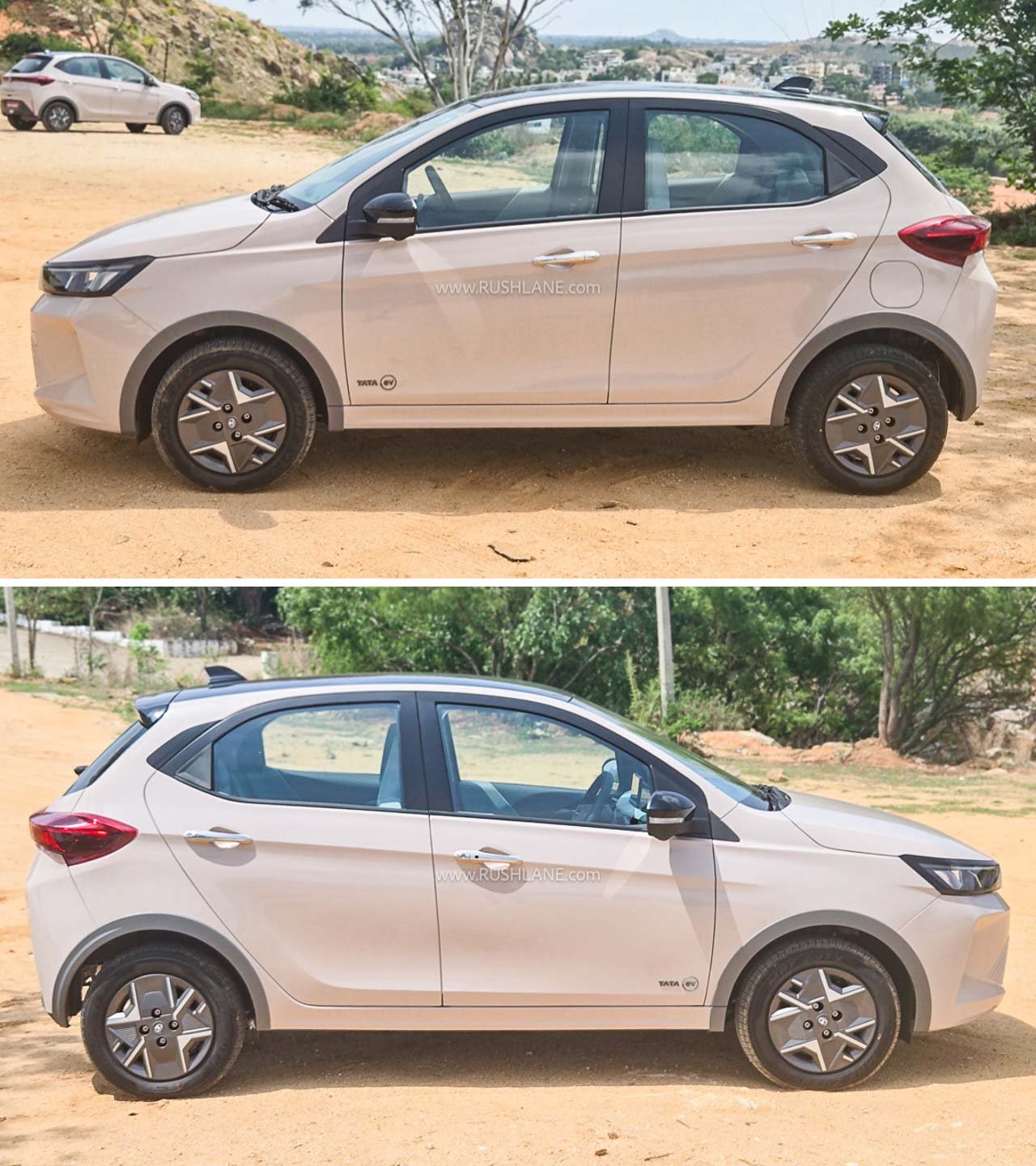
New LED headlights, white surround on the Tata logo and clamshell bonnet are other notable elements from the front. On the sides, we can see Tata EV badging in blue highlights, 14-inch Hyperstyle wheels, which are steely with wheel covers, wrapped with 175/65-R14 tyres. The new Tiago EV comes with gray wheel arch claddings, inspired by the new Punch EV, which don’t look as polarizing here as the claddings are much subdued in comparison.
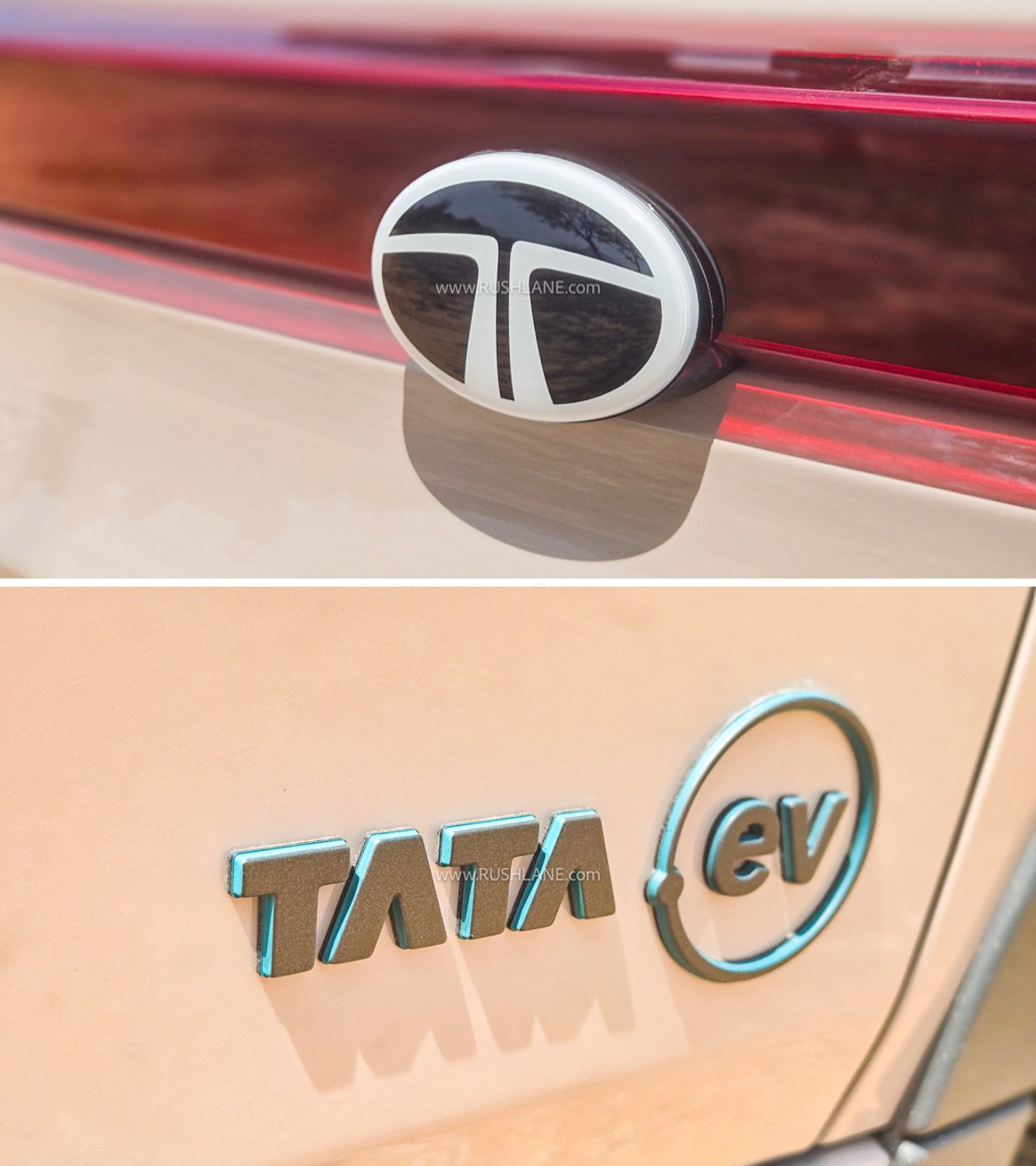
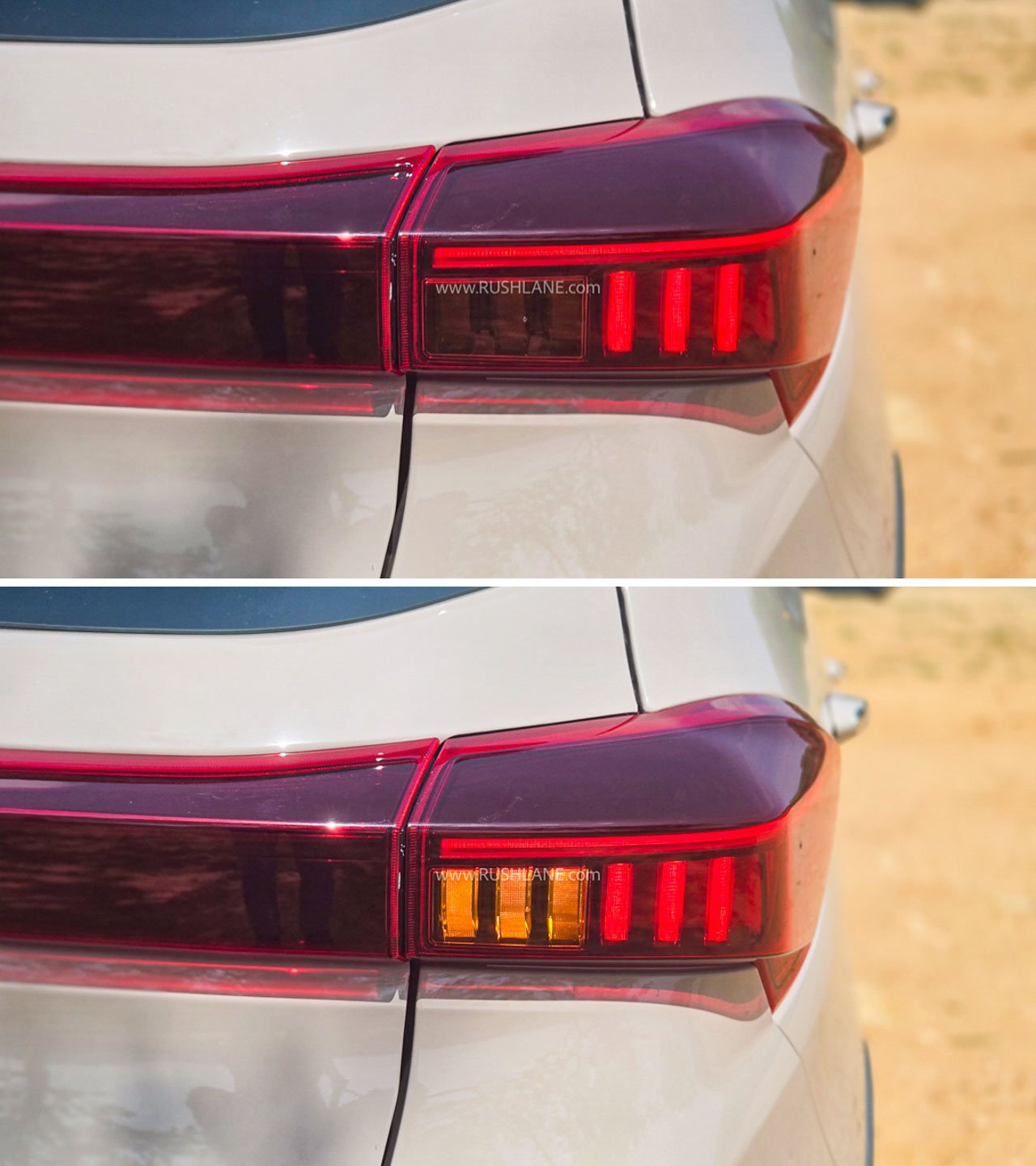
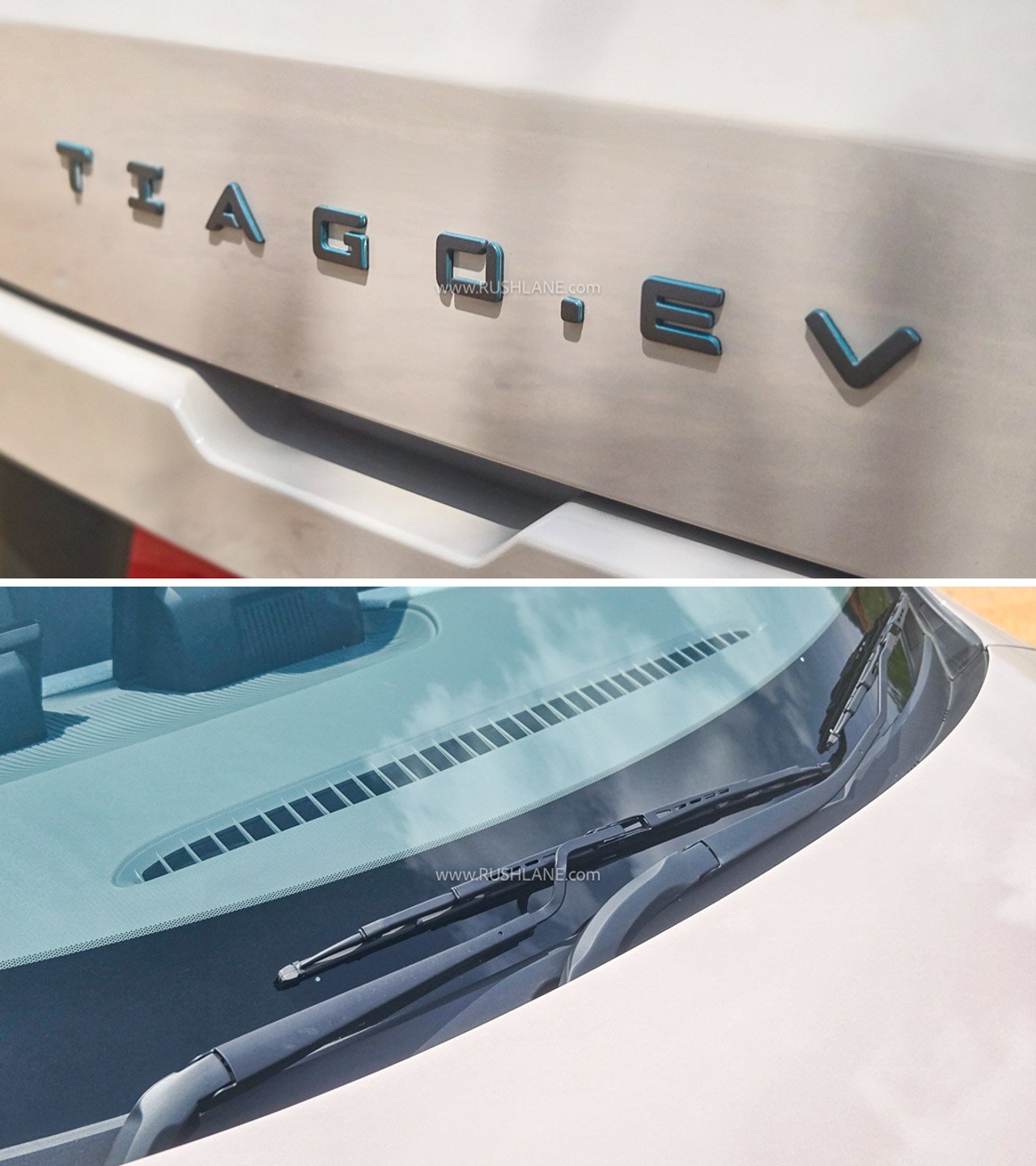
New chrome-studded door handles and black styling elements in the C pillar area are other notable elements. At the rear, we can see a connected tail light effect, but the LEDs are only present in the new LED tail light housings at either end. The Tata logo here also has a white border and blue highlights on the Tiago EV badging. The black roof is optional, adding sophistication to the equation.
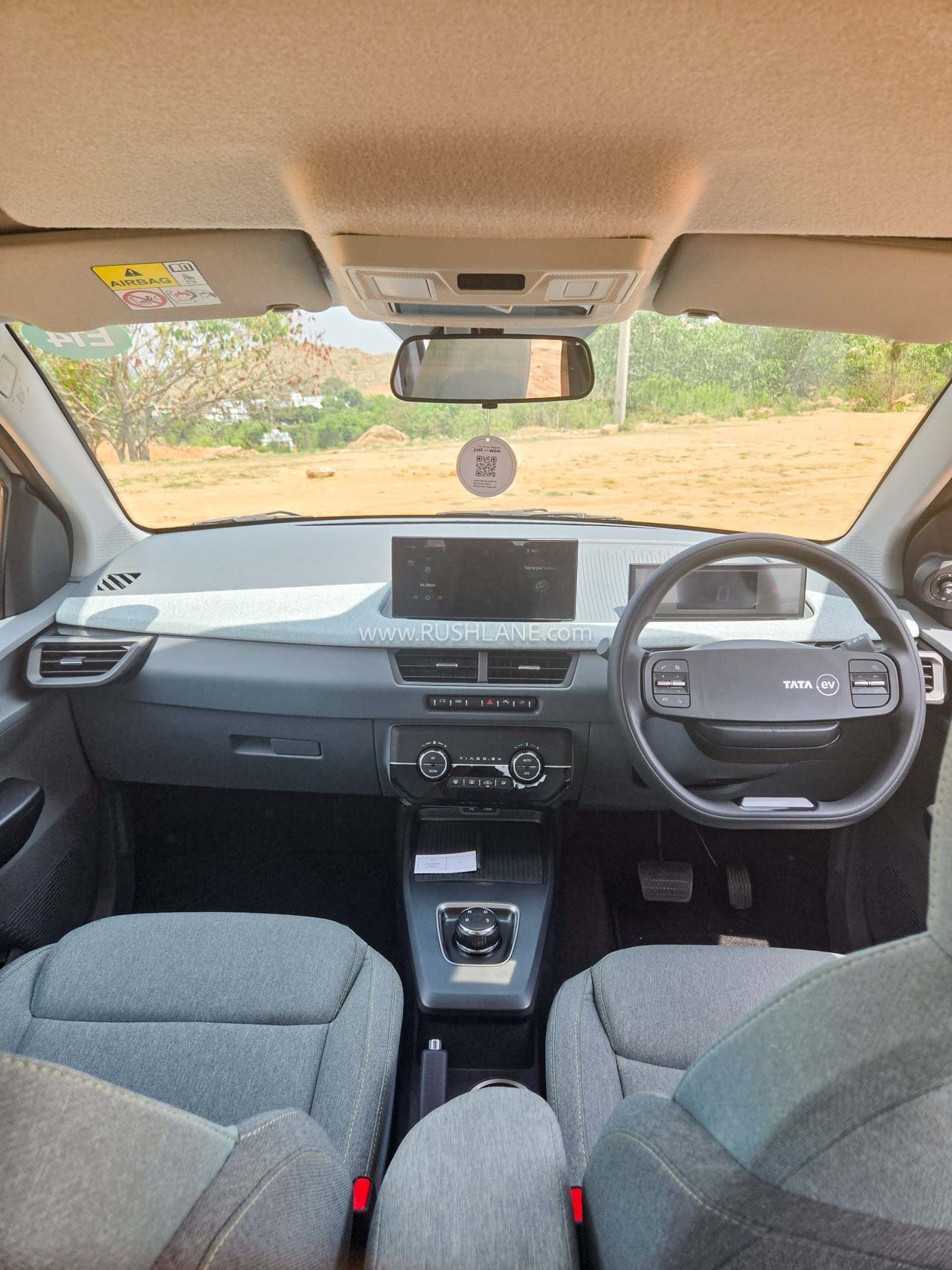
much better interior design
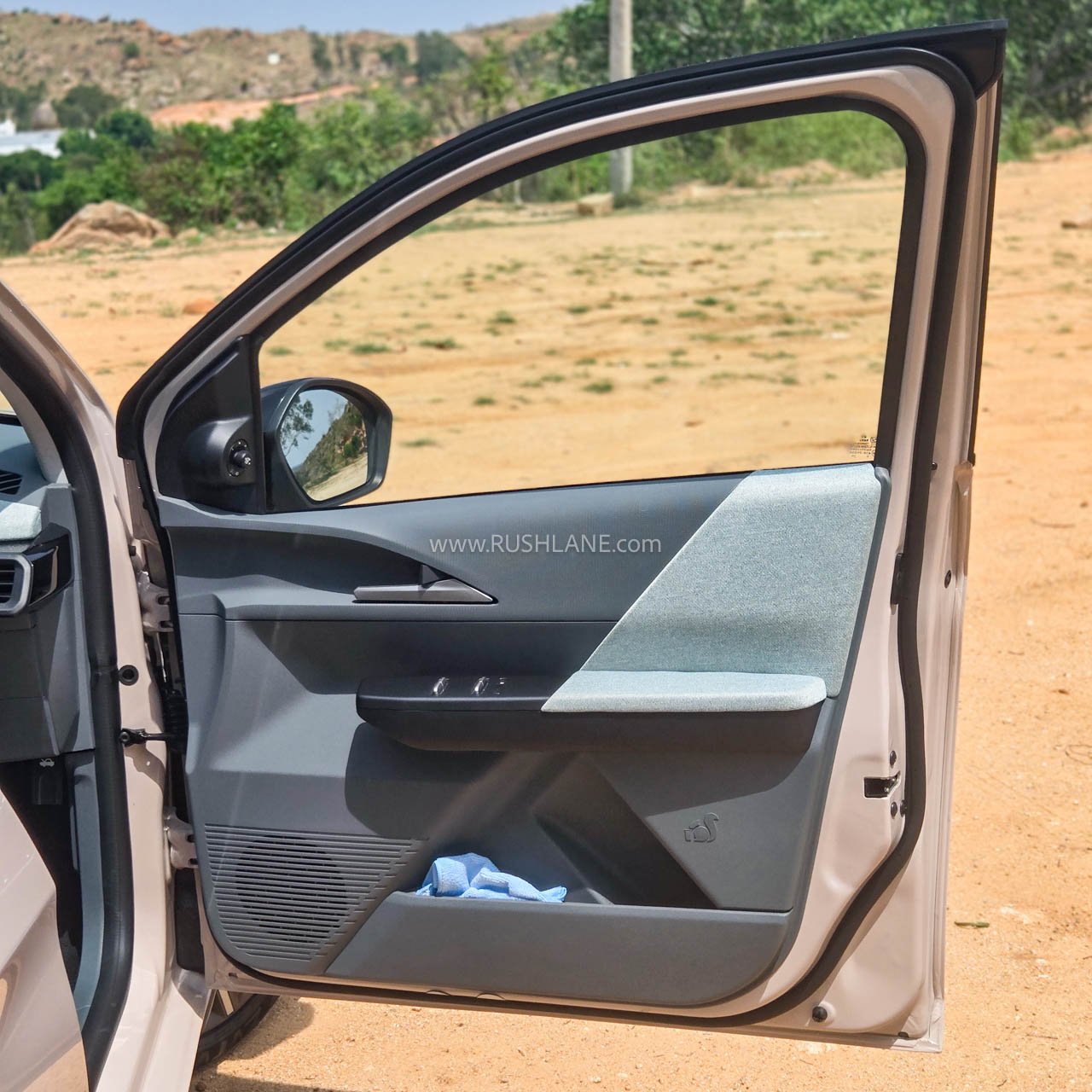
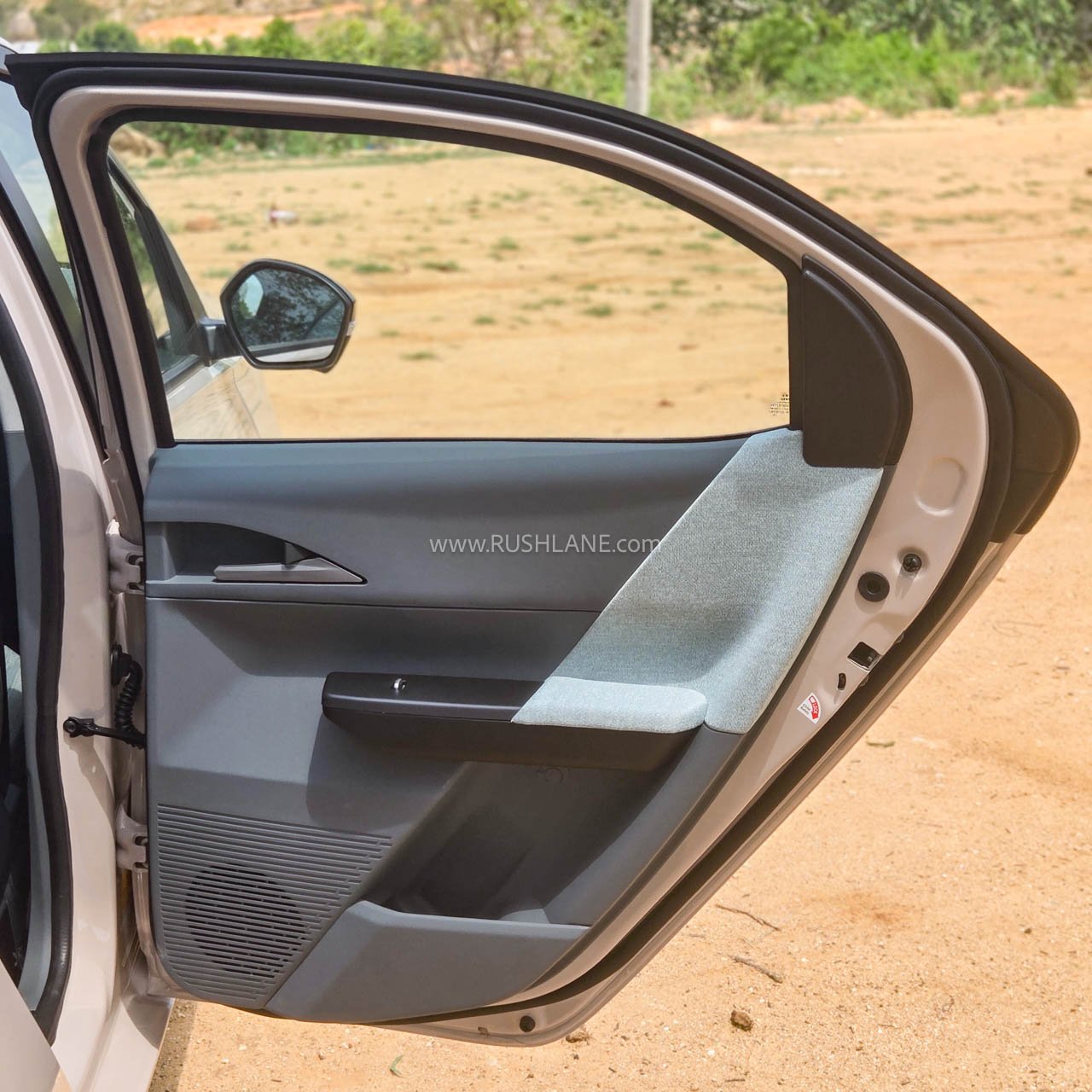
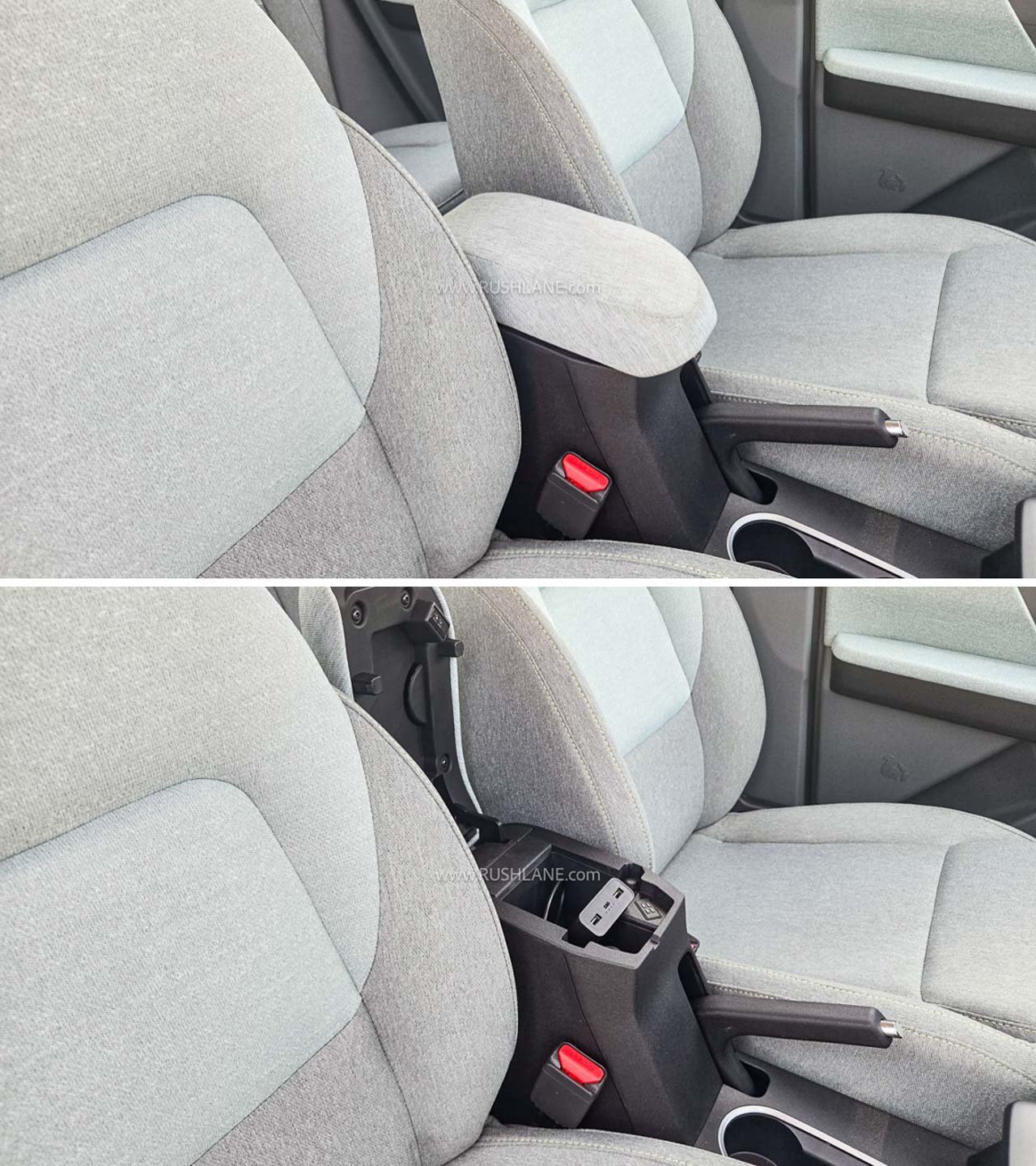
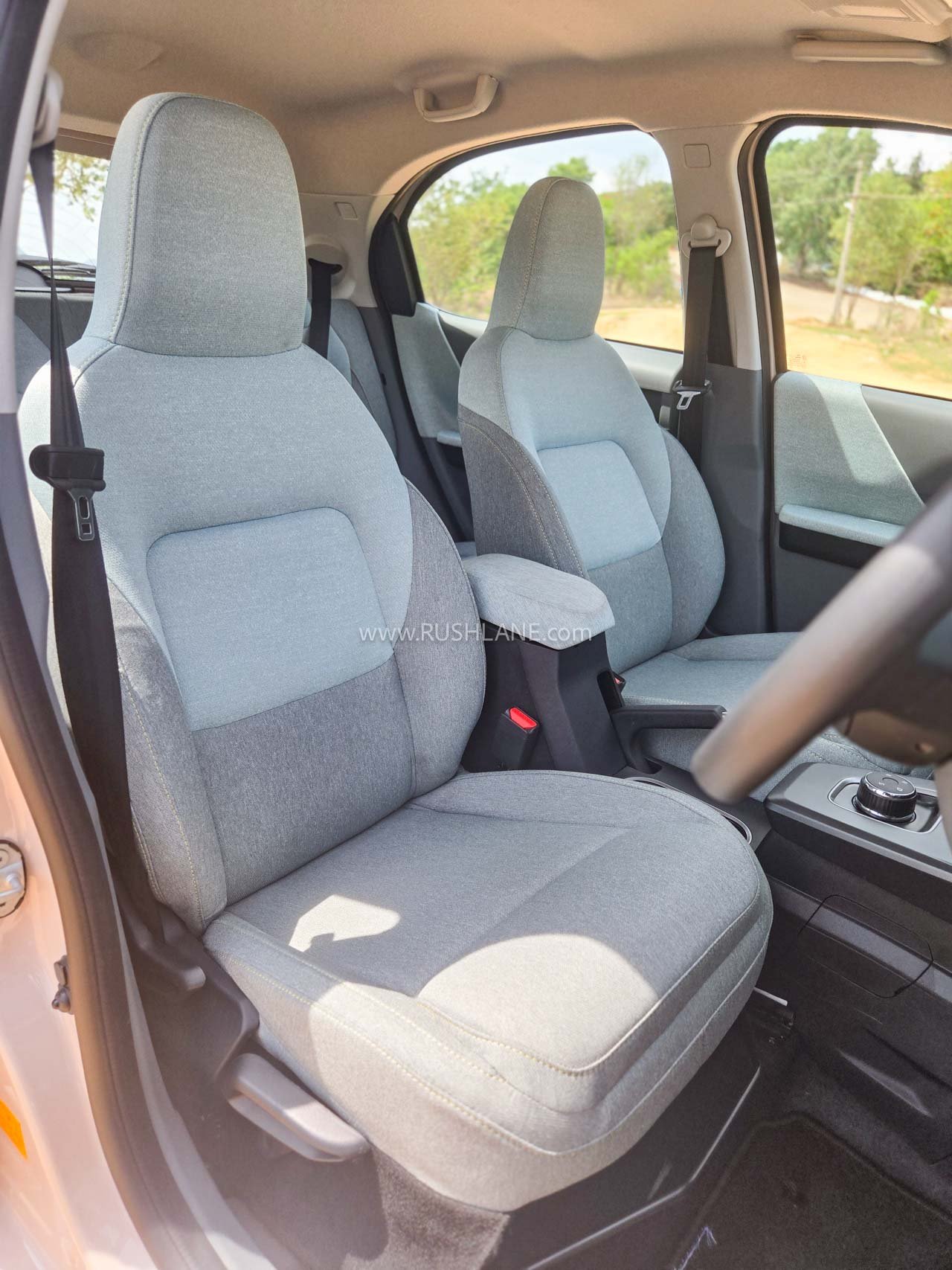
On the inside, the gray plastic of the Punch EV continues on the door trims and dashboard, which looks refreshing in our opinion, unlike the black seen in the Tiago ICE. The Tiago EV also gets a unique green and gray combination that we can see on the door trims, dashboard, upholstery and even the front center armrest. In comparison, the Tiago ICE gets a gray and black combination.
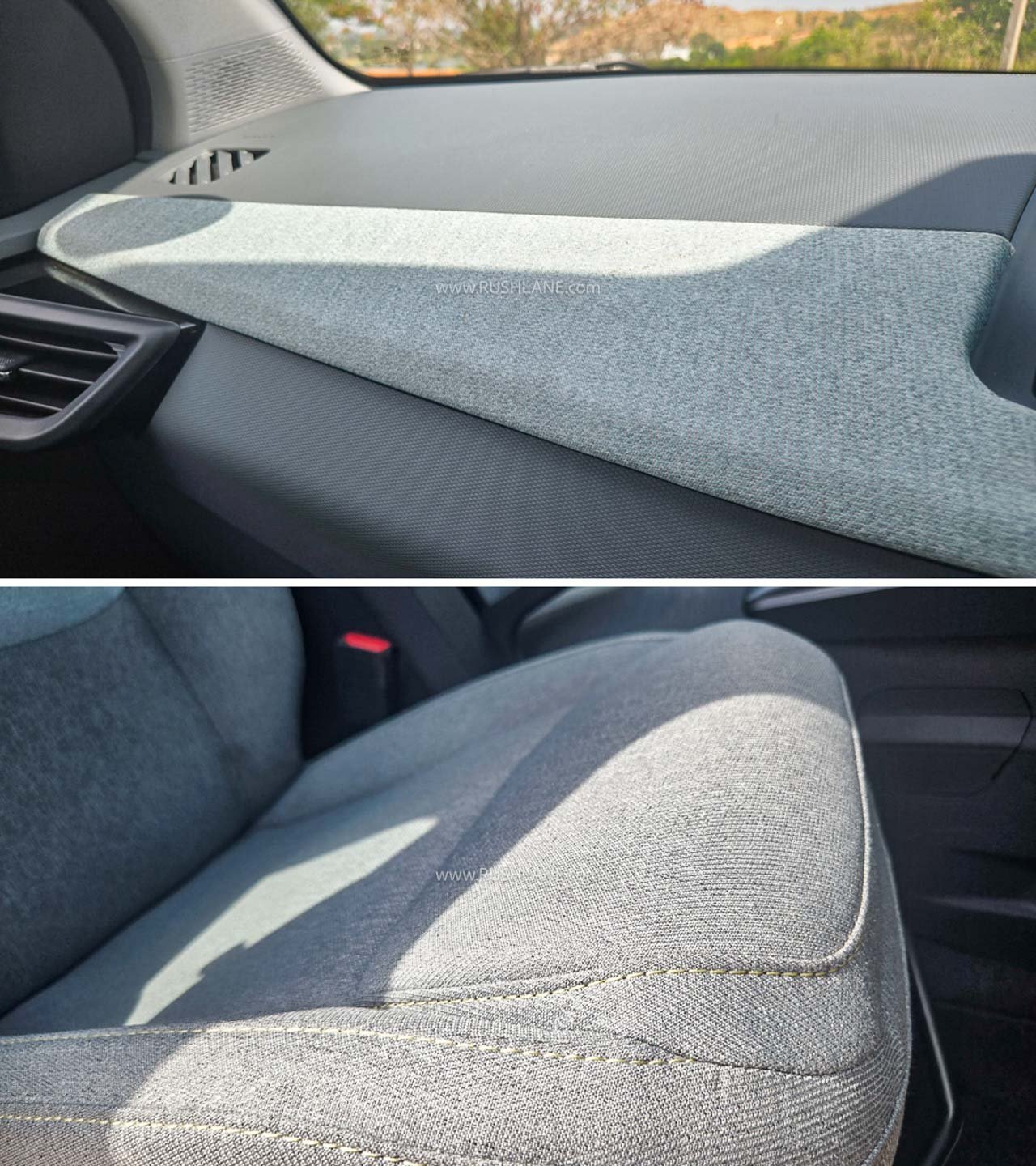
The light green fabric insert may require more care over time, as most media drive vehicles already show obvious signs of stains. We may also see dirt on the dashboard, door trims, and armrests. It’s fabric, not leather, which makes it difficult to clean. The gray instead of green of the Tiago ICE is much better in this regard.
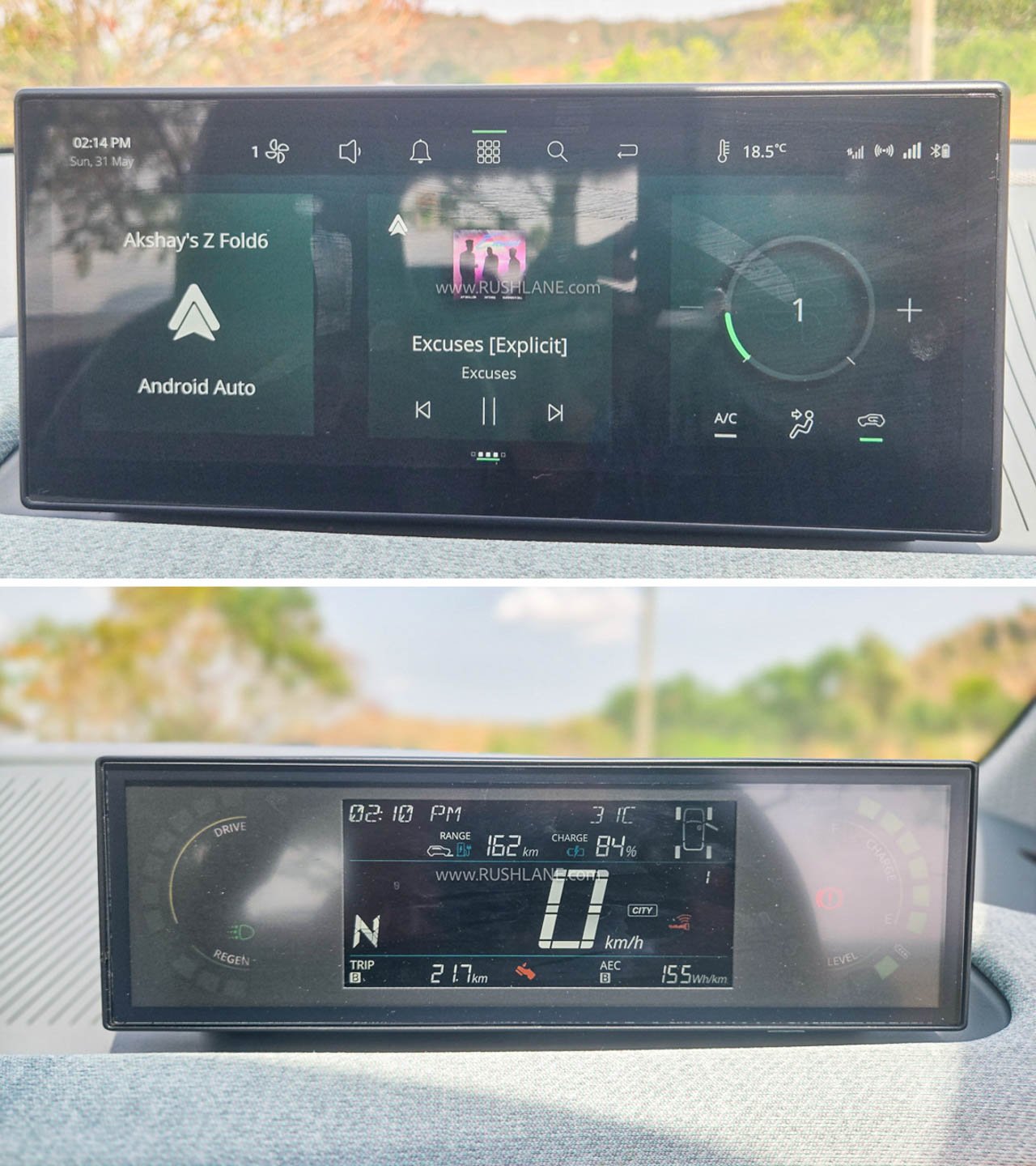
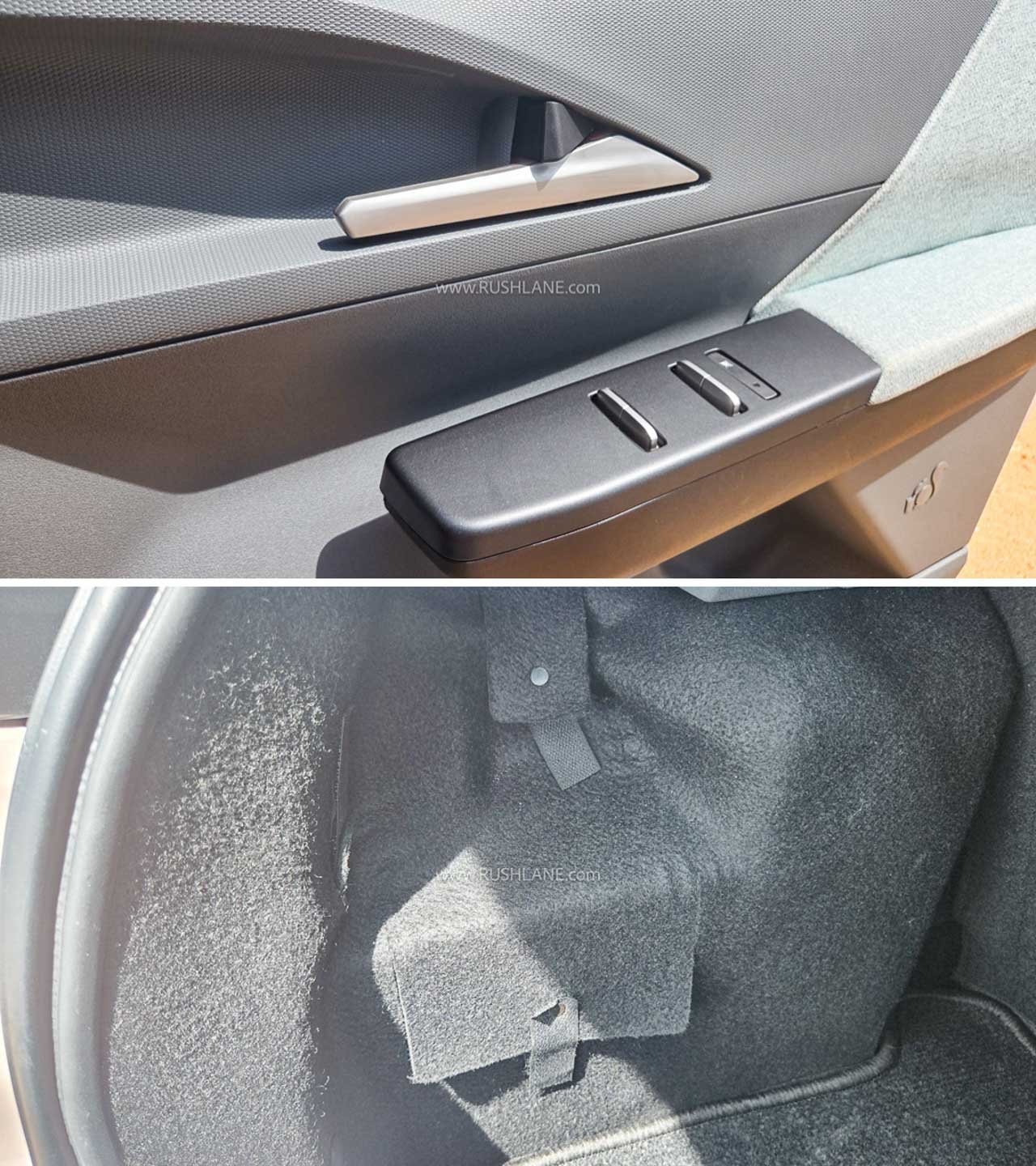
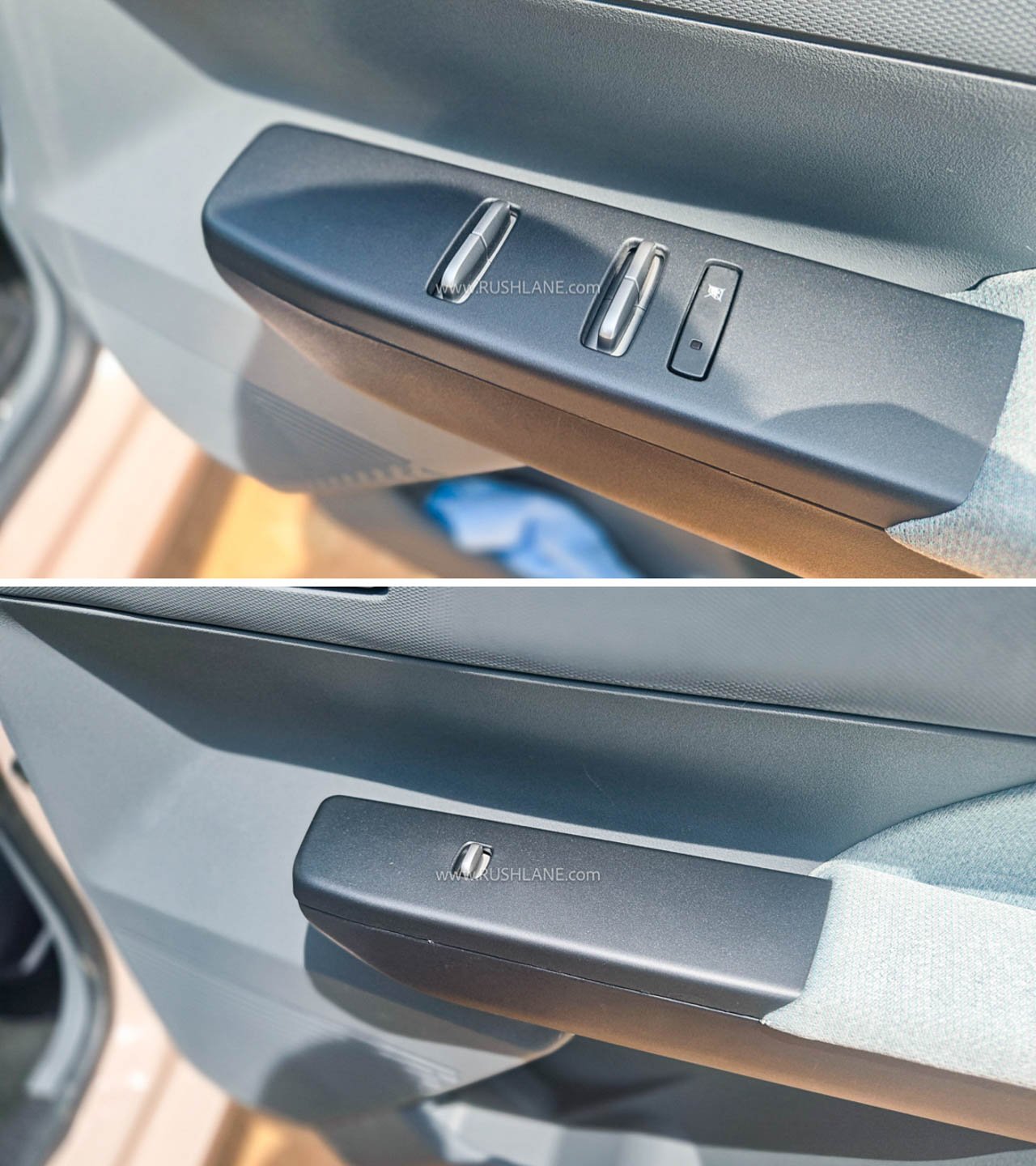
When compared to its predecessor, the interior of the new Tiago EV is a notch up in terms of features, quality, design and layout. The free standing LCD instrument cluster and 10.2-inch infotainment screen give this vehicle a futuristic feel. Sierra-like power window controls are exclusive to the Tiago EV only.
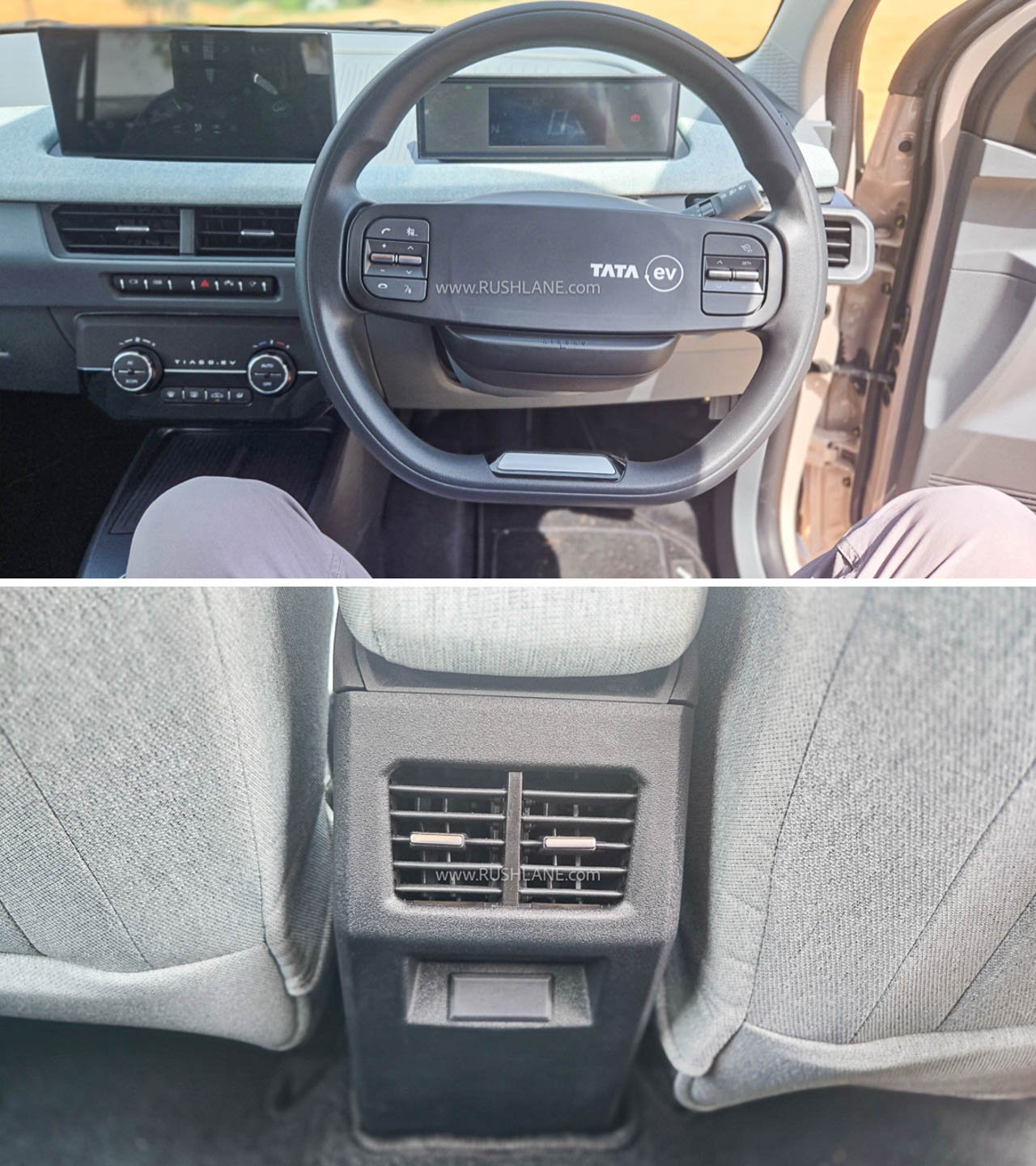
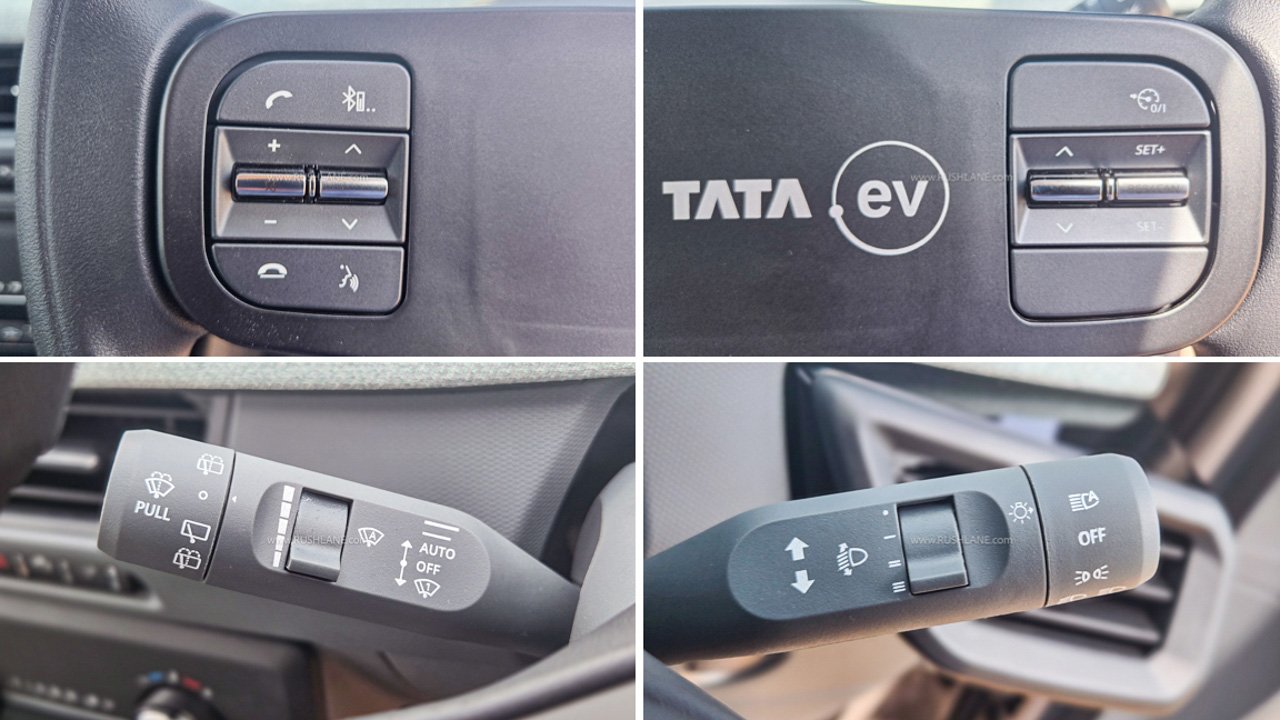
The new Tiago EV is the first vehicle in the history of Tata Motors which does not have the Tata logo on the steering wheel. Instead, it has Tata.ev branding. The steering wheel is new and the gloss plastic has been replaced with matte black elements, which will be better in our opinion. The horn pad is now limited in terms of actuation area, which is a big step forward in our books.
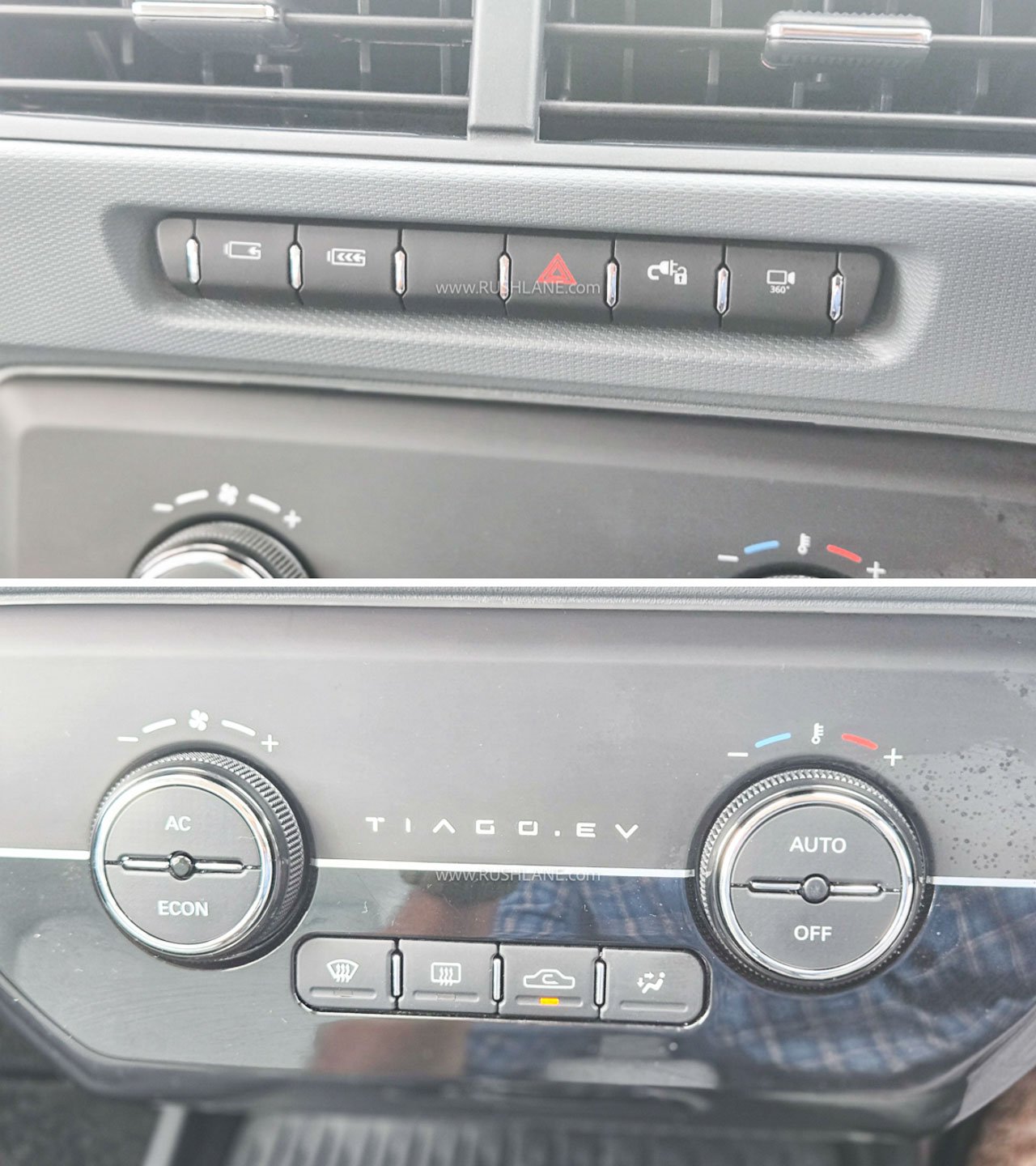
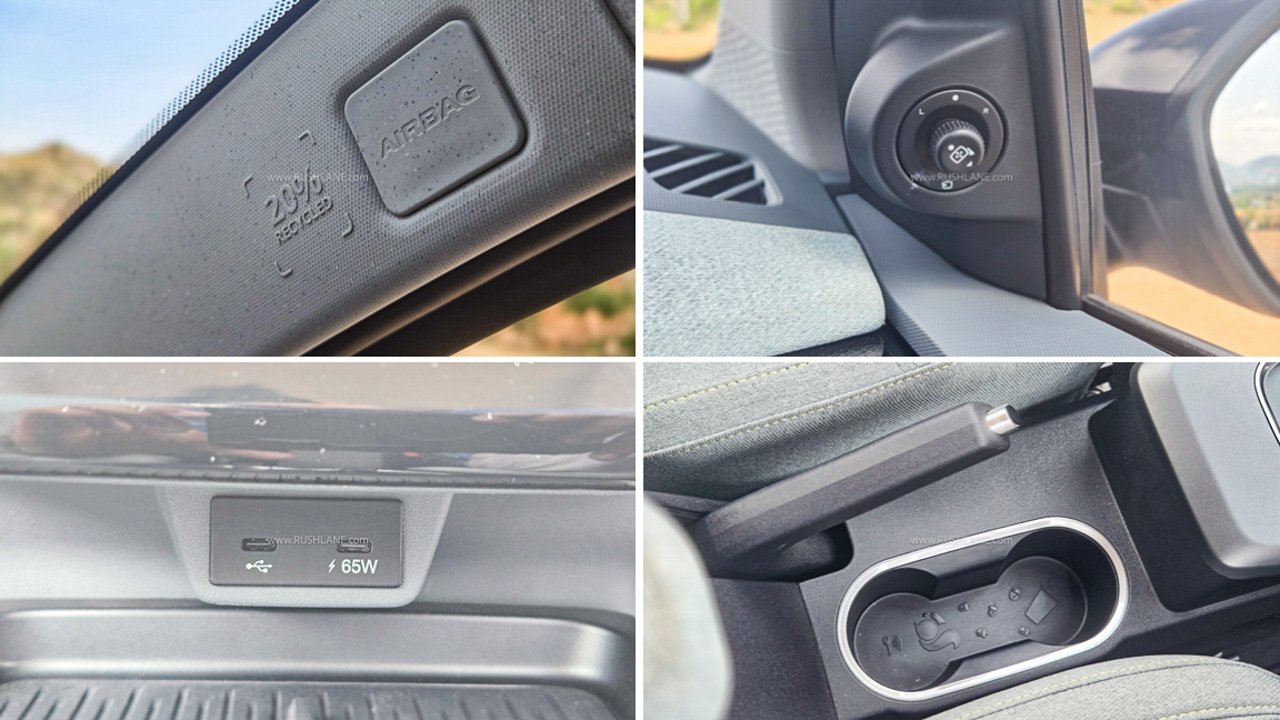
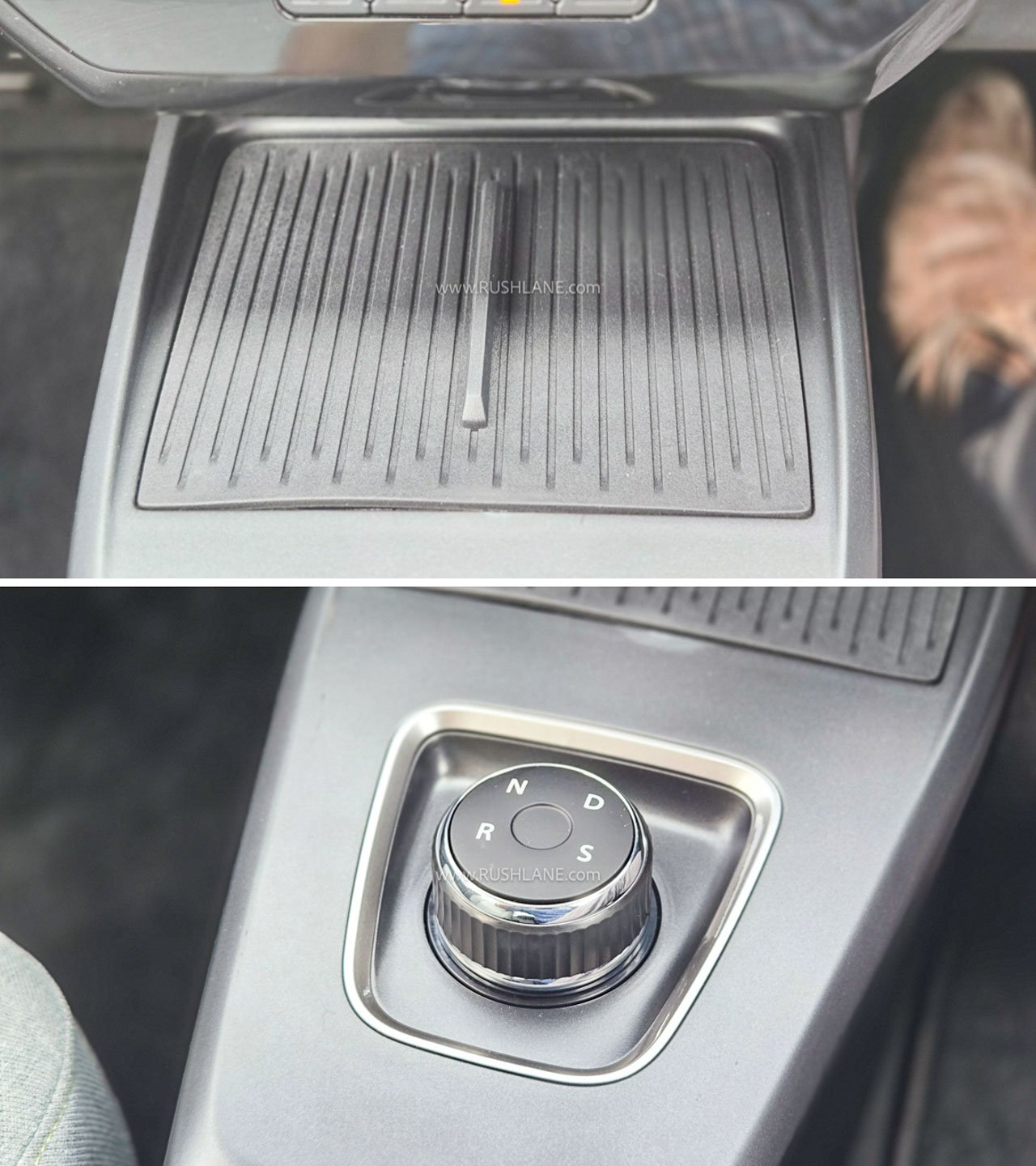
There are dedicated buttons on the updated center console to cycle between the three region levels. Below that is the automatic climate control panel and below that is the area where you see two placeholders for smartphones, but neither of them have a wireless charging pad. However, there is a 65W Type-C charging port on the front.
comfort and convenience
For starters, the dashboard does not intrude into the cabin thereby creating more leg room for the front occupants and as a result, more space for the rear occupants as well. The extra bolstering for the front center armrest, back and under-thigh areas is much appreciated. What is more appreciated is that Tata has provided rear AC vents in the Tiago EV, which is also missing in the new Punch EV.
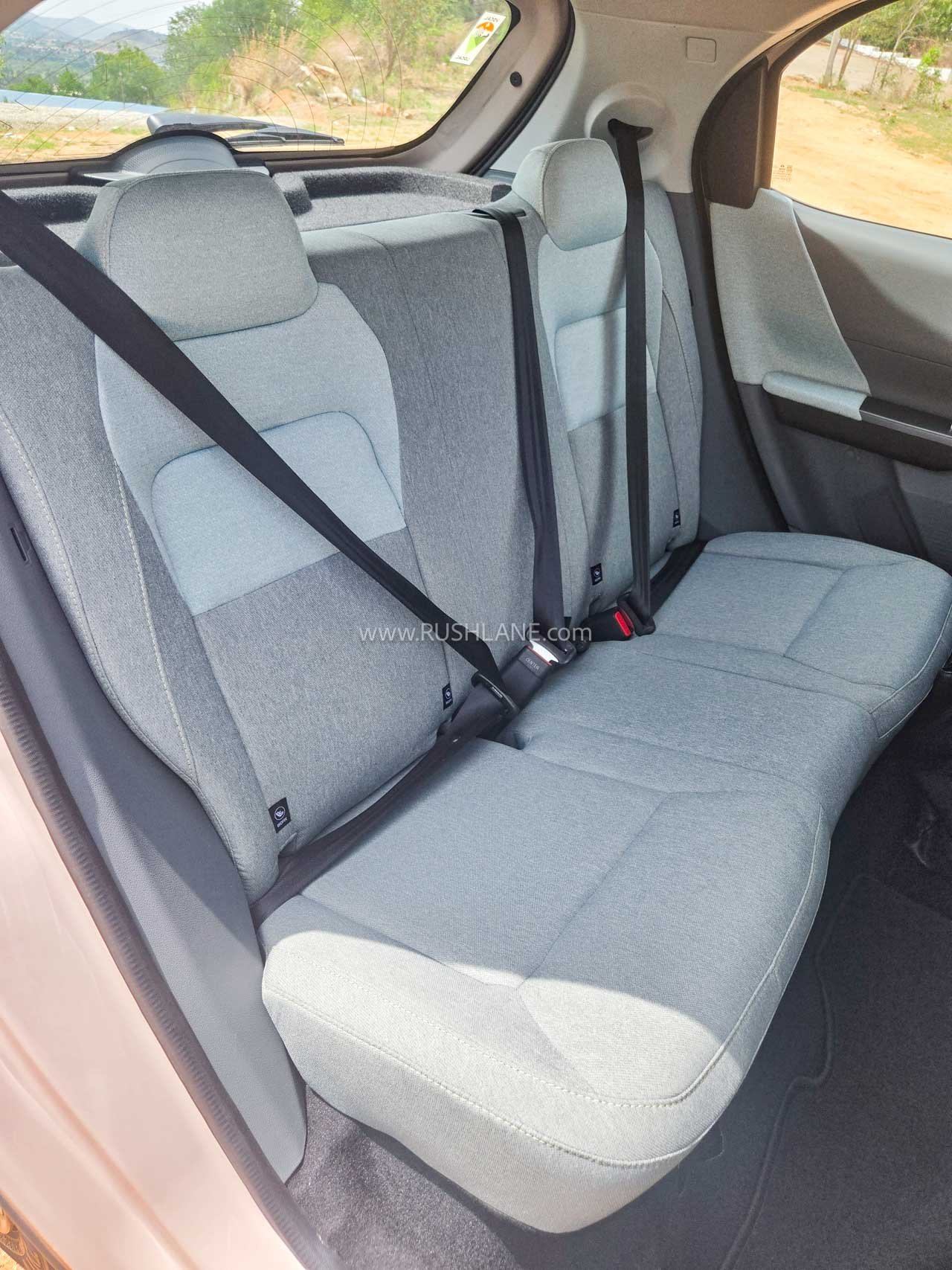
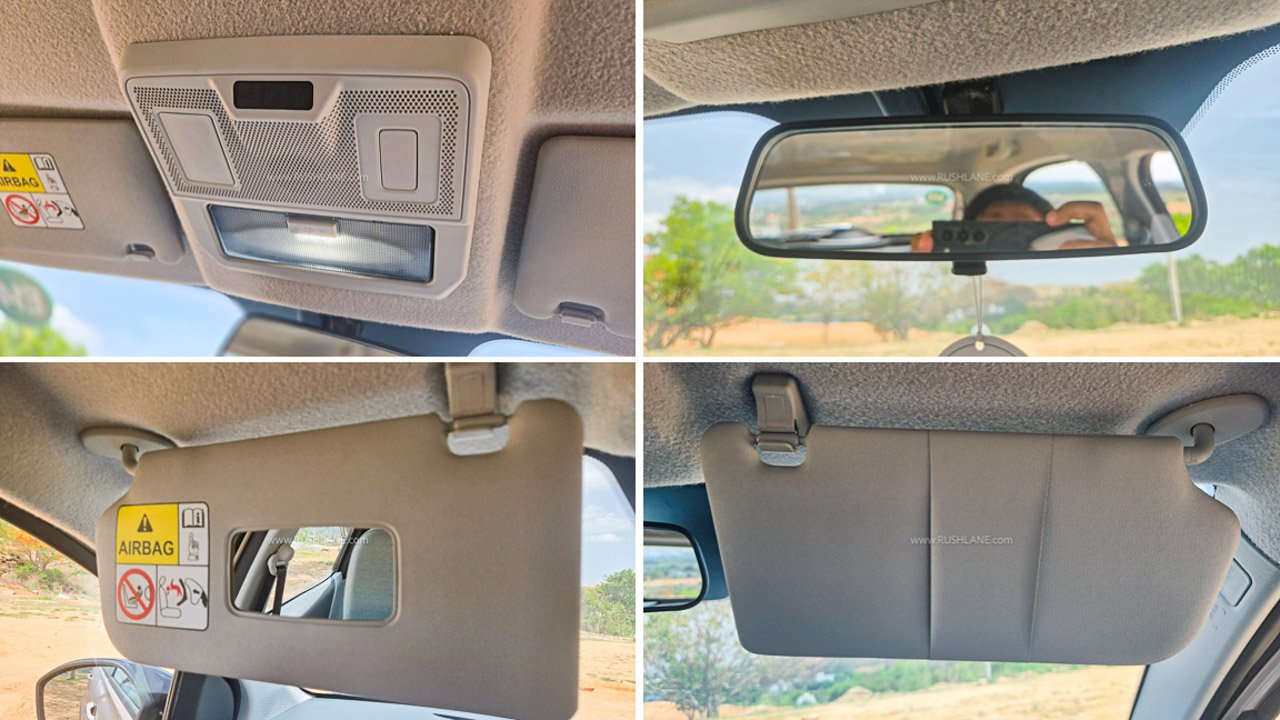
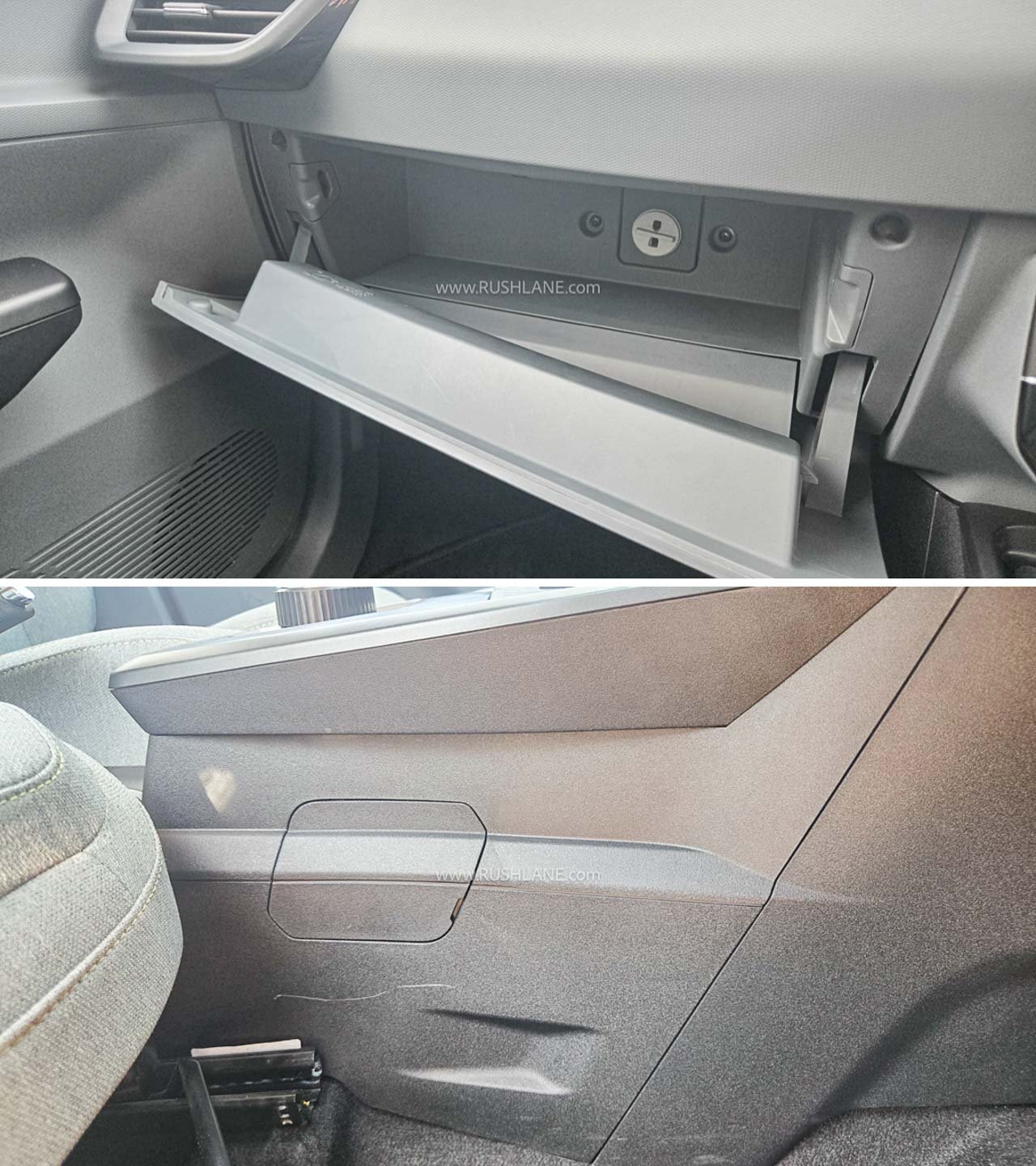
Like the new Tiago ICE, the Tiago EV lacks load sensors for the rear passengers and a 65W Type-C charging port. The latter is only seen with the top-spec Tiago ICE. Automatic headlights and rain-sensing wipers, manually dimming IRVM, cooled glovebox, cruise control, steering mounted audio controls, height adjustable driver’s seat, storage under the front armrest, two cup holders are the notable features.
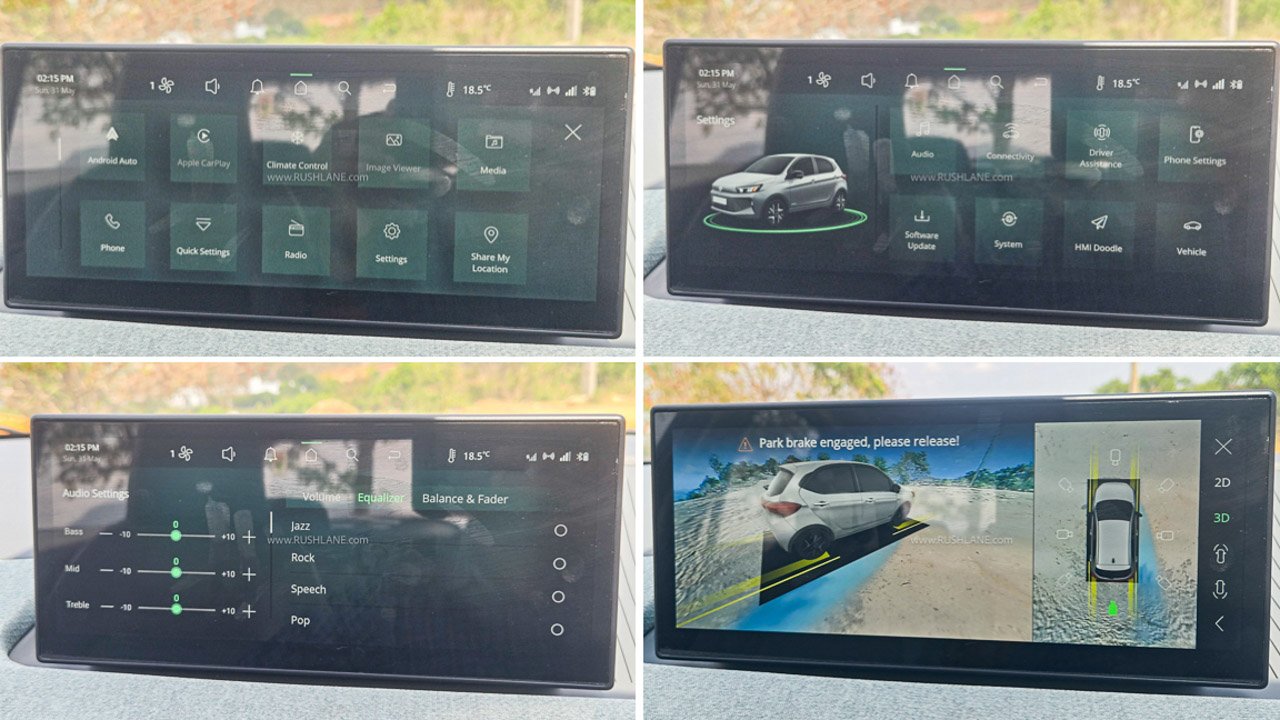
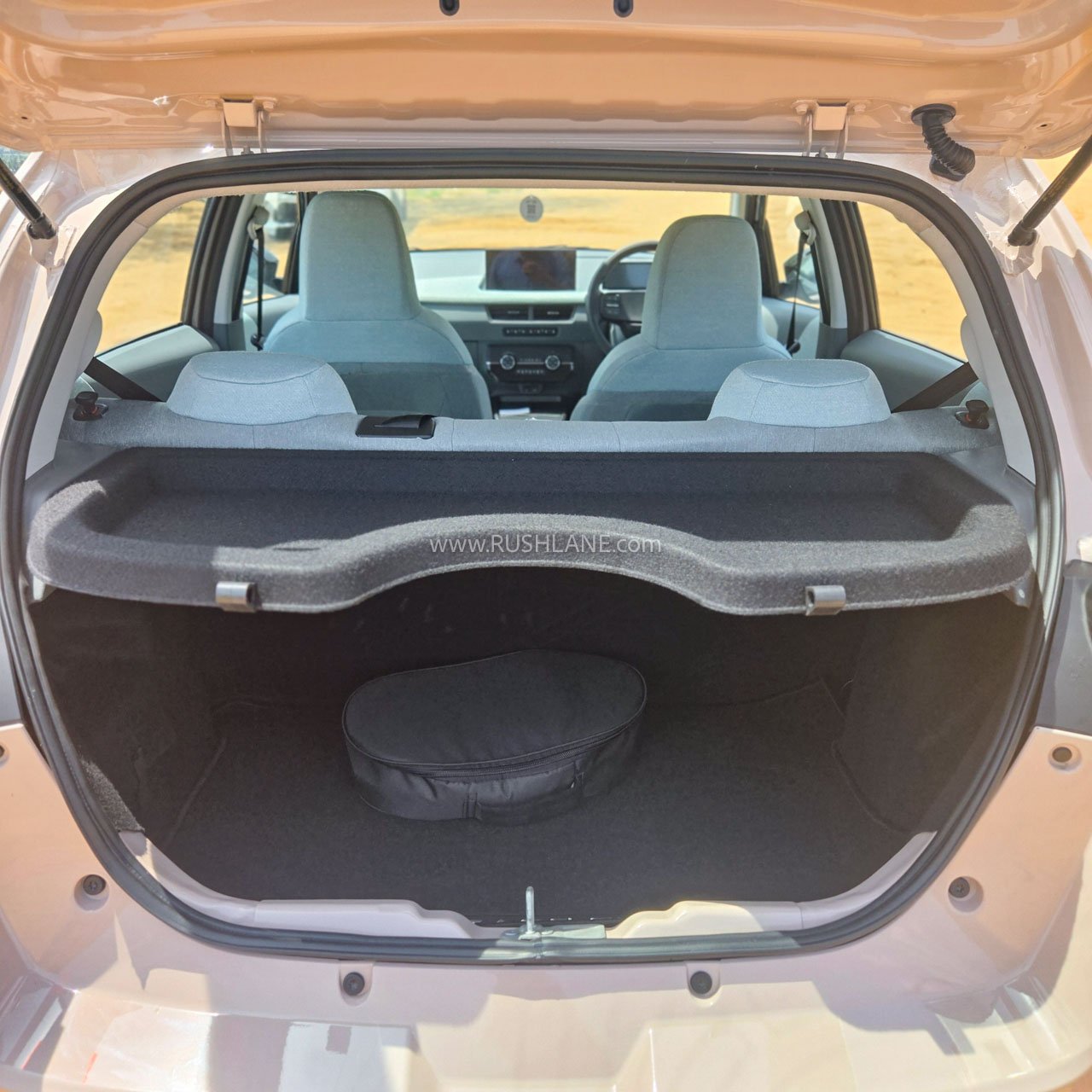
Also worth mentioning are 360-degree cameras, blindspot assist, 20% recycled content, wireless Android Auto and Apple CarPlay, good audio system and others. It should be noted that the Tiago EV pre-facelift version had auto-dimming IRVM (in XZ+Lux LR) and it is no longer available with the new Tiago EV. The boot space remains the same and the Tiago EV facelift does not have a spare wheel as this area is taken up by the battery pack.
Performance and Mobility
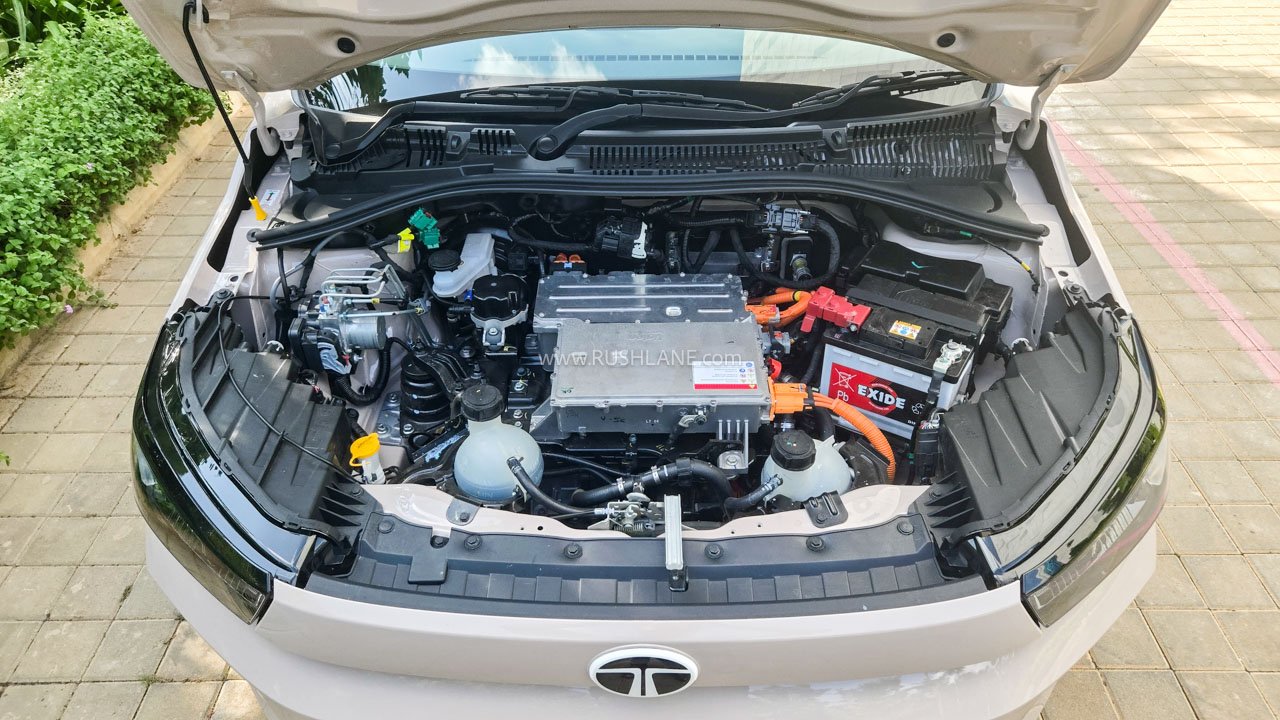
In terms of performance and dynamics, the new Tiago EV is very similar to the model it replaces. While there were expectations of an update to the powertrain like the Punch EV, Tata has kept the battery sizes the same – 19.2 kWh and 24 kWh. The battery warranty is now lifetime, which means until the vehicle registration expires 15 years for the first buyer.
Tata has upgraded the charging speed of the Tiago EV which now allows 30kW DC fast charging, which is 40% faster than before. Since we had very little time with the Tiago EV in Bengaluru on the media drive, we didn’t attempt a charging test, but Tata promises that 100 km of range can be added in just 18 minutes with 30 kW DC fast charging.
With the LR’s 24 kWh battery pack, Tata Motors is promising a range of up to 285 km on a single charge and the C75’s real-world range (75% users) is up to 215 km. The performance of the LR variant we drove is the most exciting among all the other fuel options of the Tiago. We also managed to accelerate from 0-100 km/h in around 10.5 seconds, which is quite exciting for a small hatchback like the Tiago EV.
It runs the same as before as the mechanicals including the platform have not been updated. It is capable of handling rough roads even though it is not advertised as an SUV and bump absorption has always been good. Braking performance remains adequate for everyday use, although enthusiasts will appreciate a more confidence-inspiring setup given the EV’s strong acceleration.
The battery pack options were not updated as Tata is introducing the Tiago EV facelift for buyers with anticipated commutes or even as a second or third city car. For higher range and performance requirements, Tata is selling the Punch EV, Nexon EV, Curvy EV and Harrier EV.
Therefore, the focus was on offering a better cabin experience, better aesthetics, vibrant personality and value-added features and creature comforts to aid everyday commuting. To this end, the new 2026 Tiago EV is definitely a winner, considering that Tata has reduced the prices by up to Rs 1.15 lakh (ex-sh).
Should you buy one?
At its revised price, the Tiago EV makes a strong case for itself as an urban commuter. It offers faster performance, lower operating costs, better features and a more modern cabin experience than before. Although concerns remain regarding quality consistency and aftersales experience, the product is much better than its predecessor and deserves consideration by anyone looking for an affordable EV.