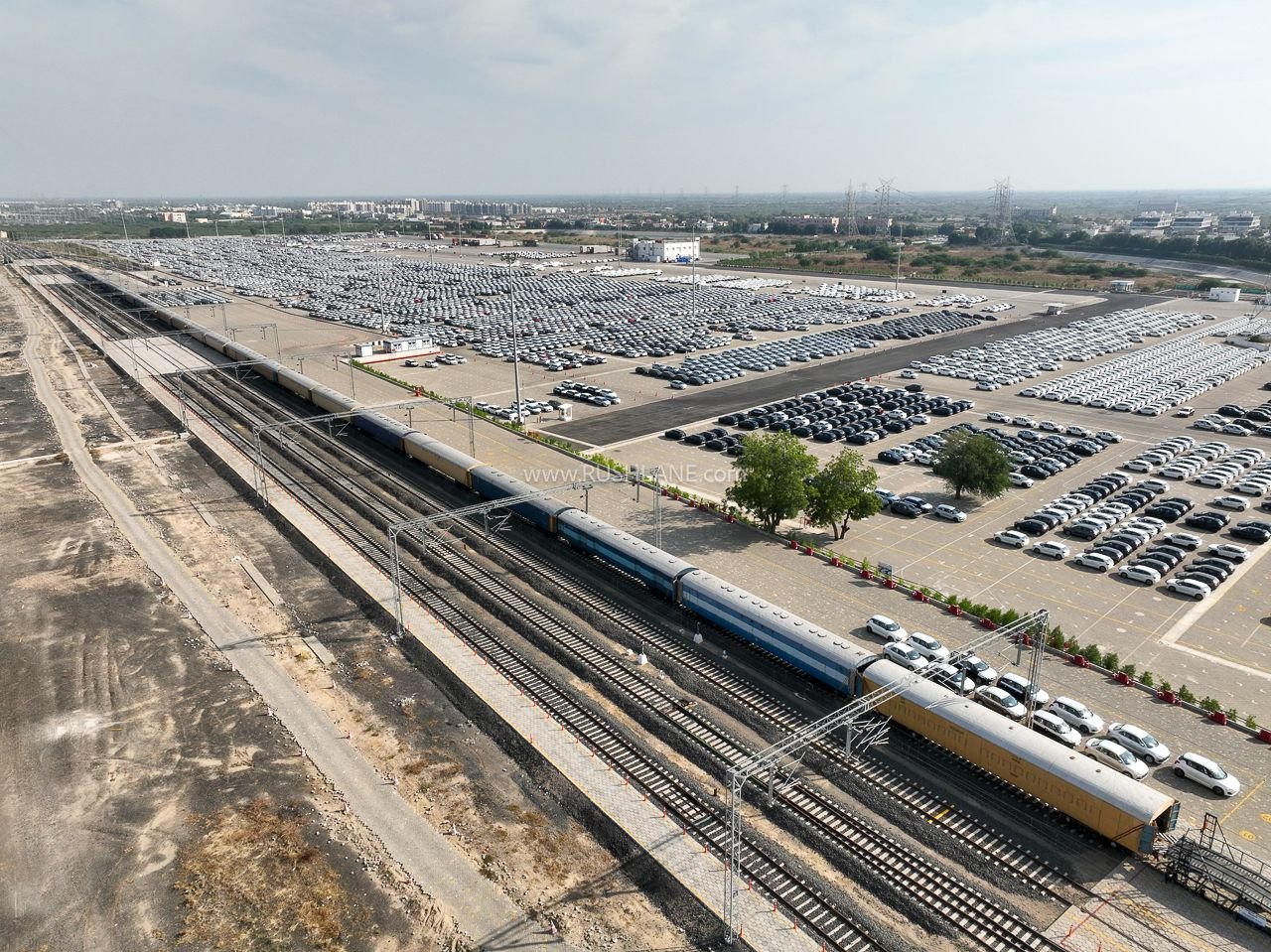
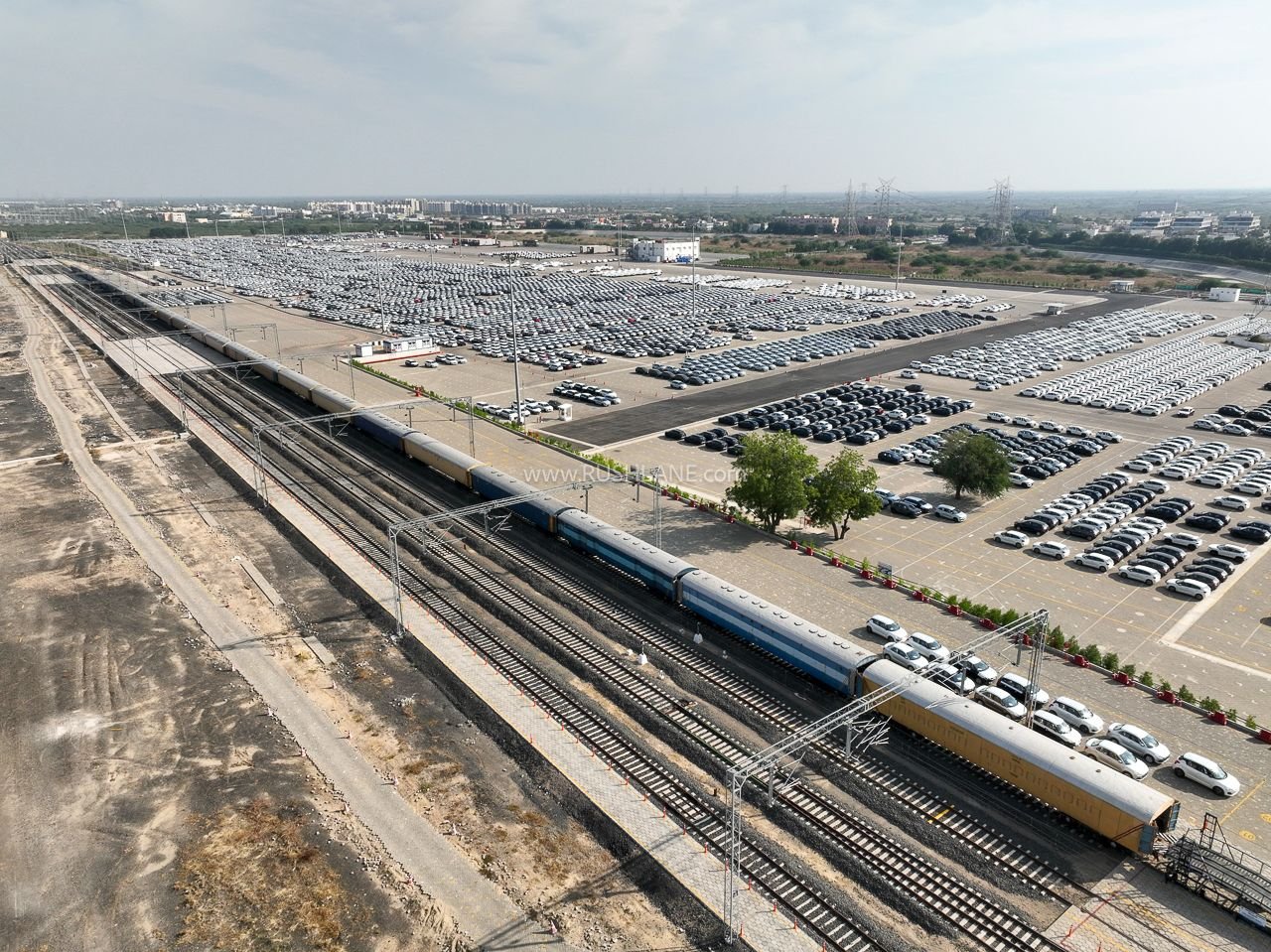
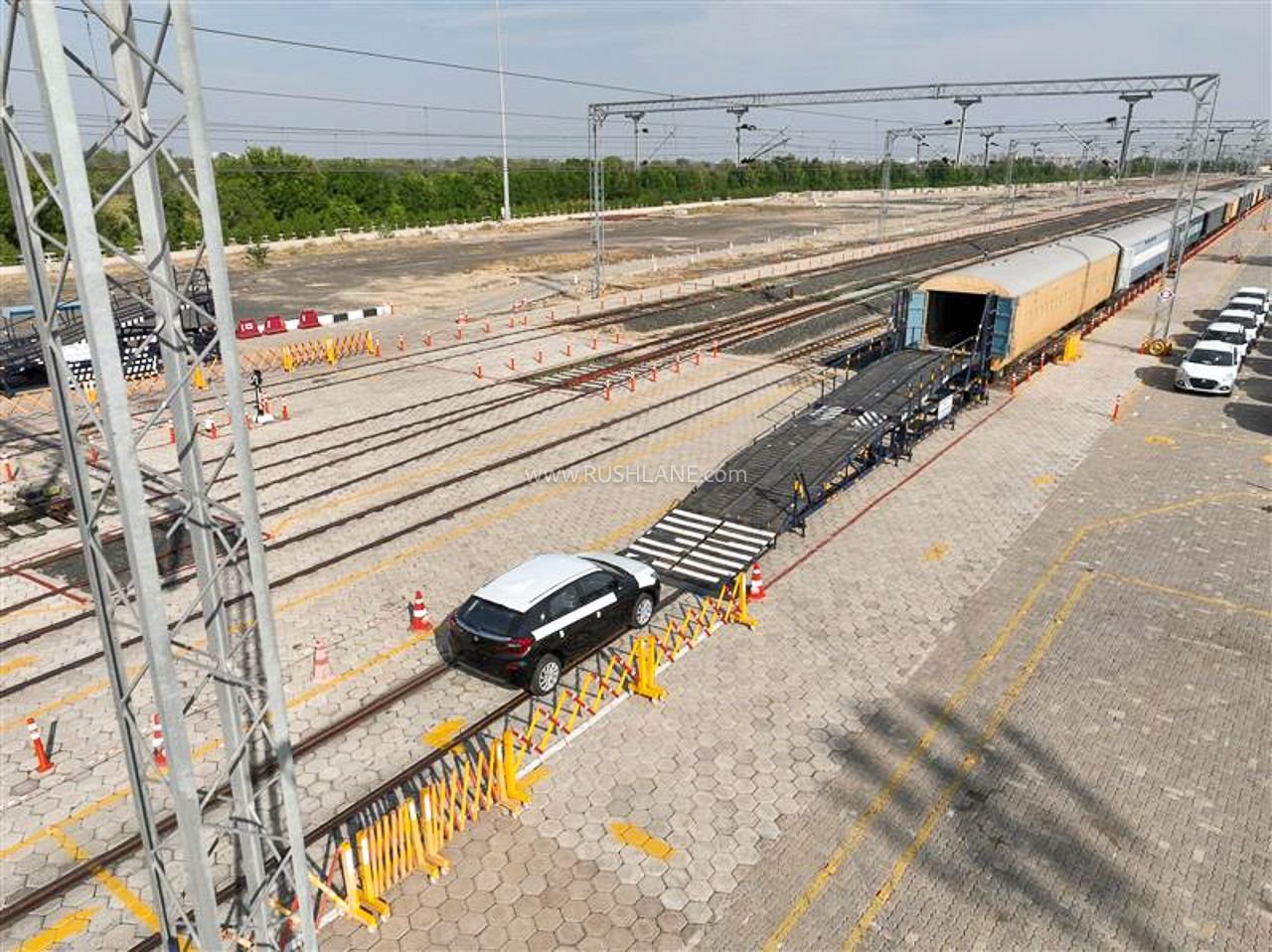
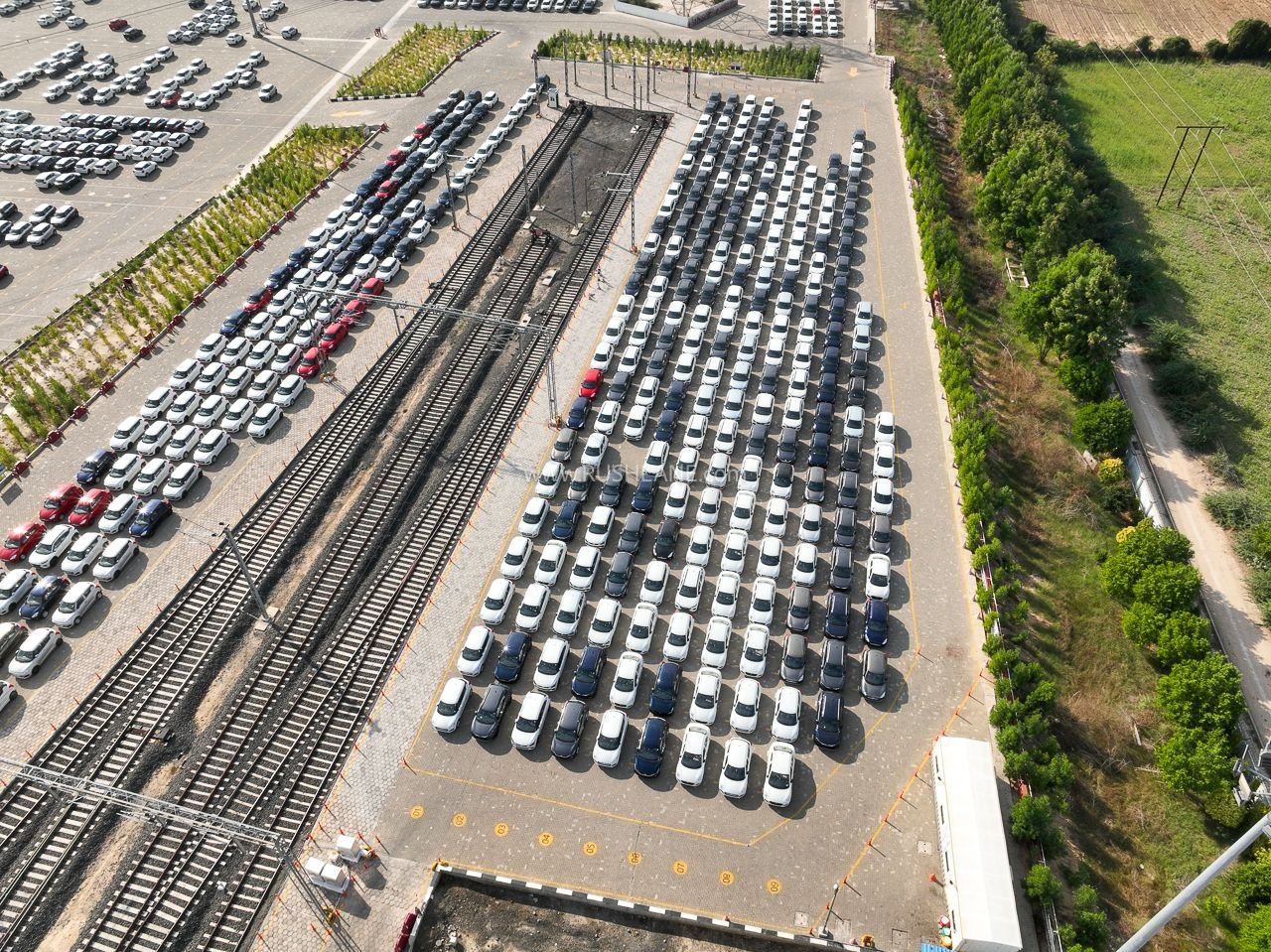
Maruti Suzuki India Limited has achieved a global sustainability milestone, with its Gujarat in-plant railway siding being registered as the world’s first Model Shift Transportation Project under the Verified Carbon Standard (VCS) program of Vera – the world’s largest voluntary carbon credit registry.
This landmark project focuses on shifting vehicle dispatch operations from road to rail, a more efficient and environmentally sustainable mode of transportation. Over the 10-year credit period from FY 2023-24 to FY 2032-33, this initiative is expected to reduce approximately 1.7 lakh tonnes of CO2 equivalent (CO2e) emissions.
1.7 lakh carbon credits in 10 years
Emissions reductions have been quantified using the AM0090 methodology prescribed under the Clean Development Mechanism (CDM) of the United Nations Framework Convention on Climate Change (UNFCCC). Following independent verification of carbon savings, Vera will issue approximately 1.7 lakh carbon credits to Maruti Suzuki under its VCS programme. This makes Gujarat In-Plant Railway Siding the first project globally in the Model Shift Transportation category to be registered under the VERA framework.
Promote sustainable logistics
By leveraging rail transport for vehicle dispatch, Maruti Suzuki has significantly reduced the carbon footprint of its logistics operations. Rail transportation not only reduces greenhouse gas emissions per vehicle but also helps reduce road congestion and fossil fuel consumption.
Commenting on this achievement, Hisashi Takeuchi, Managing Director and CEO, Maruti Suzuki India Limited, said that this recognition is a proud moment for the company. He said the transition from road to rail demonstrates how operational efficiency and environmental responsibility can go hand-in-hand, reinforcing the company’s commitment to sustainability and India’s broader net-zero ambitions.
Contribution to the United Nations Sustainable Development Goals
In addition to carbon reduction, the project also contributes to several UN Sustainable Development Goals (SDGs), including good health and well-being (SDG 3), decent work and economic growth (SDG 8), and climate action (SDG 13). With this initiative, Maruti Suzuki not only sets a benchmark in automotive logistics but also highlights how large-scale industrial operations can integrate sustainability into core business practices.