
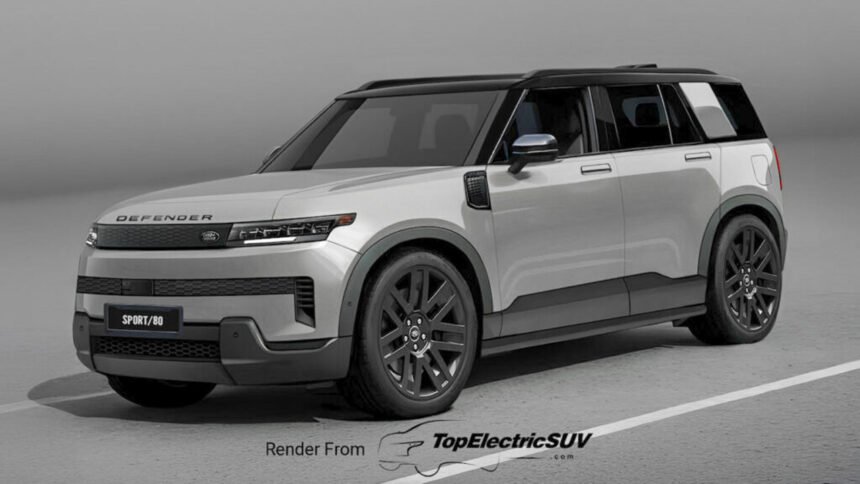
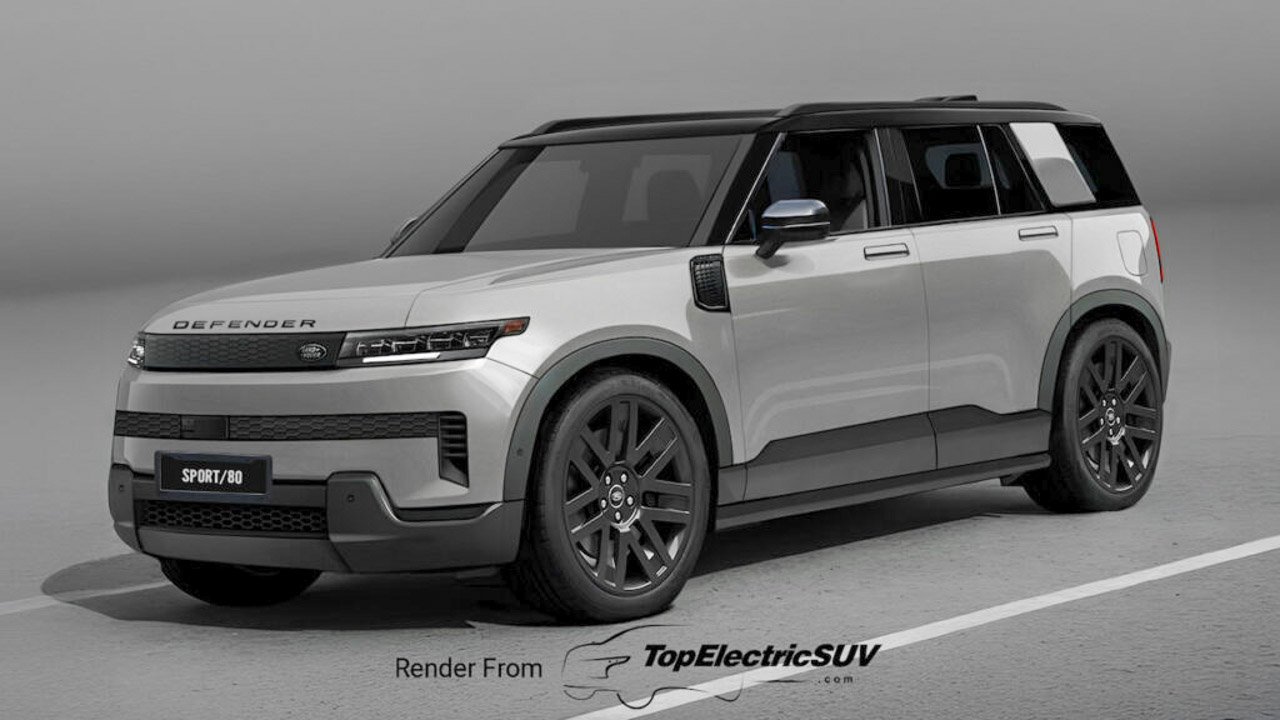
Adding hybrid option for Baby Defender signals the transition to electric may take longer in some markets
Launching smaller, more road-oriented versions of the popular Range Rover and Discovery SUVs has become a successful strategy for Land Rover. Some relevant examples include the Range Rover Evoque, Range Rover Sport, Range Rover Velar and Discovery Sport. Working on this vision, Baby Defender was conceived.
According to the original plan, the Baby Defender was to be offered only in BEV format. It was to be built on the electric-only EMA architecture. However, with the latest official input, it has been confirmed that the baby Defender will also get a full hybrid option. To accommodate the hybrid powertrain, the electric-only EMA architecture is being reworked.
Baby Defender Hybrid – What to Expect?
Specific details regarding the hybrid setup for the Baby Defender have not been revealed. However, it is known that it will be a full hybrid setup and not a PHEV (plug-in hybrid) or mild hybrid. The decision to add a full hybrid option with the Baby Defender is likely based on changing consumer preferences. The US is one of the key markets for Land Rover, where demand for BEVs appears to be declining.
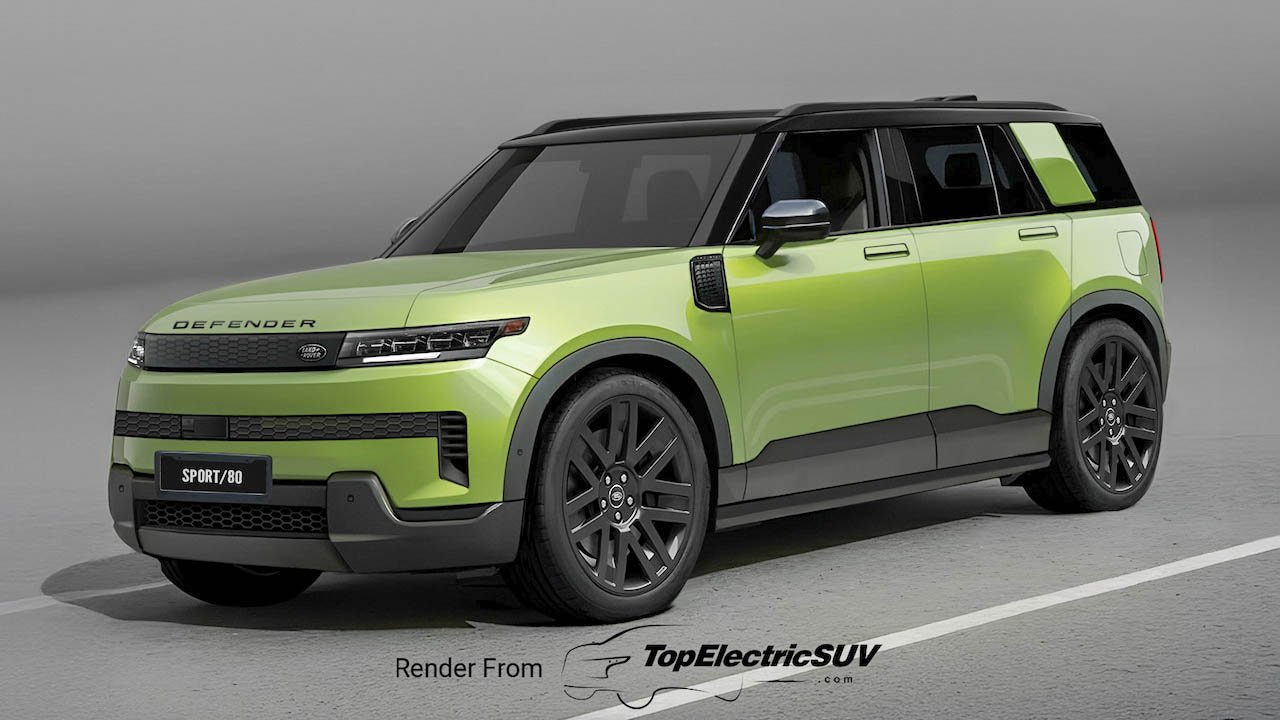
In comparison, demand for full hybrids has increased in the United States. Full hybrids are being preferred for many reasons such as better fuel economy and absence of range anxiety and charging issues. Incentives for BEVs have also been removed, making hybrids a more accessible option in the United States. Furthermore, it is estimated that full electrification in markets such as the United States may take decades.
Hybrids are essentially the middle ground that many people are now gravitating towards. By offering both BEV and full hybrid versions of the Baby Defender, a larger segment of potential buyers can be targeted. However, there may be some challenges, as the original electric-only EMA architecture is being reworked to accommodate a full hybrid setup. This will require additional time, money and resources.
Even the BEV version of the baby Defender faced some challenges in combining 4×4 capabilities with its electric underpinnings. Defender boss Mark Cameron explained that the wheel articulation is affected due to the floor-mounted battery pack. This applies when the vehicle is traveling through rough terrain. With the Defender’s straight and boxy profile, the increased wind resistance has an adverse effect on overall range. There will be no such problems with the stronger hybrid version of Baby Defender.
Introduction of EMA Architecture
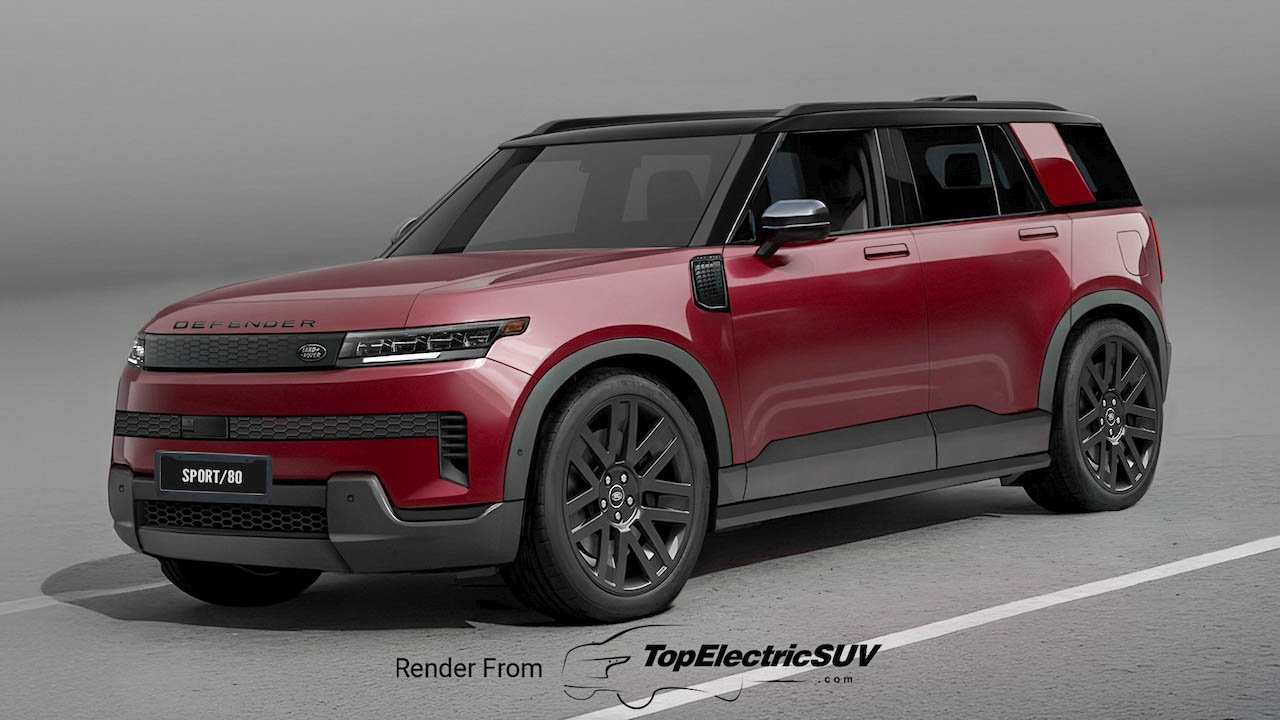
Test mules of the Baby Defender BEV version have been spotted several times. However, the baby Defender will not be the first Land Rover model to be launched with the EMA architecture. It will first be used with a Range Rover model, which could be the new Velar. The next Evoque is also expected to get EMA architecture.
According to the new gameplan, the Range Rover, Defender and Discovery models will use different powertrains such as mild-hybrid, hybrid, plug-in hybrid and fully electric options. In comparison, Jaguar models will remain committed to achieving an all-electric portfolio. Under this plan, Jaguar is working on Type 01 sedan. This 4-door luxury grand tourer with 1,000+ hp output is expected to be launched later this year.
To expand its presence in the US market, JLR has also partnered with Stellantis for new products and technologies. Considering the preference for trucks in the US market, a pickup based on the Defender could be a possibility. A large rugged SUV could also be considered. With the Stellantis deal, new JLR models for the United States may actually use the Stellantis platform.