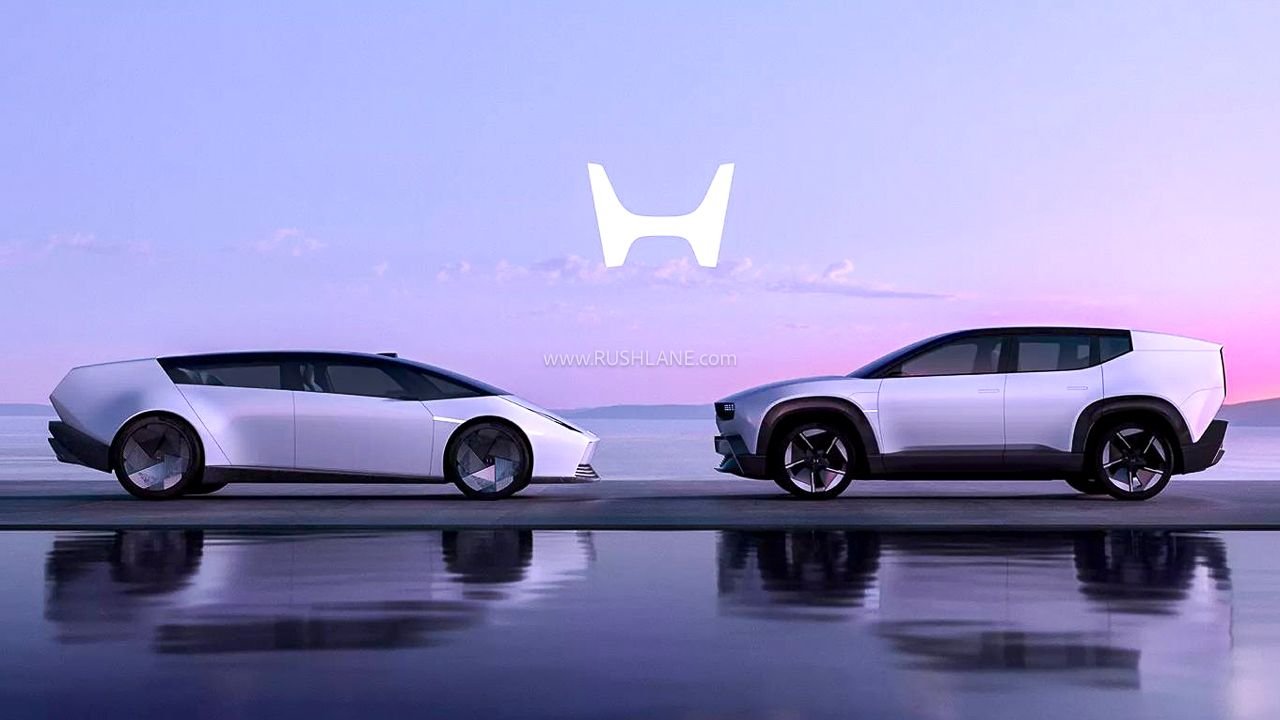
Honda Motor Co. has announced a major reassessment of its global automobile electrification strategy, canceling three electric vehicle models that were previously planned for production in North America. The move comes amid declining demand for EVs, changes in regulations and increasing competition in key global markets. As part of this strategic shift, Honda has also highlighted India as a key market where it will strengthen its product lineup and improve cost competitiveness to support future growth.
Three Honda EV models canceled
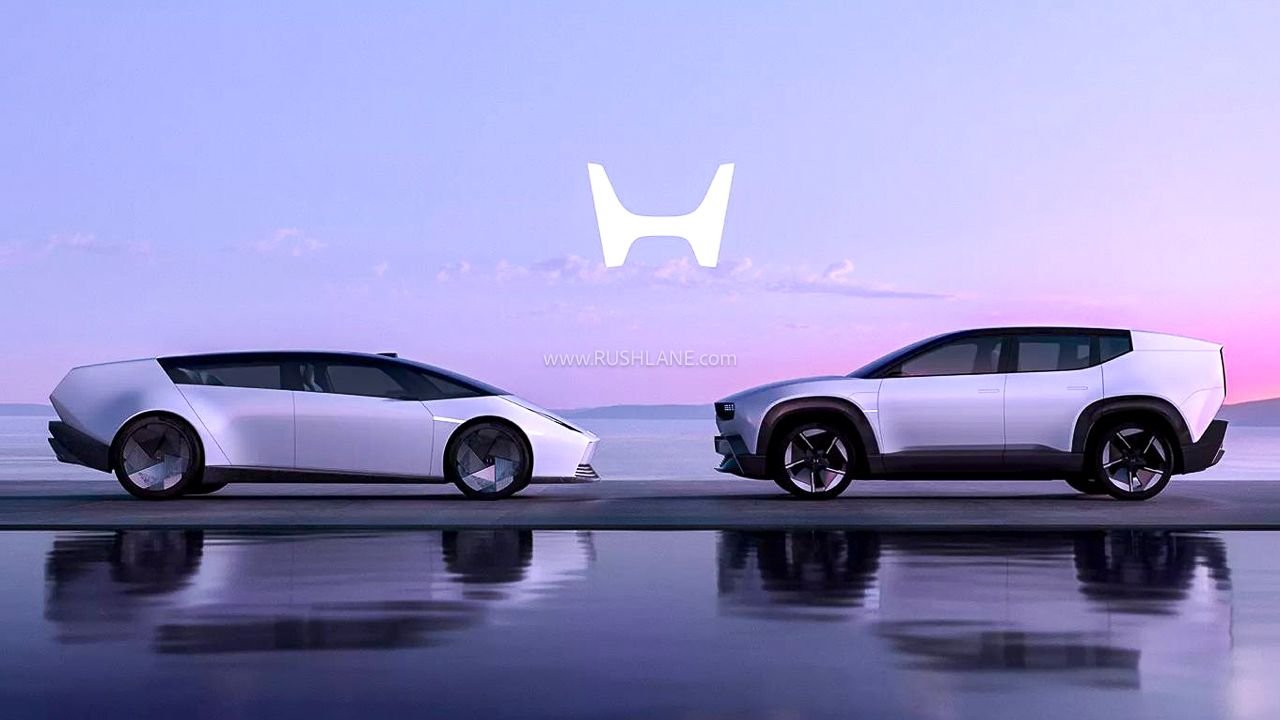
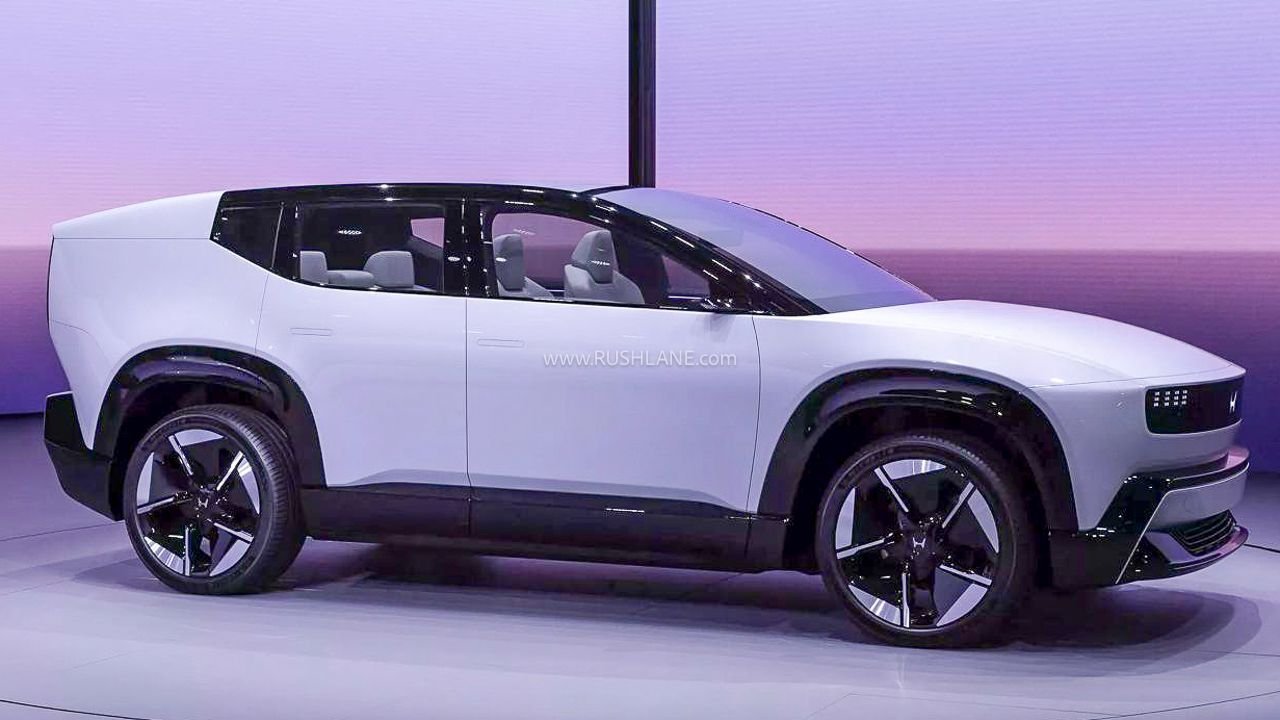
The three EV models that have now been canceled include the Honda 0 SUV, Honda 0 saloon and the Acura RSX. These vehicles were initially planned for production and sale in North America. Honda said that launching these models in the current environment could result in long-term financial losses, forcing the company to cancel their development and market introduction.
The decision comes at a time when EV adoption has slowed in some markets due to changes in government incentives and regulatory policies. In the United States, the relaxation of some fossil fuel regulations and amendments to EV subsidies have affected the pace of electrification.
Competition from Chinese EV makers intensifies
Honda also highlighted growing competitive pressure in China, where new EV makers have gained strong market hold with faster development cycles and software-centric vehicles. The growing demand for advanced software features, including driver-assistance systems and connected technologies, has increased competition and reduced the competitiveness of EV offerings from some traditional automakers. The company also said changes in US tariff policies have affected the profitability of gasoline and hybrid models, adding further pressure to its automobile business.
Major financial impact expected
As a result of the cancellation of EV programs and reassessment of its electrification roadmap, Honda expects significant financial losses for the fiscal year ending March 2026. The company estimates operating expenses to be between ¥820 billion ($5.15 billion or Rs 50,760 crore) to ¥1.12 trillion ($7.04 billion or Rs 68,282 crore), plus additional impairment losses related to investments in China.
Specific losses could reach ¥340 billion ($2.13 billion or Rs 19,654 crore) to ¥570 billion ($3.58 billion or Rs 33,034 crore), while the total impact of strategic reassessment could reach ¥570 billion ($3.58 billion or Rs 33,034 crore). ¥2.5 trillion over time ($15.72 billion or Rs 1,45,096 crore). Honda has therefore revised its financial forecasts for the fiscal year, with operating results expected to shift from a previously projected profit to a potential loss.
Prefer hybrid strategy
Going forward, Honda plans to rebalance its strategy by strengthening its hybrid vehicle portfolio while taking a more flexible approach towards EV development. The company believes hybrid technology will continue to be an important bridge towards full electrification, especially in markets where EV adoption is progressing slowly. Honda will continue to monitor EV demand and regulatory developments while pursuing future EV technologies in a more measured manner.
India identified as a key growth market
In its revised global strategy, Honda has identified India as an important market where it is expected to expand in the future. The company said it will expand its model lineup and improve cost competitiveness in key markets such as Japan and the United States as well as India.
India’s rapidly growing automotive sector and increasing demand for technologically advanced vehicles is expected to play an important role in Honda’s future growth plans. Honda also plans to strengthen its presence in other Asian markets by introducing next-generation hybrid models and optimizing resource allocation.
India was positioned as an EV export hub in previous plans
Honda had already hinted at a bigger role for India in its future plans. In October 2025, the company confirmed that the production version of the Honda 0 Alpha electric SUV will be manufactured at its Tapukara facility in Rajasthan, India. Based on the Honda 0 Series concept showcased at the Japan Mobility Show, the upcoming 0 Alpha electric SUV is expected to be designed for India and other Asian markets. Apart from domestic sales, the vehicle was also planned to be exported to several global markets including Japan.
While Honda is now reevaluating its EV rollout globally, the company’s latest statement suggests India will continue to play a strategic role In its future product and manufacturing plans, potentially combining hybrid technologies with new generation electrified vehicles.
Strategic update expected in May
Honda is currently reorganizing its global automobile strategy to better respond to rapid industry changes. The company has confirmed that it will announce more details about its mid- to long-term automobile business strategy in May 2026. Despite the expected financial impact from its strategy revision, Honda said it will maintain stable shareholder returns, supported by strong earnings from its motorcycle and financial services businesses.
With India emerging as a key growth market in Honda’s revised strategy, the company is expected to focus on expanding its lineup and improving competitiveness in one of the fastest growing automotive markets in the world.