Built on the CMF-B platform, which also underpins the Bigster, the Dacia Striker will have hybrid and LPG powertrains
As part of Renault Group’s ‘FutureReady’ strategic roadmap, Dacia has unveiled the Striker crossover wagon. It is essentially a wagon derivative of the Bigster SUV. The Striker has made its debut at a time when the common consumer’s preferences have largely shifted to SUVs. With the Striker, Dacia offers a compelling blend of SUV styling and spaciousness, wagon practicality and accessible pricing. Let’s see the details.
Dacia Striker – Design and features
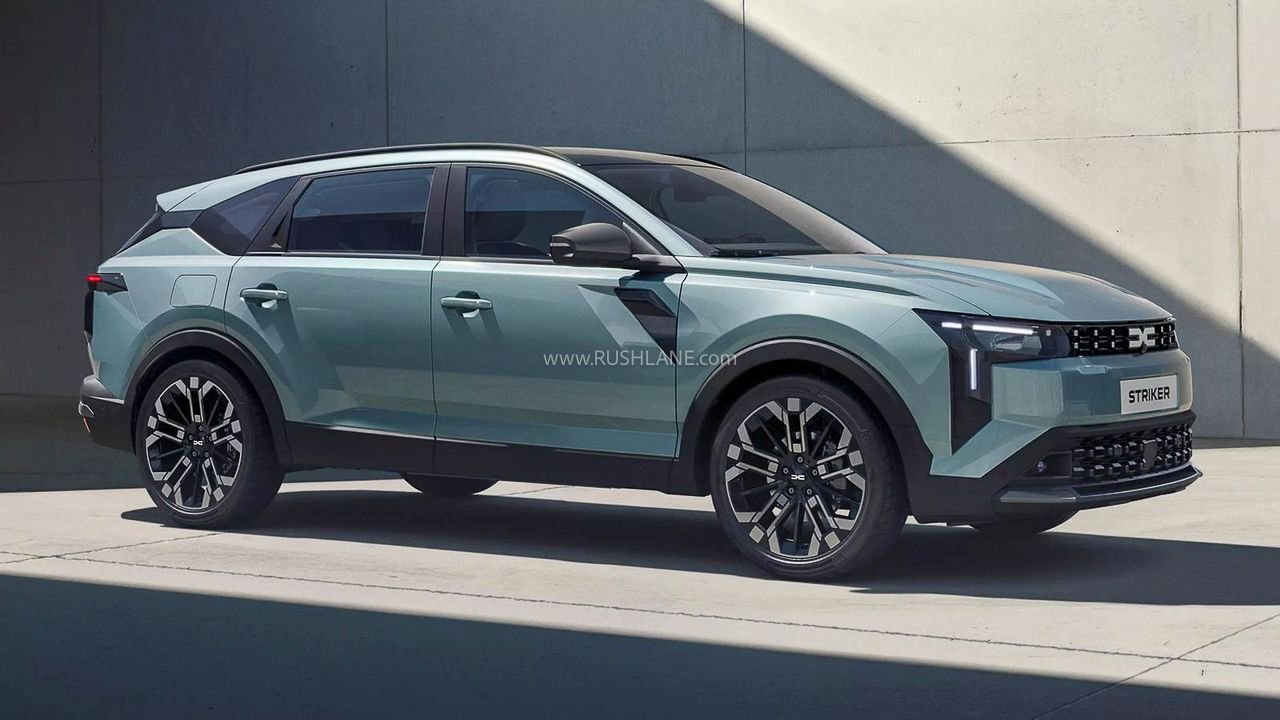
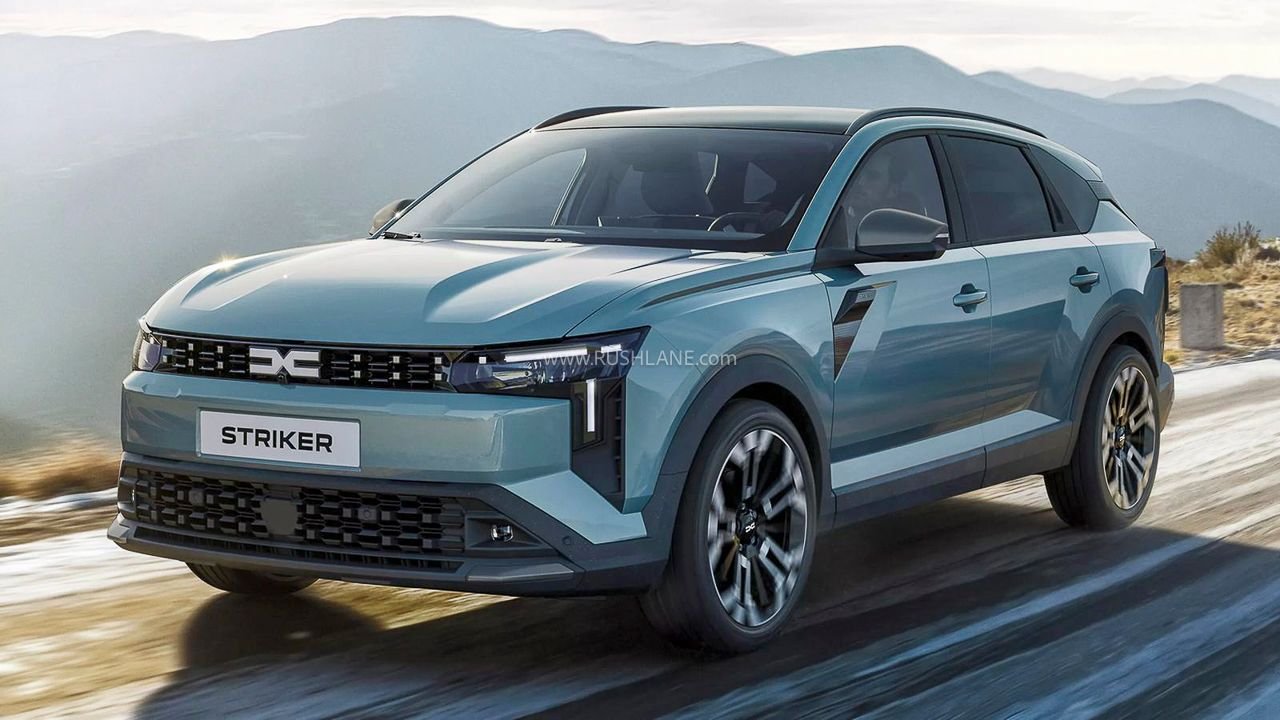
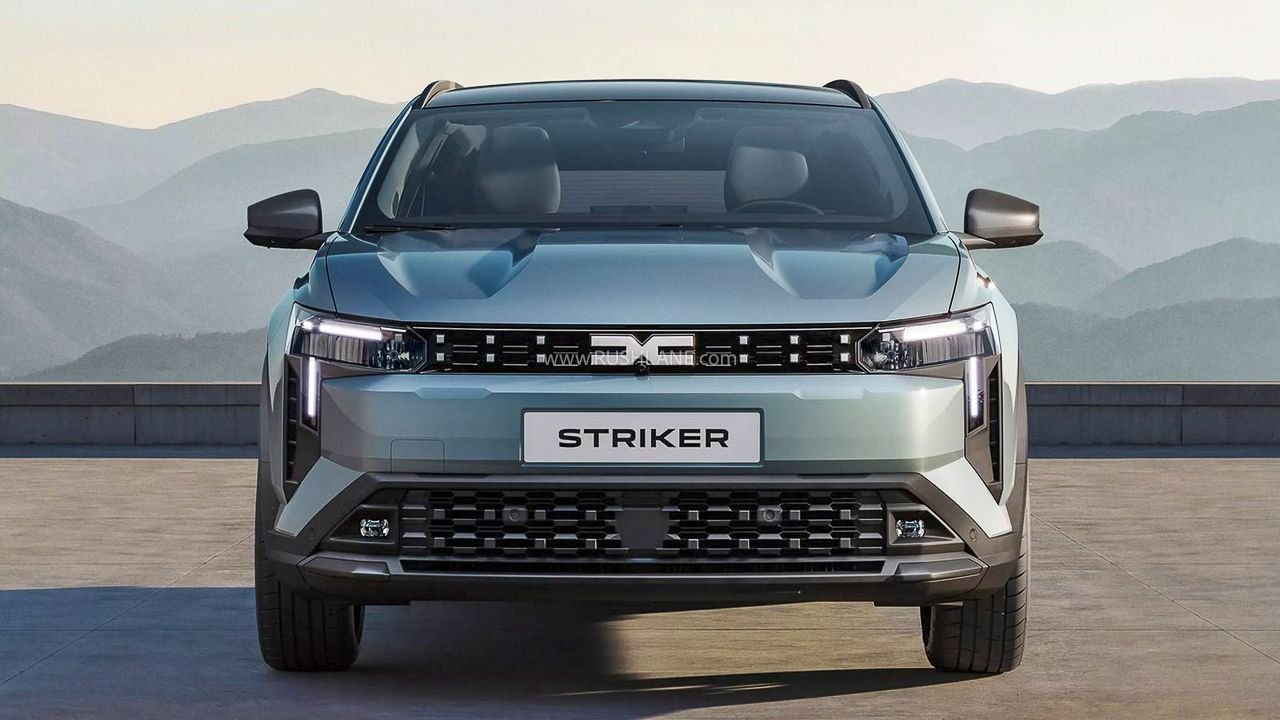
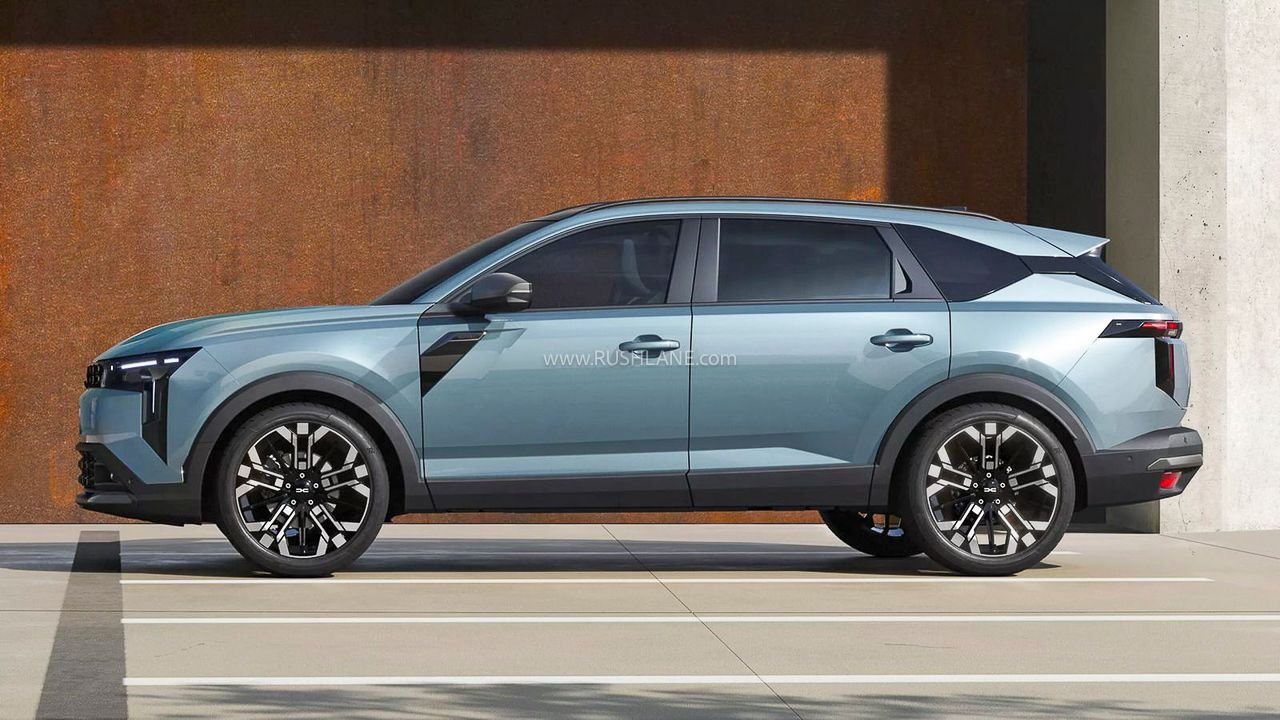
For now, Dacia has revealed only the exterior profile of the Striker. The crossover wagon has a strong road presence with features like sharp LED DRLs, a studded grille design and a strong front bumper. A shapely bonnet with strong character lines is also distinctive. The side profile features sporty alloy wheels, rounded wheel arches with thick cladding and diagonal trim on the front doors.
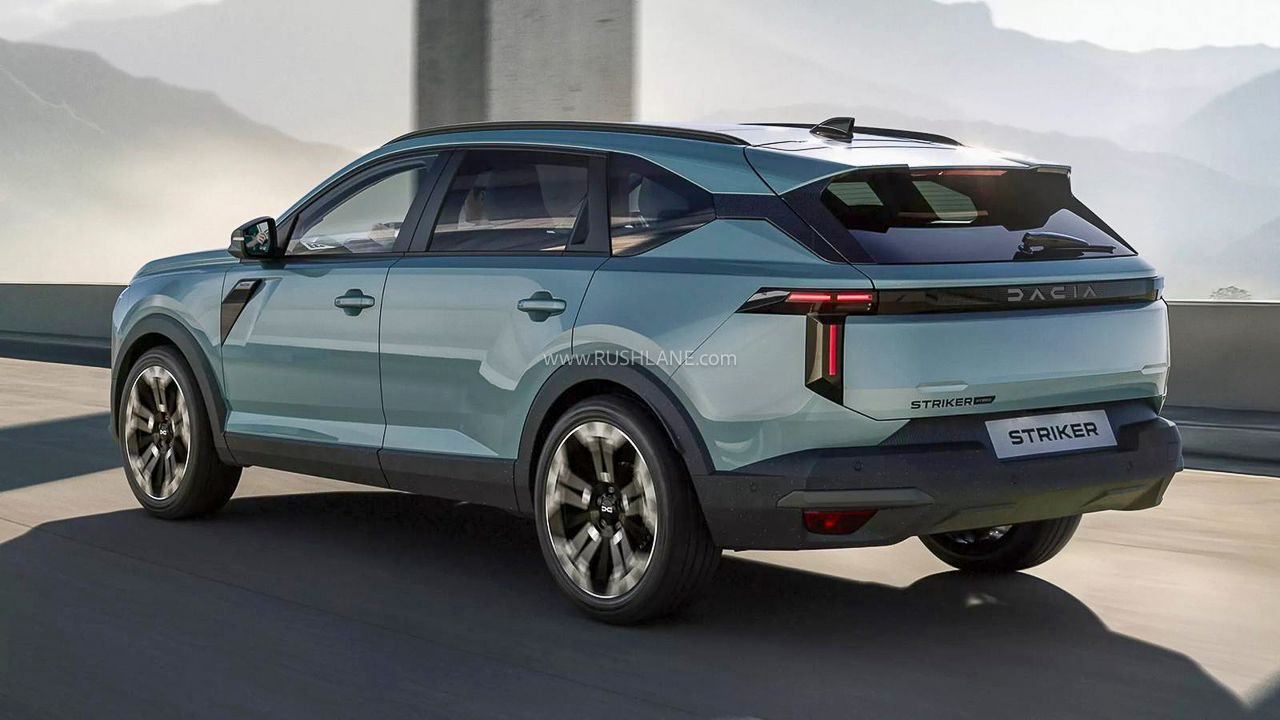
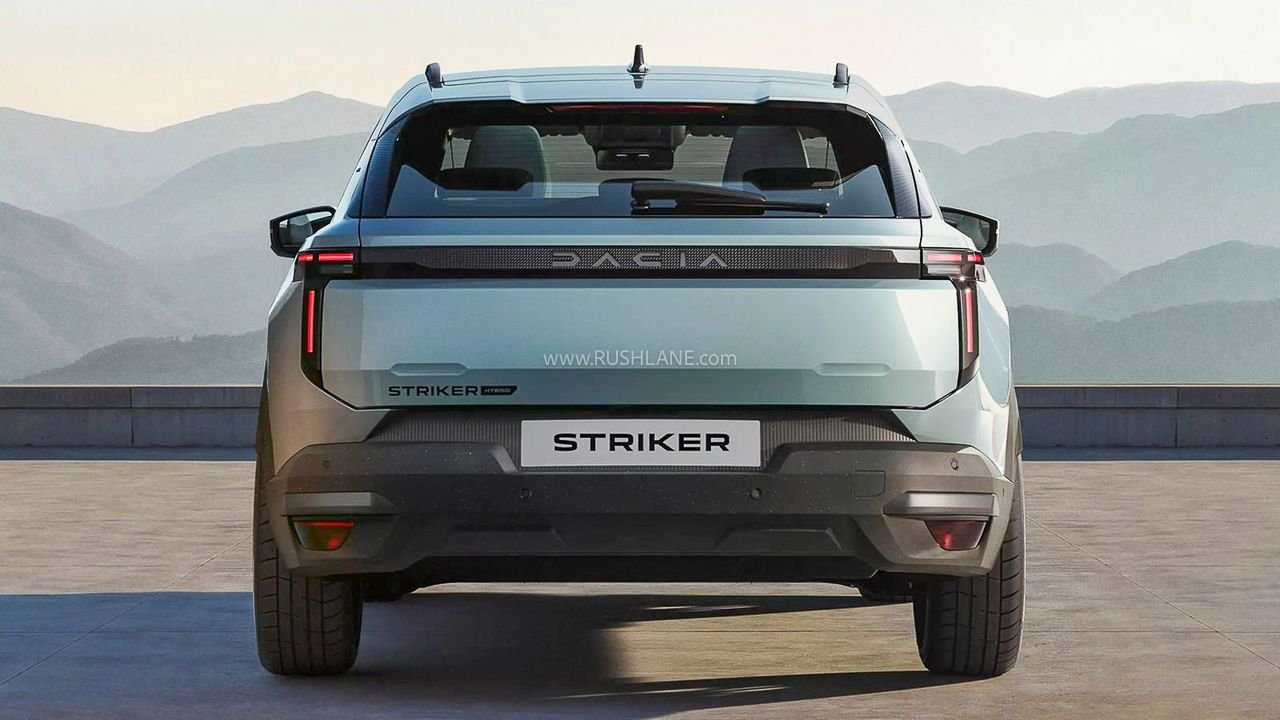
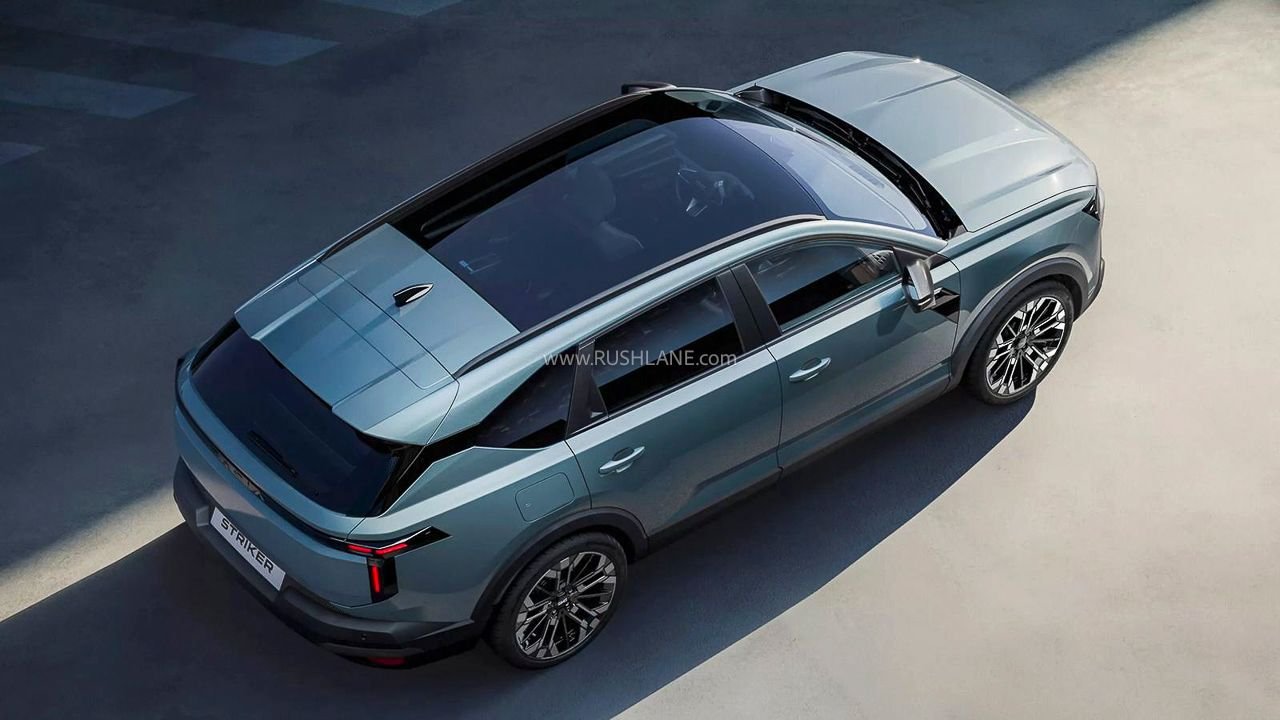
The Dacia Striker has traditional door handles, black B and C pillars and an elegant slim roofline. At the rear, the basic format of the light signatures is the same as that used at the front. The Striker features a roof-mounted spoiler, raked windshield and a layered design for the prominent bumper. Overall the styling is somewhat like an SUV.
In terms of dimensions, the Striker is 4,620 mm long. At this length, it is the largest Dacia model ever. It may seem like the Bigster is the biggest, but it’s 4,570 mm long, making it 50 mm shorter than the Striker. Dacia’s naming strategy has also been in the news in recent times, as seen with cars like the Duster, Bigster, Jogger and now the Striker. These outsider names convey a sense of toughness and are easy to remember and pronounce.
interior, equipment
As mentioned earlier, Dacia has not revealed the interiors of the Striker. The crossover wagon is expected to be available in a 5-seat configuration. This means that the 7-seat option will be available exclusively with the Dacia Jogger. With a 5-seat format and long dimensions, the Striker will appeal to buyers who prioritize comfort and space.
Features on the Striker are expected to be similar to those on the Duster and Bigster. The package may include a 10.1-inch infotainment screen, 10-inch instrument display, dual-zone climate control, adjustable seats with lumbar support, YouClip attachment point system and premium 3D sound system. The Striker will also come with ample boot space.
Display
The Dacia Striker’s versatile CMF-B platform will allow multi-energy powertrain options. It has been officially confirmed that hybrid and LPG powertrain options will be available with the Striker. A hybrid 4×4 version is also under development, similar to the strategy used with Dacia’s new SUVs.
One of the powertrain options for the Striker could be a mild-hybrid turbocharged unit like the one used with the Duster. It supports AWD and is the most powerful option offered with the Duster. It comprises a 1.2 liter engine and an electric motor mounted on the rear axle. Electrical power is obtained through a 48V battery. This powertrain is paired with a 6-speed dual-clutch automatic transmission. Combined power output is 154 PS.
Launch, Market Position
The Dacia Striker crossover wagon is scheduled to be launched in June 2026. It could be priced under EUR 25,000 (Rs 27 lakh), making it more accessible than most compact SUVs available in Europe. The Dacia Striker is expected to be manufactured at Renault’s plant in Türkiye. Dacia’s Mioveni plant in Romania currently manufactures the Duster and Bigster.
In terms of rivals, the Dacia Striker will essentially be the only player in the segment. Rivals like the Ford Focus Active, Toyota Corolla Trek and the VW Golf Alltrack have been largely discontinued. The Striker’s closest rival is the Skoda Octavia Combi, but this model has also taken attention away from the stronger ‘Scout’ variant. The Dacia Striker may face indirect competition from models like the Kia Sportage and the Citroen C5 Aircross.