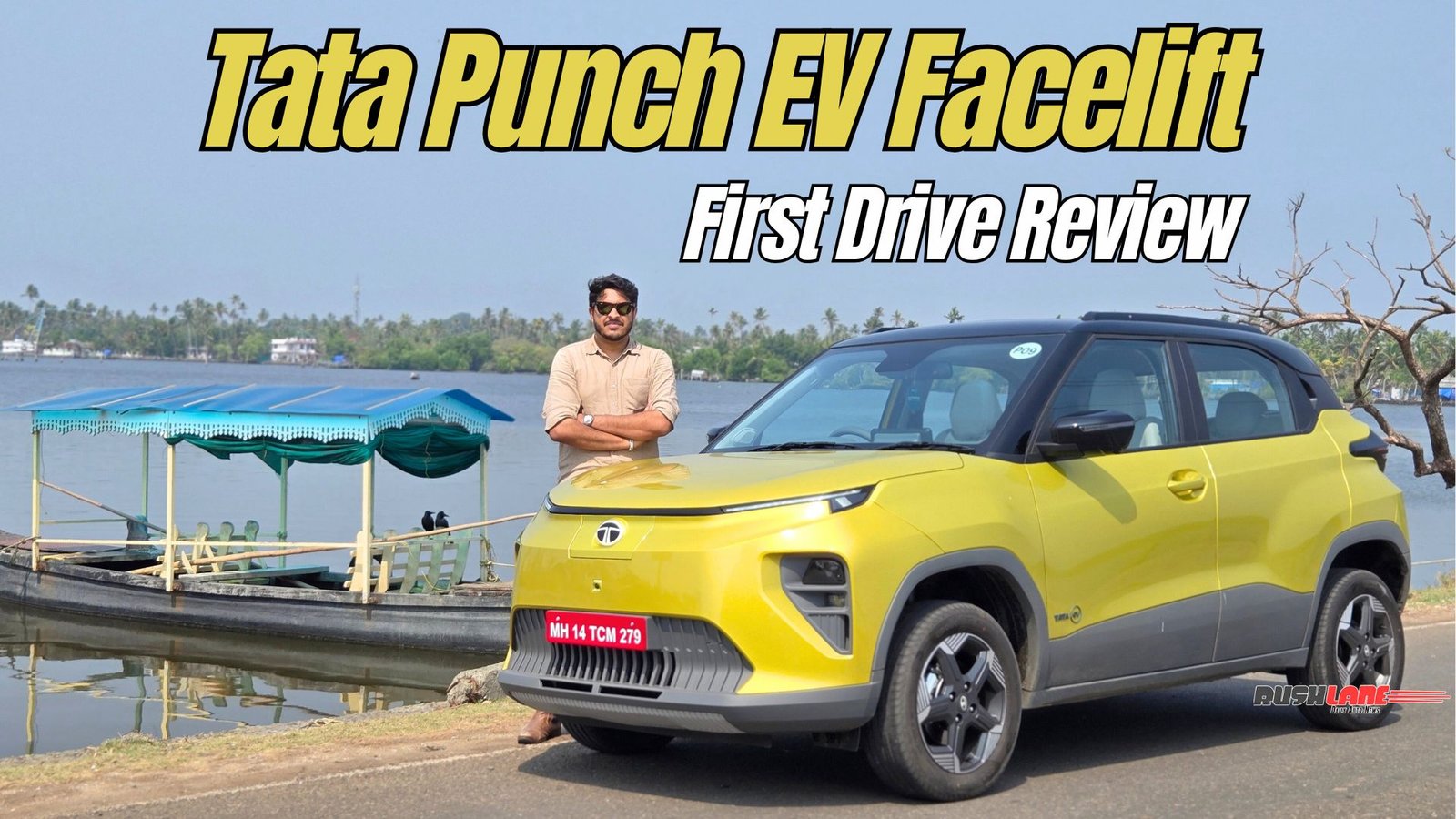
Tata Motors is not exactly known for introducing changes or updates to a model early in the product cycle. If we take the Nexon ICE and Nexon EV, they took around 3 years between updates and if we take the Punch ICE, it took around 5 years to get meaningful changes. Interestingly, Tata Motors has revamped the Punch EV in almost 2 years.
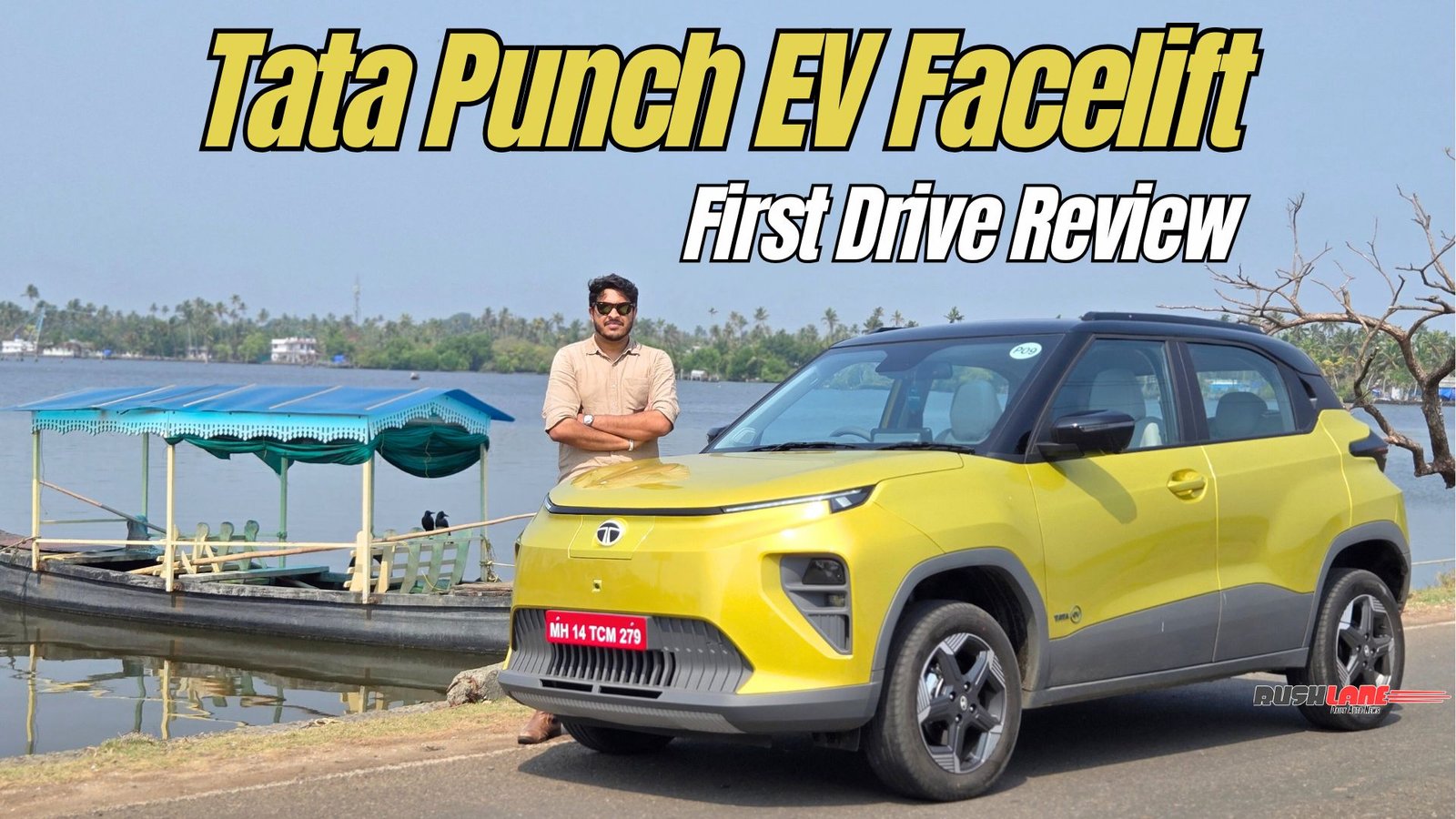
Where facelifts go, the 2026 Tata Punch EV facelift isn’t too extensive to establish an entirely new identity. However, Tata has completely updated the powertrain of the Punch EV while reducing the prices of the X-SH. It also has BaaS pricing, which is a first for any Tata EV. We drove the Punch EV facelift in Cochin and here’s everything you need to know about it.
Tata Punch EV facelift first drive review – price, warranty
When it was first introduced in 2024, the Tata Punch EV was an impressive product in terms of performance, design, equipment and overall packaging. With the 2026 Punch EV facelift, Tata Motors hasn’t tinkered much with its core ethos but has streamlined the powertrain to pack and offer more than before. All this, while costing less, which is a big plus in our opinion. More for less is always a good formula.
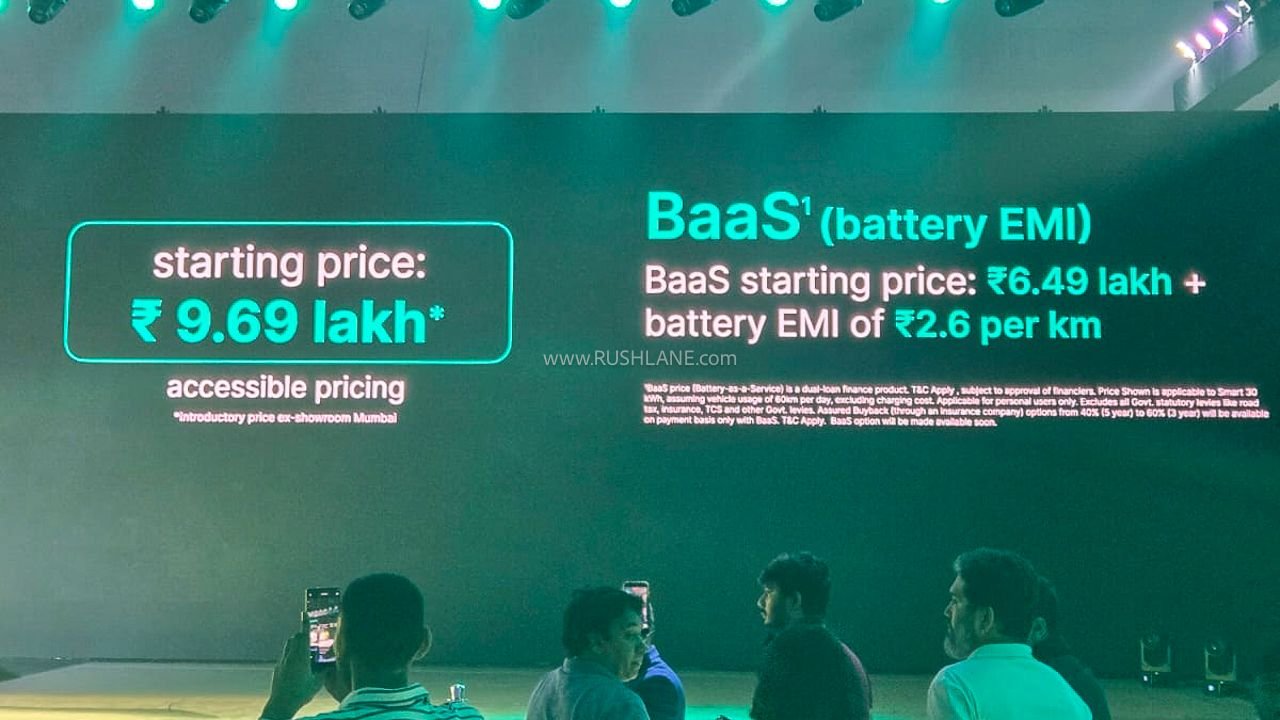
Starting with the prices, the Punch EV facelift brings in the BaaS pricing model for the first time, which changes the overall value proposition of this vehicle. BaaS prices start at only Rs 6.49 lakh and you will have to pay Rs 2.6 per km. This headline price is only for the base Smart 30 kWh variant and the company is taking a minimum of 60 km per day. So, the battery rental per month has been fixed at Rs 4,680, which is totally appreciable.
Even without the BaaS model, the full battery ownership model has also seen price cuts. At the top end, the Empowered Plus S LR 3.3 kW was priced at Rs 13.94 lakh (ex-sh), which has now come down to Rs 12.95 lakh (ex-sh) with the introductory offer. At the lower end, prices have declined from Rs 9.99 lakh (ex-sh) to Rs 9.69 lakh (ex-sh). The trim hierarchy includes Smart, Smart+, Adventure, Empowered and Empowered +S.
Another notable element that we have to put before everything else is the warranty. The Tata Punch EV facelift now comes with lifetime battery warranty for unlimited kms, which is a big relief for EV buyers at this price. This warranty is only offered with the larger 40 kWh battery pack and not the 30 kWh battery variant.
design changes
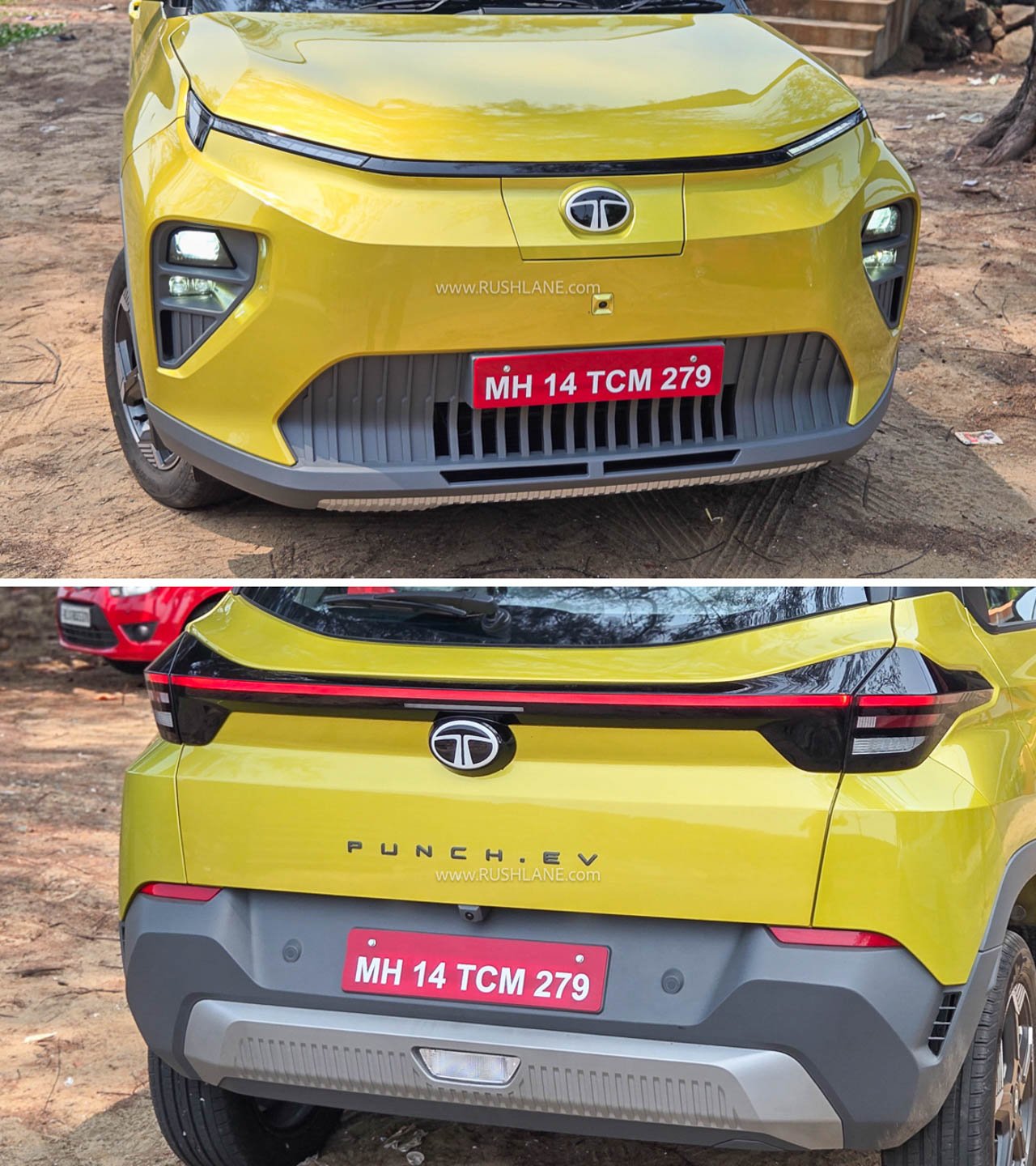
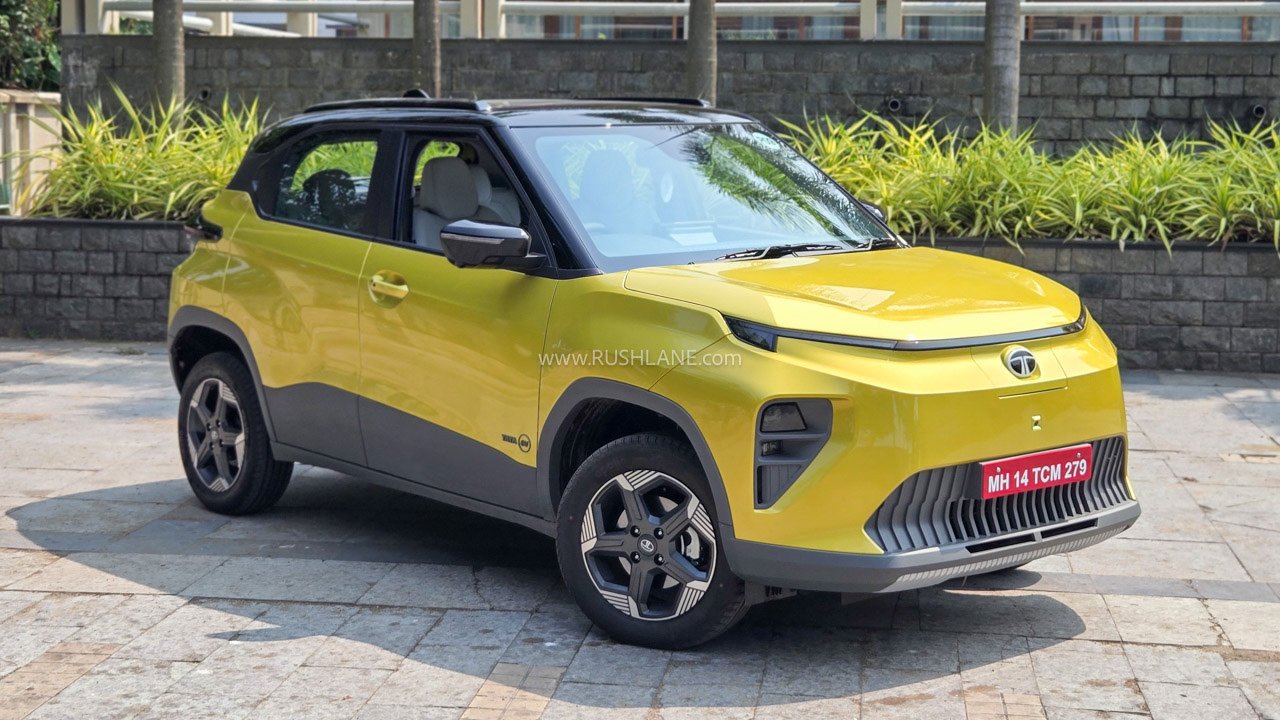
Color options include Fearless Yellow, Bengal Rouge, Caramel, Empowered Oxide, Pure Grey, Supernova Copper and Pristine White. In India, Pristine White would probably be the safest and most widely chosen option, but in our opinion Fearless Yellow is the launch color and Bengal Rouge stands out.
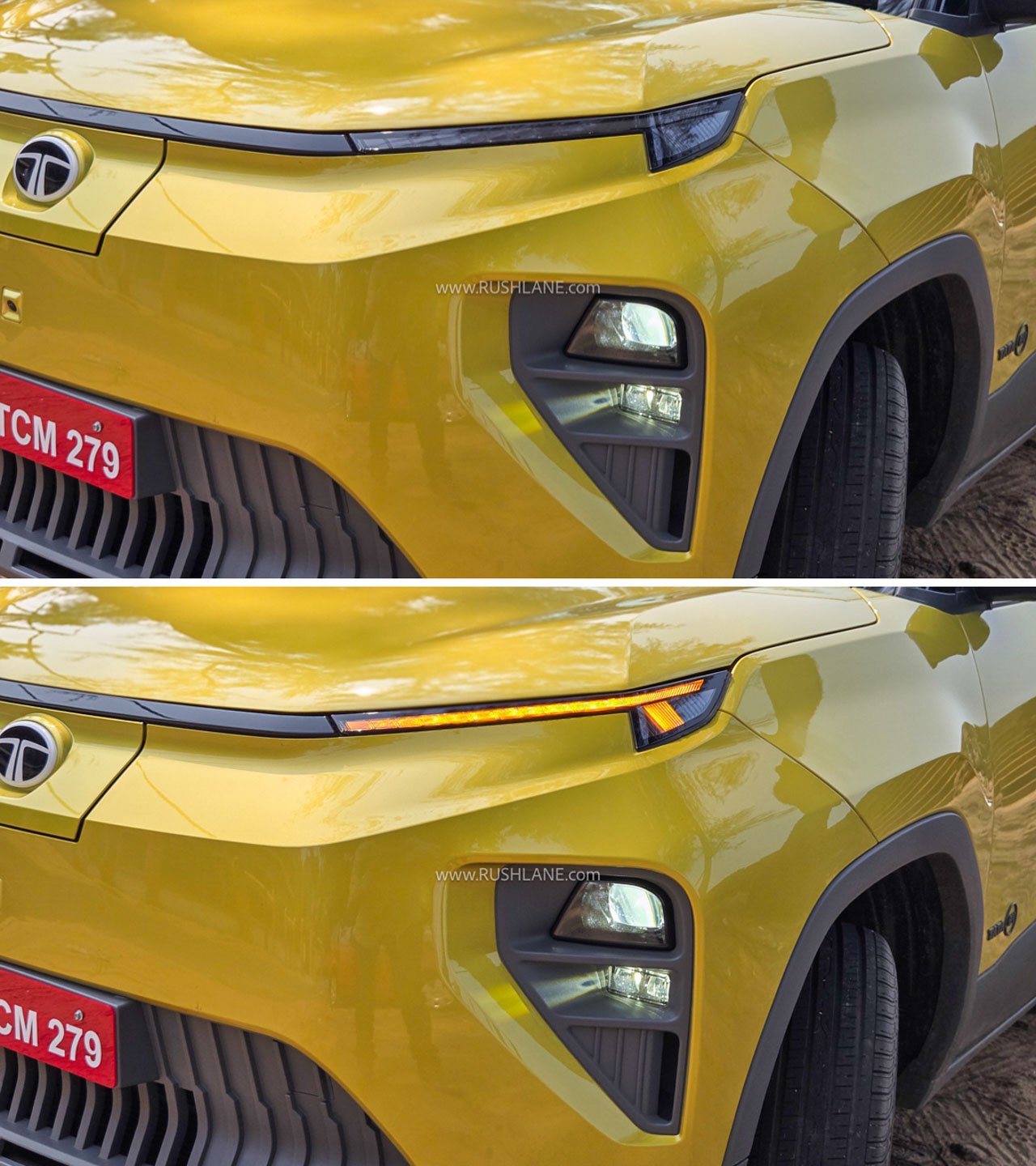
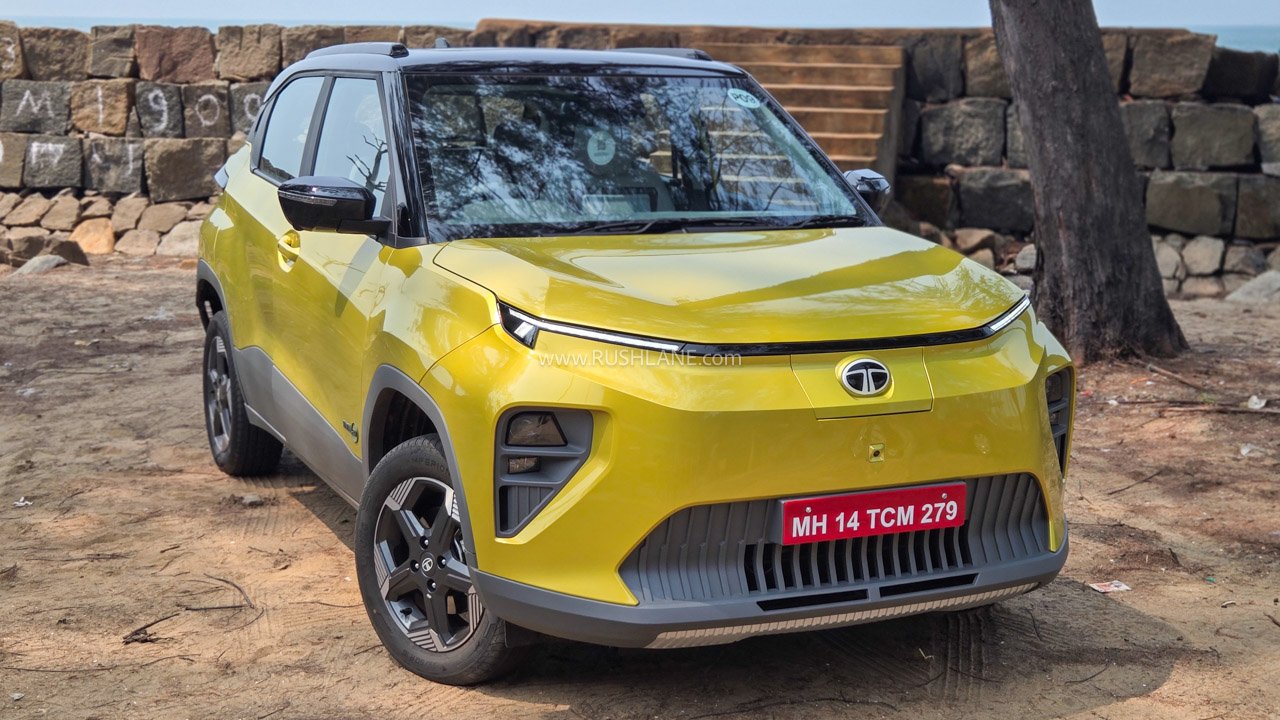
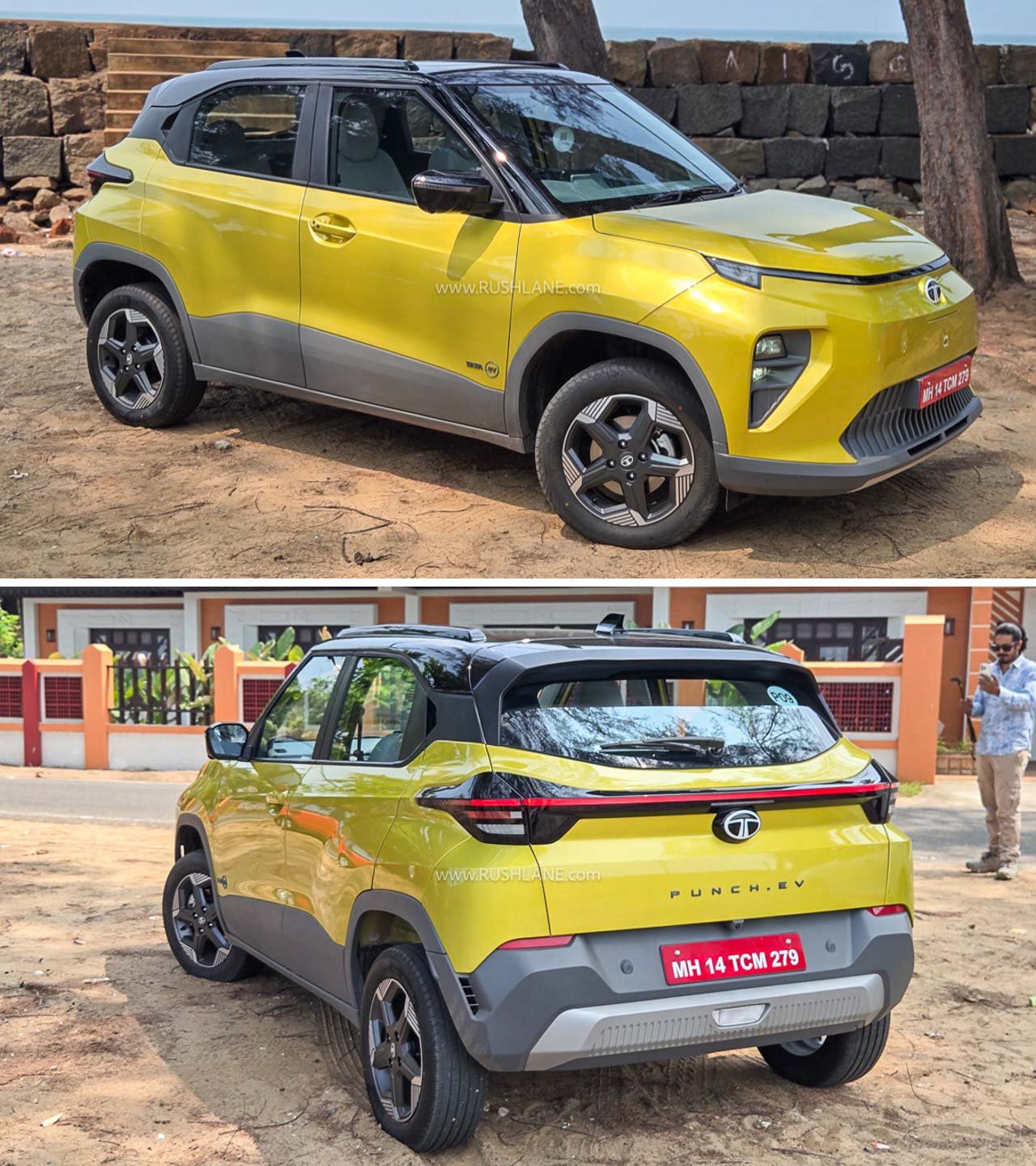
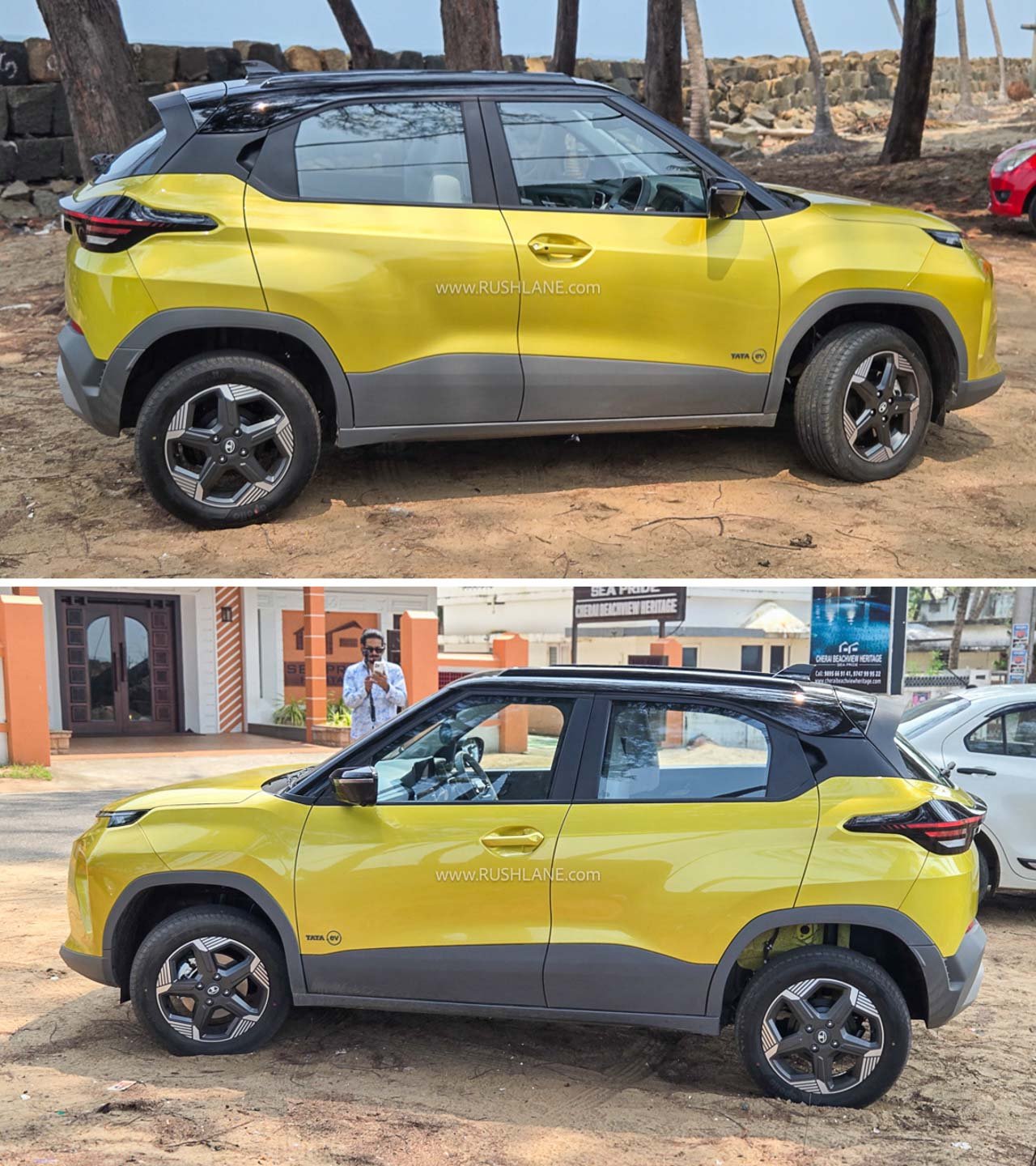
The design changes on the front are a bit subtle. We now get a fuller front bumper as the black elements below the charging port are now gone. The cuts and folds around the headlight unit are now smoother for a more refined look. There was an LED light bar connecting the two DRLs, which is not removable. On the sides, we can see similar designs between the facelift and pre-facelift models.
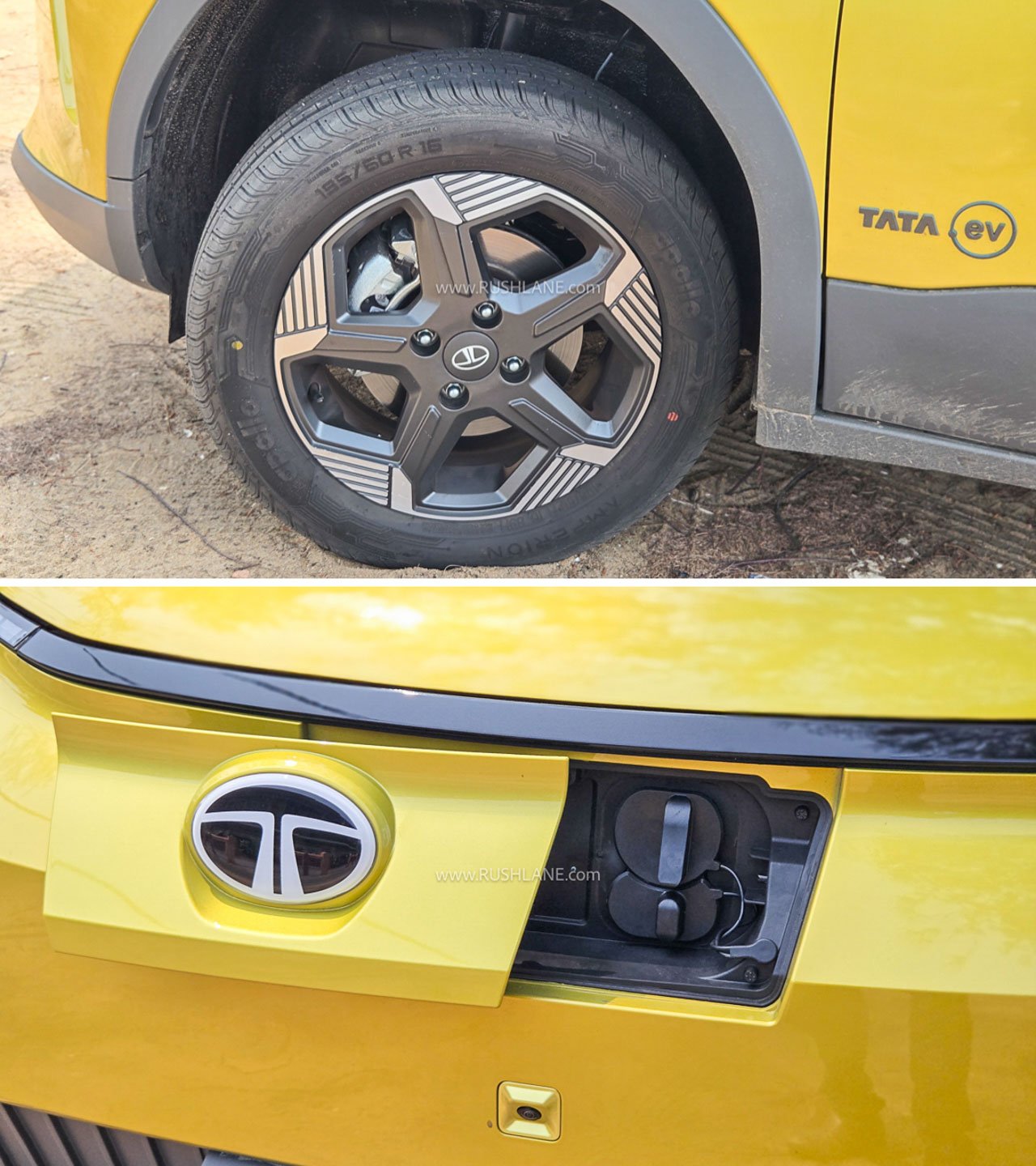
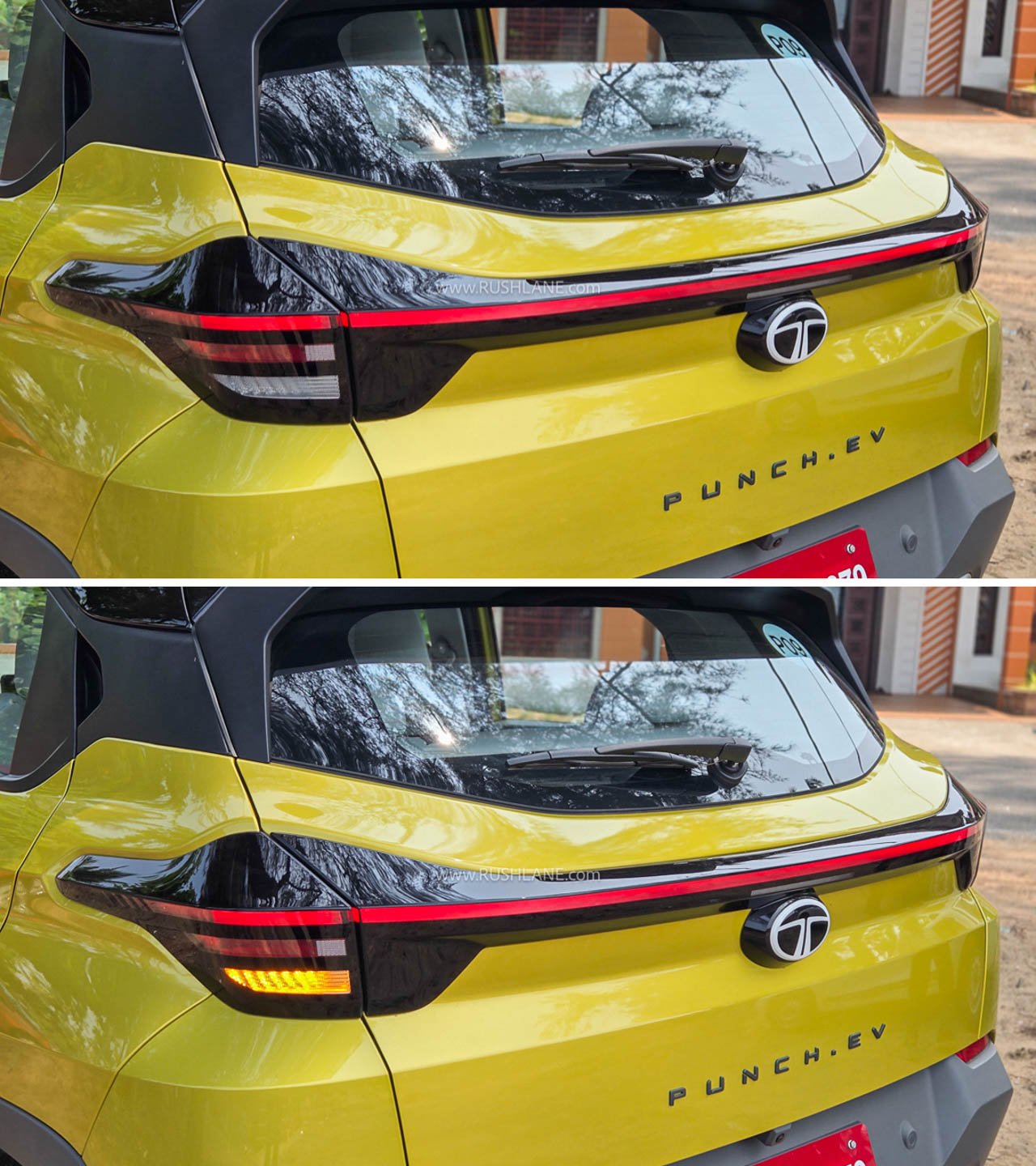
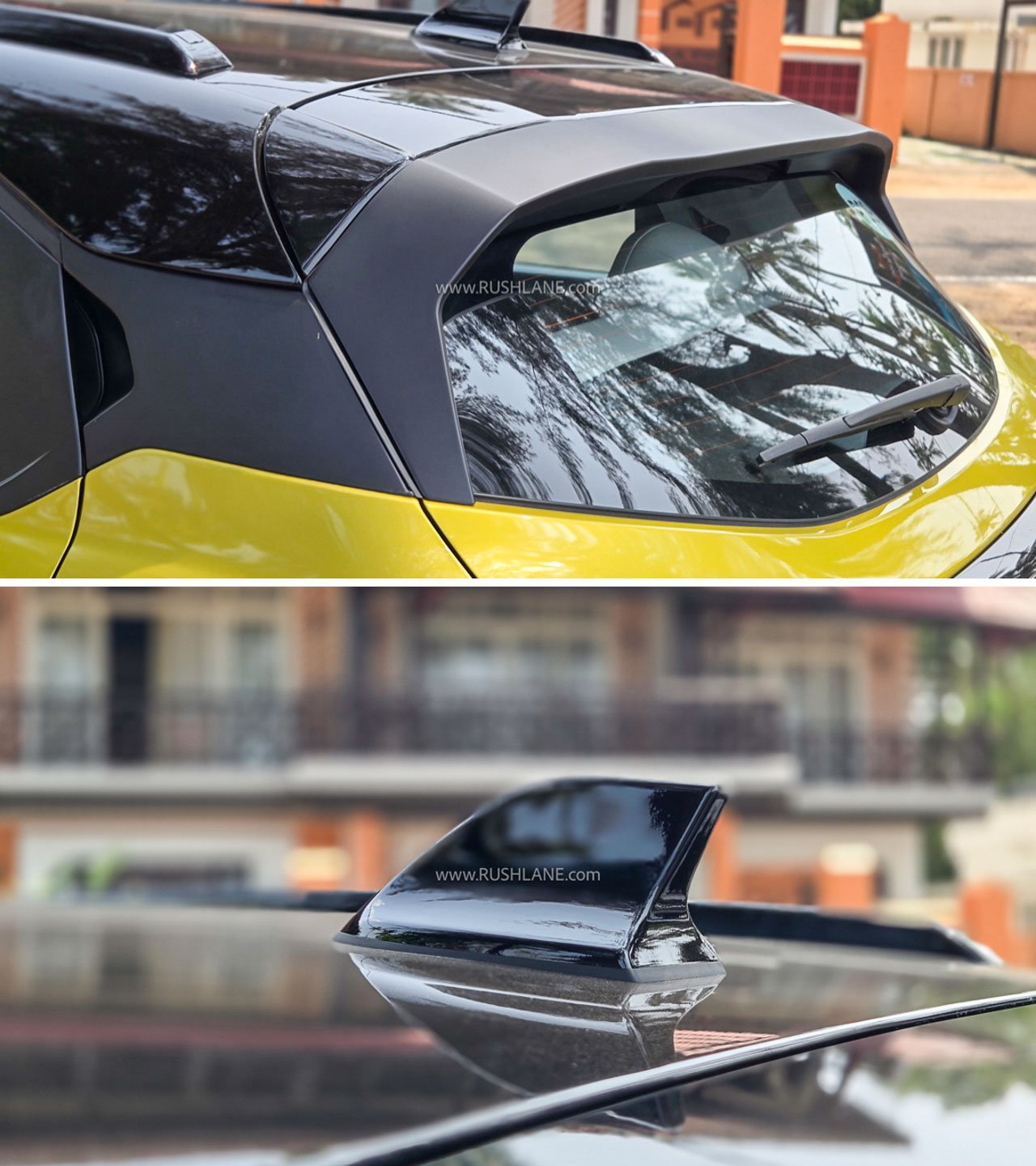
However, there are more major changes at the rear. We now get the connected LED tail lights shared with the ICE Punch facelift. We can also see a new tailgate, a new spoiler, new reflectors and a revised bumper with a larger faux skid plate. The wheels still have the same design. They are built on 16-inchers with 195-section tyres. Gone are the rear disc brakes, which were on offer with the pre-facelift Punch EV LR variant.
One design element that bothered us a bit is the new gray colored body cladding that Tata is using with the Punch EV facelift instead of black. OEMs usually offer black plastics to reduce visual overload and increase the sportiness quotient as the human brain rejects those black elements. With gray plastic, Tata is negating that negative impact and it’s an interesting option that some of you might like.
Interior Design, Features and Location
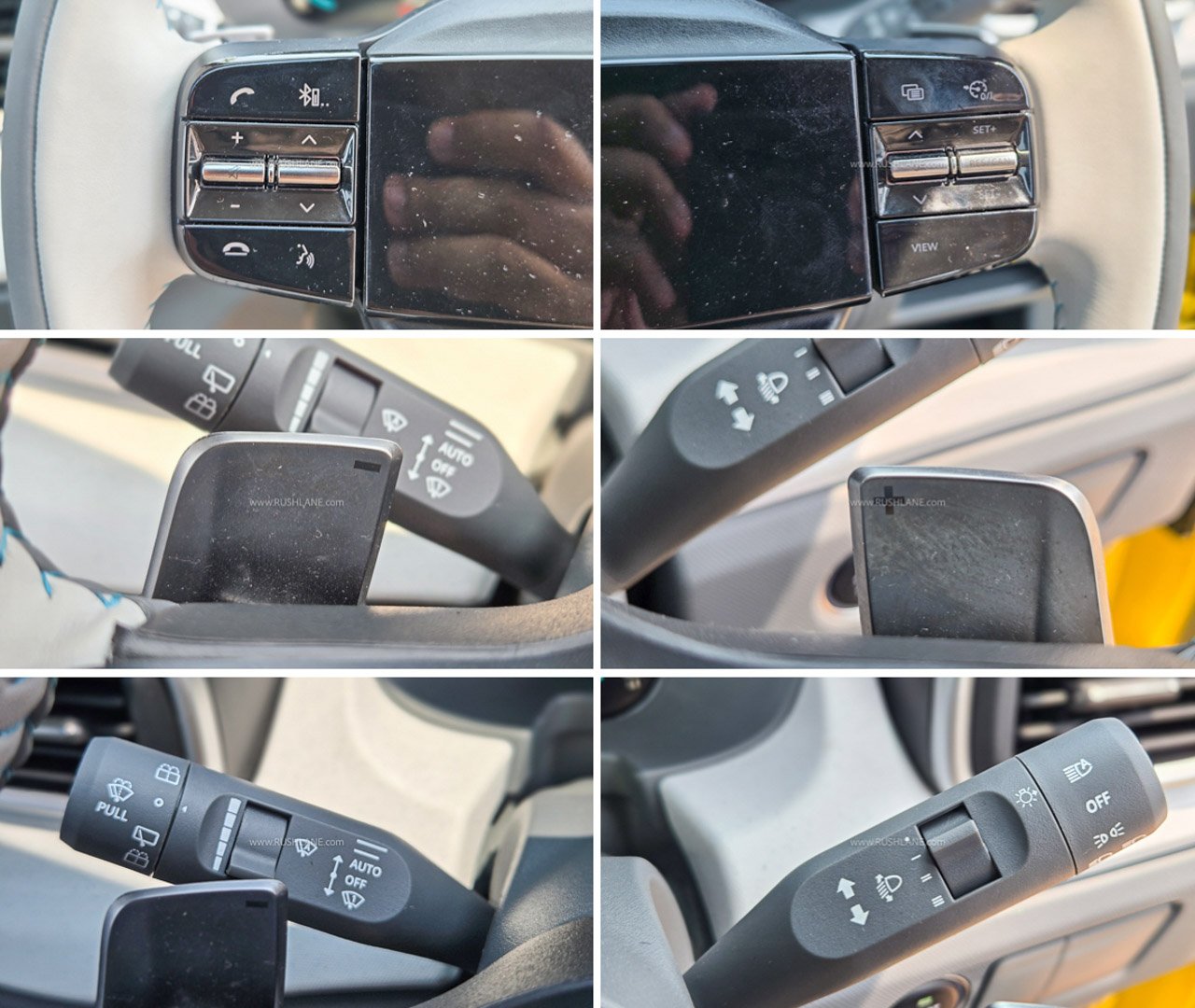
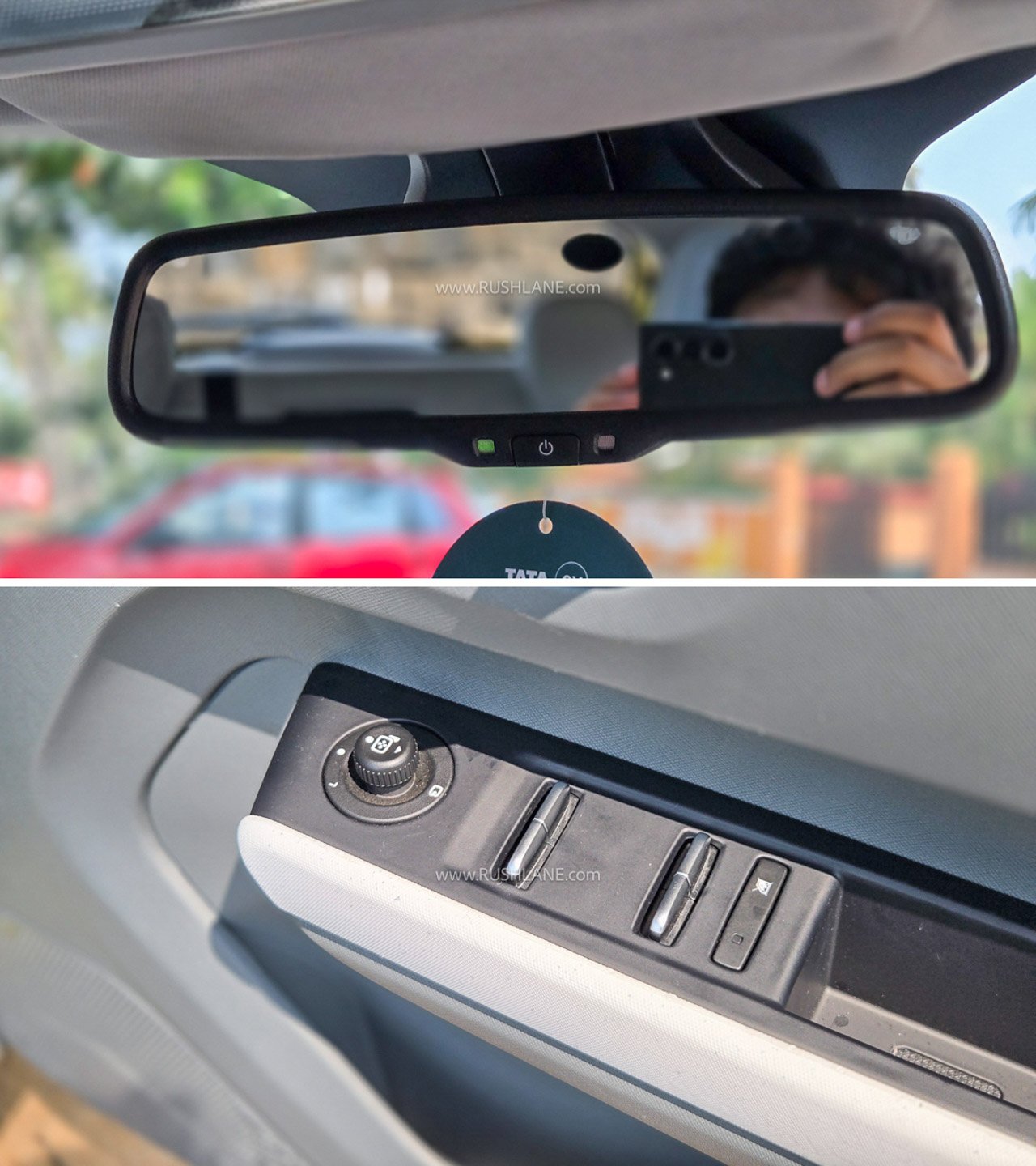
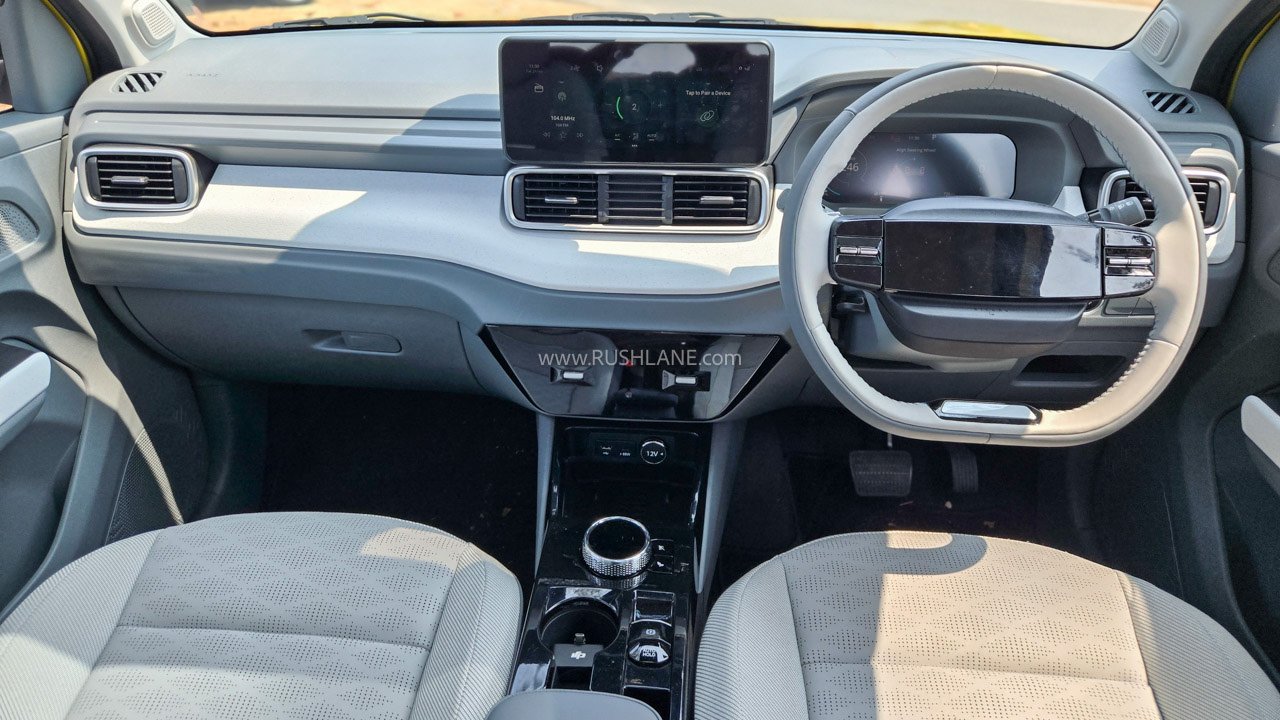
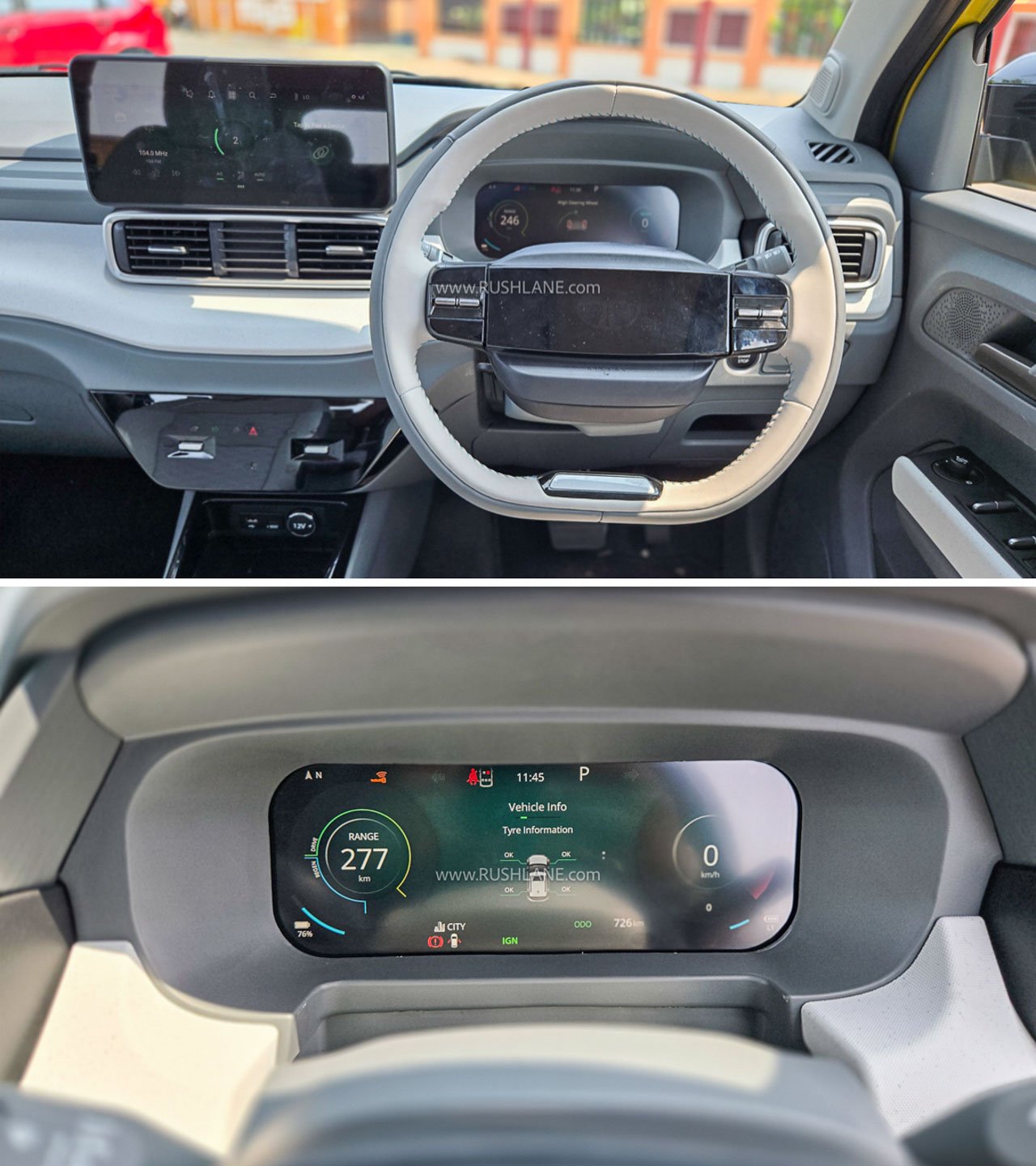
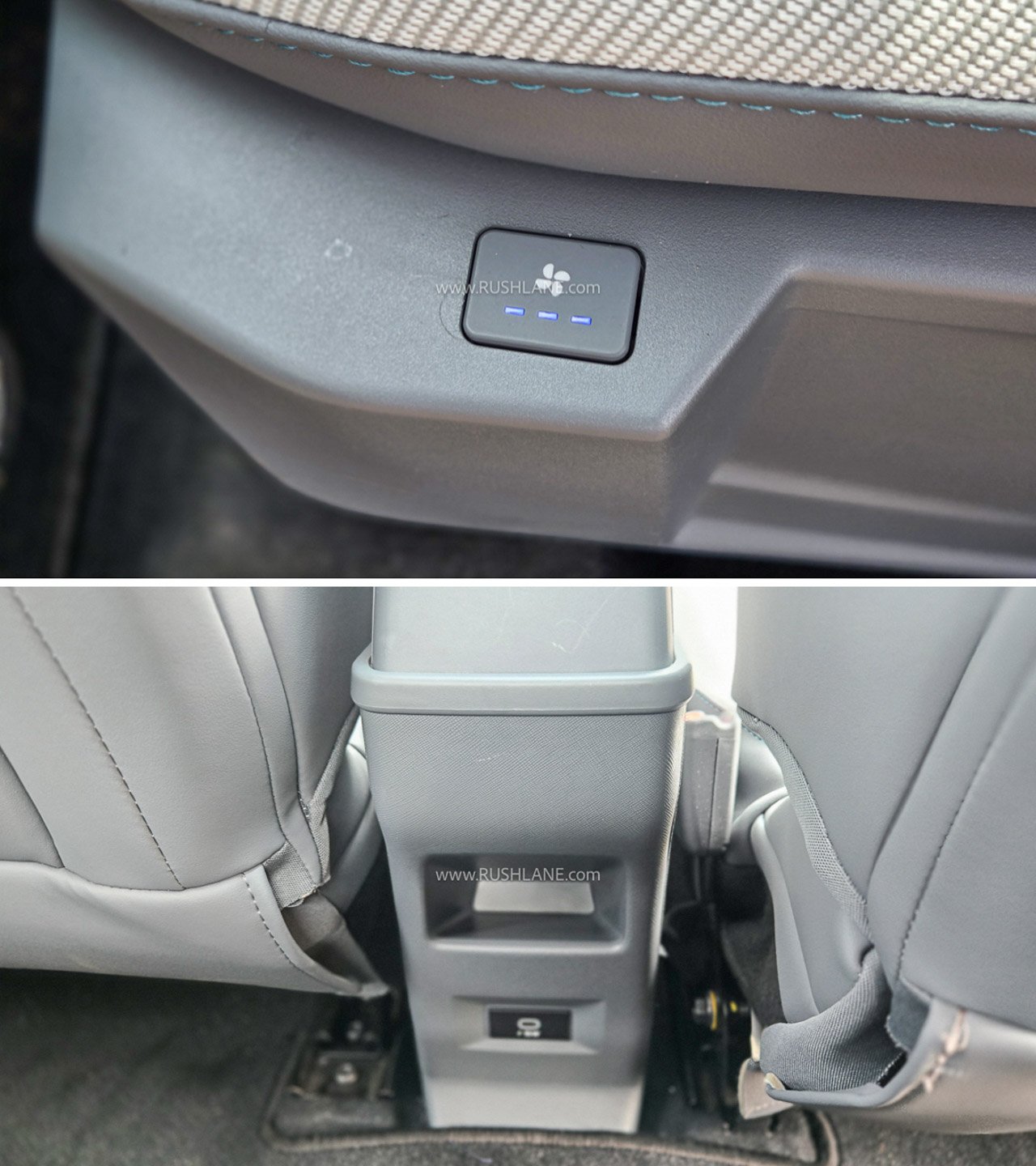
The same gray color can be seen on the interior plastics, which probably isn’t a bad idea. The lighter shade makes the cabin look more airy, but brings some sportiness factor and overall contrast to the black plastic table, which is now gone. Another change with the Punch EV facelift is the removal of the rear AC vent. Tata Motors has introduced new power window switches, which debuted with the Punch EV facelift. They are sleeker and also have ORVM controls.
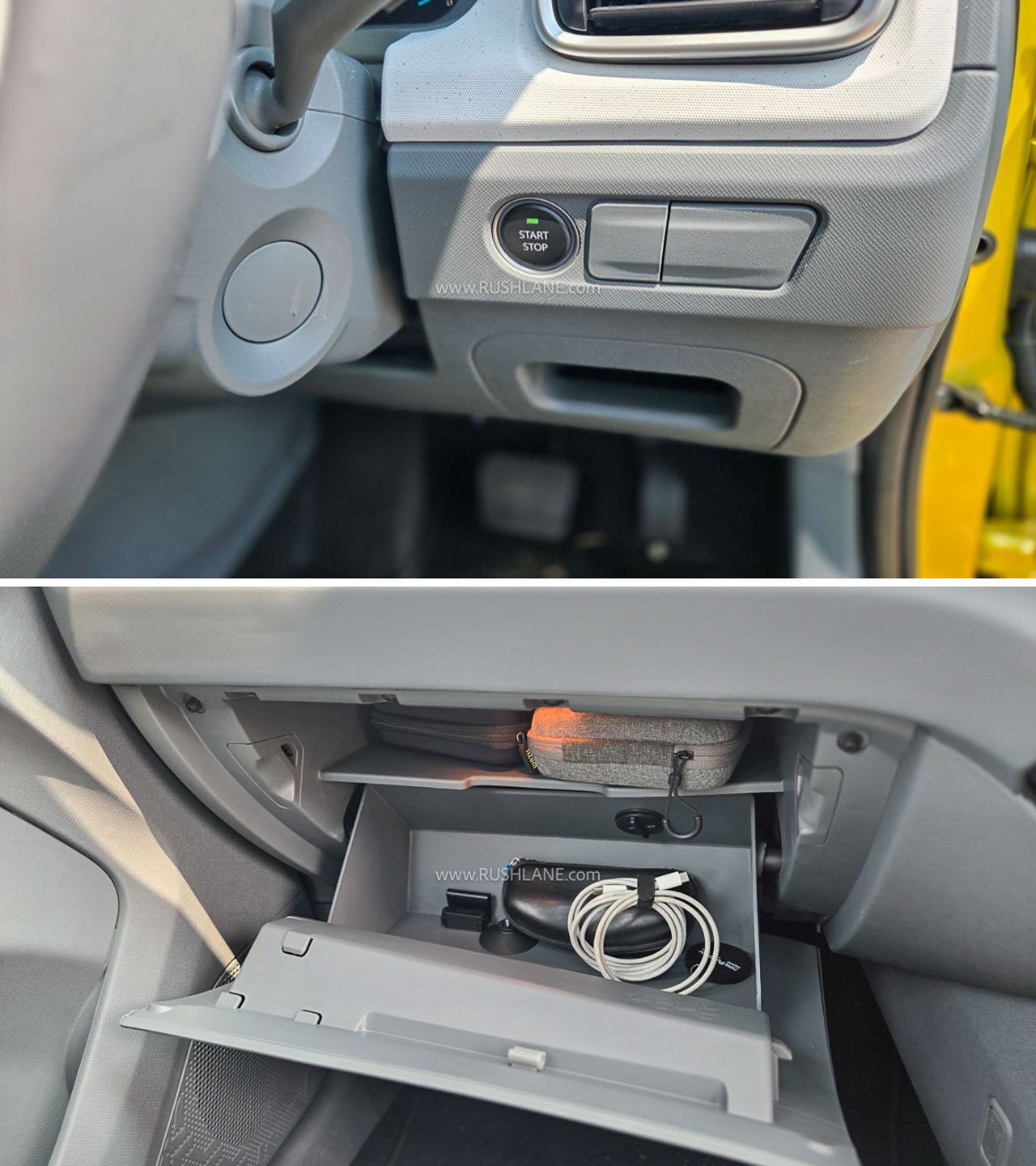
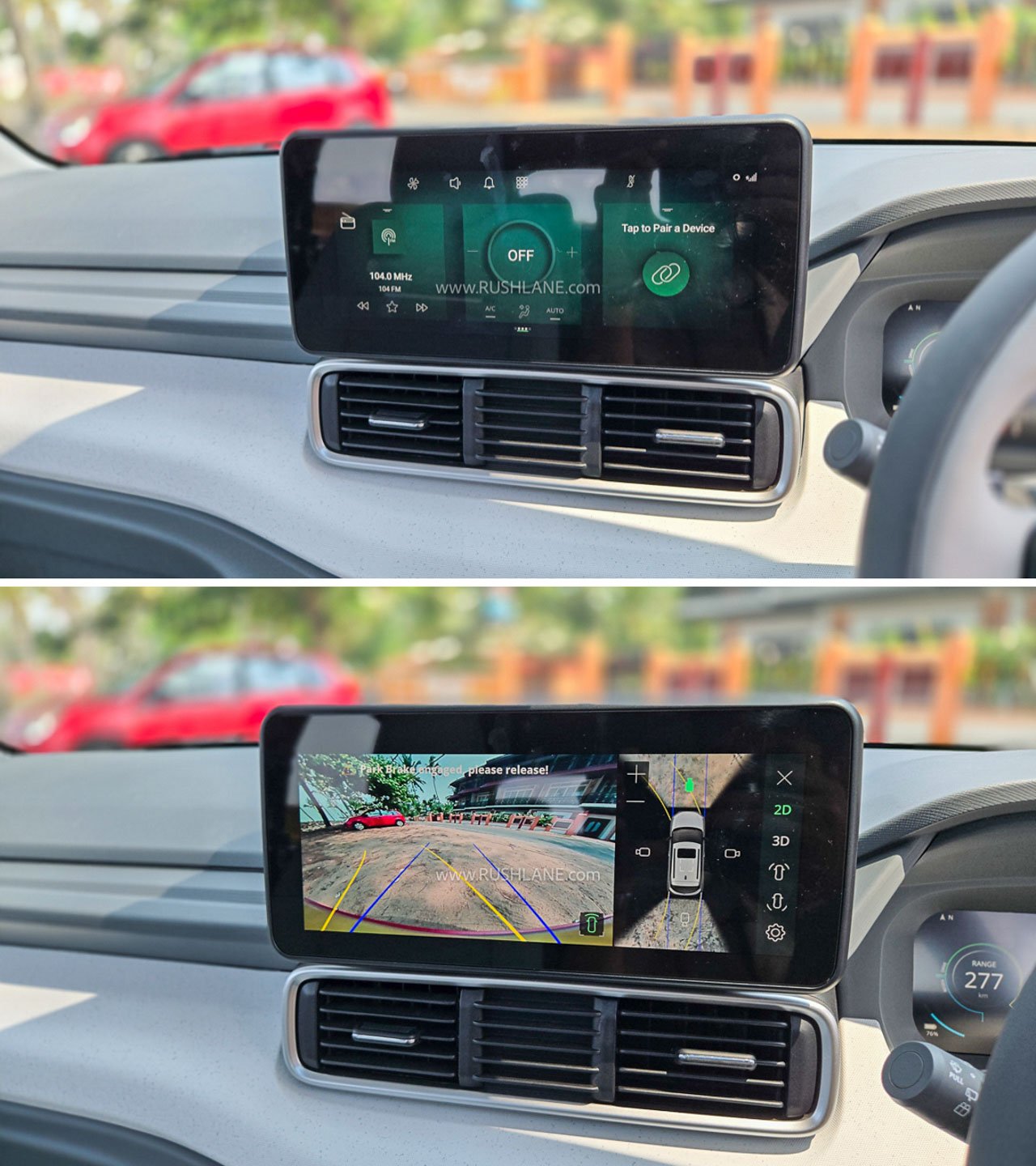
Other than that, there are no real changes compared to its predecessor. As far as features are concerned, the 2026 Tata Punch EV facelift will come with a 10.25-inch infotainment screen with wireless Android Auto and Apple CarPlay, wireless charging pad, auto climate control, ventilated front seats, electronic parking brake, auto headlights and wipers, LED headlights, cornering fog lights, keyless entry with push-button start, full-screen navigation. Instrument cluster, 360-degree camera, blindspot assist are available. 6 airbags and more. However, the ambient lighting is gone.
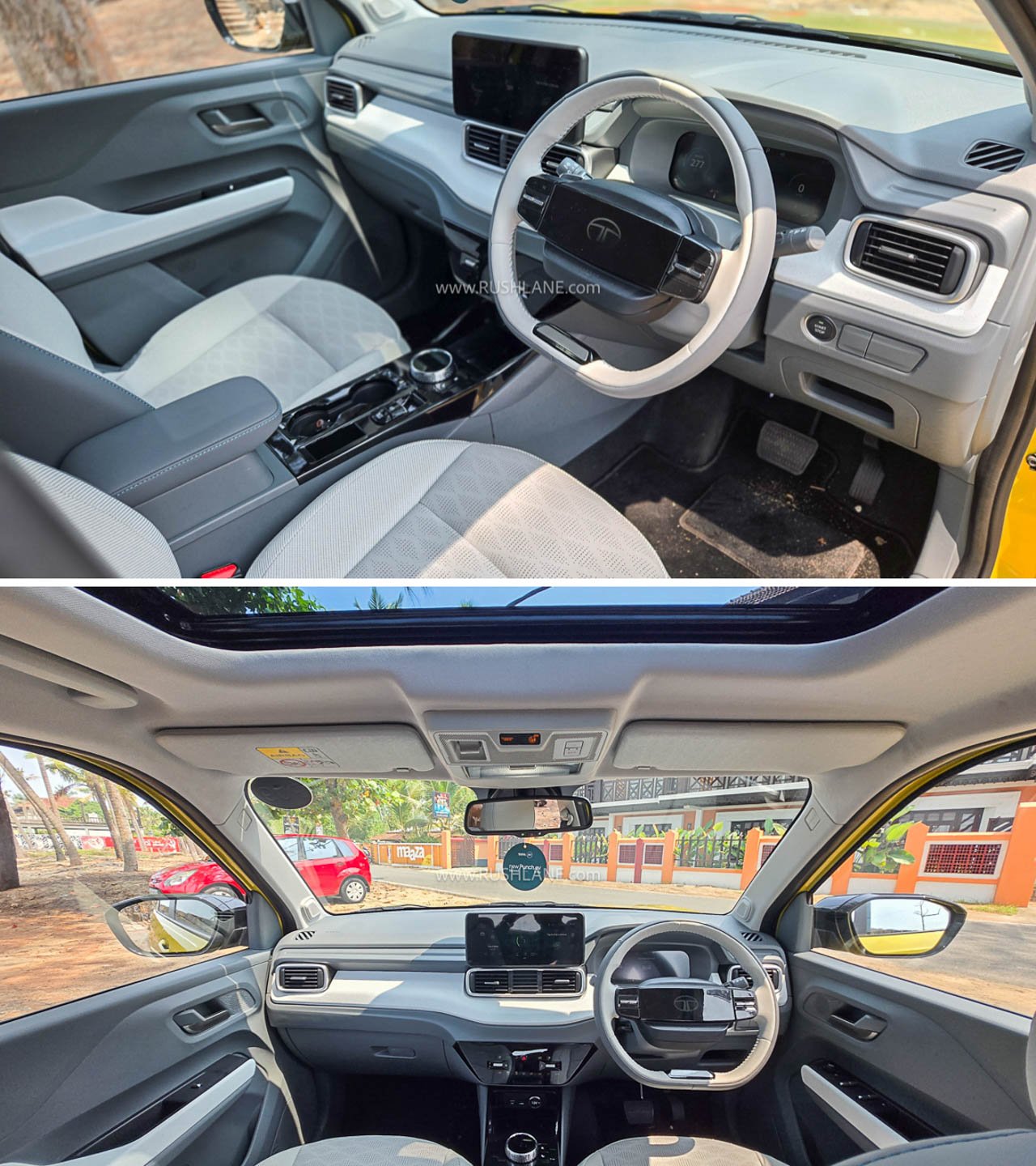
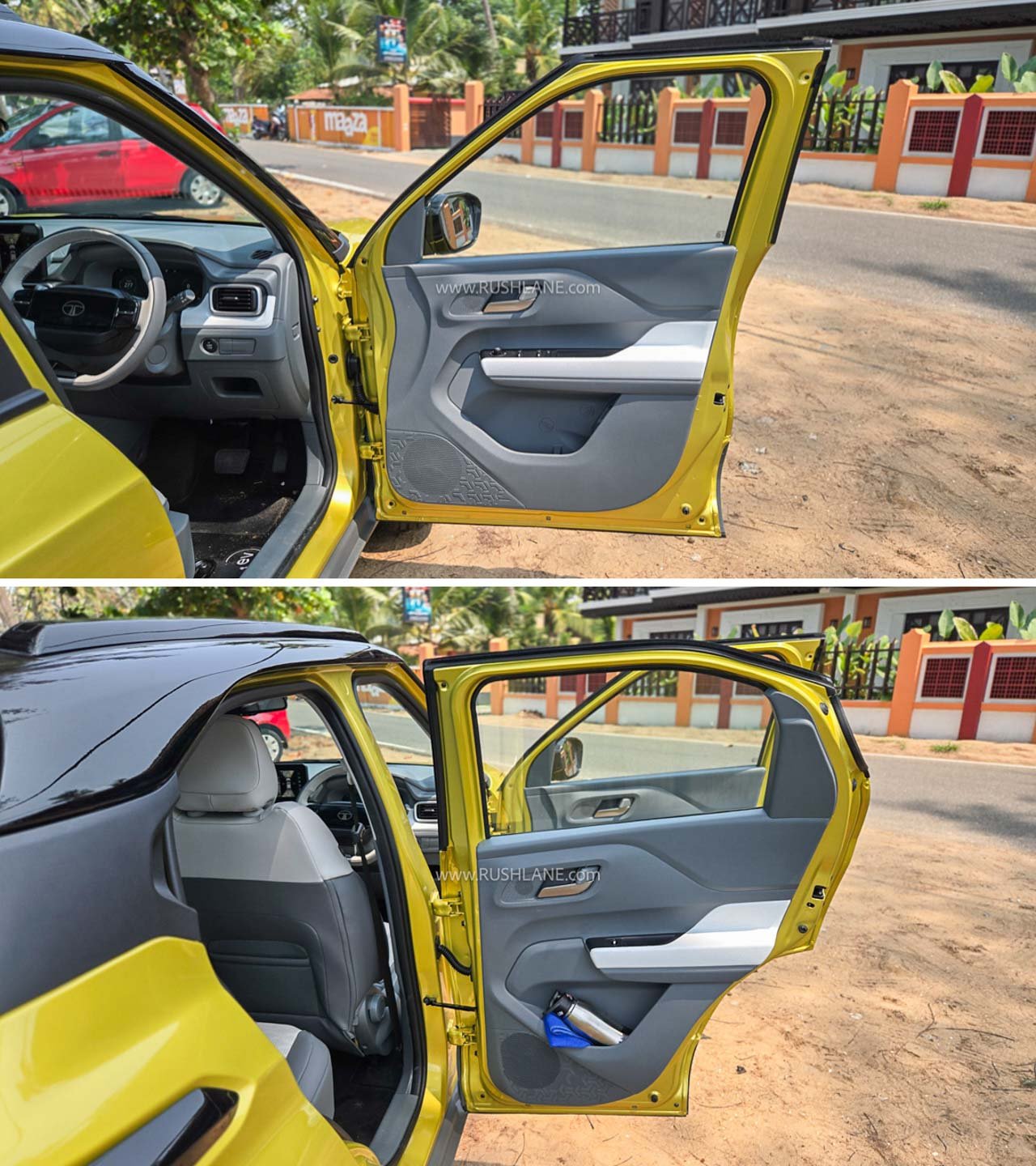
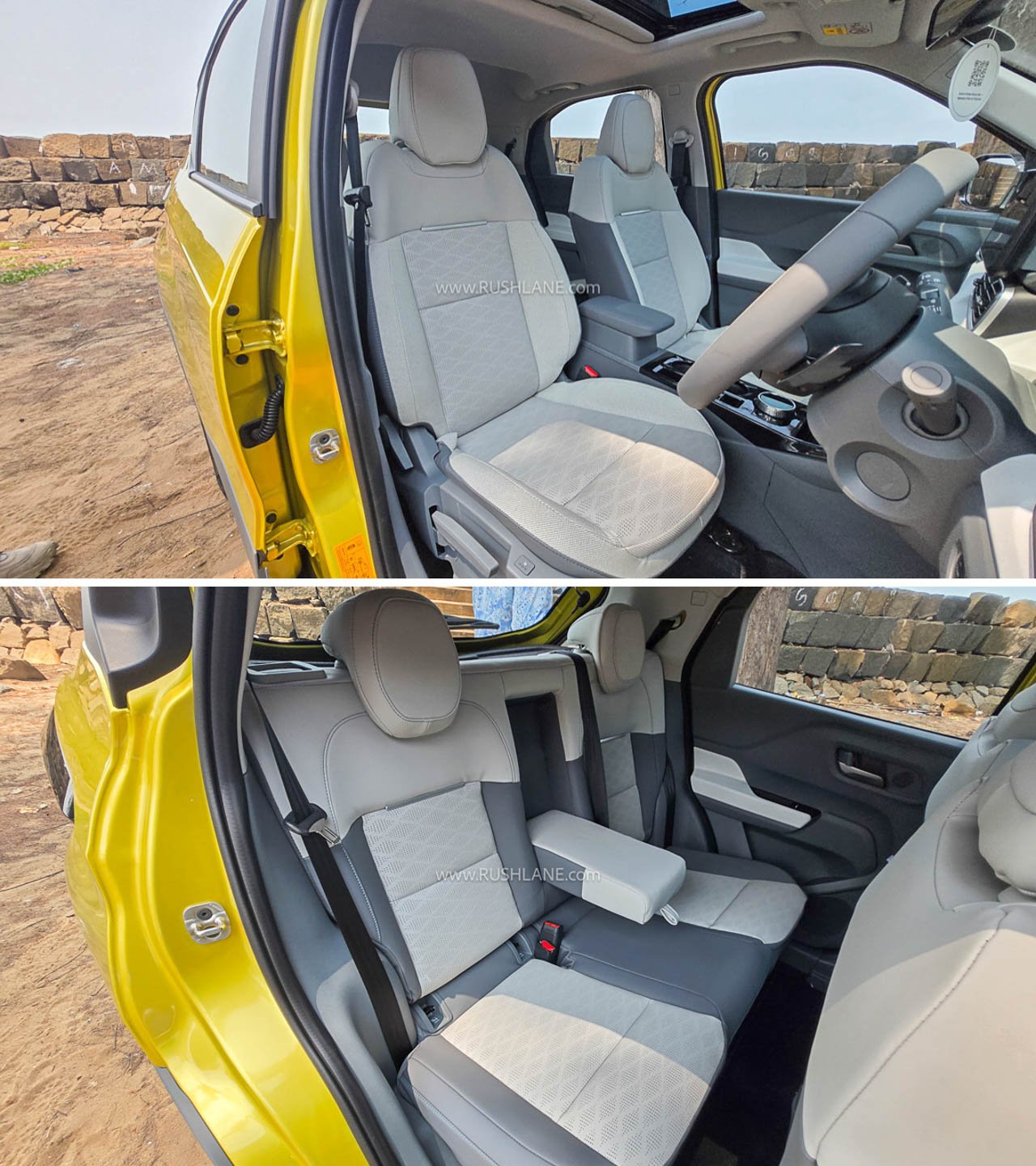
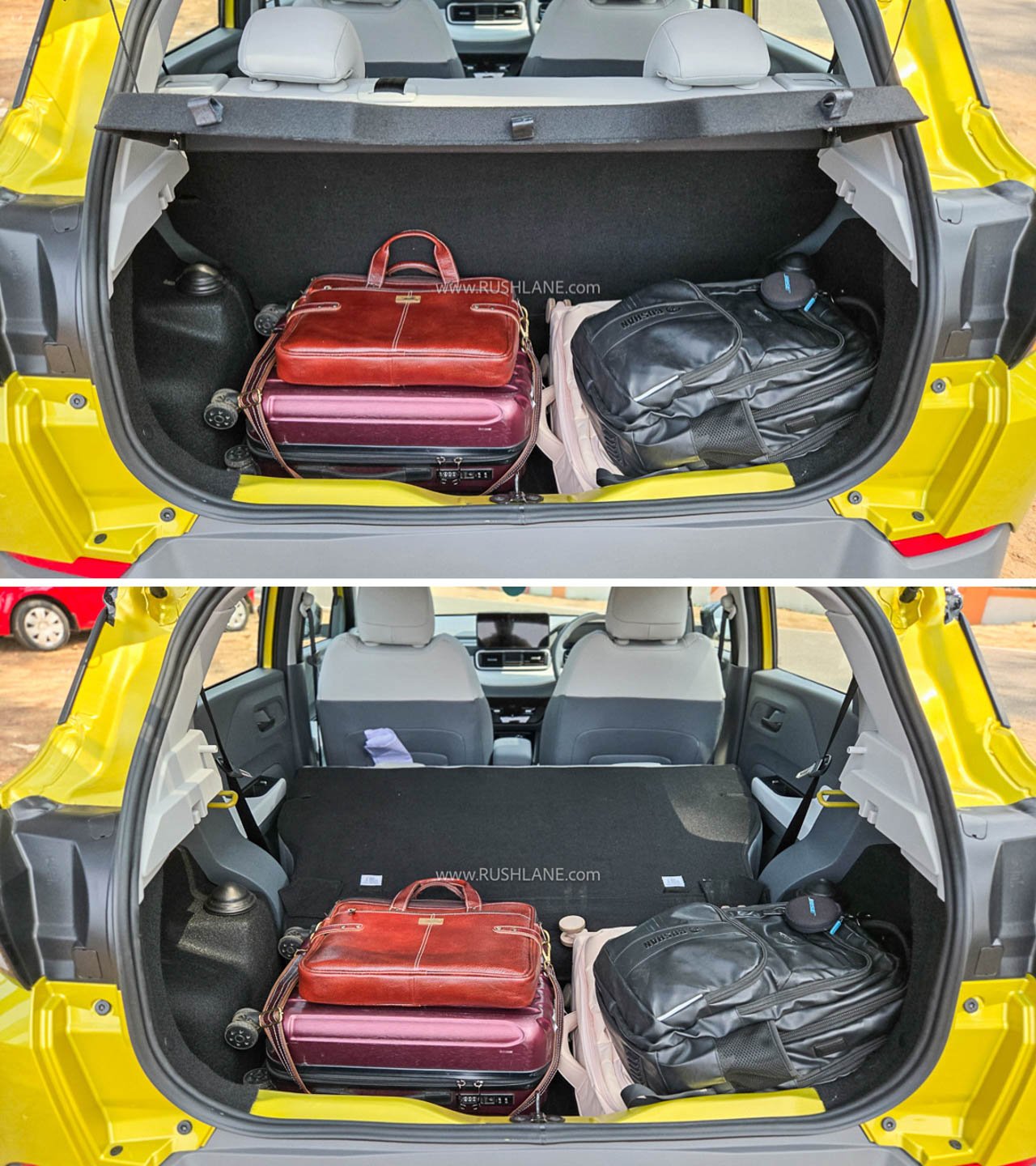
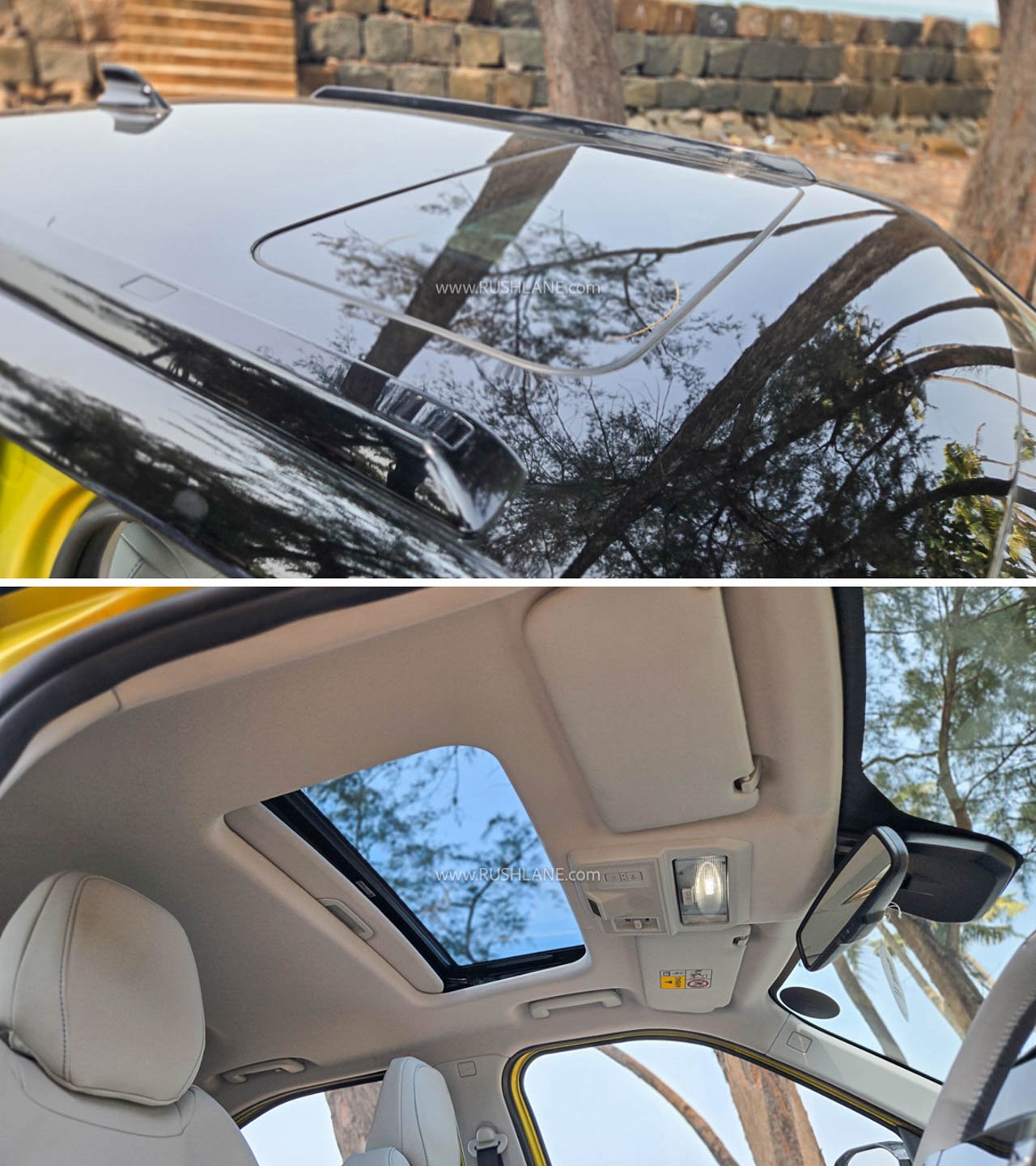
The space is still the same as its predecessor, which is no bad thing. The Punch EV was known for offering good space inside, which continues even now. Front and rear armrest, adjustable headrests, ventilated front seats, leatherette upholstery, single-pane sunroof, discreet cup holders, generous door pockets are worth mentioning. Boot space is similar at 366L and frunk space is around 14L.
Powertrain and performance
The 2026 Punch EV facelift gets a big powertrain spec bump. The company is now using prismatic cells which has allowed them to pack more capacity into the same space. So, the MR variant has increased from 25 kW to 30 kW, while the LR variant has increased from 35 kW to 45 kW. As a result, the range on a single charge has increased from 421 km to 468 km and the C75 has a range of 355 km (with the LR variant).
The Punch EV facelift is a 6-in-one drive unit that combines a motor, DC-to-DC converter and inverter. This increases efficiency and optimization. Peak performance of the motor is now 127 bhp with the LR variant, up from 121 bhp to 86 bhp and 80 bhp with the MR variant. The company has shaved 0.5 seconds off its claimed 0-100 km/h time, bringing it down from 9.5 seconds to less than 9 seconds.
Charging is another area where the Punch EV facelift is being improved. Peak DC charging is now possible at 65W, which will take the battery SOC from 20% to 80% in just 26 minutes. Tata also claims that 65W DC charging can add 135 km of range in just 15 minutes of charge. This could potentially ease range anxiety with improvements in Indian charging infra. Real world range depends on driving style and terrain altitude, which is subject to change.
drive and mobility
Where drive and dynamics are concerned, the 2026 Punch EV feels slightly different from its predecessor. For starters, the ground clearance remains the same at 195 mm, ensuring that we don’t get scratched anywhere. The increased battery capacity means increased weight and the suspension has been tuned accordingly. One has to drive both the vehicles back to back to really appreciate the difference in drive and dynamics.
At first glance, the Punch EV facelift felt a little stiffer than before, while bump absorption remains comparable. This high-riding tall-boy EV handles quite well for its genre, thanks to the massive battery pack in the floor, which brings the center of gravity down where you need it. It’s no sports car yet and there’s noticeable dead center in the steering and its understeering character. The cabin remains quiet and even tire noise remains well controlled.
Should you buy one?
Tata Motors says that even though the rear disc brake is now gone, the braking distance is still the same. But the braking feel and bite of these drum brakes compared to earlier disc brakes is a downgrade in our books. Aesthetically too, disc brakes make a much better case. Another downfall is the removal of its rear AC vent, which buyers will take note of. The national media campaign was in hot and humid Cochin and the lack of rear AC vents bothered us.
Additionally, ADAS could also have been introduced in the Punch EV facelift, but sadly, that is not the case. With BaaS pricing, a bigger battery, more range at a lower price, more performance, and a lifetime battery warranty, the 2026 Punch EV facelift is at least two steps forward in our books compared to its predecessor. However, this is an obvious move as the company has removed important elements like the rear AC vent and rear disc brake.
Despite this, the Punch EV facelift makes a strong case for itself with an unmatched VFM quotient. So, if you are in the market to buy an urban electric car, the 2026 Tata Punch EV should top your shortlist.