
While the original compensation demand was 1 million yuan (Rs 1.33 crore), the court has settled the case for a much lower amount.
Reports from China reveal a disturbing trend where some social media influencers are deliberately defaming car manufacturers. This is allegedly being done to gain popularity and promote conversation on social platforms. Since such acts can damage brand reputation, carmakers in China are approaching the courts for redress. In a recent lawsuit against a car affected person, the court has ruled in favor of Huawei’s Mextro.
Why was the defamation case started?
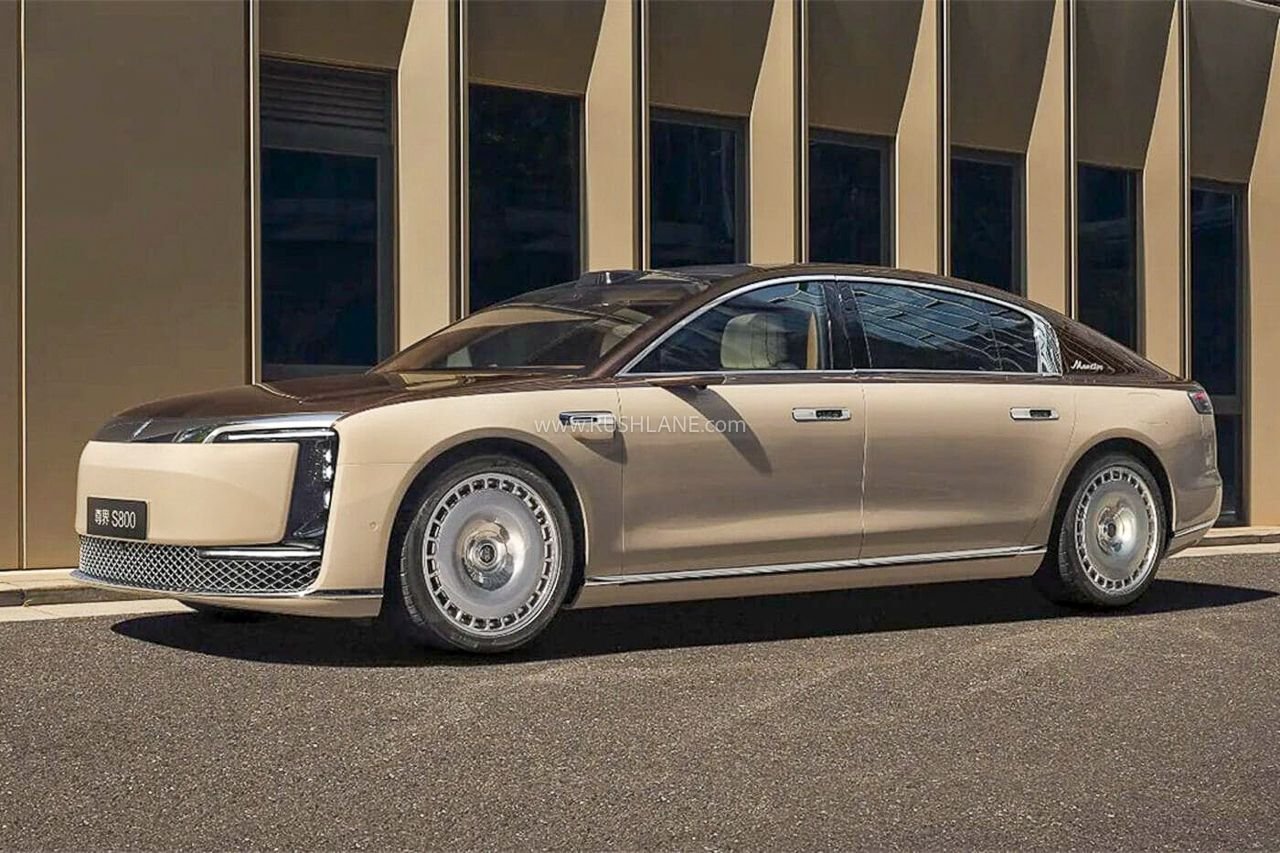
Huawei and JAC (Jianghui Automobile Group) own the Mextro luxury car brand, which competes with the likes of Rolls-Royce and Mercedes-Maybach. The defamation case filed involves the Maextro S800 sedan, which has emerged as the best-selling luxury sedan in China. Cumulative sales have crossed 14k units since deliveries began in August 2025. A total of four variants are offered, priced at 708,000 yuan, 788,000 yuan, 818,000 yuan and 1.018 million yuan, making it one of the most expensive cars on sale in China. Sales data shows that the Maextro S800 recorded 4,376 units in December last year.
A defamation case was filed by JAC on behalf of Maextro after a car influencer allegedly made false claims about the S800. In early 2025, Maextro posted several videos highlighting various capabilities of the S800. For reference, the S800 can move and make calls via satellite. In a video, the S800 was compared to the Maybach S-Class. It focused on highlighting the S800’s unique ability to slide over potholes.
The video showed three different pits filled with sand, a square piece of glass and water. The S800 was shown sliding over these pits without touching the materials placed in the pits. In comparison, the Maybach S-Class touched the substances, indicating interaction with the crater surface.
Car influencer claims rigging
While the videos posted by Mextro were genuine, a China-based car influencer named Racing Frappuccino claimed that these tests were rigged. According to available information, the Weibo account ‘Racing Frappuccino’ has been verified as a knowledge-based automotive influencer and has around 605,000 followers. The account has generated approximately 1.96 million reposts and likes across its content, which largely consists of personal opinions and comments on trending developments in the automotive industry.
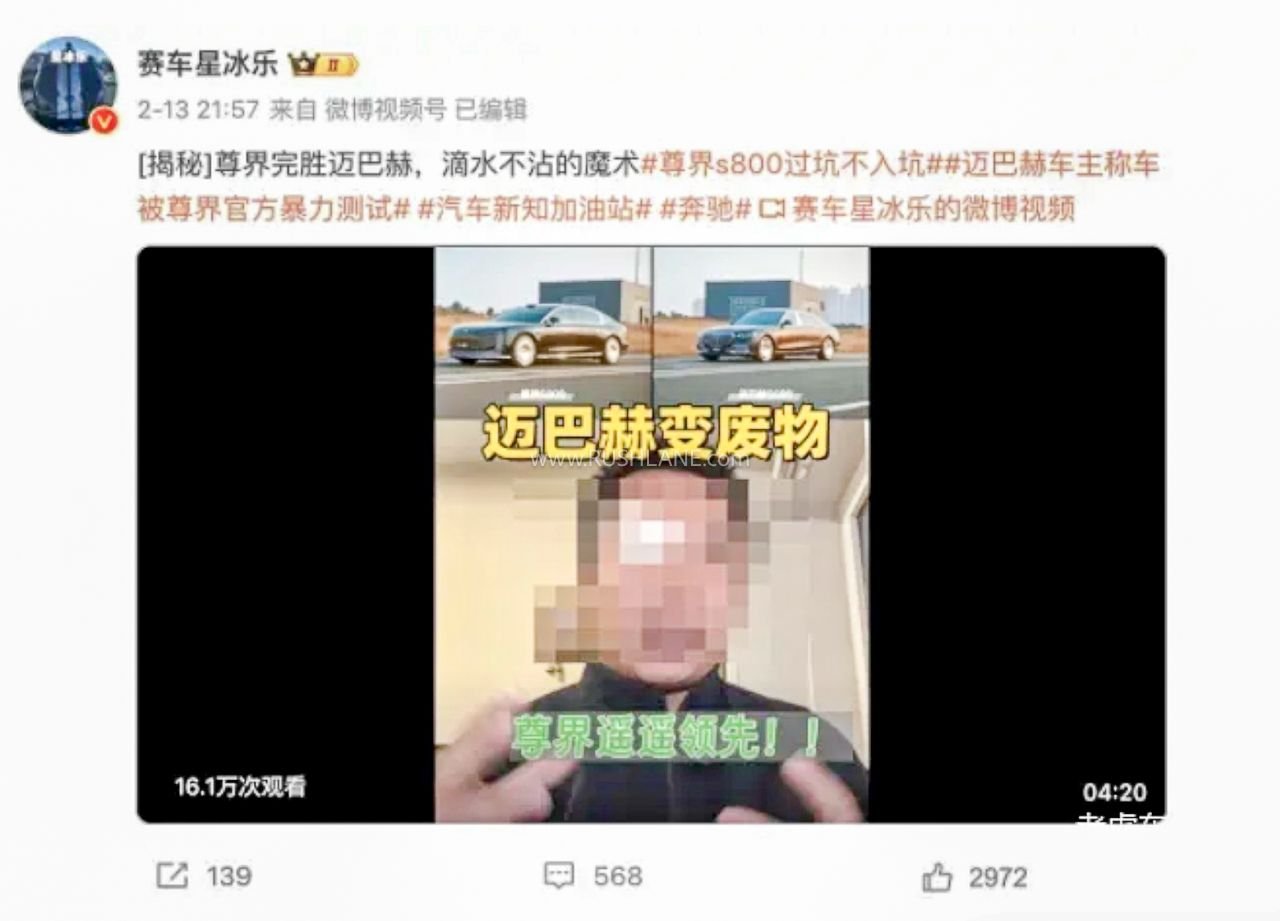
In a video, he said that such tests were merely marketing strategies to highlight the unique features of the S800’s chassis. He also targeted Huawei and said that the brand often adopts such tactics. After Maextro asked the influencer to apologize for his false claims, he created another video to discredit Huawei’s marketing strategies.
The model at the center of the controversy is the Zunjie S800, the first vehicle from Zunjie Automobile. Positioned as a million-yuan ultra-luxury offering, the S800 was jointly introduced by Huawei and JAC and officially launched on May 30 last year. A total of four variants were introduced, priced at 708,000 yuan, 788,000 yuan, 818,000 yuan and 1.018 million yuan. Sales data shows that the Zunjie S800 recorded 4,376 units in December last year.
Explanation of 300,000 yuan compensation
Subsequently, JAC filed a defamation suit against the car influencer in May 2025. The lawsuit had sought compensation of 1 million yuan (Rs 1.33 crore). Reacting to this, the influencer threatened to file a counter-suit with a compensation of 2.5 million yuan (Rs 3.32 crore). The court has ruled in favor of JAC in its decision. In a first instance decision, the court ruled that the claims made by the influencer about the Maextro S800 were fabricated.
Since the company’s reputation was hurt, the influencer was directed to issue a public apology and pay a compensation of 300k Yuan (Rs 40 lakh). Many such cases have already come to light in China. Courts have given several orders such as removing defamatory content, paying compensation and issuing public apologies.
Other carmakers that have won similar cases against social media influencers include Great Wall Motor, BYD and Xpeng. In a recent sensational defamation case involving the Denza B5 SUV, an influencer was asked to pay a whopping US$289,000 (Rs 2.63 crore) to BYD. Hopefully, these court decisions will have a positive impact and inspire influencers and influencers to act more responsibly.