With its distinct European styling, the Hyundai Bayon can stand out in the highly competitive sub-4 meter SUV segment in India
Hyundai is testing the second-generation Bayon subcompact crossover SUV, which is expected to be launched in India later this year. Test mules clad in heavy camouflage have been spotted frequently in recent months. Based on the spy shots, the digital renderings provide a clear view of what the updated version could look like in production-ready form. Let’s see the details.
Real life presentation of New Bayon
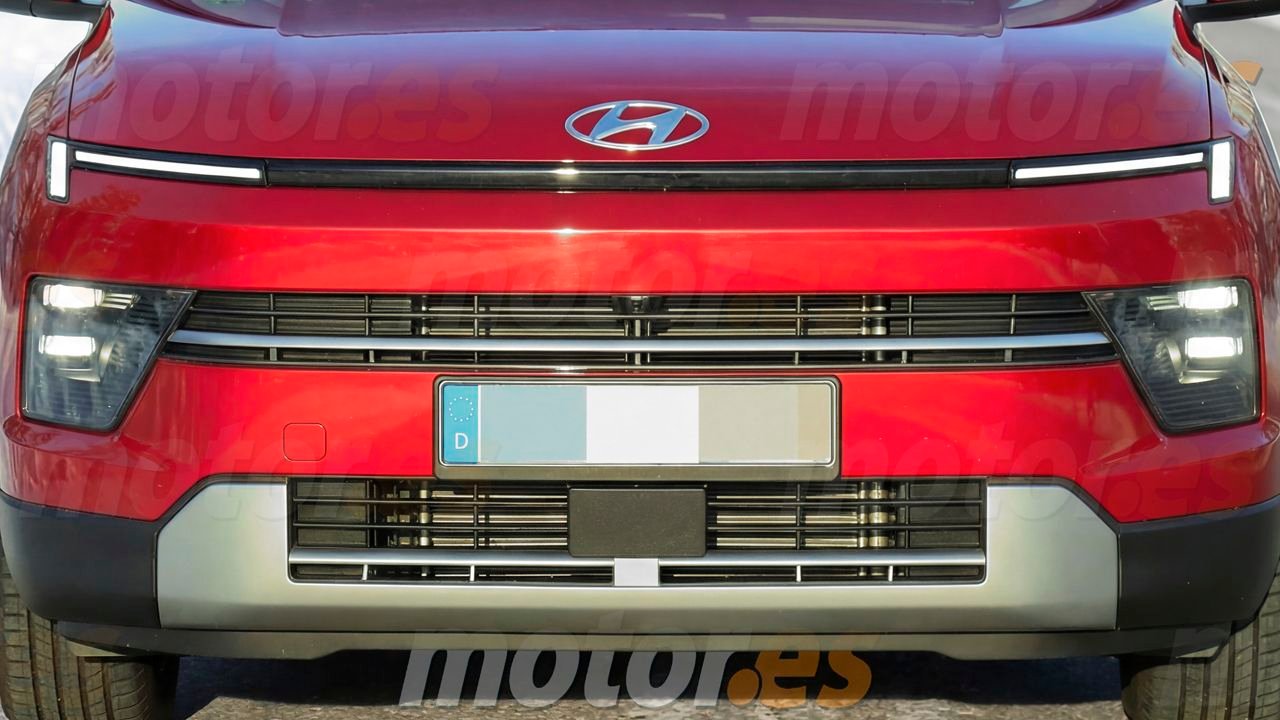
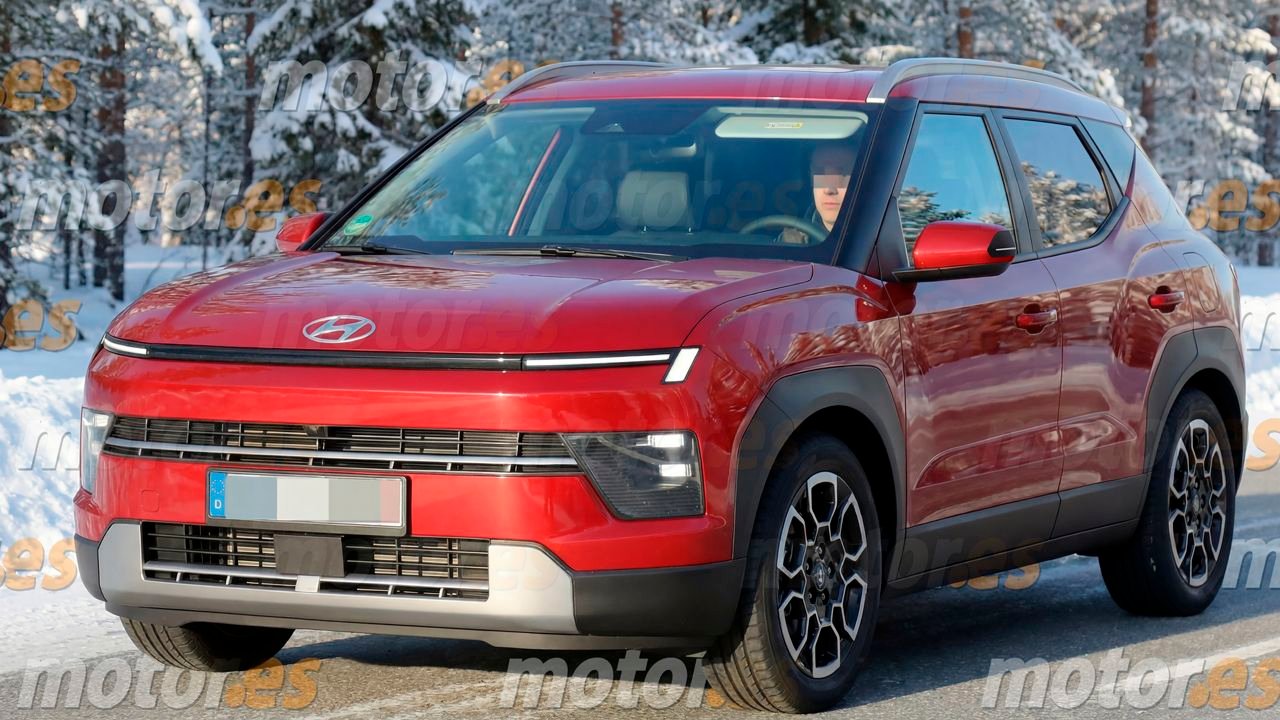
As is clear from the render images, the new Bayon has a more sophisticated design. The front fascia gets a facelift with attractive lighting elements and a more elegantly crafted grille and bumper section. Some elements like the full-width stripe at the front seem to be inspired by the Kona.
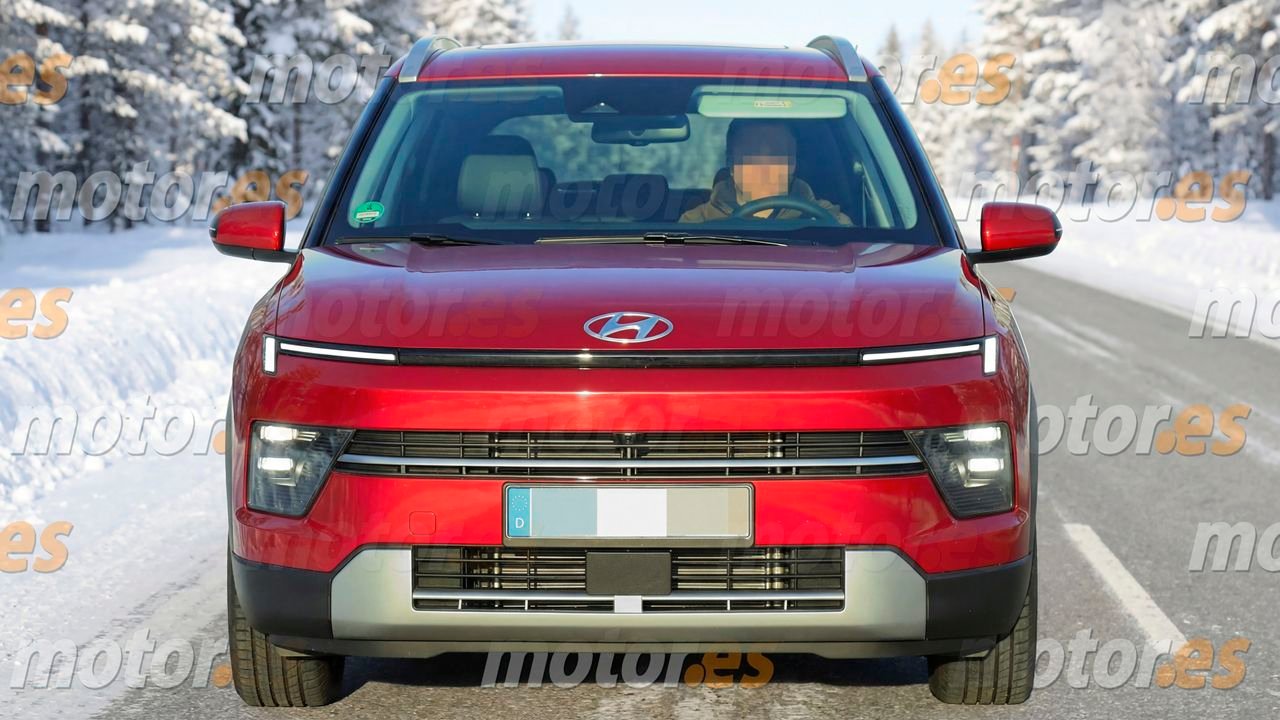
However, the illumination is only on the sides with LED DRLs and turn signals. The center section appears to have plastic trim in a glossy black finish. Moving to the edges, smooth curves can be seen on the paneling, ensuring a beautiful, clutter-free profile. The windshield pillars appear to have a steeper tilt angle, which adds to the sportiness of the SUV.
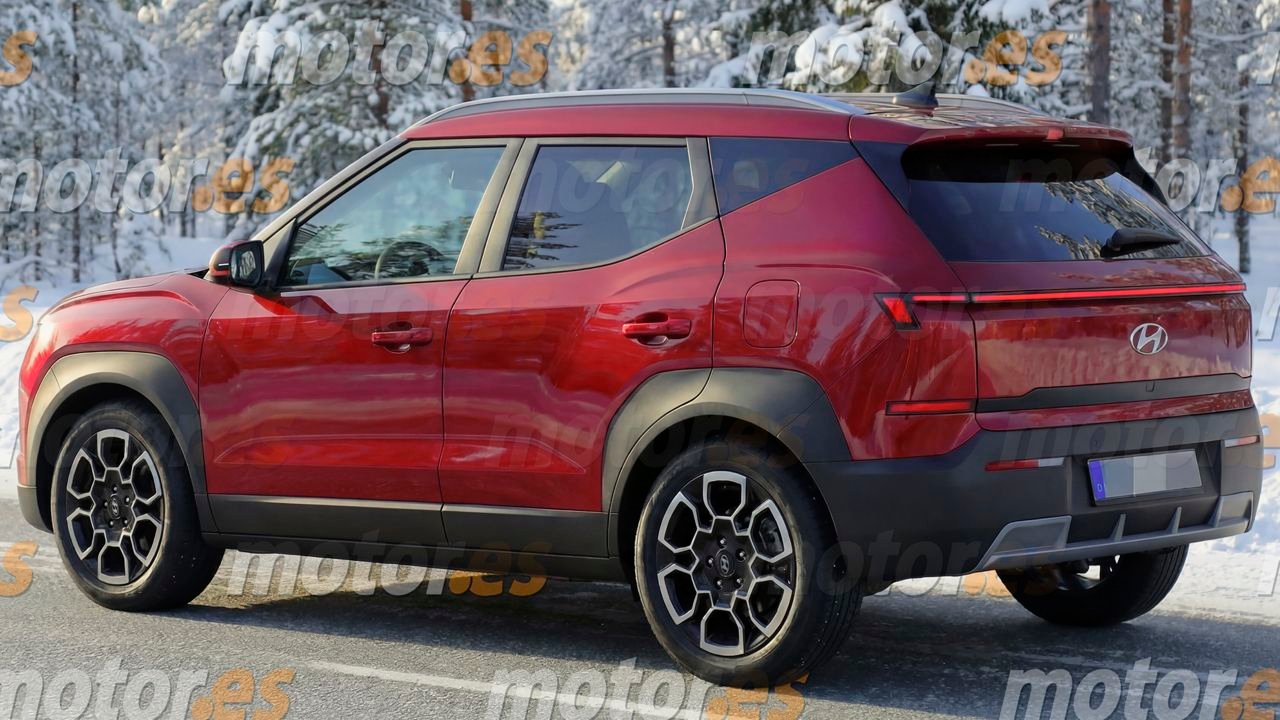
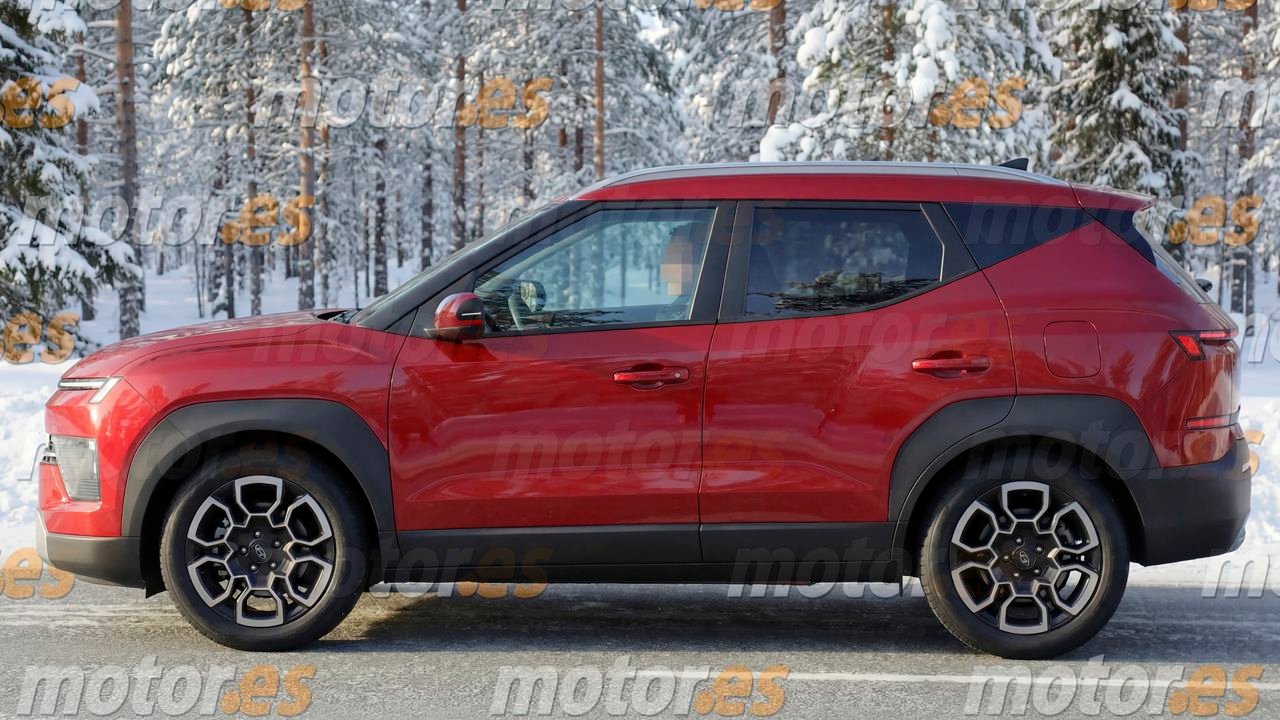
While the new Bayon focuses on sophistication, one can also see some rugged taste, as evidenced by the muscular wheel arches and thick body cladding. A new set of alloy wheels can be expected with the new model. Other key features seen in the render images include conventional door handles in body-colour finish, a gently sloping roofline, roof rails in silver finish and a shark fin antenna.
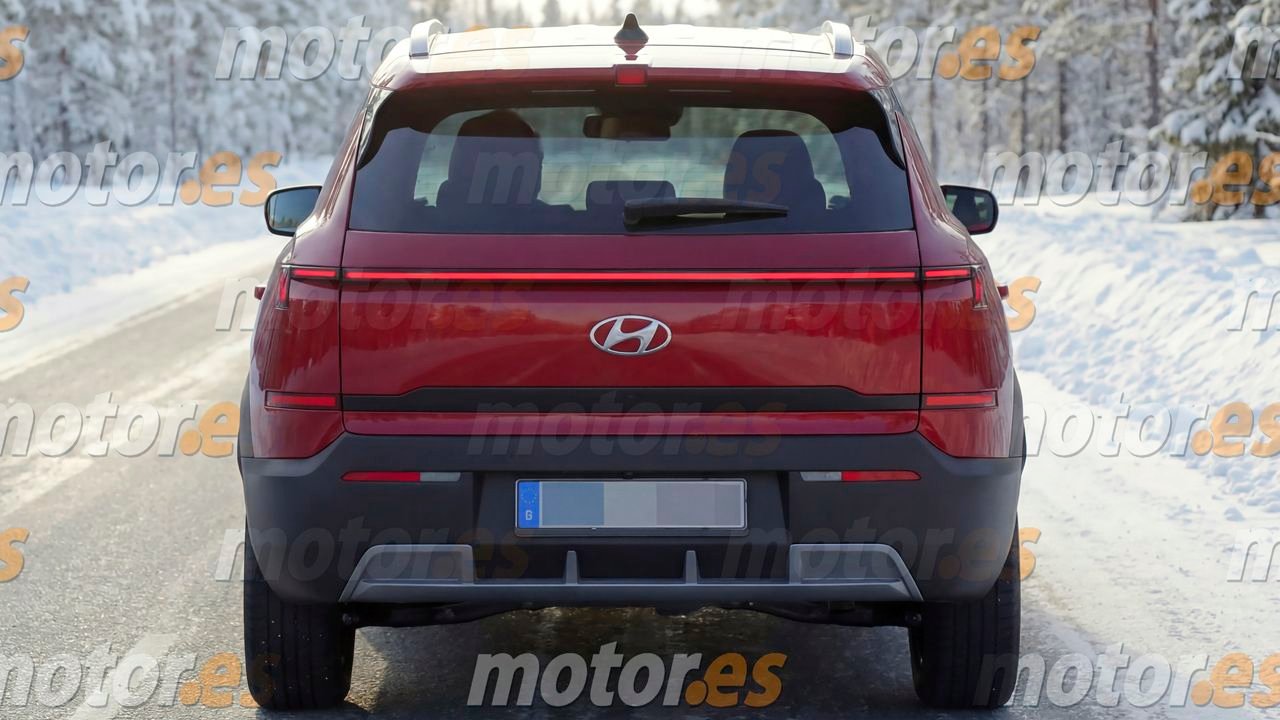
At the rear, key features include sleek tail lamps in interconnected format, a raked windshield and strong bumper design. Hyundai will also introduce an N Line version of the new Bayon. It will get special features like unique details in gloss black finish and exclusive alloy wheels that can go up to 18 inches.
New equipment, powertrain options
The upcoming second generation Bayon will get a number of updates inside as well. Possibilities include dual 12.3-inch screens for the infotainment and instrument cluster. Hyundai will also focus on enhancing the safety package. Many new security features can be added in addition to those legally required.
Other features may include a sunroof, auto-dimming IRVM, automatic climate control and rear AC vents. In the global markets, the new Bayon is expected to get new generation engines. Powertrain options available with the current model include a 48-volt mild hybrid setup.
At present, the primary engine offered with the current Bayon is a 1.0-litre three-cylinder turbo petrol engine. The top variant of the new Bayon is likely to be powered by a 1.6-litre 4-cylinder unit. At a later date, an electric powertrain may also be introduced with the new Bayon.
In India, the second generation Bayon is expected to be introduced as a sub-4-metre SUV. The current model sold in Europe is 4,180 mm long. Engine options for India could include a 1.2-litre naturally aspirated petrol unit and a 1.0-litre turbo petrol engine. Hyundai Bayon will primarily compete with the Maruti Suzuki Bronx in India.