
While JSW can import from other global suppliers, the total cost will be higher than importing from China
JSW has the ambition to establish an entirely new car brand in India. It will be wholly owned by JSW and will be separate from the existing joint venture with SAIC-owned MG Motor. A few weeks ago, it was revealed that JSW has partnered with China-based Chery Automobile to carry out its plans.
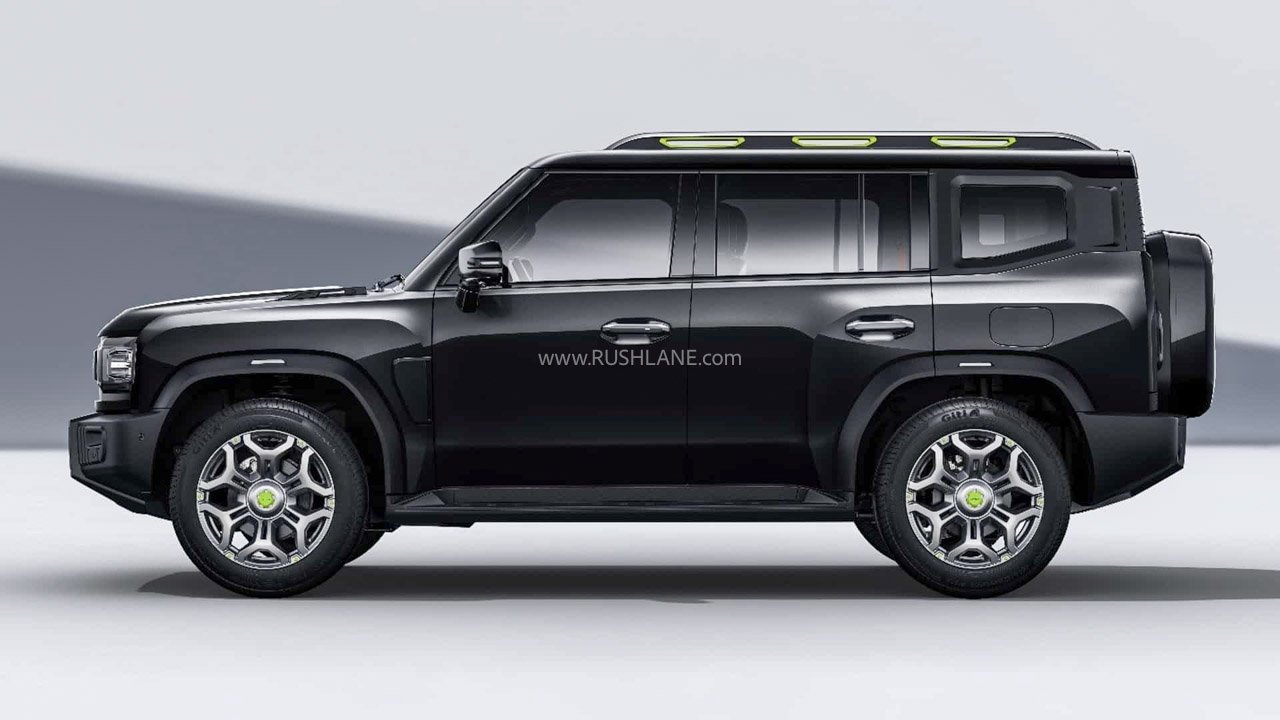
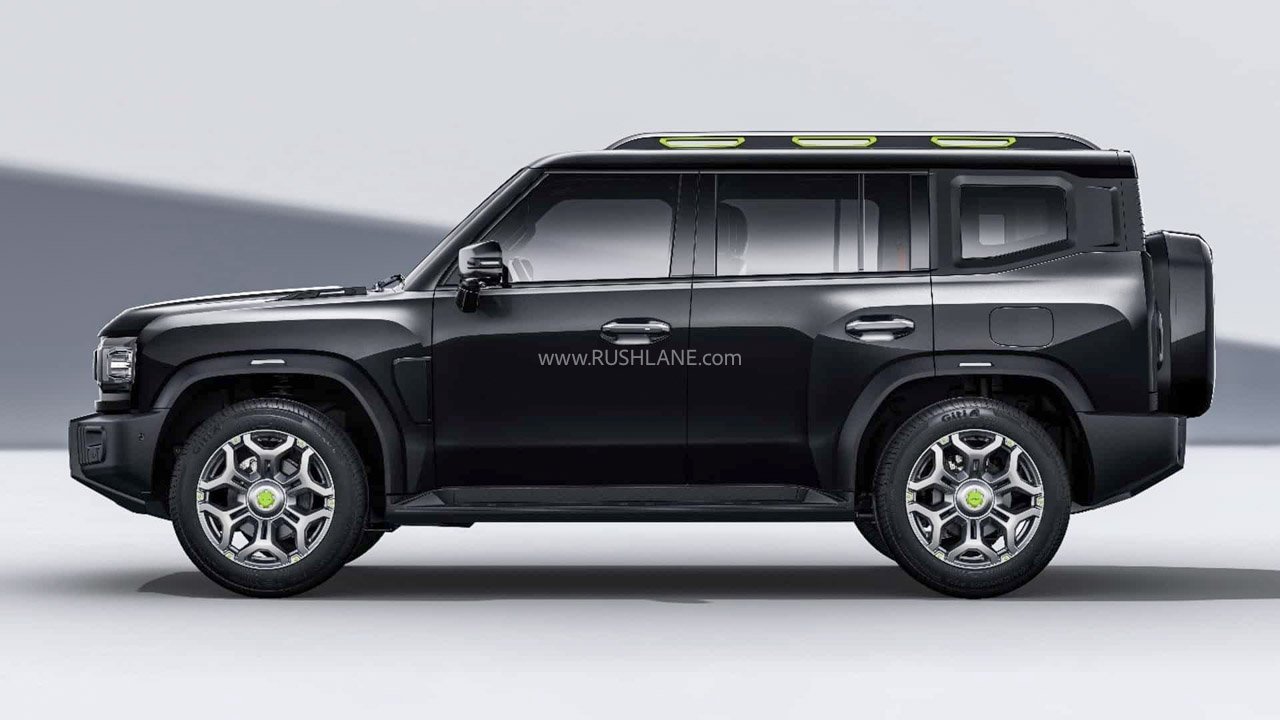
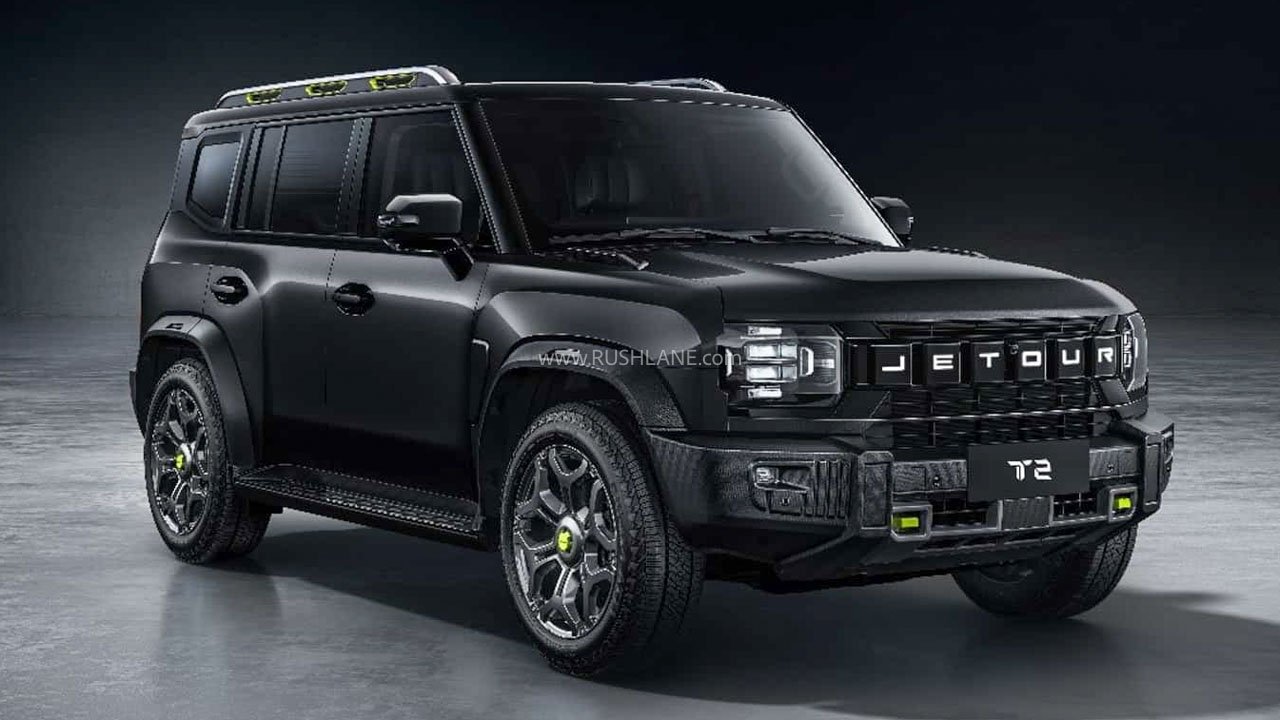
The first JSW car could be the Chery Jetour T2 i-DM, which will be locally assembled and launched under a new brand and model name. However, recent reports indicate that JSW is facing some issues related to the import of specific components from China. This could potentially delay launch plans. Let’s see the details.
Strict scrutiny of sugar imports
To prevent dumping of low-quality goods from China, the Indian government has mandated strict quality control regulations. This policy is active from 2020. Under this quality control regulation, any foreign supplier is first required to obtain local certification for imports. Although many countries have similar regulations, such certification requests can take several months to process.
JSW has invested around $3 billion (~Rs 27,213 crore) for its new automotive venture. In the initial phase, JSW will import some components from China. These are not currently available ‘off-the-shelf’ from local suppliers in India. The list includes safety glass components like windshields and sunroofs. Due to the lengthy certification process, JSW is unable to import these items from China.
In a letter addressed to the Industries Ministry, JSW has requested the government to fast-track approvals for Chinese suppliers. JSW has selected these suppliers after a thorough review of several local and global suppliers. JSW needs to start operations and expand rapidly, as the Indian auto industry is in a critical growth phase. There is huge potential in the hybrid and electric segments, which is a key focus area for JSW.
Negotiating with other suppliers
Due to delays in imports from China, JSW is exploring options to import safety glass components from suppliers in Germany and Vietnam. However, these are likely to cost more, resulting in increased production costs. With their large scale of operations, suppliers from China often have unmatched cost advantages for their customers.
Although JSW is committed to increasing local sourcing, it may have to depend on imports in the initial phase. Reports indicate that the Industries Ministry has not yet responded to the letter of request posted by JSW. Since local certification for imports may take a long time, JSW’s launch plans may get delayed.
JSW’s first car, likely the Jetour T2 i-DM PHEV, will be assembled at the company’s greenfield production facility in Chhatrapati Sambhajinagar, Maharashtra. If the import issues are resolved soon, JSW may launch the Jetour T2 i-DM later this year. It will be the most affordable PHEV car in India, which will give it a clear advantage.