
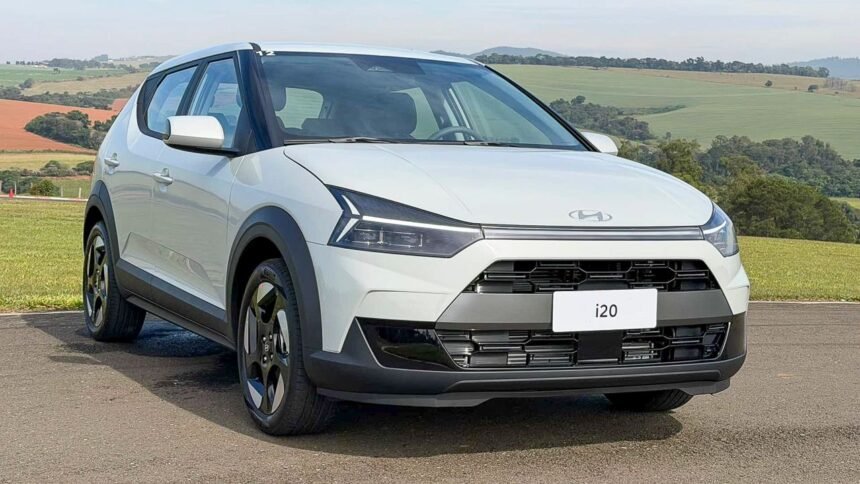
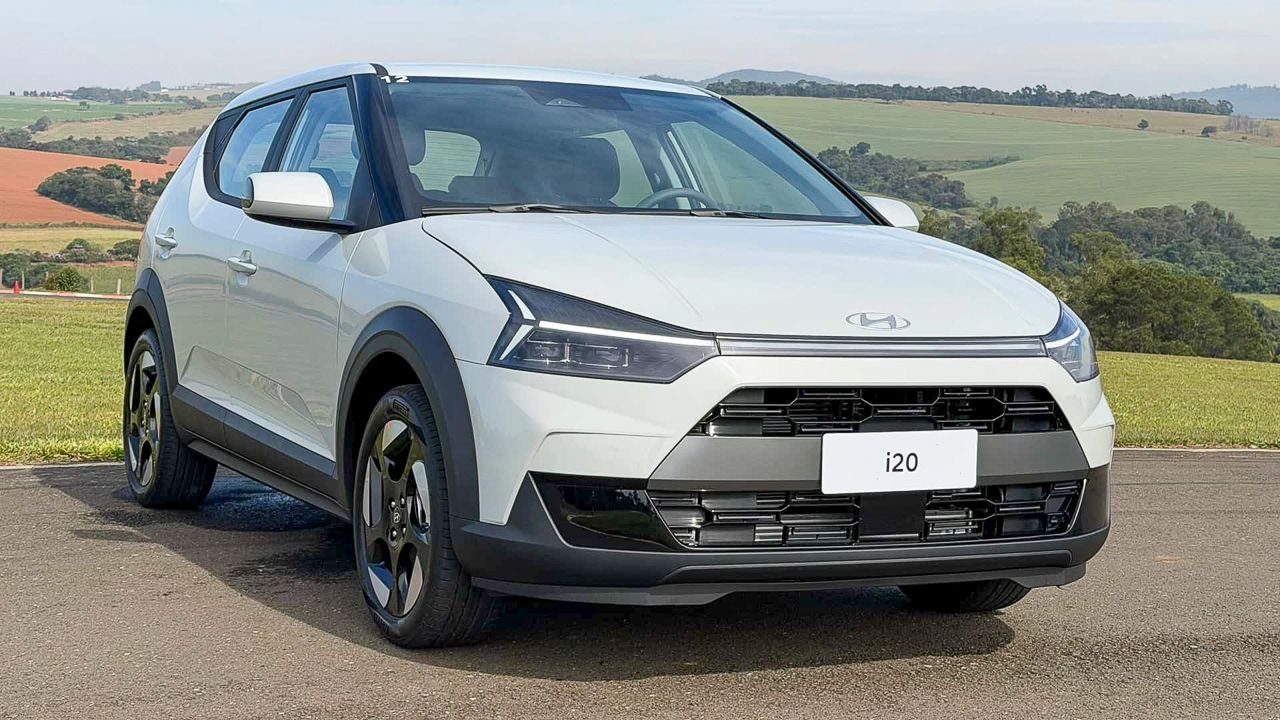
The new i20 is likely to get a 48V mild hybrid (MHEV) setup, as is currently used with the Kia Stonic.
Hyundai recently launched the all-new fourth generation i20 in Brazil with extensive updates. The updated model runs on the K3 platform, which supports advanced technological features and diverse powertrain systems. While the new i20 for Brazil currently has a pair of 1.0-litre flex petrol engines, the hatch could get a 48V mild and robust hybrid (HEV) system in the future. The type of electrification of the i20 will vary depending on the market.
New i20 mild-hybrid variant – what to expect?
In Hyundai’s Brazil portfolio, the new i20 is positioned between the HB20 and Creta. Powertrain options include a 1.0-litre naturally aspirated 3-cylinder flex petrol engine. It produces 75 hp/94 Nm when running on petrol and 80 hp/100 Nm when using flex fuel (E30 or higher ethanol blend). This engine is only offered with a 5-speed manual transmission.
The higher-spec variants of the new i20 in Brazil use a Turbo Flex, 3-cylinder petrol engine that produces 115 hp and 172 Nm of torque (petrol or ethanol). It is paired with a 6-speed automatic transmission. With an increased focus on electrification, the new i20 in Brazil is expected to get a 1.0-litre turbo flex engine with a 48V mild hybrid setup.
A similar mild-hybrid setup is already in use in Brazil with the Kia Stonic. It is integrated with a 1.0-litre Kappa Turbo GDI (T-GDI) 3-cylinder petrol engine. This powertrain generates 120 hp and 200 Nm of peak torque. It is paired with a 7-speed dual clutch automatic transmission and power is sent to the front wheels.
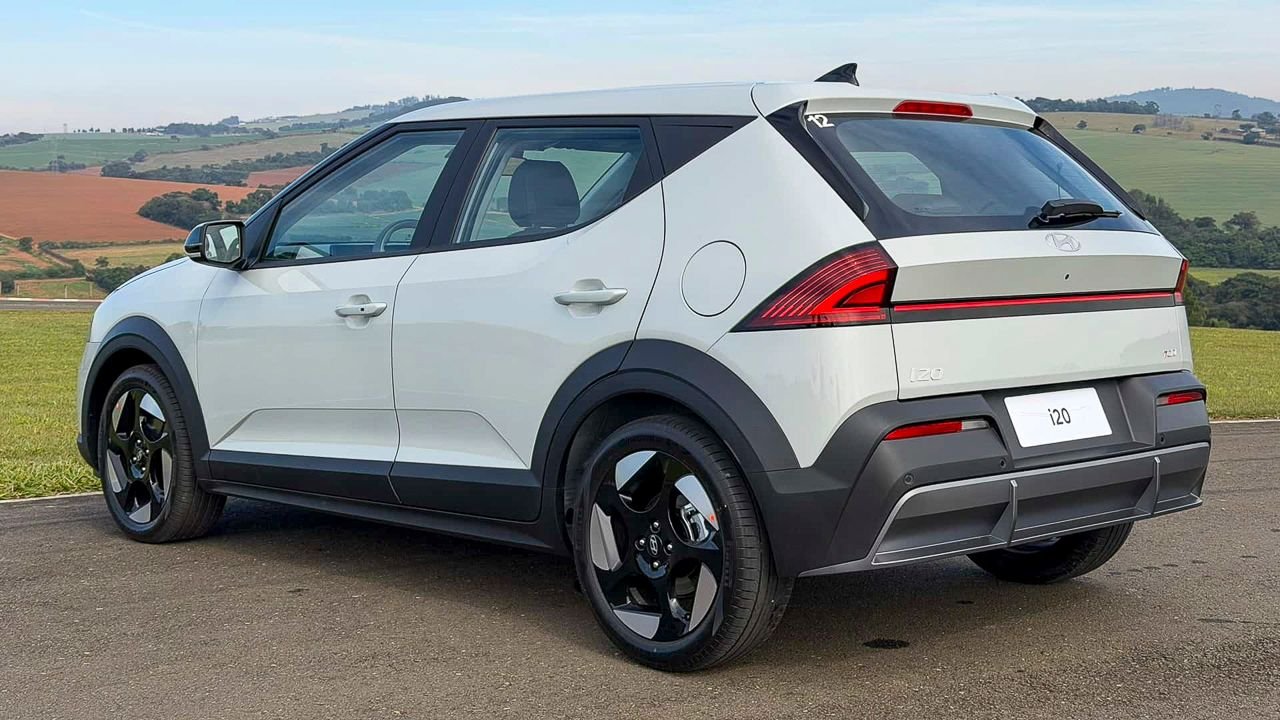
The Stonic has Eco, Normal and Sport drive modes. It has innovative features like sailing mode, where the engine switches off when coasting to increase fuel efficiency. The new i20 is also likely to get a strong hybrid powertrain (HEV) for the highest possible fuel efficiency and versatility.
Increased versatility with the K3 platform
Hyundai and Kia are upgrading many of their cars to the new K3 platform. Along with enabling advanced features and new powertrains, the K3 platform also future-proofs these cars through OTA updates. With the new i20, the K3 platform has helped improve overall refinement, crash safety and structural rigidity.
While safety has been enhanced with a higher percentage of high-strength steel, the K3 platform also focuses on enhancing ride comfort and reducing NVH levels. It also supports HEV setup, as is expected from the upcoming new generation Creta. Running on the K3 platform, the new i20 in Brazil offers a wide range of premium features.
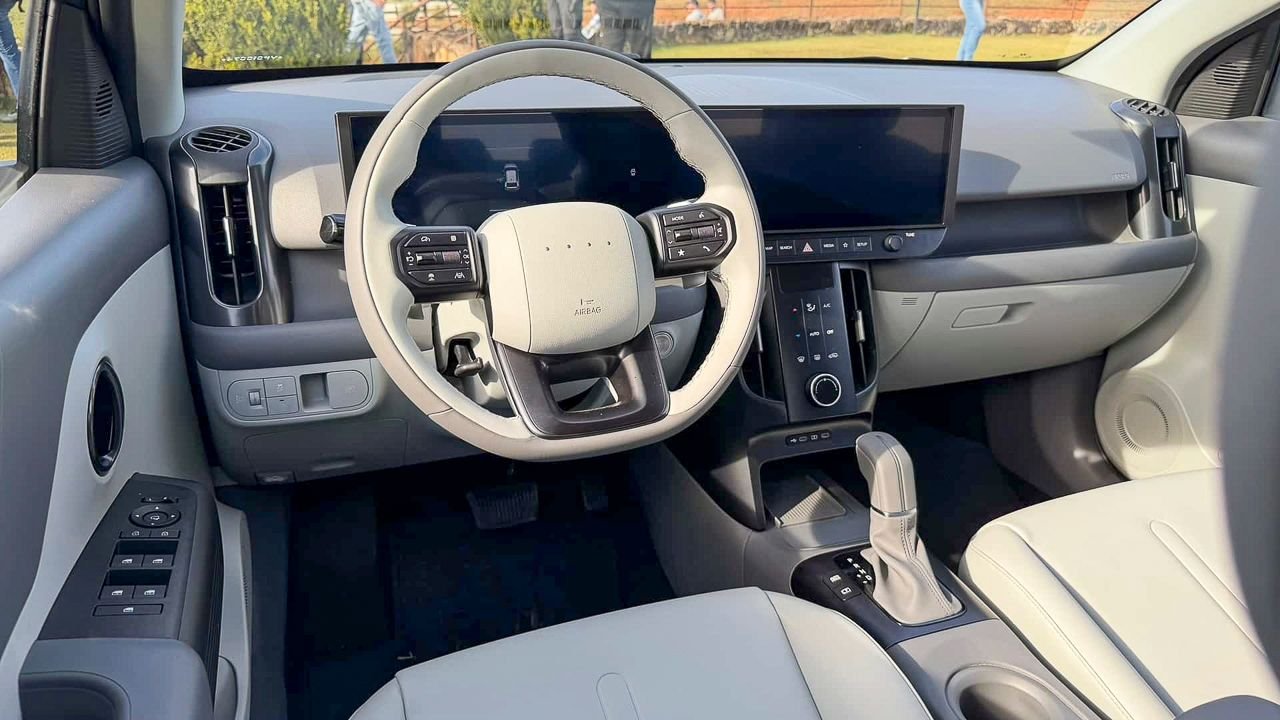
One of the main attractions is the dual 12.3-inch screens for the infotainment and instrument cluster. Hyundai’s larger models based on the K3 platform like the Creta are expected to get the Pleos infotainment and connectivity system. In the case of the new i20, other updates include an advanced multimedia system with embedded connectivity through a 5G chip.
The OTA update marks the first time for a Hyundai model in Brazil with the new i20. The steering wheel is new, with an attractive quad dot logo. It has paddle shifters and mounted controls. The new i20 features BlueLink connectivity suite, electronic parking brake, wireless phone charger and physical buttons for air conditioning. Hyundai has also introduced a comprehensive suite of ADAS features with the new i20, enhancing passenger safety.