


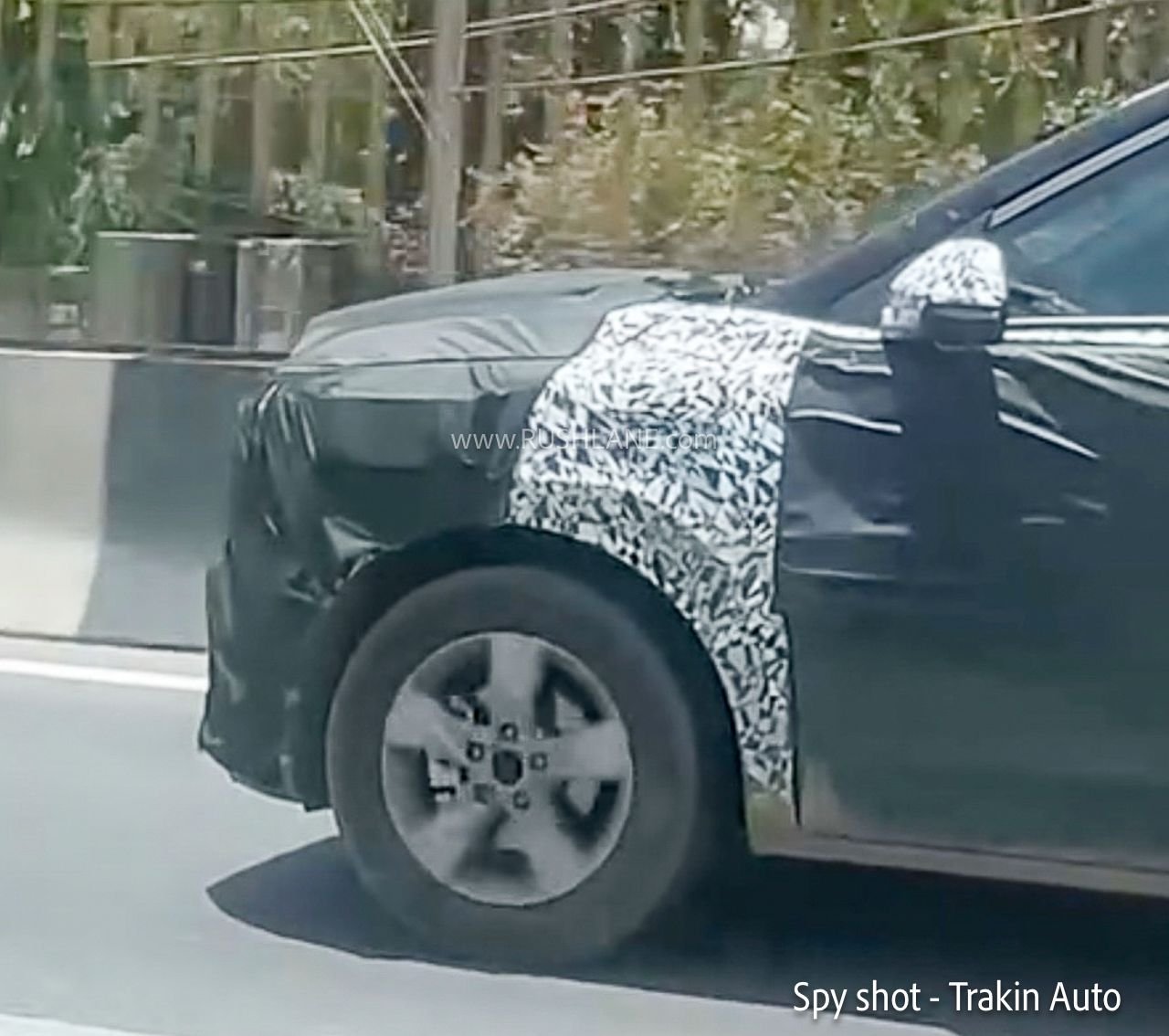
Kia India has started testing the next generation Sonet compact SUV. Internally codenamed QY2EThe upcoming Sonet is expected to make its market debut in 2027 and bring significant upgrades in terms of platform, design, technology and safety. The latest spy shots are credited to Trackin Auto.
The new design is taking shape
While the camouflage hides most of the bodywork, the overall silhouette suggests that Kia will retain the Sonet’s upright SUV styling. The test mule featured a flat roofline, pronounced wheel arches and a more square rear profile.

The front and rear lighting elements remain hidden, but the production-spec model is expected to adopt Kia’s latest global design language vertically oriented light signature More premium appearance. The rear appears more upright than before, which should help improve luggage capacity and rear seat headroom.
Based on the new K1 platform
One of the biggest changes for the next generation Sonet will be the relocation of its Kia’s new K1 platform. The same architecture is already based on Cyros and is expected to improve structural rigidity, safety and overall packaging.
This platform change could allow Kia to introduce more advanced connected car technologies, enhanced OTA update capabilities, and improved electronic architecture. Security is also likely to get a big boostWith strong India NCAP performance expectations. Syros, which is based on the same platform, has already achieved a 5-star India NCAP rating.
The new architecture may also allow Kia to slightly increase the wheelbase length, resulting in better rear-seat comfort and better cabin space without making significant changes to the sub-4-metre footprint of the compact SUV.

Feature set to expand list
Kia has traditionally positioned the Sonet as one of the most feature-loaded offerings in its segment, and the next-generation model is expected to continue that trend. Expected upgrades include larger infotainment and digital instrument displays, a redesigned dashboard layout, advanced connected car functions and a more refined user interface.
The SUV is also likely to get an advanced ADAS package, which will potentially go beyond the existing Level 1 system offered on the outgoing model. Other expected features include a panoramic display setup, ventilated seats, a 360-degree camera and additional convenience technologies that aim to strengthen the Sonet’s appeal against new rivals.
Engine options likely to continue
Under the hood, the next-generation Sonet is expected to retain Kia’s existing powertrain lineup at launch. This may include 1.2-litre naturally aspirated petrol, 1.0-litre turbo petrol and 1.5-litre diesel Paired with a range of engines, manual and automatic transmission options.
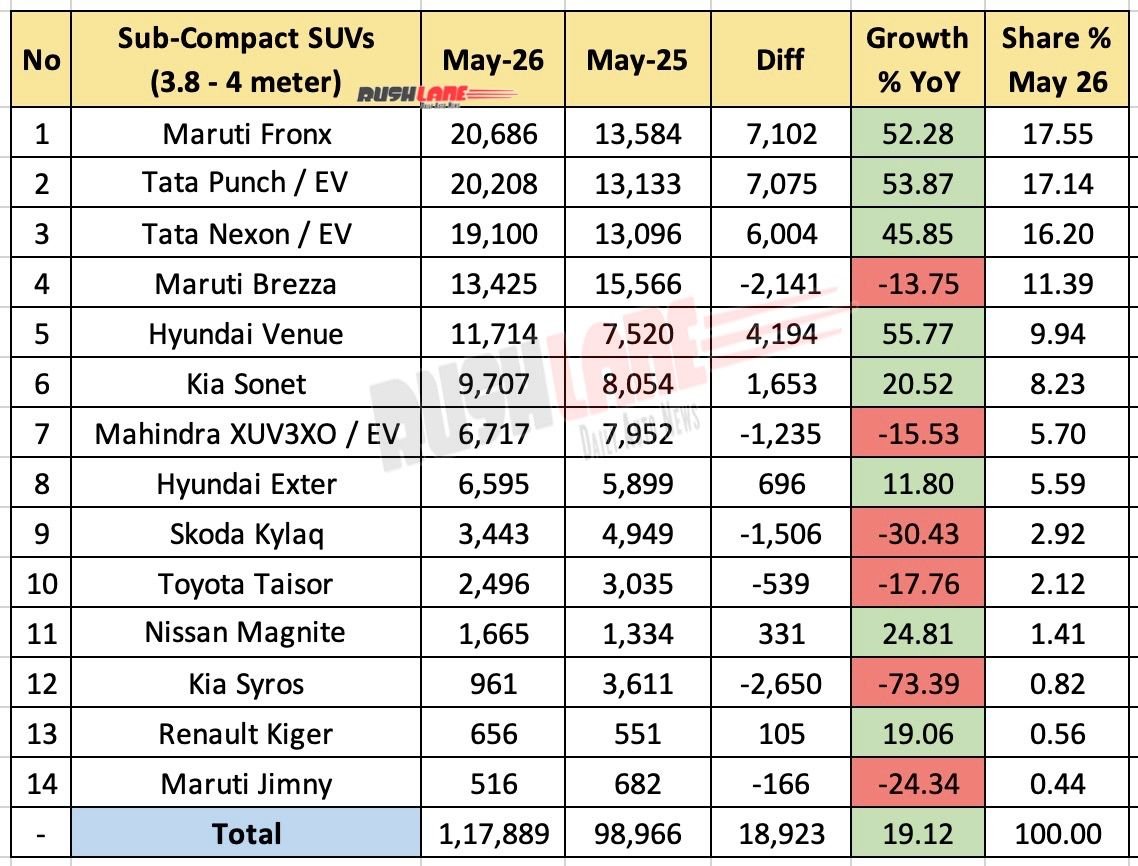
Kia is also believed to be evaluating it in the long term Strong-hybrid technology for Sonet. While such a variant is unlikely to be available at launch, it may join the lineup later in the product lifecycle as the company expands its electrified portfolio in India. Once launched, the new generation Sonet will continue to compete in the highly competitive sub-4-metre SUV segment, taking on rivals like the Tata Nexon, Maruti Brezza, Mahindra XUV3XO, Hyundai Venue, etc.