
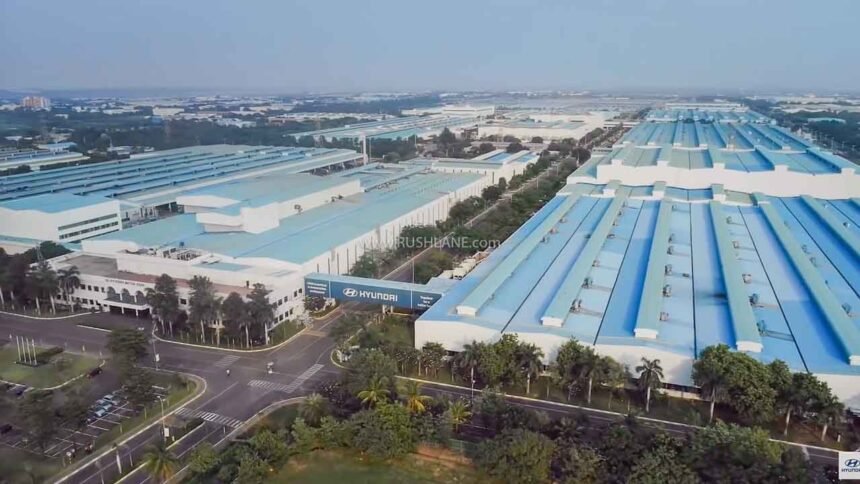
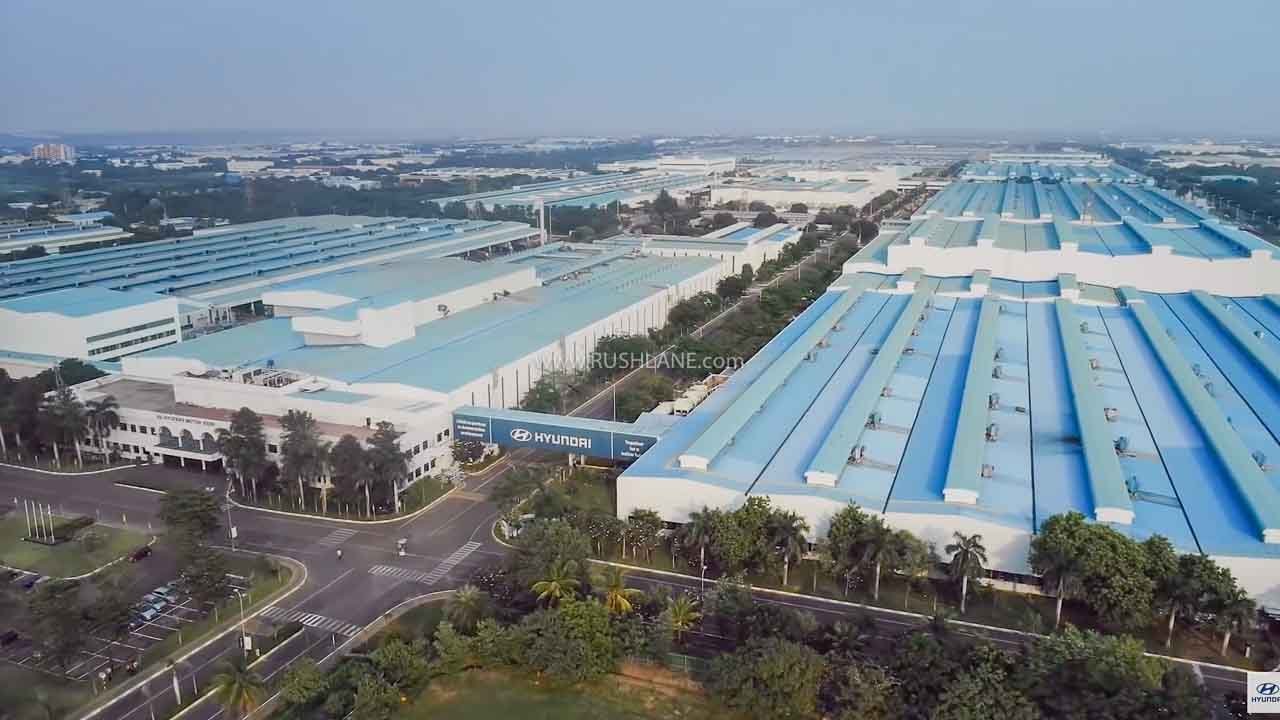
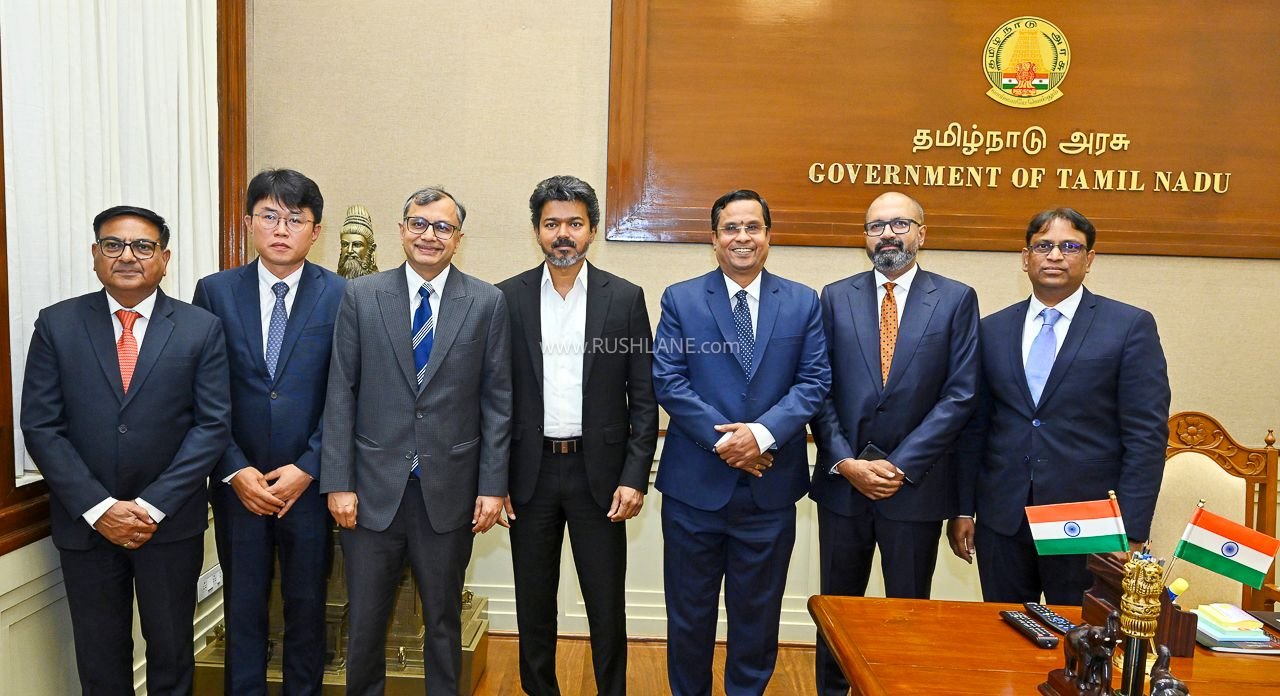
Hyundai Motor India Limited (HMIL) has reiterated its commitment to Tamil Nadu and announced plans to make the state its key EV hub for India. The company also unveiled a major skill development initiative in partnership with the Government of Tamil Nadu, which aims to prepare the state’s workforce for future mobility technologies. The announcement comes as Hyundai is accelerating its electric vehicle strategy in India while also increasing localization and manufacturing investment in the state.
New mass market Hyundai EV to be launched this year
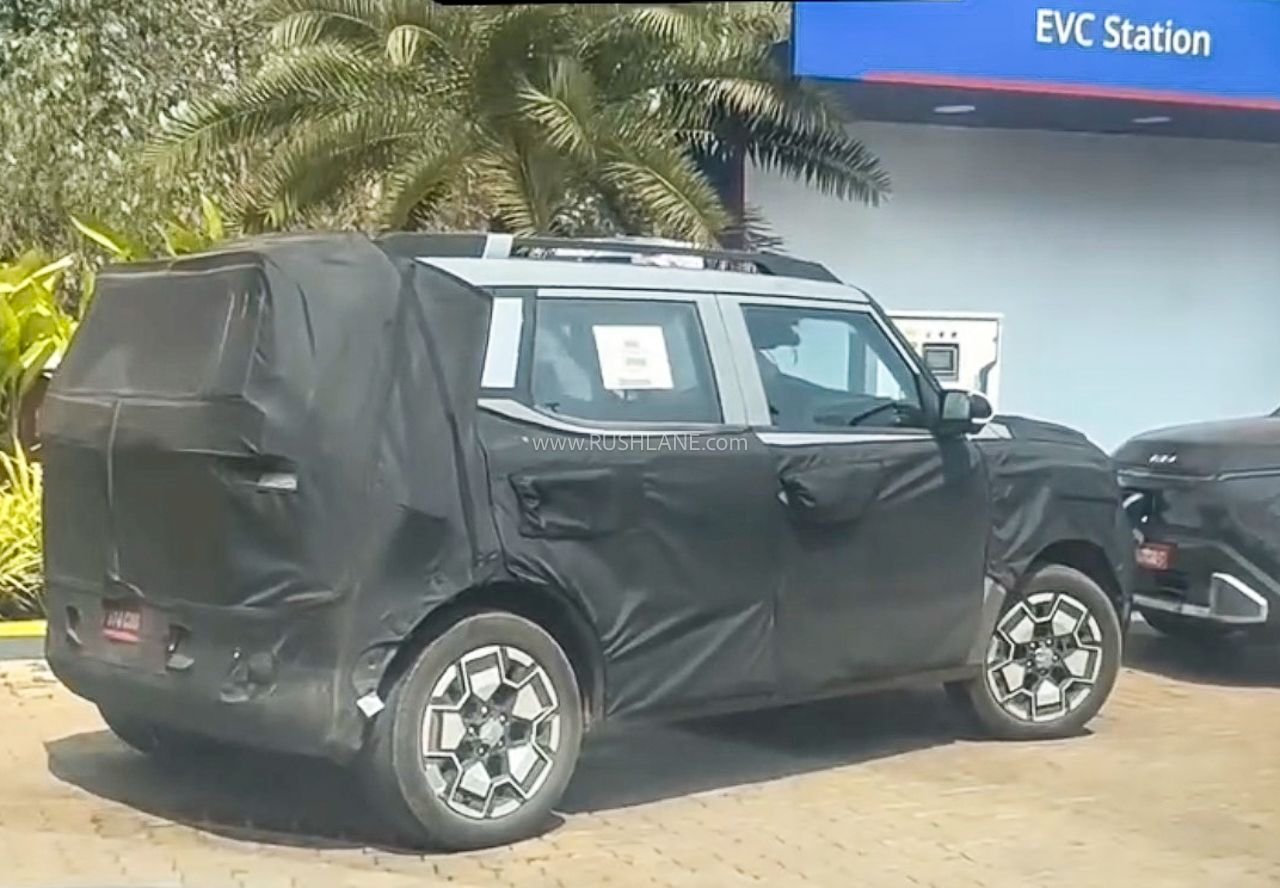
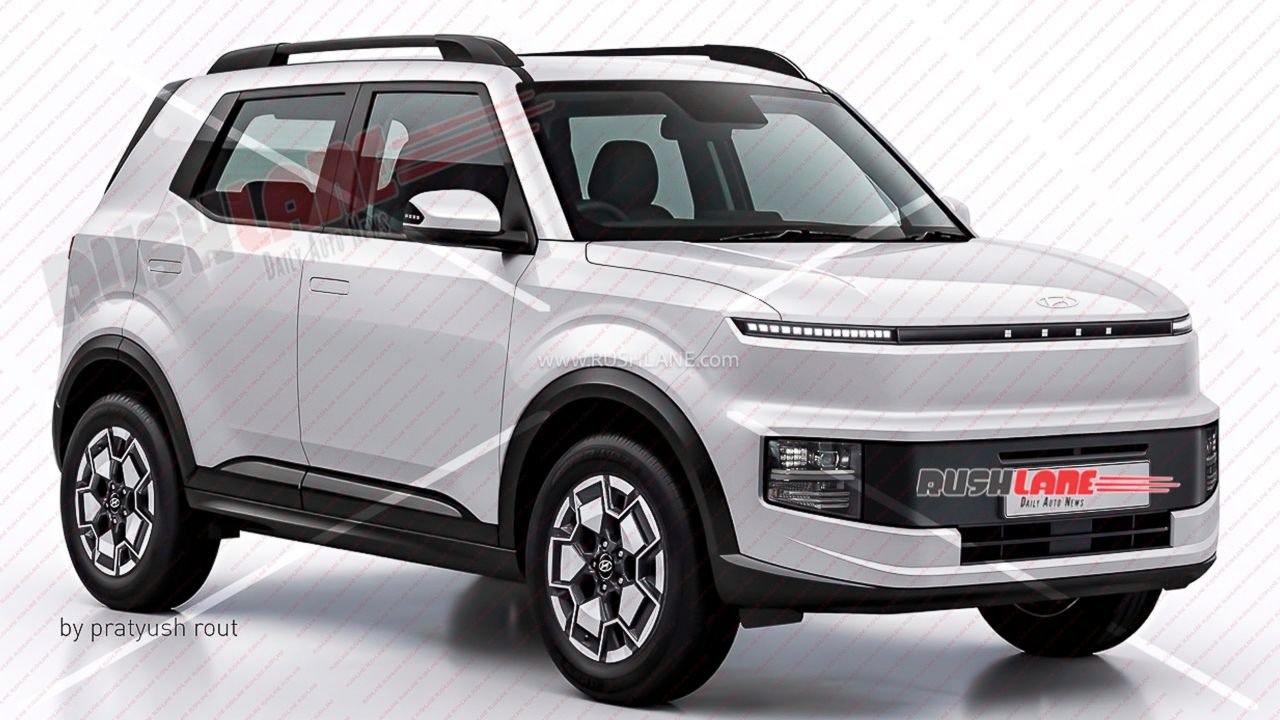
Speaking at the event, HMIL MD and CEO Tarun Garg It was confirmed that Hyundai will introduce two new models from its Chennai manufacturing facility this year. One of these will be Hyundai’s first dedicated mass-market electric vehicle for India, a product that has already been spotted testing on Indian roads several times.
Internally codenamed HE1i, the upcoming electric SUV will be positioned in the sub-4 meter segment and is expected to take on rivals like the Tata Nexon EV, Mahindra XUV 3XO EV and other affordable electric SUVs. The vehicle is expected to feature a high level of localization, including locally sourced battery packs from Exide Energy Solutions, which will help Hyundai achieve competitive pricing in the segment.
The new EV is expected to be based on Hyundai-Kia’s e-GMP(K) architecture, which is also based on the Inster EV sold in international markets. Standard and long-range battery pack options are likely to be offered, with capacities expected to be similar to the Inster EV’s 42 kWh and 49 kWh battery packs. Depending on the final specification, range figures could exceed 300 km on a single charge.
Hyundai will manufacture this electric SUV at its Sriperumbudur facility in Tamil Nadu. Apart from serving the domestic market, India will also serve as the global production hub for this model, supporting exports to several international markets. Hyundai has already set up Tamil Nadu’s first battery sub-assembly plant for EV powertrains and is actively localizing key EV components including power electronics.
Hyundai believes that these efforts will help strengthen Tamil Nadu’s position India’s major EV manufacturing hubs. The company has also developed a DC fast-charging network across the state, which currently includes 39 charging stations and 78 charging points. Hyundai plans to further expand this network over the next two to three years as it expands its EV portfolio in India.
Localization to reach 90%
Hyundai has outlined ambitious localization plans for both EV and ICE vehicles. The company aims to increase the localization level from the current 82% to 90% in the next five to six years. Additionally, Hyundai plans to increase sourcing from Tamil Nadu-based suppliers to around Rs 4,000 crore during the same period. The move is expected to create approximately 2,000 additional jobs while strengthening the local automotive supply chain and reducing import dependence.
Investment commitment of Rs 26,000 crore
HMIL reiterated its commitment to invest over Rs 26,000 crore in Tamil Nadu between 2023 and 2032. This is part of the company’s previously announced comprehensive investment plan of Rs 45,000 crore. This investment will support manufacturing expansion, localization initiatives, EV development, innovation, sustainability programs and job creation. Hyundai also highlighted that vehicles manufactured in Tamil Nadu are serving global markets, with over 3.9 million Hyundai vehicles exported from the state to over 150 countries so far.
Skill Development Partnership with Tamil Nadu
Along with its EV plans, Hyundai also announced a strategic skill development collaboration with the Government of Tamil Nadu. The initiative is expected to commence operations in December 2027 and will focus on enhancing the employability of the youth of Tamil Nadu for both domestic and international opportunities.
The training programs will cover next-generation automotive technologies including electric vehicles, hydrogen mobility, robotics, automation, artificial intelligence-enabled manufacturing and smart factory systems. The Government of Tamil Nadu will support this initiative through partnerships with ITIs, polytechnics, engineering colleges and other skill development institutes across the state. The program will also include workplace communication and language training to improve employment opportunities globally.