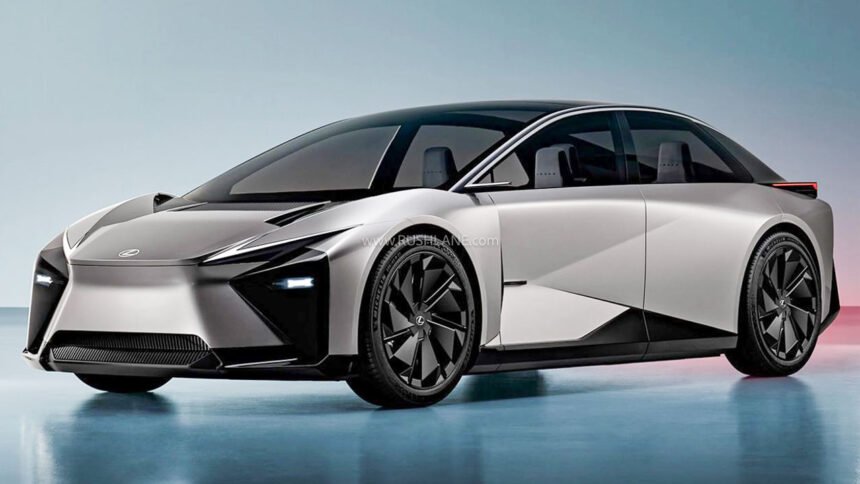
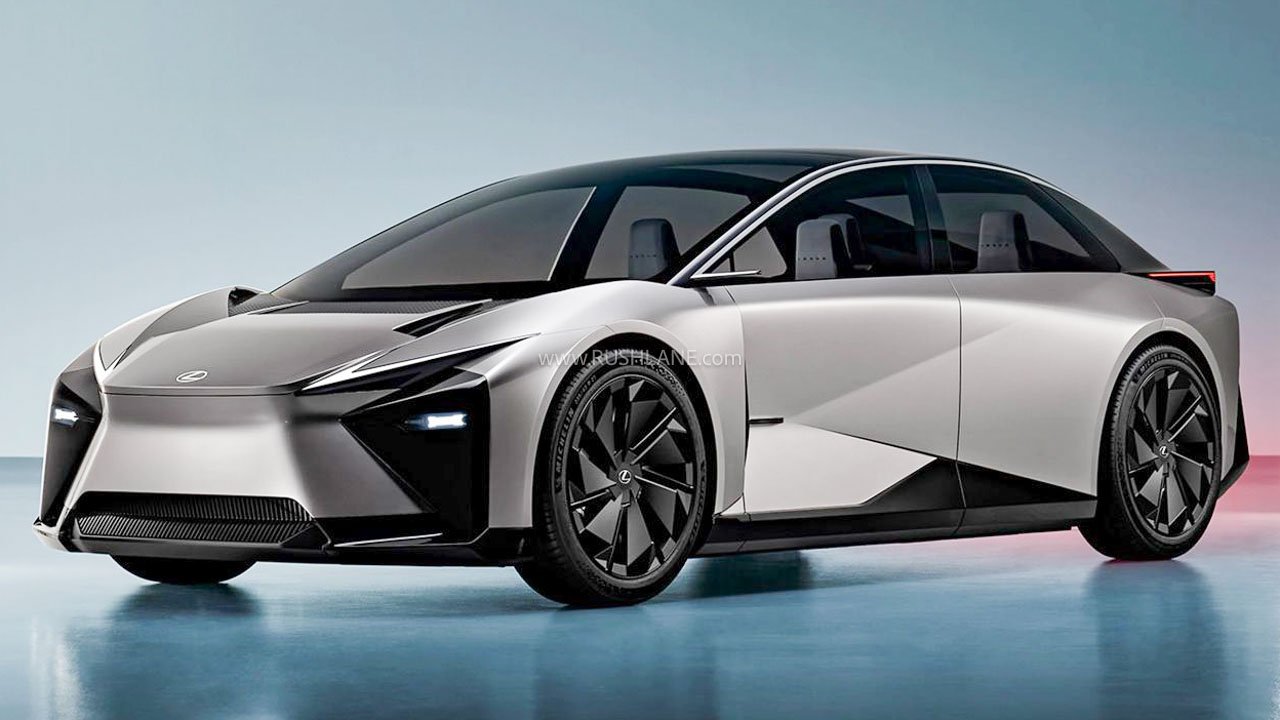
Toyota has reportedly halted development of the Lexus LF-ZC, a next-generation electric sedan that was expected to showcase some of the group’s most advanced EV technologies. According to a report from Nikkei Asia, the project has been postponed as Toyota reevaluates its EV strategy Decrease in demand for electric vehicles in several major global markets.
The move comes at a time when many automakers are revising their EV roadmaps. Recent developments include Honda scaling back some EV projects and Nissan reportedly delaying production plans for some electric vehicles in North America. Changing market conditions, rising consumer demand and policy changes in key markets such as the United States are leading manufacturers to take a more cautious approach towards future EV investments.
Lexus LF-ZC – from concept to cancellation?
Lexus first unveiled the LF-ZC concept as a preview of its next-generation electric sedan in October 2023. The model was initially Expected to enter production in 2026 The deadline for its launch was later extended to mid-2027. Production was planned at Toyota’s Tahara plant in Aichi Prefecture, Japan.
However, the latest reports suggest that development of the vehicle has now been completely halted, leaving uncertainty over the future of the project. The LF-ZC wasn’t just another electric vehicle in Lexus’ portfolio. it was Intends to serve as a technology majorIntroducing Toyota’s next-generation EV architecture, advanced software systems and new manufacturing processes.
Why is Toyota rethinking?
Toyota has traditionally taken a multi-track approach toward carbon neutrality, investing in hybrids, plug-in hybrids, hydrogen fuel-cell vehicles and battery electric vehicles rather than focusing exclusively on EVs. While many global automakers have aggressively expanded their EV programs over the past few years, Toyota remained relatively conservative. The company has consistently argued that different markets require different solutions and hybrids will continue to play an important role in reducing emissions.
The recent slowdown in EV demand in North America and parts of Europe has reinforced that strategy. With consumer demand growing slower than before, many manufacturers are reevaluating large-scale EV investments and adjusting production plans. Interestingly, today itself Toyota launched its first electric car in the Indian market.
Advanced technologies may still survive
Even if the LF-ZC never reaches production, many of the technologies developed for the project are expected to remain relevant to future Toyota and Lexus electric vehicles. The LF-ZC was designed around Toyota’s next-generation EV platform and was expected to feature advanced software architecture, gigacasting manufacturing technology and future battery technologies. It was one of the most aerodynamically efficient concepts ever unveiled by Lexus, targeting a drag coefficient of approximately 0.20 cd.
Toyota previously hinted that the LF-ZC could come close to 1,000 km driving range Through a combination of advanced battery technology, improved efficiency and aerodynamic optimisation. The sedan was also expected to feature a highly digital cabin experience, sustainable materials, and introduce a new design language for future Lexus EVs.
what happens next?
While reports suggest that the LF-ZC program has been halted, This does not necessarily indicate The return to electric vehicles by Toyota and Lexus. The company continues to invest heavily in next-generation battery technologies, including solid-state batteries, as well as new manufacturing processes aimed at improving EV efficiency and reducing costs.
For now, Toyota’s strategy seems to be moving toward a more balanced mix of hybrids, plug-in hybrids and electric vehicles, while keeping future EV investments in line with actual market demand rather than aggressive volume targets. Even if the LF-ZC doesn’t go into production, it may still be remembered as The project that helped shape the next generation of Toyota and Lexus Electric Vehicle Technology.