
By providing more choices to buyers, Hyundai will be better positioned to meet the needs and budgets of different customers
Hyundai Motor India Limited (HMIL) has approved its audited financial results for Q4 and full year FY2025-26, highlighting major milestones for the company in India as well as strong domestic and export momentum. FY26 also marked Hyundai’s 30th year in IndiaWhich reflects the strong market presence and customer trust the brand has built over three decades. The company further strengthened its manufacturing footprint by commencing operations at its Pune plant during FY26, which is expected to play a major role in supporting future growth plans.
Hyundai recorded its highest-ever quarterly domestic sales in Q4FY26, with wholesales growing 8.7% YoY. Rural penetration reached a record 25% in Q4FY26, indicating deeper penetration into non-urban markets. Hyundai also saw this Highest ever quarterly CNG contribution At 18%, helped by growing customer preference for CNG vehicles and the company’s entry into the commercial mobility segment.
On the export front, Hyundai recorded an annual growth of 9.4% in Q4FY26 despite geopolitical challenges, while full year exports grew by 16.4%, strengthening India’s role. Major export hub for emerging markets. The board of directors of the company has also recommended a dividend of Rs 21 per share at 210% of the face value, subject to shareholder approval.

Two new SUVs will be launched in this financial year
Hyundai Motor India has confirmed plans to launch two all-new SUV nameplates this financial year, expanding its presence in India’s fast-growing SUV segment. One of these upcoming launches will strengthen Hyundai’s position in the mid-size SUV segment, while the other will mark the debut of a localized compact electric SUV. This announcement closely matches the recent spy shots and reports regarding Hyundai’s future product pipeline for India.
Will the next generation Creta be sold alongside the current Creta with the new name?
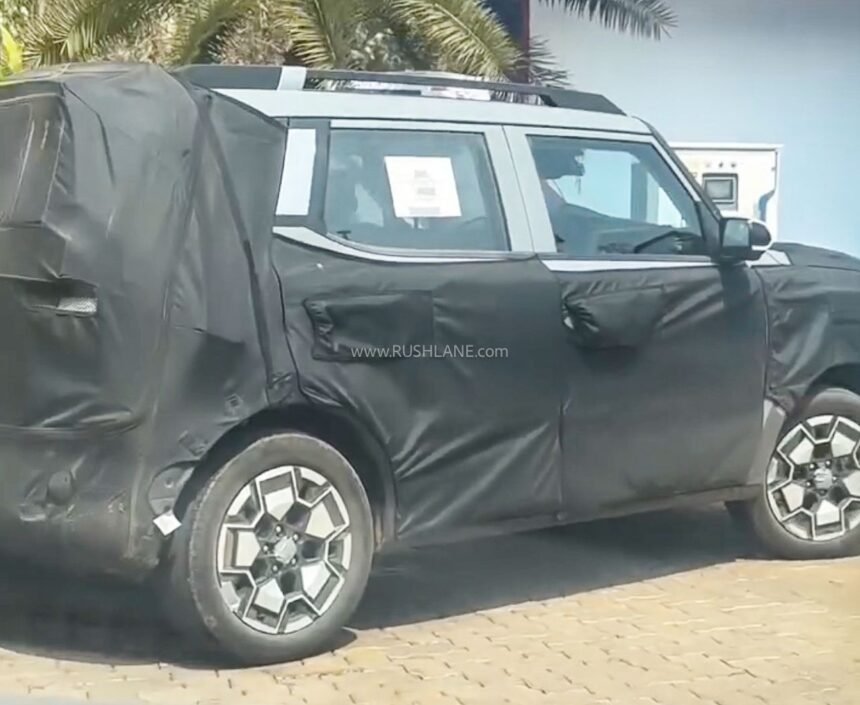
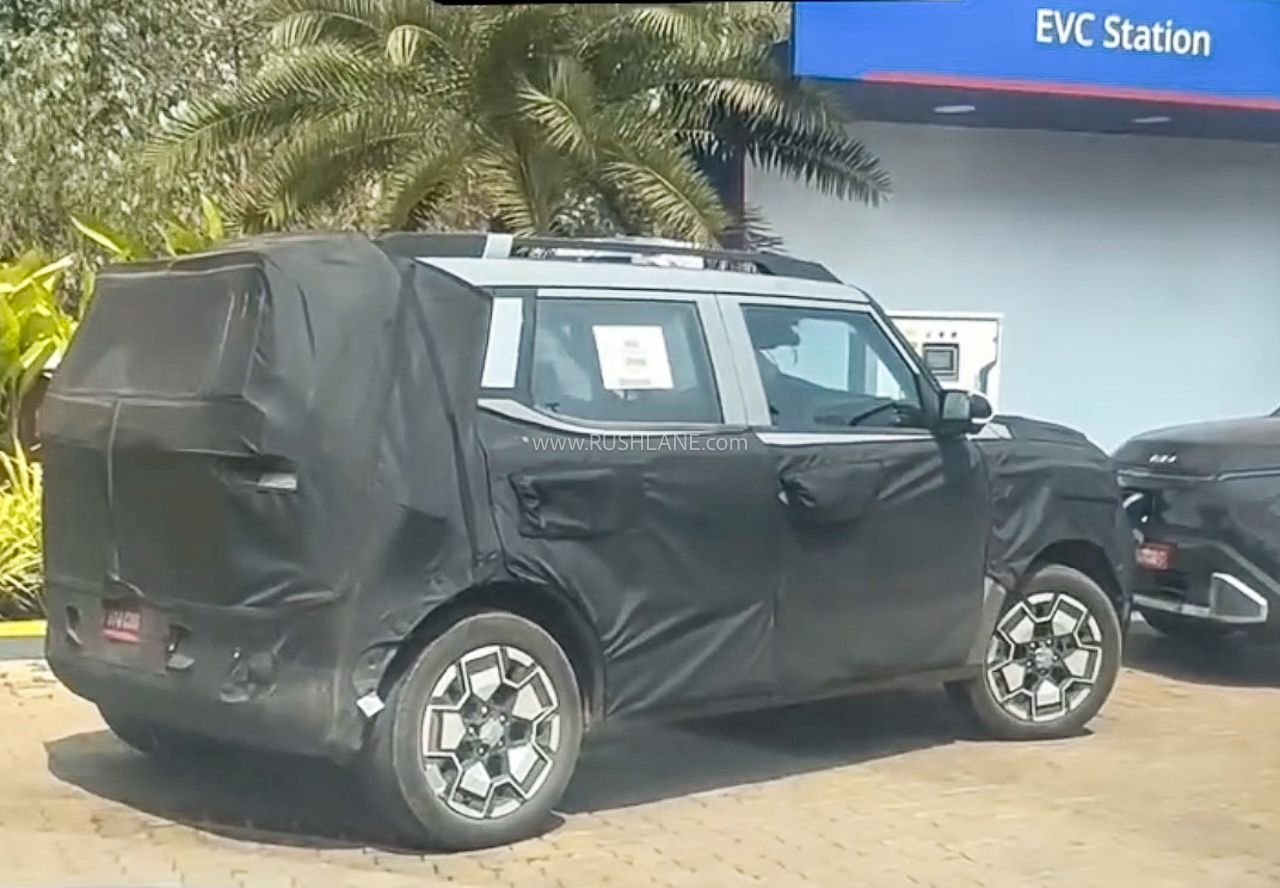
We have already reported about two new Hyundai SUVs that are currently undergoing road testing. One of these is a compact electric SUV positioned in the sub-4 meter segment, while the other is believed to be the next generation Creta. However, Hyundai’s latest statement (and regular spotting of test mules) strongly suggests that this next-generation Creta may not actually carry the Creta name. Instead, it could be introduced as an entirely new and more premium SUV positioned above the existing Creta.
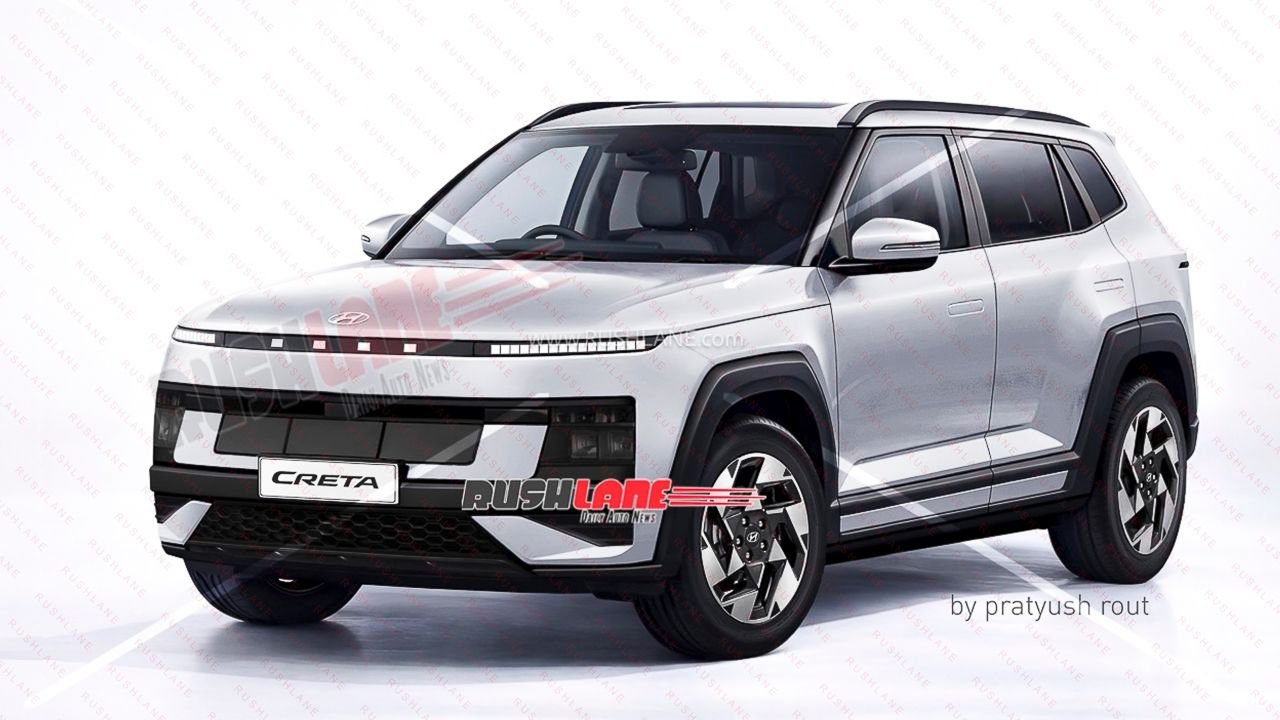
Such a strategy makes strong business sense for Hyundai. The current Creta continues to be the best-selling SUV in its segment despite increasing competition from the likes of Victor, Sierra, Seltos, the upcoming Duster and new rivals like the facelifted Taigun and Kushaq.
Since the Creta remains a huge volume generator for Hyundai, discontinuing or replacing it completely may not be the ideal move. Instead, Hyundai may continue selling the current generation Creta, while introducing the next generation model with a completely different nameplate and more premium positioning.
The upcoming premium SUV is expected to be based on Hyundai-Kia’s new-generation K3 platform, which will bring improvements in space, safety, technology and overall refinement. It is likely to be larger than the existing Creta and will offer a more advanced cabin experience with additional features and next-generation ADAS technology.
Engine options are expected to include the same petrol and diesel powertrains that are currently offered with the Creta, while a strong hybrid option is also likely to join the lineup for the first time. With this move, Hyundai is formulating a two-SUV strategy in the mid-size segment – while retaining the existing Creta for mainstream buyers, the new model is being positioned as a more premium and technologically advanced offering.
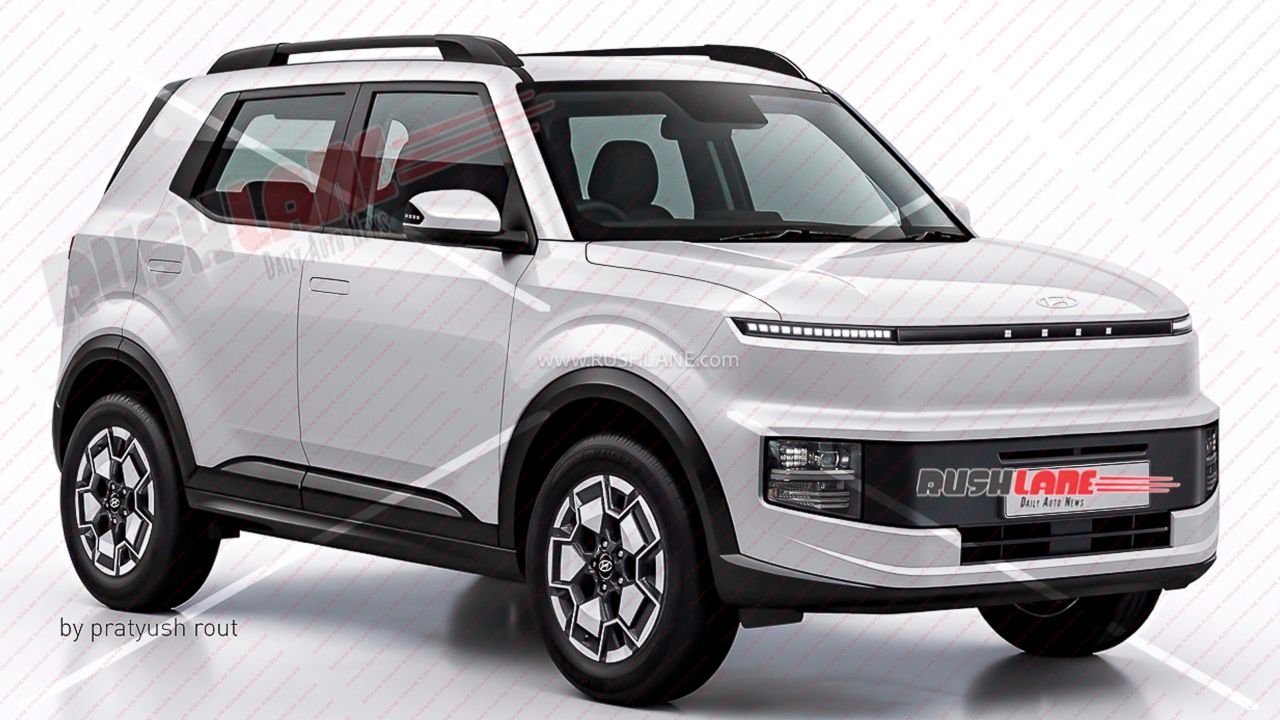
New Indian made EV will challenge Nexon EV
Hyundai will also introduce an all-new electric SUV in fiscal 2027. Already spied testing in India, it will have a high level of localization to achieve a competitive price point. Even the battery packs will be sourced locally from Exide. Internally codenamed ‘HE1i’, this electric SUV will be a direct rival to the Tata Nexon EV. It will be based on the e-GMP (K) platform, which is also used with the Inster EV sold overseas.
Hyundai will manufacture this new electric SUV at its Sriperumbudur plant in Tamil Nadu. Both standard and long range versions will be offered. A similar approach has been used for the Inster EV, which has battery pack options of 42 kWh and 49 kWh. Their ranges as per WLTP standards are 300 km and 355 km respectively. The numbers could be similar for the new electric SUV planned for India. It will also be exported globally, as India will be the manufacturing hub.