
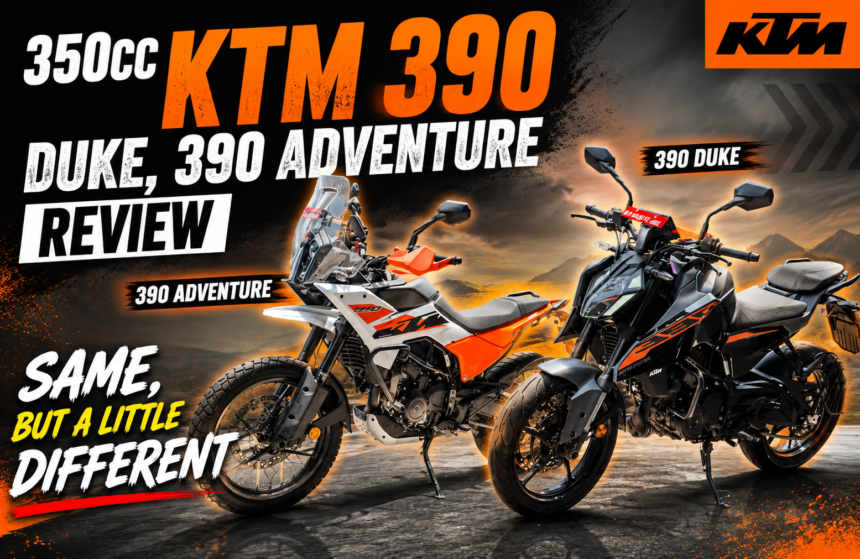
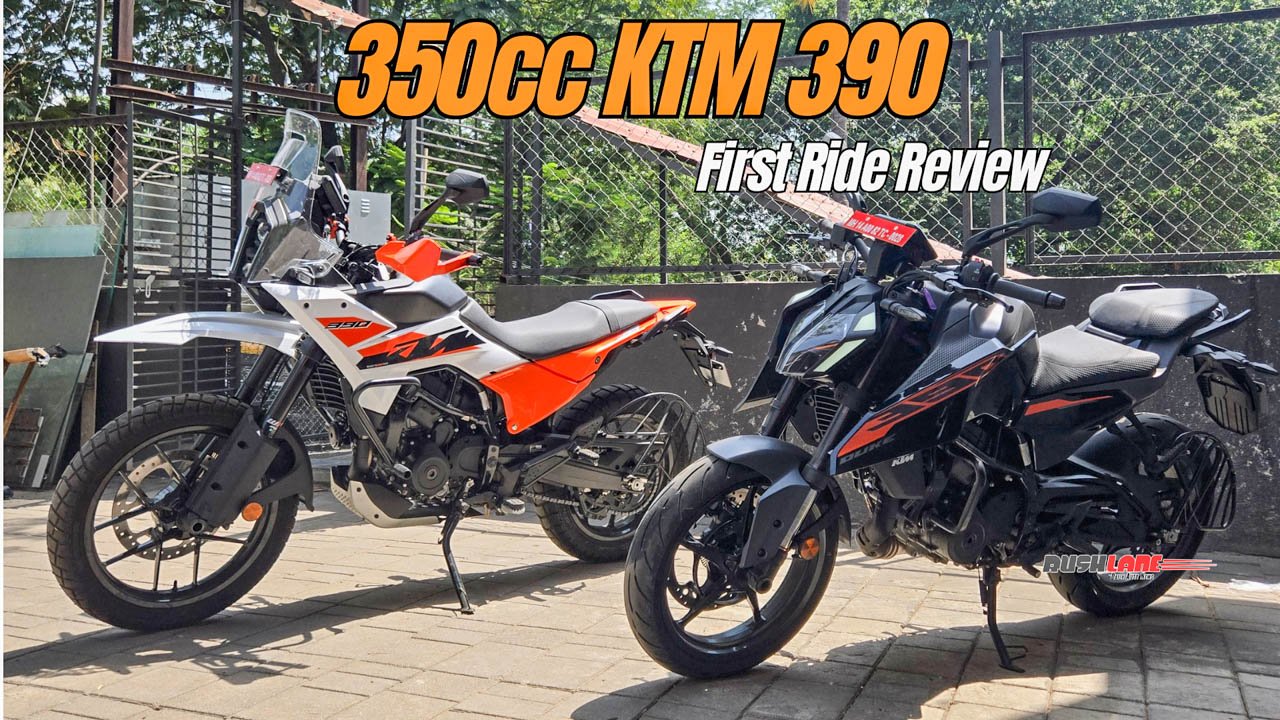
KTM India has expanded its lineup with new 350 cc versions of the Duke and Adventure, placing them between the entry-level 250 and the full-fat 399 cc models. On paper, it looks like a smart move – offering a more affordable option while still retaining most of the premium hardware and features that make the 390 range so popular.
The 350 cc 390 Duke is priced at Rs 2.77 lakh (ex-sh) and the 350 cc 390 Adventure is priced at Rs 2.81 lakh (ex-sh). But does downsizing the engine take away from the original KTM experience, or does it actually make these bikes more useful in the real world? We drove both the 350 Duke and 350 Adventure back to back with their 399 cc counterparts to find out if this new middle ground really makes sense.
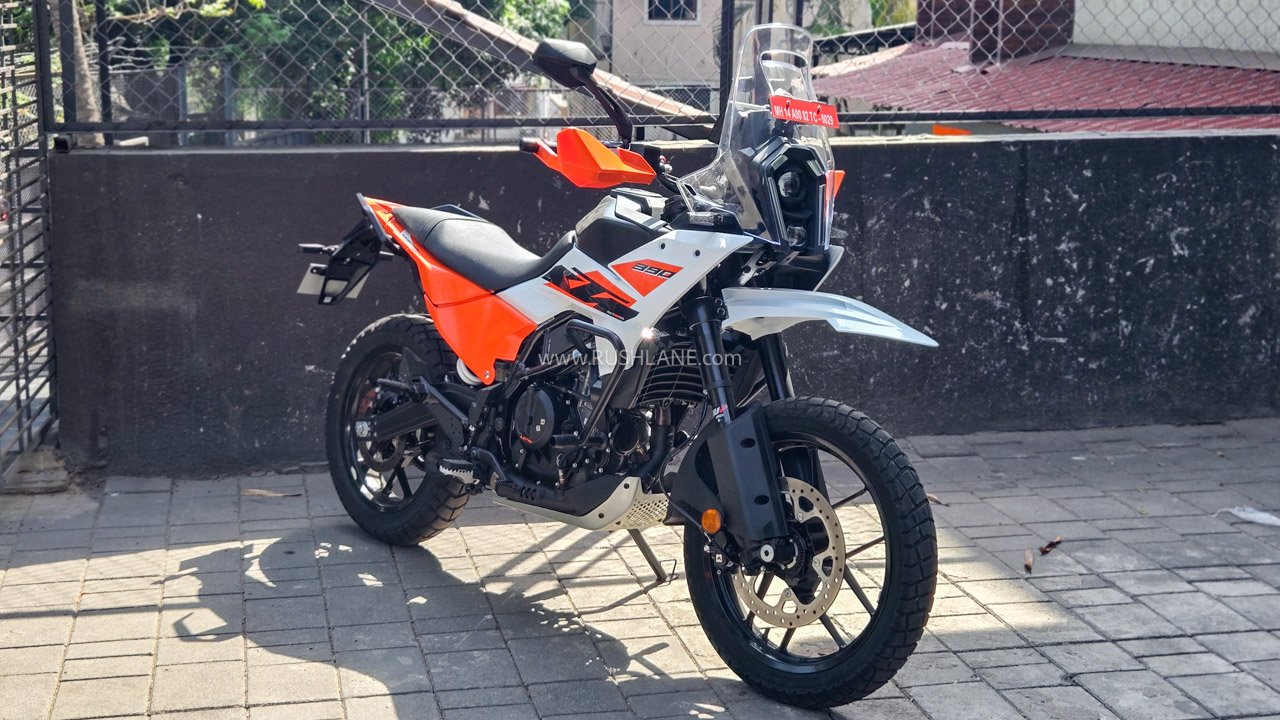
350cc KTM 390 Adventure
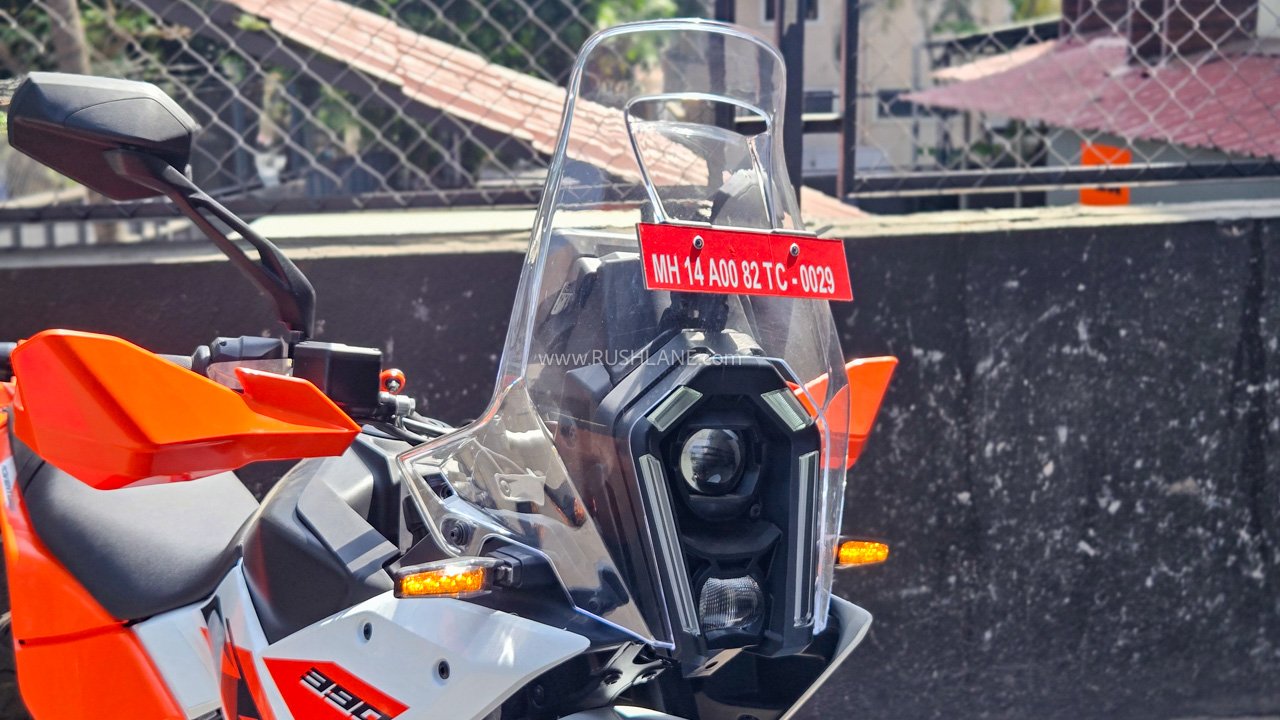
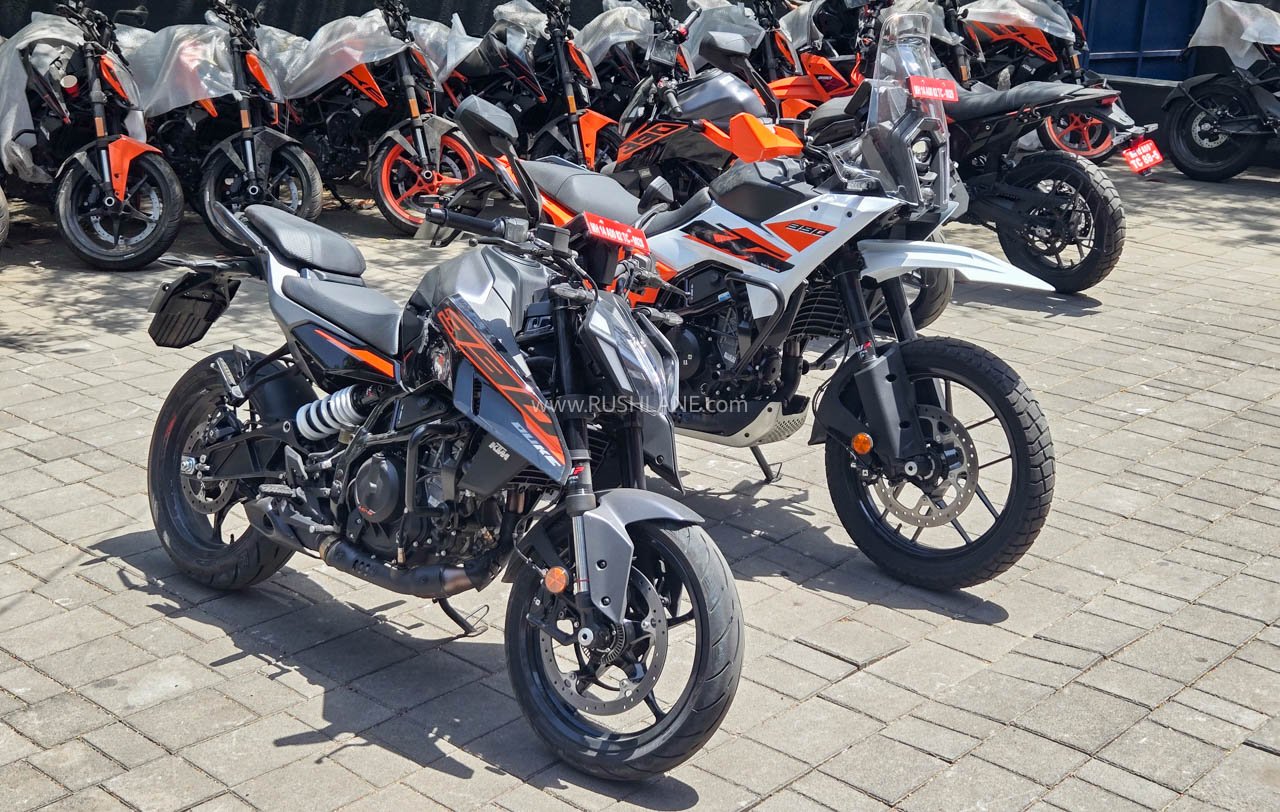
The first motorcycle we drove was the 350cc 390 Adventure and it retains the same design and aesthetics as the previous 399cc version. The 350cc model, which has no suffix in the name, is available in 399cc versions – 390 Adventure
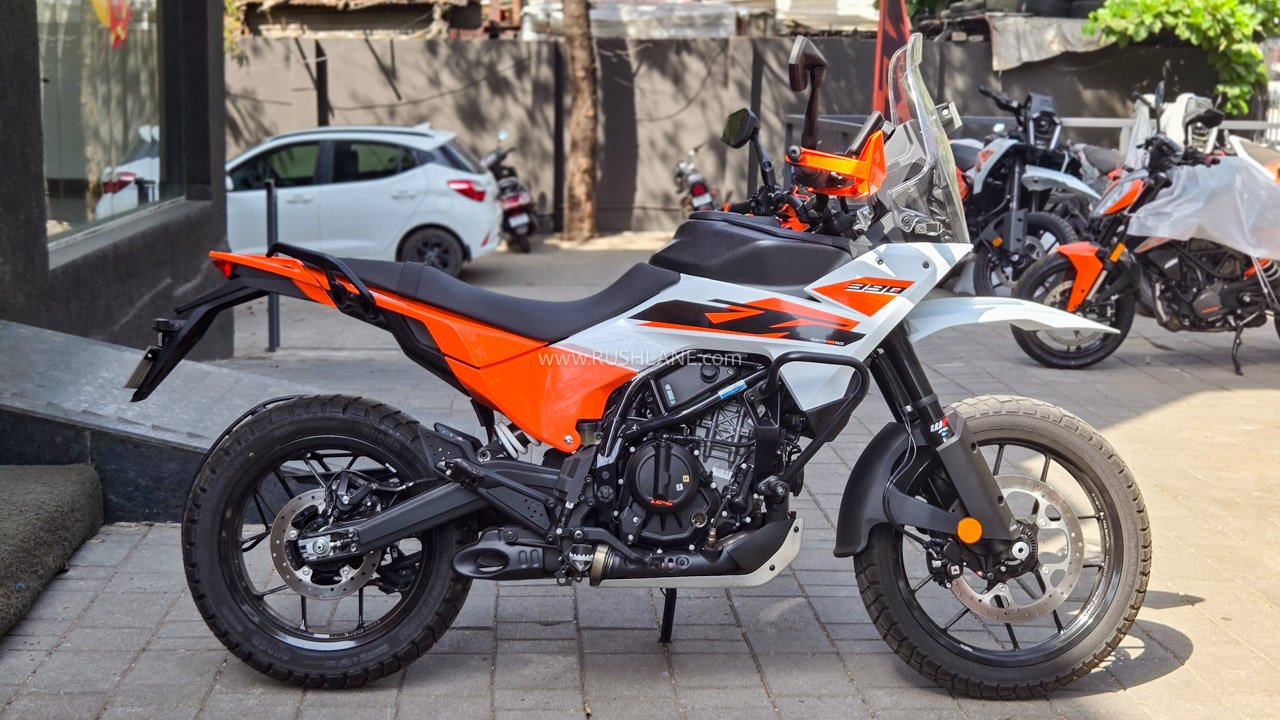
By opting for the new 350cc KTM 390 Adventure, one can save a minimum of Rs 62k over the 399cc versions, which makes it an attractive proposition, considering that the 350cc 390 Adventure gets a lot of features and equipment as standard. These include a 5-inch TFT instrument cluster, slipper clutch, bi-directional quick shifter, electronic throttle with cruise control, traction control, wonderfully clicky switchgear and more.
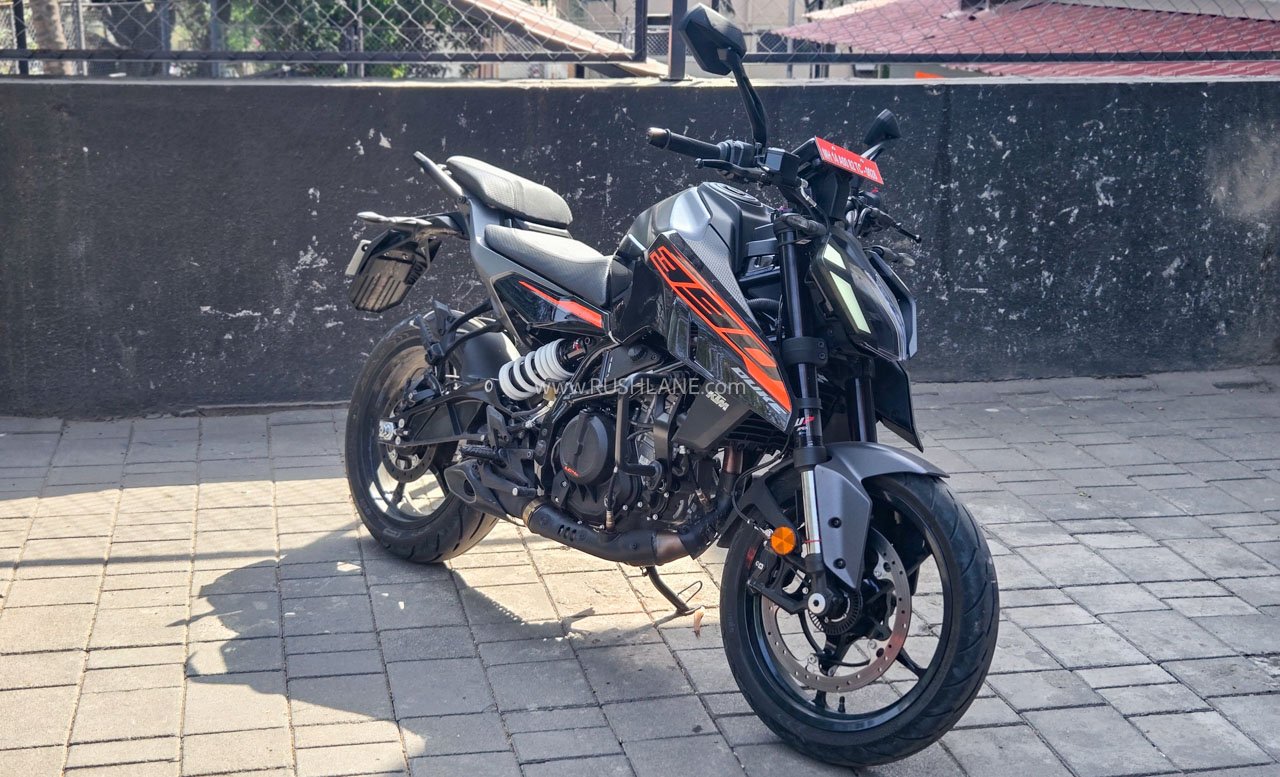
350cc ktm 390 duke
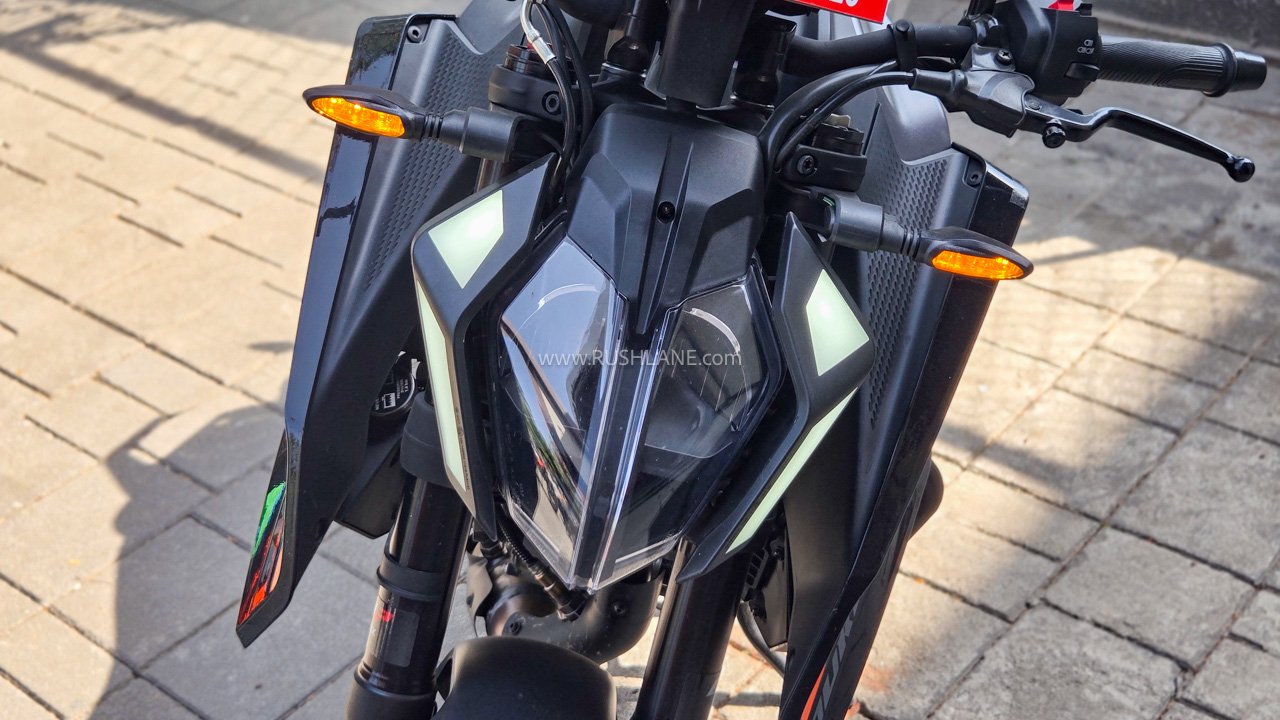
Like the 350cc 390 Adventure, the 350cc 390 Duke also retains the same attractive and aggressive design language as the 399cc version. As with the 350cc version, there is no suffix in its name, while the 399cc version is called 390 Duke R, priced at Rs 3.39 lakh (ex-sh). Similar to the 350cc 390 Adventure, choosing the 350cc 390 Duke will result in a saving of Rs 62,000 compared to the 399cc version.
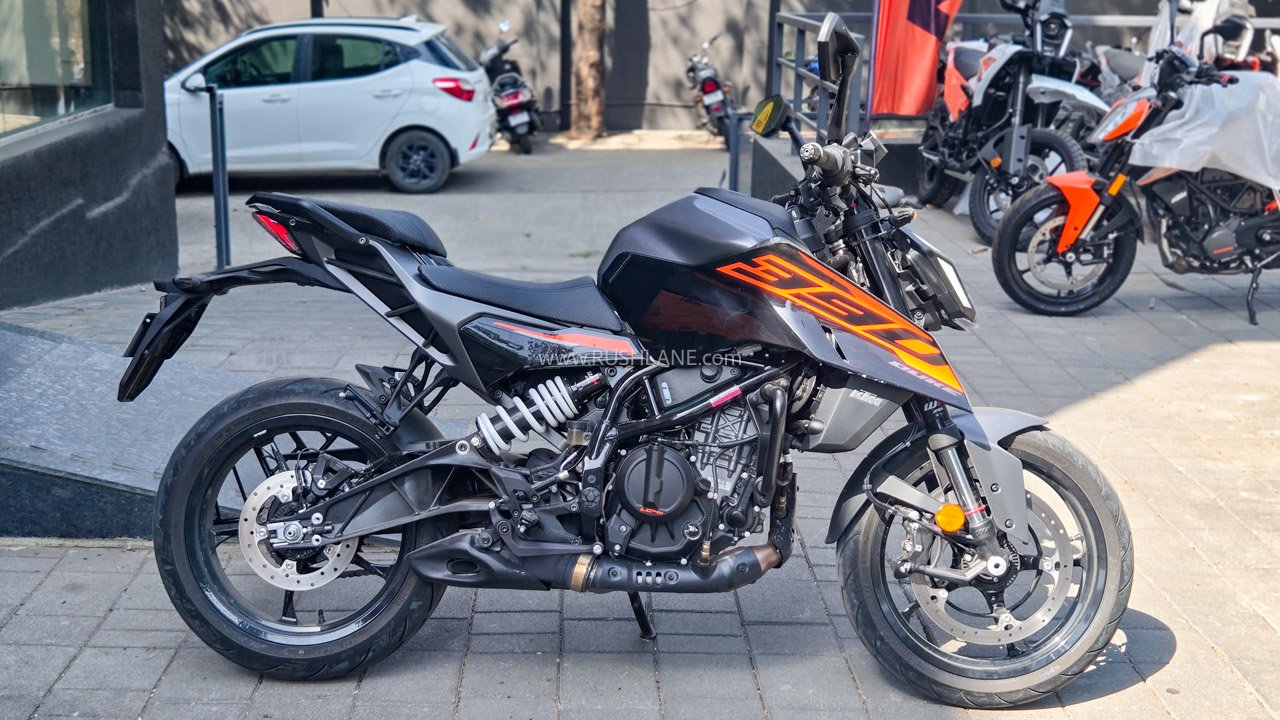
The 350cc 390 Duke also gets adjustable front and rear suspension, which is an advantage over the 350cc 390 Adventure. This enhances its value proposition, especially considering that it is already equipped with a 5-inch TFT display, slipper clutch, bi-directional quickshifter, ride-by-wire throttle with cruise control, traction control and tactile, well-built switchgear.
Smooth engine, weak mid-range
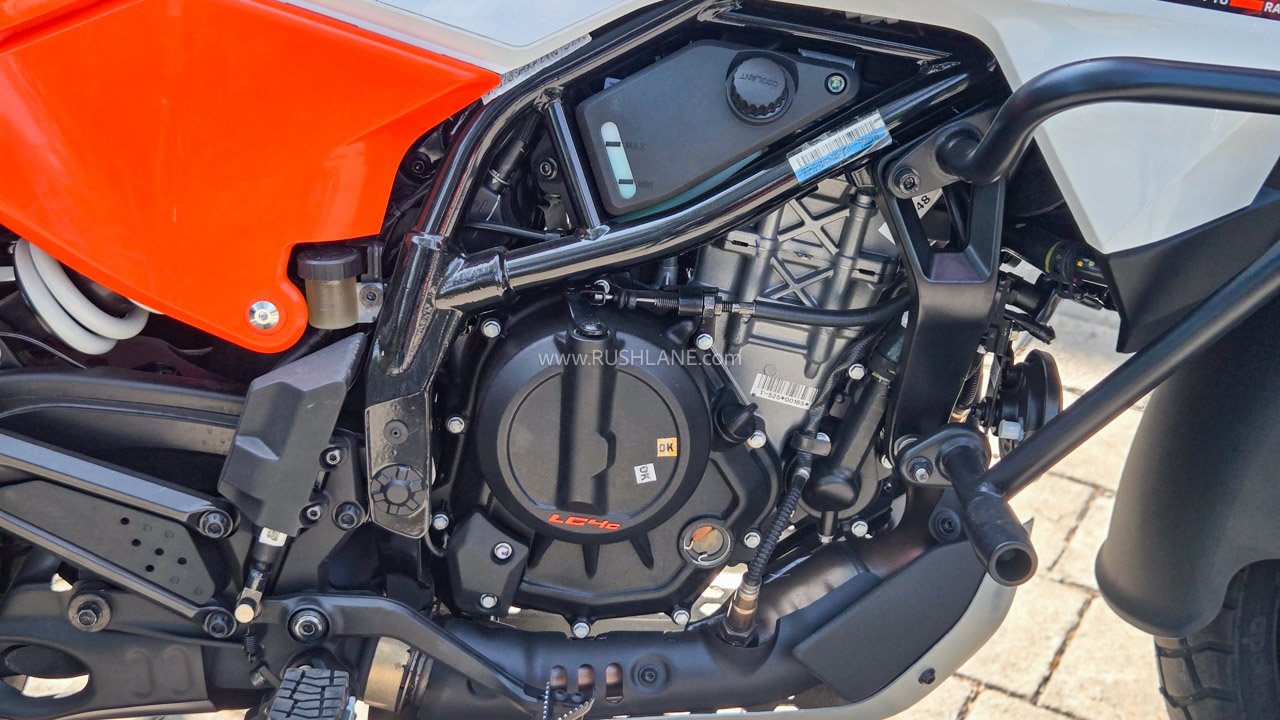
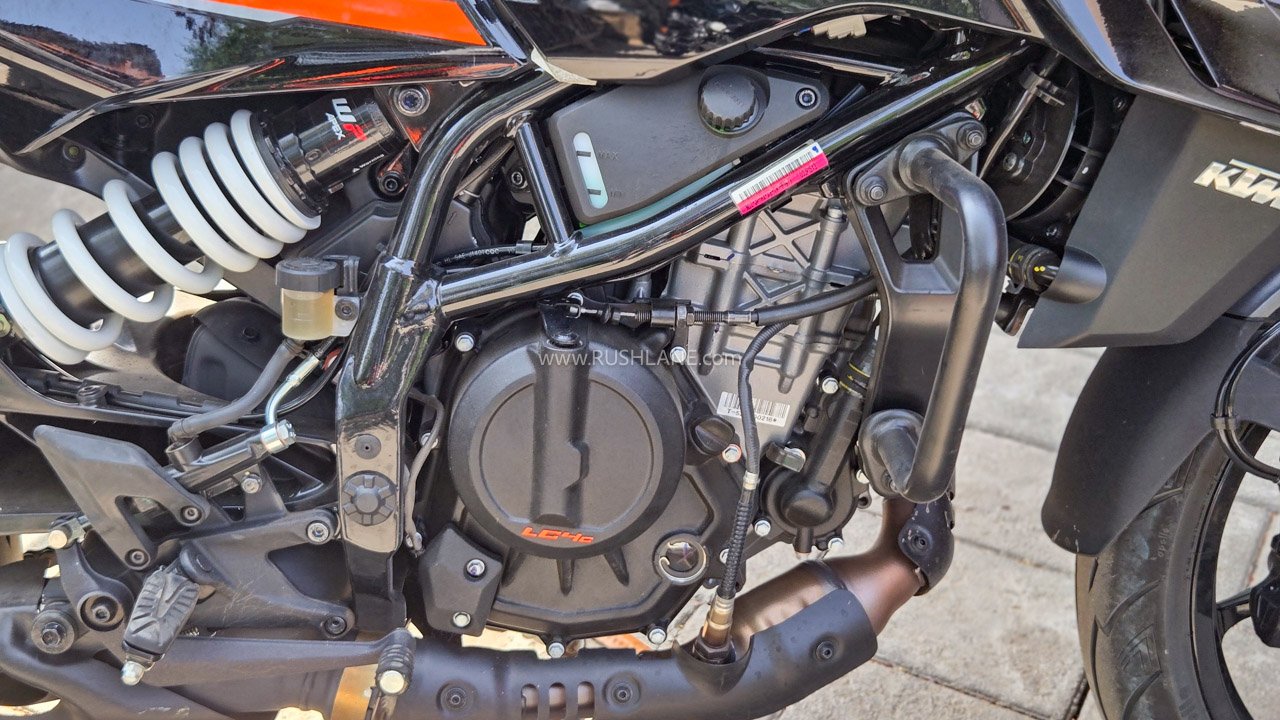
Since there is no difference in the ergonomics and rider triangle, design, features and equipment, we should go straight to the heart of the matter, which is its 350cc engine. To achieve lower displacement, KTM has reduced the stroke while keeping the bore the same. According to the company, this is the fastest way to reduce displacement, allowing them to fit into the 18% GST slab.
Maximum power has dropped from 46 PS at 8500 rpm to 41.5 PS at 8600 rpm and peak torque has dropped from 39 Nm at 6500 rpm to 33.5 Nm at 7000 rpm. Because the media ride was conducted at a dealership, we could experience both the 350cc and 390cc together and the vibrations are reduced with the 350cc version. This new version of the LC4c engine feels very smooth and vibe free throughout the revs.
The ride of the new 350cc KTM 390 Adventure and 350cc 390 Duke feels familiar and less frenetic than their 399cc counterparts. In the 390 Adventure, this engine seems a bit weak for some reason and you can feel the lack of mid-range more. But in the 390 Duke, the same engine feels more lively and more responsive to throttle inputs. This could be because the 390 Duke is lighter by about 13 kg.
When asked about this, KTM personnel recommended trying out the off-road mode on the 390 Adventure, but it was no different from the street mode we were already in. It should be noted that peak power and peak torque now also come at slightly higher revs, requiring the rider to work the throttle and clutch more than the 399 cc engine version. Fuel efficiency may be down a bit, but we couldn’t do mileage tests with these bikes in a very short period of time.
Should you buy one?
Apart from this new 350cc engine, there are no real differences between the new 350cc KTM 390 Duke and 390 Adventure. So, these updated bikes have the same glaring flaws that their 399cc counterparts have. The ergonomics on both the motorcycles are not suited for tall riders like me (6 feet). This is more pronounced on the 390 Duke, where I immediately felt cramped and found it difficult to sit on the motorcycle.
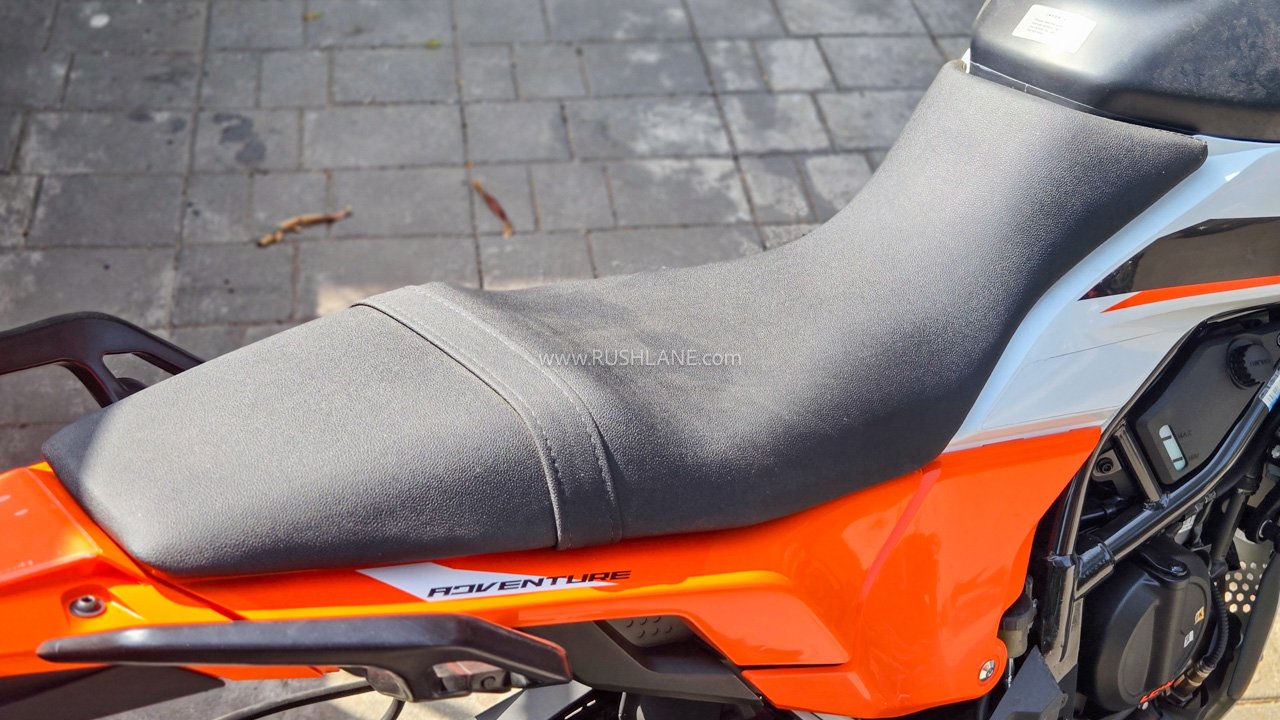
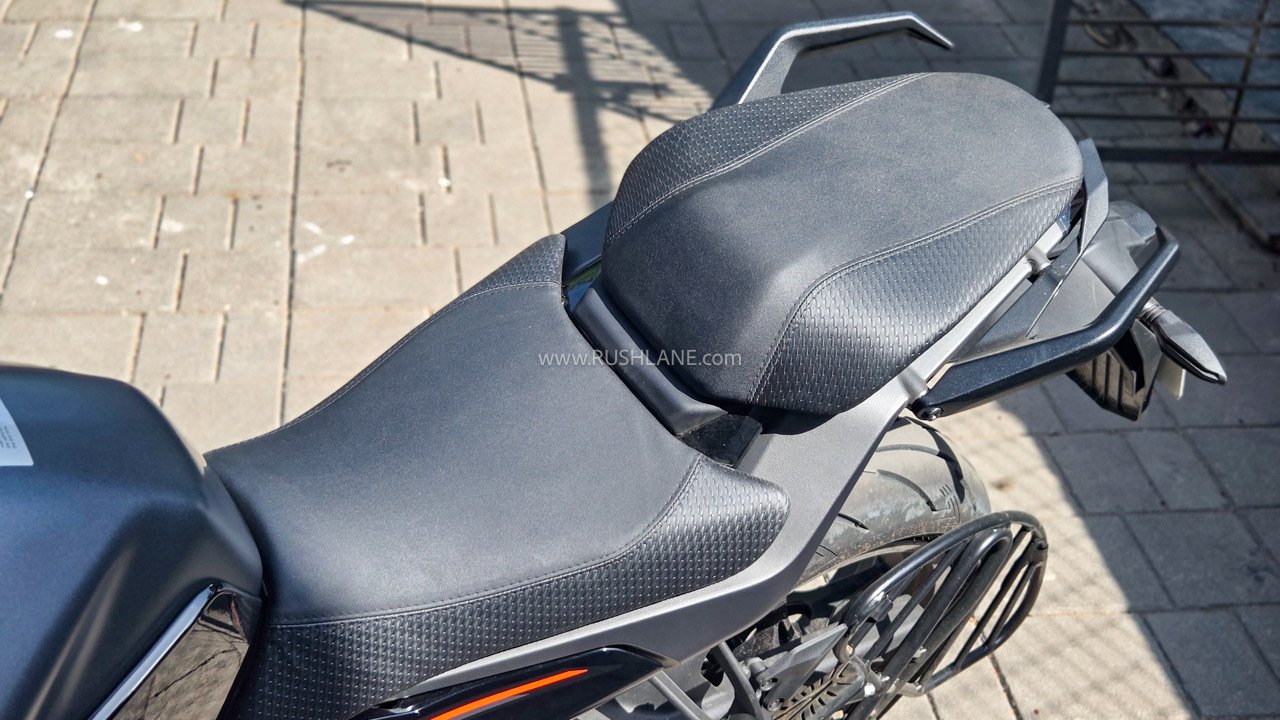
The gear shifter on both motorcycles is positioned higher than usual, requiring more effort to downshift. Speaking of shifts, the gearbox in our 390 Duke sample was having issues downshifting, something we did not find in our 390 Adventure sample, suggesting an isolated unit-specific problem. The seats of both the bikes are hard, which makes even short journeys uncomfortable. Additionally, the aggressively edgy and robotic design is likely to divide opinions.
However, there are far more things to like about the 350cc KTM 390 Duke and 350cc KTM 390 Adventure than there are things to dislike. The advantages far outweigh the disadvantages and the added benefit of being Rs 62,000 more affordable than their 399 cc counterparts is on top. If you are a KTM fan and not looking for absolutely insane performance, the 350 cc versions of the 390 Duke and 390 Adventure will suffice. If you are, KTM is still selling 399cc versions of the 390 Duke and 390 Adventure.