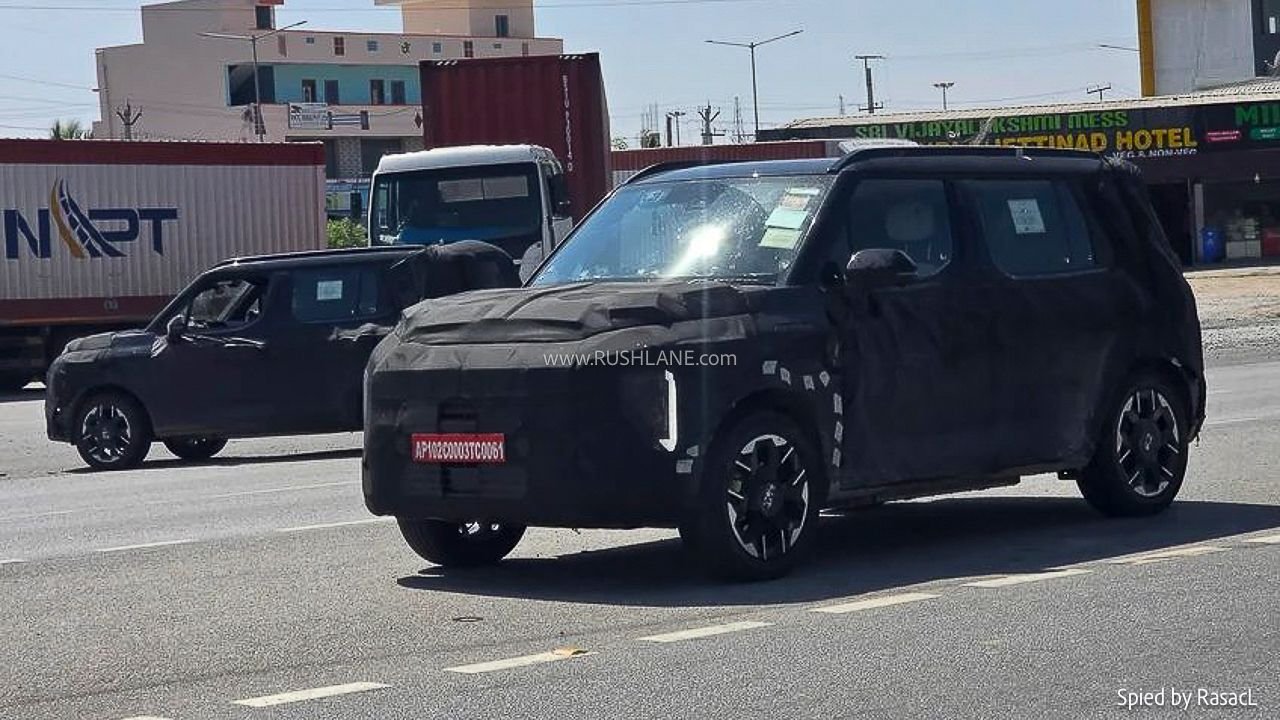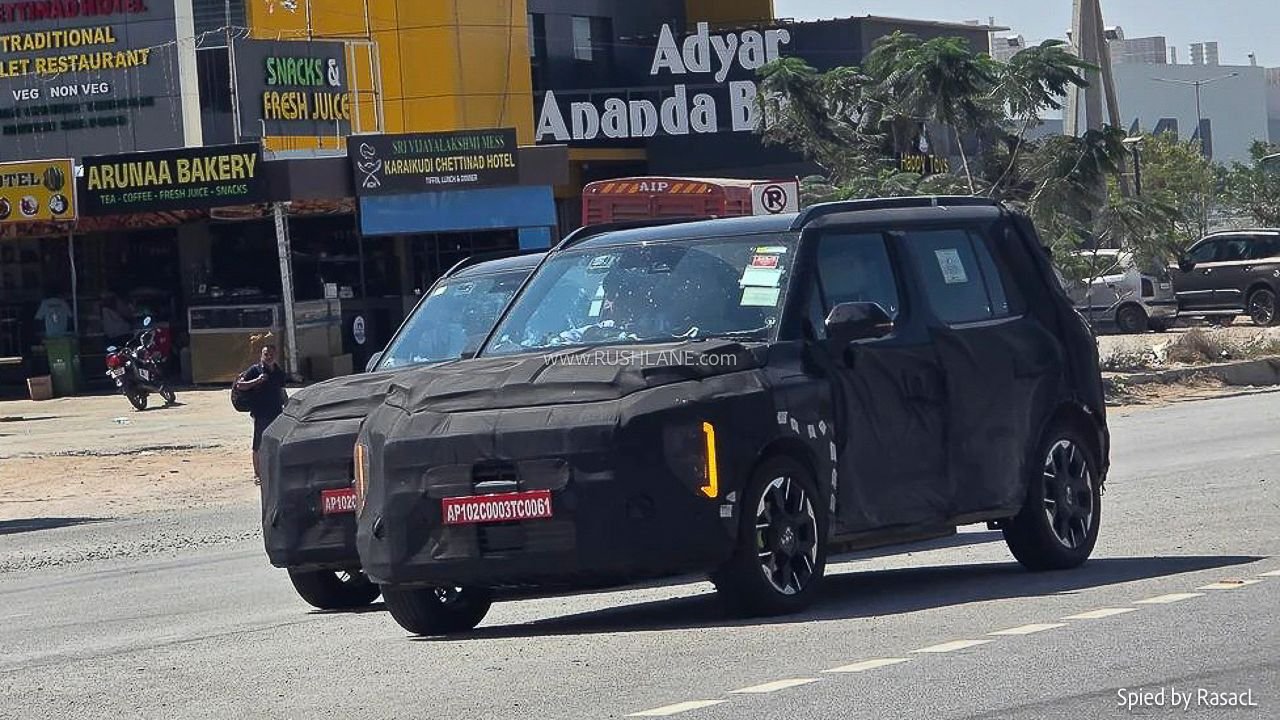
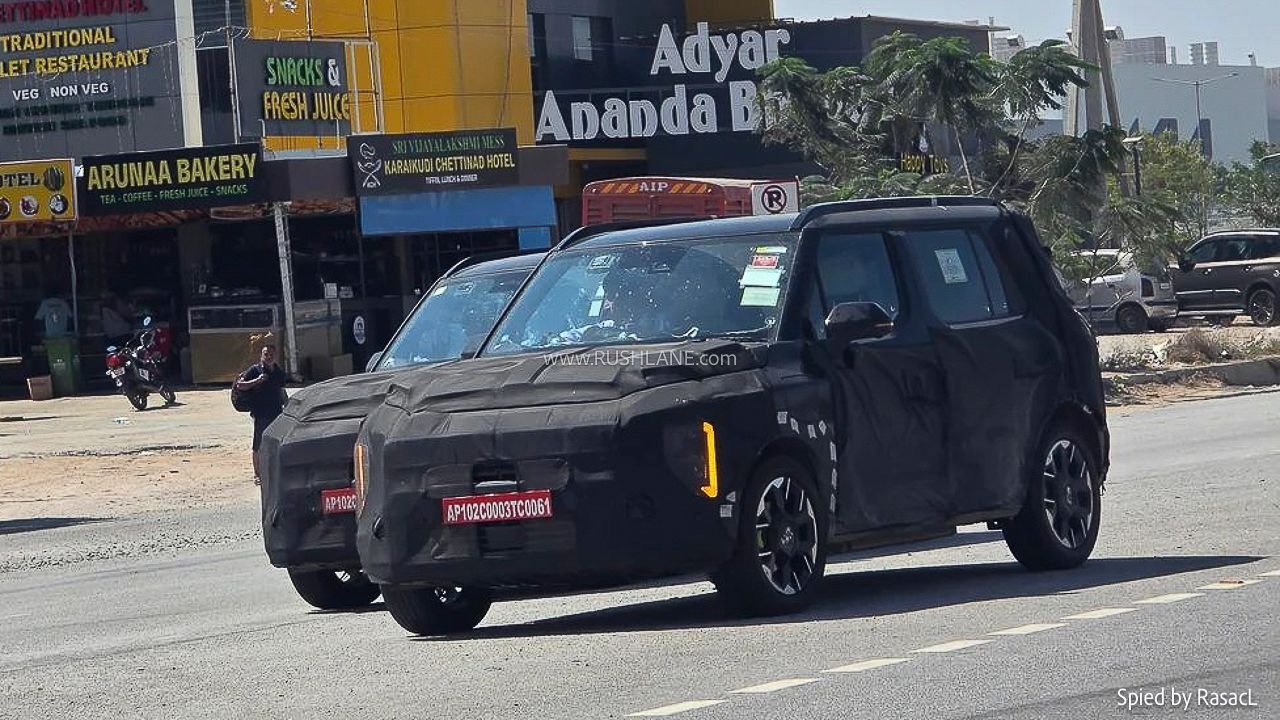
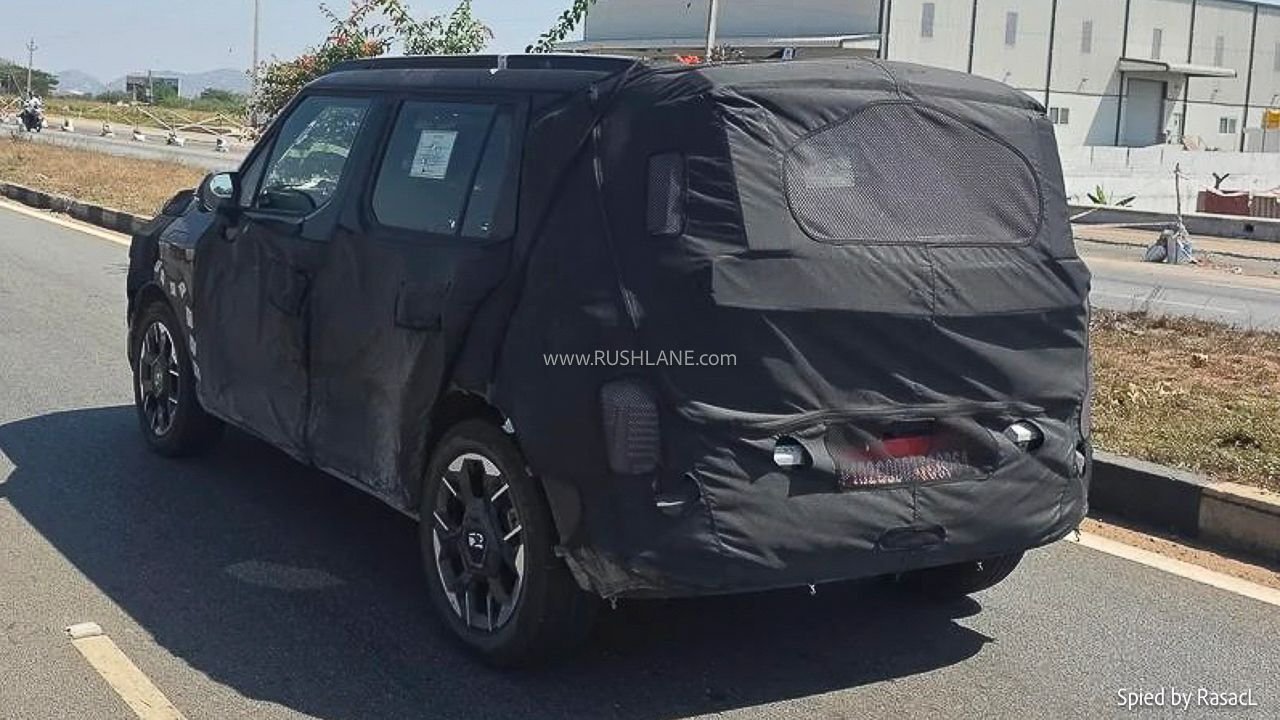
Kia currently has three EVs available in India – Carens Clavis EV, EV6 and EV9. To further strengthen its EV portfolio and increase volumes, Kia is preparing the sub-4-metre Ciros EV. Test mules have been spotted several times and are expected to launch later this year. The latest spy shots reveal features that are likely to make it to production. Let’s see the details.
Kia Ciros EV – what’s different?
To reduce production costs, the design and parts of the Kia Ciros EV will be largely similar to the ICE Ciros. However, there will still be a touch of distinctive identity in the form of EV-specific features. For example, the Syros EV may get new detailing in the front and rear profiles. There is also likely to be specific EV badging.
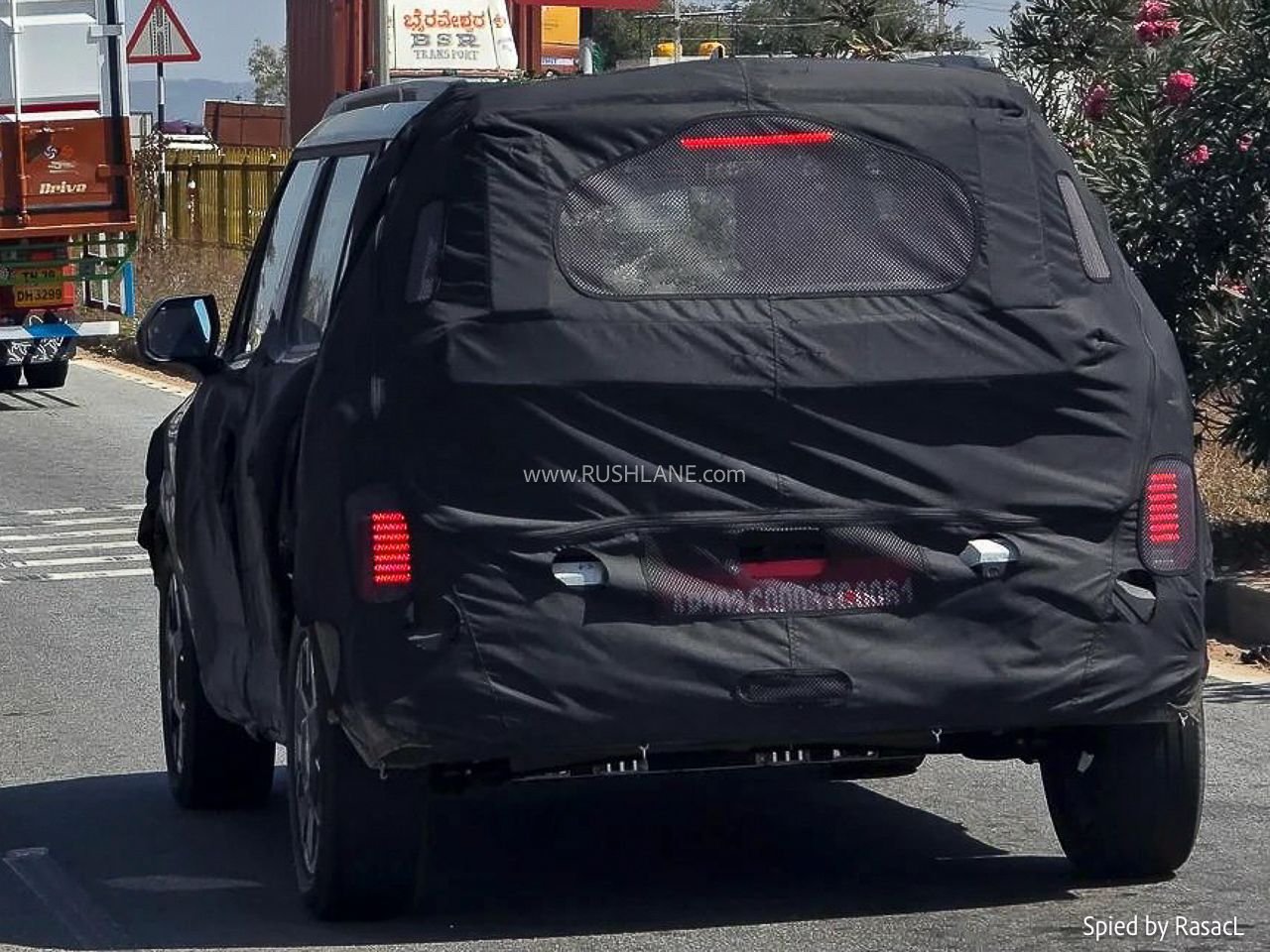
The production version may use alloy wheels which are designed for better aerodynamic efficiency. The Syros EV may also get some special color options. As revealed by the spy shots, the Ciros EV has the charging port installed above the left front fender. Most other features are expected to be similar to the ICE-powered Syros.
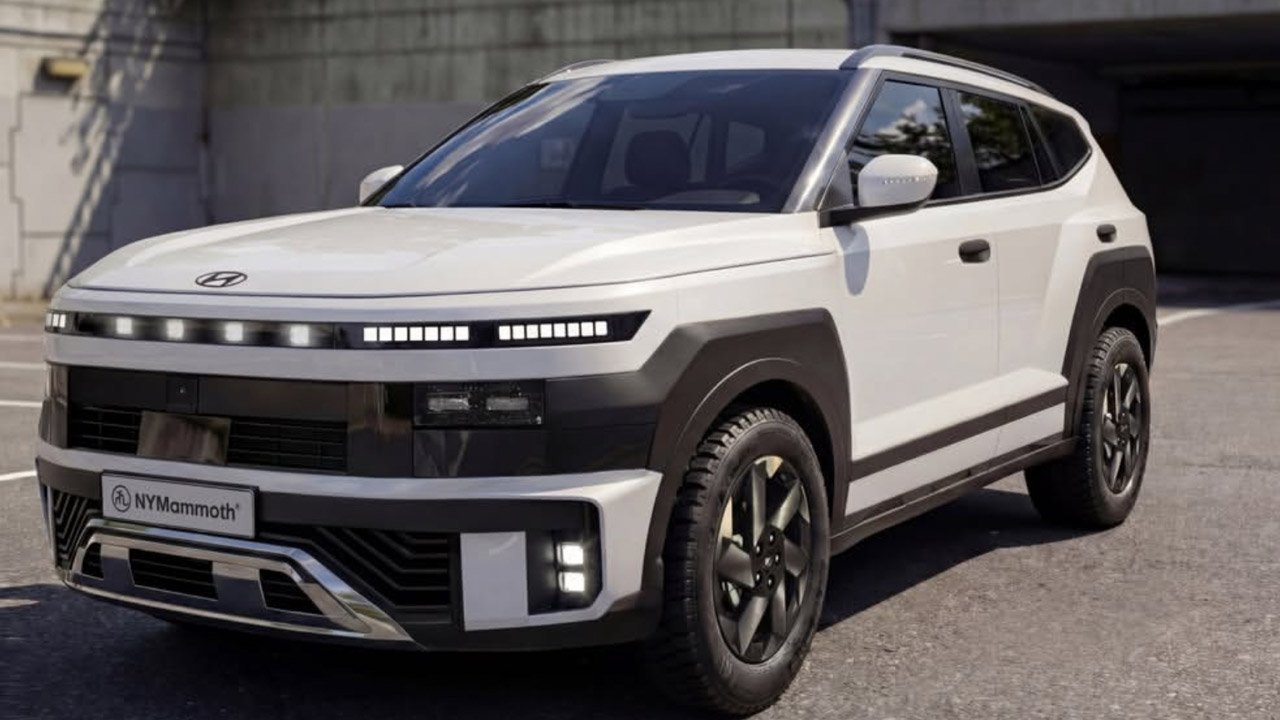
The Kia Sciros features a straight front fascia and a boxy profile, which work to ensure a strong road presence. Other highlights include distinctive headlamps and LED DRLs, slatted grille design, muscular wheel arches, sharp dual-tone ORVMs with integrated turn signals, flush door handles and roof rails. At the rear, the SUV features vertically positioned tail lamps and a strong bumper.
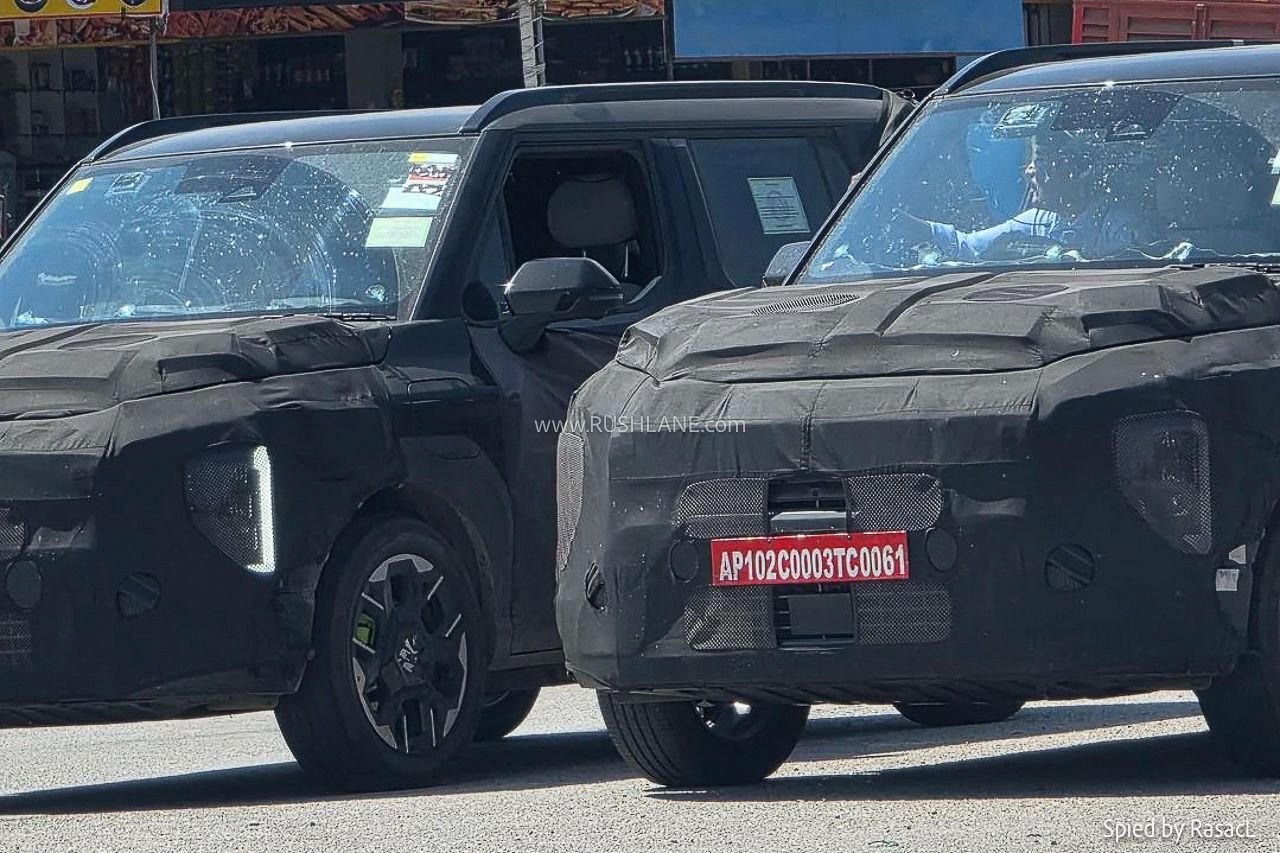
Inside, too, expect some new detailing and EV-specific badging. Electric Cyros may get some additional features compared to ICE Cyros. Devices that are expected to be borrowed directly from the ICE Syros include a 30-inch Trinity display, a 360° camera, panoramic sunroof and dashcam. The security kit will include a wide range of Level 2 ADAS features. ICE Syros has received a 5-star rating in India NCAP for both adult passengers and children.
Ciros EV – powertrain options, range
As of now, the powertrain options for the Kia Cyros EV have not been confirmed. However, it is likely that the motor and battery pack will be borrowed from the Hyundai Inster EV. It remains to be seen whether the Syros EV will get only one or both of the 42-kWh and 49-kWh battery pack options. These battery packs are based on NMC chemistry rather than LFP. This could allow for a higher battery warranty of around eight years, ensuring peace of mind for buyers.
With a large capacity 49-kWh battery pack, the range is 370 km. The Syros EV will have fast charging, with the ability to charge from 10% to 80% in about 30 minutes. Talking about rivals, the Kia Ciros EV will take on the Tata Punch EV. Higher variants like the Tata Nexon EV and XUV3XO EV may also go up. The price is expected to be between Rs 10 lakh to Rs 15 lakh.