The Delhi government has released a draft of its new EV policy for 2026-2030, outlining a phased roadmap to accelerate the shift towards electric mobility in the capital. The policy proposes a time-bound ban on petrol and diesel vehicles along with incentives and expansion of infrastructure to support EV adoption. The draft, currently open for public feedback, aims to tackle vehicle emissions, one of the biggest contributors to Delhi’s air pollution.
Petrol 2W, 3W will be phased out
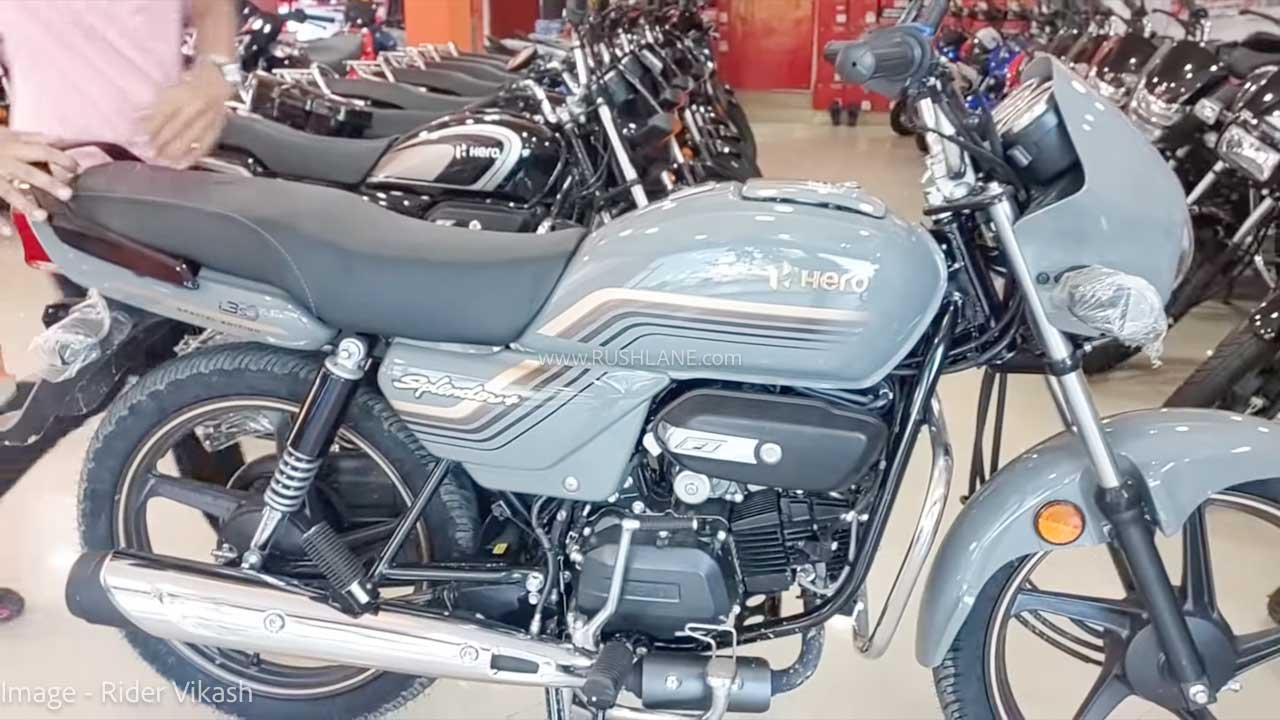
One of the key features of the policy is a clear timeline for electrification of high-volume segments. Only electric three-wheelers will be allowed for new registration in Delhi from January 1, 2027. After this, similar steps will be taken for two-wheelers also. From April 1, 2028, registration of new petrol-powered two-wheelers will not be allowed, effectively making electric models the only option in the segment.
Strict timelines have been proposed for commercial operations such as aggregators and delivery fleets. No new ICE vehicles will be allowed from January 1, 2026. The existing BS-VI two-wheelers in such a fleet will be allowed to operate only till December 31, 2026. The policy follows a phased approach, giving time to both manufacturers and buyers to transition.
Government vehicles, buses will be electric
The draft also targets institutional fleets. All new government vehicle purchases will be electric, while rented and leased government vehicles will shift to 100% EV from the date of notification. School buses will undergo gradual electrification, with a target of 10% adoption in the second year, 20% in the third year and 30% adoption by 2030. Public transport is also included, with new intra-state buses to be electric, while provisions have been kept open for future technologies such as hydrogen.
Incentives, scrappage benefits announced
To support early adoption, the policy proposes a number of financial incentives. Electric two-wheelers priced up to Rs 2.25 lakh will get subsidy linked to battery capacity, with higher mileage in the initial phase.
Electric cars can get incentives of up to Rs 1 lakh under prescribed conditions. Additionally, scrappage incentives ranging from Rs 10,000 to Rs 1 lakh have been proposed for replacement of old BS-IV and below vehicles. The policy also includes 100% exemption on road tax and registration fees for eligible EVs, while strong hybrids will get partial benefits.
Charging Infra, Battery Recycling Focus
A key focus area is the expansion of charging infrastructure. Delhi Transco Limited has been appointed as the nodal agency to plan and implement the charging and battery-swapping network across the city. The draft also proposes a single-window clearance system and an integrated digital platform to streamline approvals and operations. On the sustainability front, the policy includes provisions for battery recycling and reuse under extended producer responsibility norms along with a battery traceability system.
Final policy is yet to be announced
The draft EV policy is currently open for feedback from stakeholders for 30 days. Once finalized, it will define the roadmap for Delhi’s transition towards electric mobility over the next decade. Overall, the policy signals a clear intention to reduce dependence on petrol and diesel vehicles, with a strong push towards electrification across all segments.
Also Read – No road tax for EVs below Rs 30 lakh, hybrids get partial benefit – Delhi Draft EV Policy 2026