
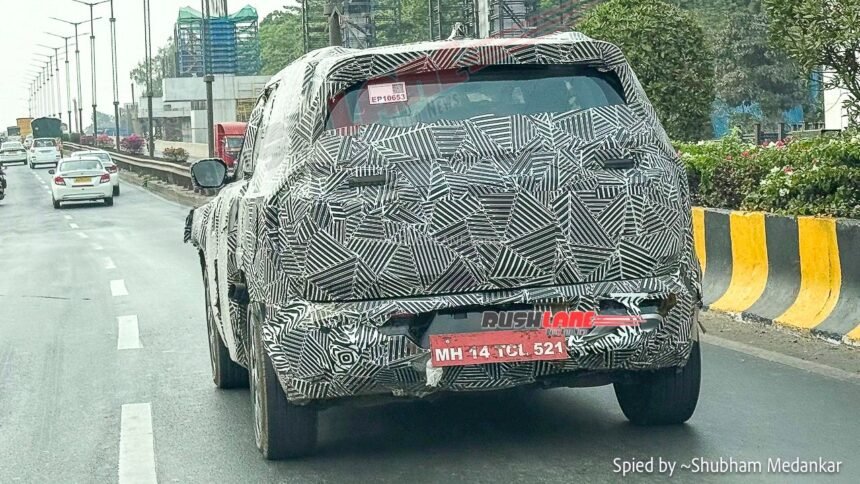
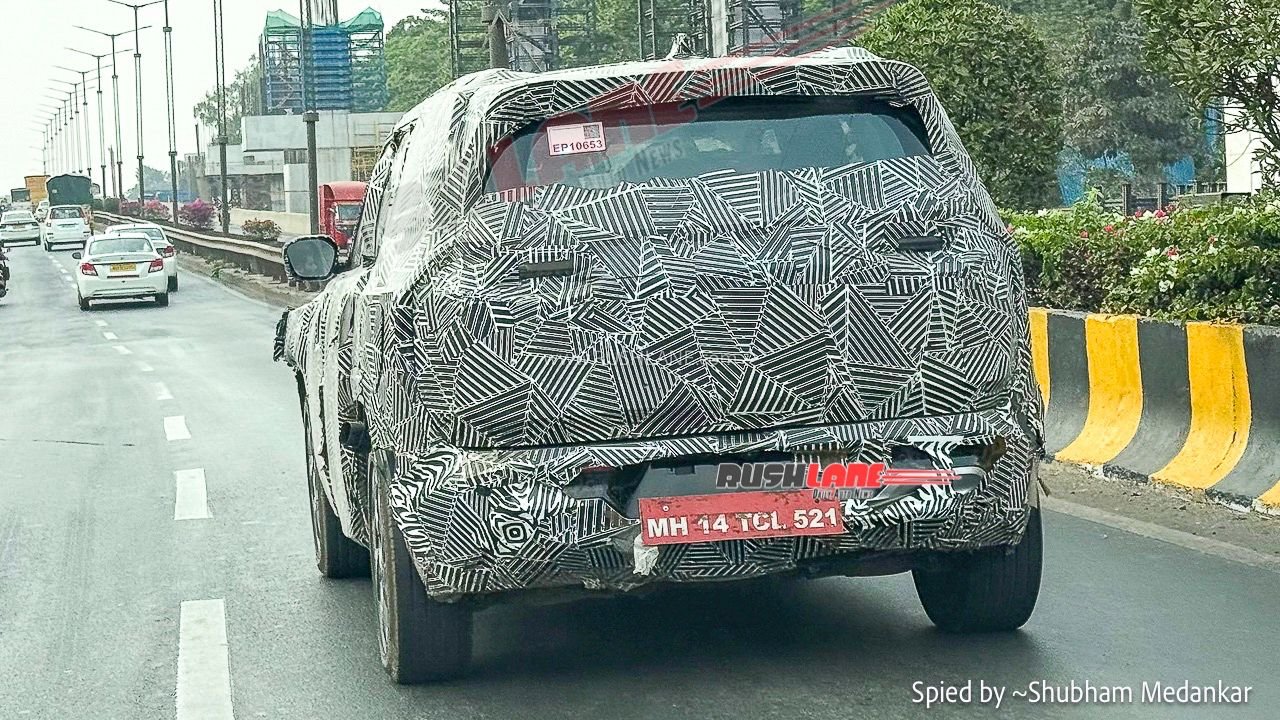
Tata Motors has been on a product offensive in 2026. Even before reaching the halfway point of the year, the company has launched several new and updated products including the Sierra ICE, Harrier Petrol, Safari Petrol, Punch facelift, Punch EV facelift, Tiago facelift and Tiago EV facelift. The momentum is set to continue With the official debut of the much-awaited Sierra EV on June 30.
The Sierra EV will be one of the most important launches from Tata this year as the company looks to consolidate its leadership in India’s electric passenger vehicle market. It will also expand the Sierra lineup, which has already received positive feedback from buyers. Since deliveries began, Sierra has recorded Cumulative sales of over 37,000 unitsAn average of about 7,400 units per month in 2026.
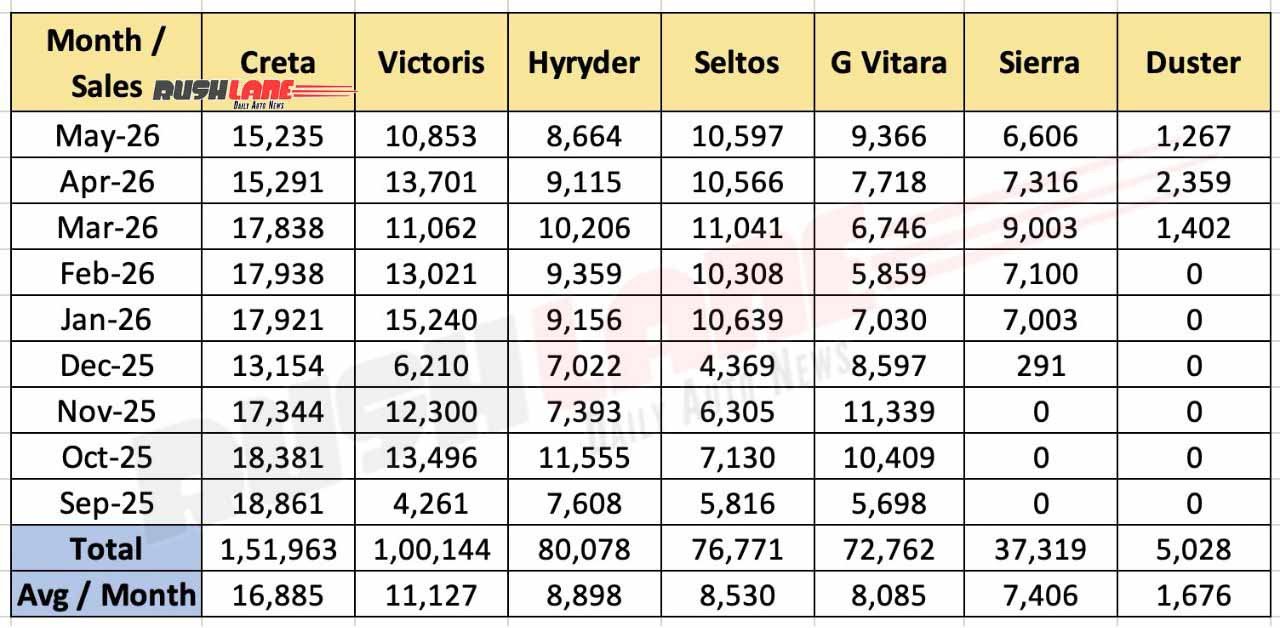
With the electric version, Tata would like to further increase the appeal of the Sierra brand. Similar to the strategy adopted with the Punch and Nexon, offering both ICE and EV powertrains could help the Sierra attract a wider range of buyers while boosting overall sales and visibility in the highly competitive midsize SUV segment.
modern ev design elements
The Sierra EV retains key design cues inspired by the original Sierra while incorporating Tata’s latest design language. It will feature the signature wraparound rear-side glass area, upright stance, and boxy proportions that have long been associated with the Sierra name.
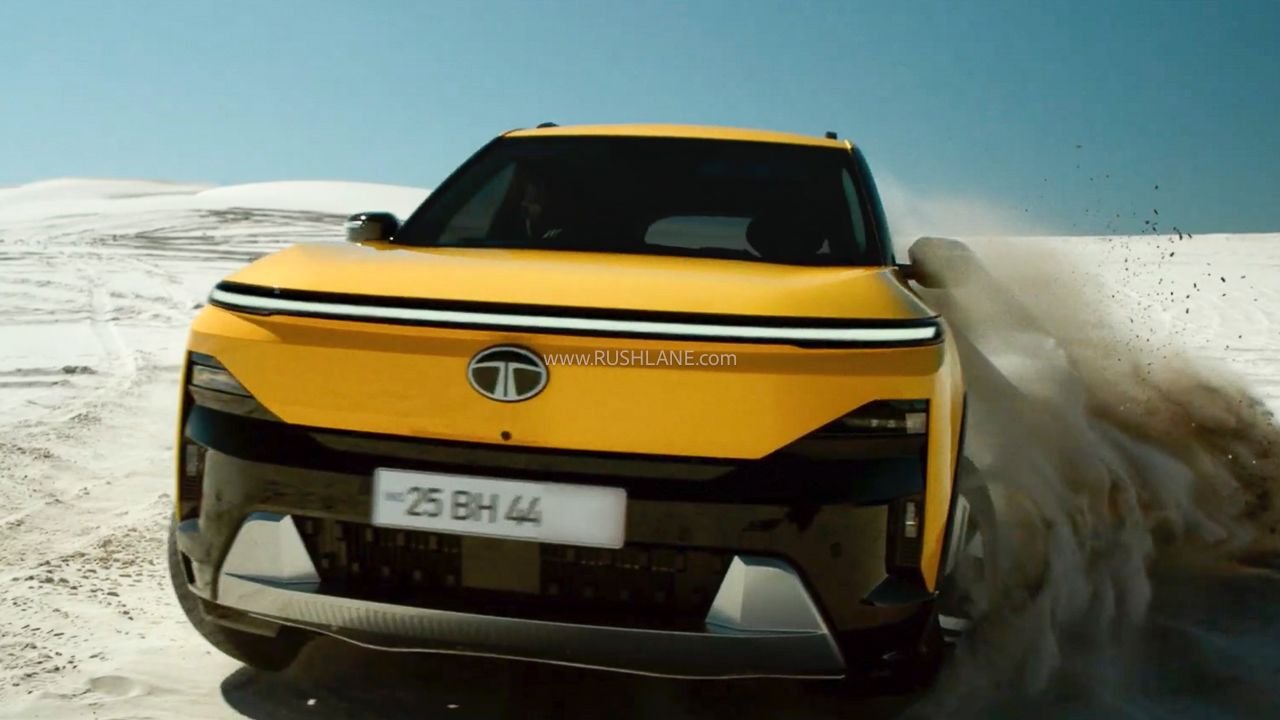
Compared to the ICE Sierra, the electric version will get EV-specific styling elements like closed-off front fascia, unique alloy wheels and distinctive details. The spy shots also reveal flush-fitting door handles, connected LED lighting elements and a premium overall look.
Amenity-rich cabin expected
Inside, the Sierra EV is expected to share most of its cabin architecture with the ICE version while introducing EV-specific graphics and software features. There is a possibility of a triple-screen dashboard setup, which will include infotainment, instrumentation and passenger displays.
Other expected features include ventilated front seats, powered driver’s seat, panoramic sunroof, premium audio system, connected car technology and Level 2 ADAS. Tata may also introduce V2L (vehicle-to-load) and V2V (vehicle-to-vehicle) charging capabilities like its new electric vehicles. The SUV is expected to offer plenty of cabin space with a special focus on rear seat comfort and practicality.
Battery, range and AWD options
The Sierra EV is expected to use Tata’s Active.EV architecture and may share many components with the Harrier EV. One of the battery pack options could be a 65 kWh unit already seen on the Harrier EV. The driving range is expected to be in the area of 500 to 550 km on full chargeDepending on battery pack and variant. There is also a possibility of fast-charging support up to 120 kW DC.
Tata is expected to offer both rear-wheel-drive and all-wheel-drive versions of the Sierra EV. The dual-motor AWD setup may appeal to buyers who want better performance and all-weather capability, while the RWD variant will focus on efficiency and range.
Position and opponent
The Sierra EV will sit below the Harrier EV in Tata’s electric SUV lineup. It will compete with rivals like Mahindra BE6, Hyundai Creta Electric, Maruti Evitara etc. With a blend of vintage design, modern technology and competitive range figures, the Sierra EV is expected to be one of the most important EV launches of 2026 from Tata Motors. More details about the specifications, features and launch timeline will be revealed when the SUV makes its official debut on June 30.